UEFA Champions League Final: Arsenal vs PSG Tactical Analysis
At Puskas Arena in Budapest, Paris Saint Germain and Arsenal meet in the UEFA Champions League Final, with Arsenal arriving as the dominant league-phase side and PSG as a dangerous challenger from lower in the ranking. In the league phase, Arsenal finished 1st with 24 points and a +19 goal difference (23 goals for, 4 against), while PSG came through from 11th with 14 points and a +10 goal difference (21 goals for, 11 against). This makes the final a clash between the competition’s most complete league-phase performer and one of its most explosive but less consistent contenders, with the result set to define the continental hierarchy in 2026.
Head-to-Head Tactical Summary
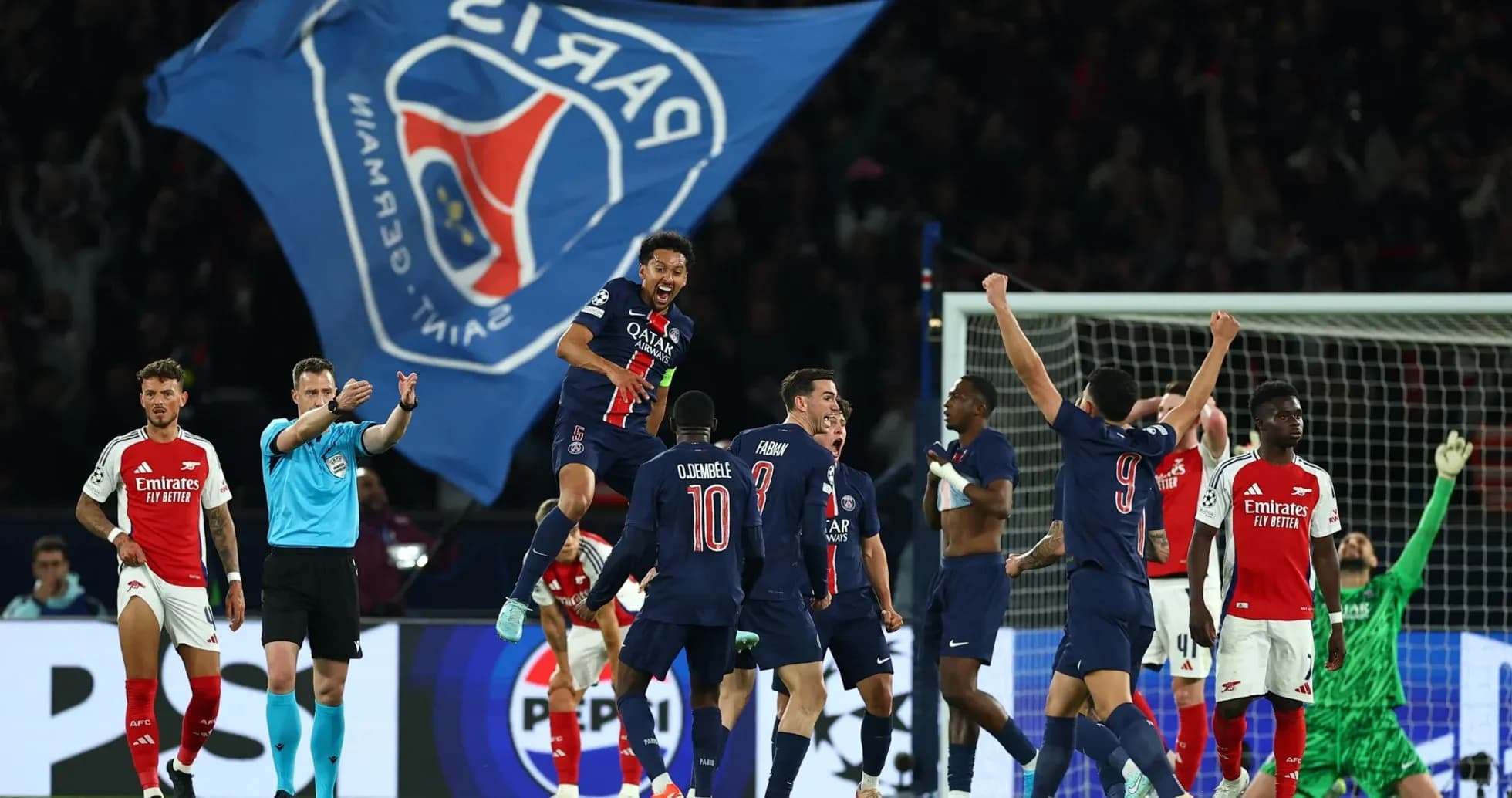
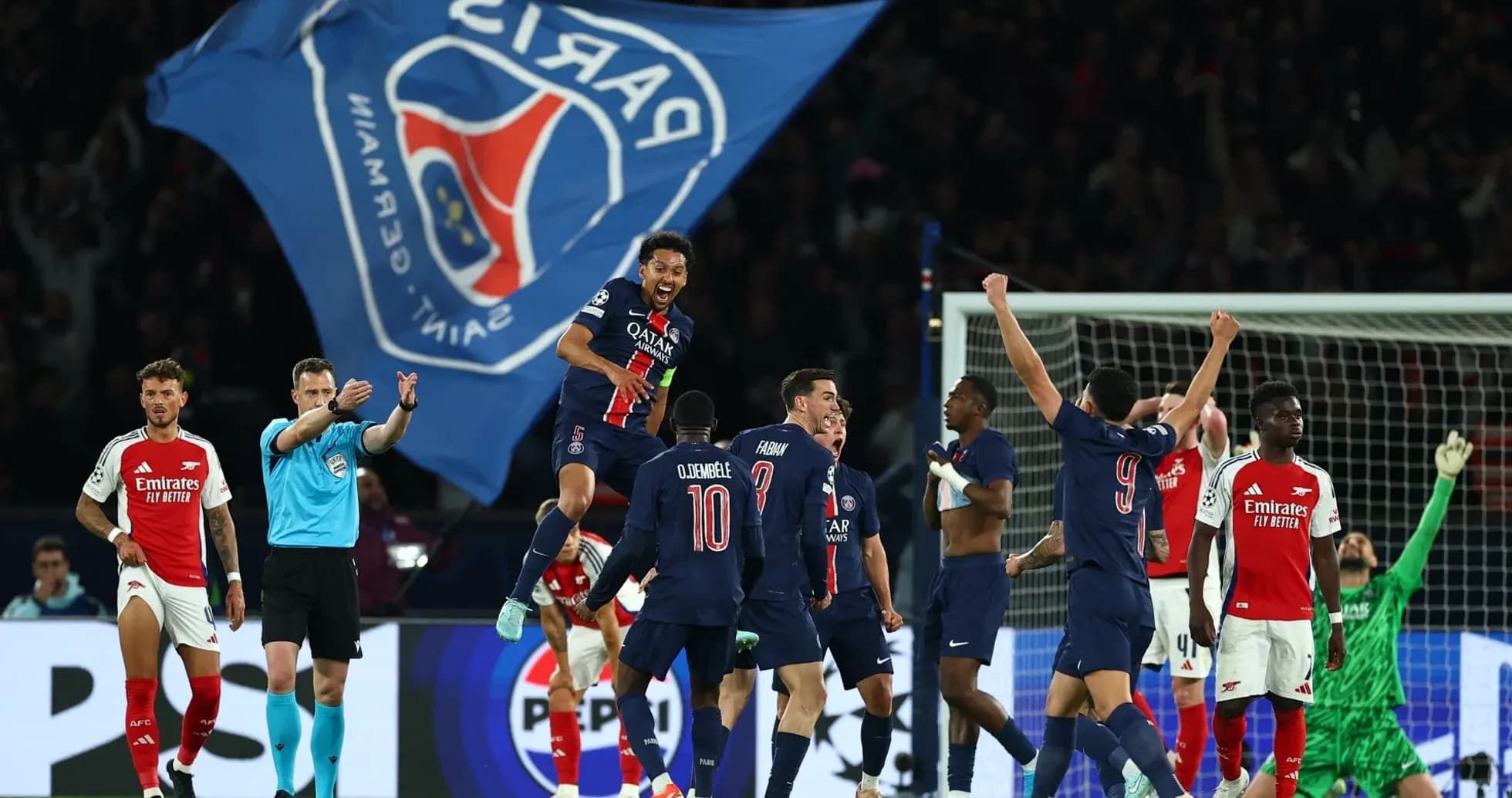
The recent head-to-head record is rich and competitive. In the 2025 UEFA Champions League semi-finals, PSG edged the two-legged tie. On 7 May 2025 at Parc des Princes in Paris, PSG beat Arsenal 2-1, leading 1-0 at half-time before closing out the 2-1 win. A week earlier, on 29 April 2025 at Emirates Stadium in London, PSG had already taken control with a 1-0 away victory, scoring before the break and holding that 1-0 half-time score to full-time. Earlier in the same competition cycle, on 1 October 2024 in the league stage at Emirates Stadium, Arsenal had imposed themselves with a 2-0 home win, leading 2-0 at half-time and maintaining that margin.
Further back, in the International Champions Cup on 28 July 2018 at The National Stadium in Singapore, Arsenal dismantled PSG 5-1, having led 1-0 at half-time before accelerating after the break. In the 2016 UEFA Champions League group stage on 23 November 2016 at Emirates Stadium, the sides drew 2-2, with a 1-1 score at half-time and neither able to find separation. Overall, the pattern shows Arsenal historically capable of heavy wins and control at neutral or home venues, but the most recent knockout tie tilted toward PSG, who demonstrated an ability to manage tight, low-margin Champions League games.
Global Season Picture
- League Phase Performance:
Paris Saint Germain: In the league phase, PSG ranked 11th with 14 points from 8 matches (4 wins, 2 draws, 2 losses). They scored 21 goals and conceded 11, reflecting a high-impact attack and occasionally open defense (goal difference +10). At home they recorded 11 goals for and 6 against across 4 games; away they matched that efficiency with 10 goals for and 5 against in 4 matches. Their form string in the league phase, “DLDWL”, underlines inconsistency against top-level opposition.
Arsenal: In the league phase, Arsenal were the benchmark side, finishing 1st with a perfect 24 points from 8 matches (8 wins, 0 draws, 0 losses). They combined control and defensive solidity, scoring 23 goals and conceding only 4 (goal difference +19). At Emirates Stadium they posted 12 goals for and 3 against; away from home they were even more secure defensively, with 11 goals scored and just 1 conceded over 4 games. - Season Metrics:
Scope detection shows PSG have played 16 fixtures and Arsenal 14 in the statistics block versus 8 each in the standings, so these are across all phases of the competition metrics.
Paris Saint Germain: Across all phases of the competition, PSG have played 16 matches, winning 10, drawing 4, and losing 2. Their attack is highly productive, with 44 goals scored (2.8 per match on average) and a particularly strong home output of 3.1 goals per game (25 goals in 8 home fixtures). Defensively, they have conceded 22 goals (1.4 per match), with a higher concession rate at home (1.8 per game, 14 conceded) than away (1.0 per game, 8 conceded), indicating a more expansive and occasionally vulnerable approach in home or dominant game states. They have 5 clean sheets and have failed to score only once, underlining a consistently dangerous attack. Disciplinary data show a concentration of yellow cards late in games (42.86% of yellows between minutes 76–90), pointing to increased defensive strain or tactical fouling in closing phases.
Arsenal: Across all phases of the competition, Arsenal have played 14 matches, remaining unbeaten with 11 wins and 3 draws. Their attack is efficient, with 29 goals scored (2.1 per match), balanced between home (15) and away (14). Defensively, they have been elite, conceding just 6 goals (0.4 per match) and keeping 9 clean sheets, with an identical defensive average home and away (0.4 goals conceded per game). They have failed to score only once. Their card profile shows a spike in yellow cards between minutes 61–75 (31.82% of yellows), suggesting a phase where they often face increased pressure or commit tactical fouls to manage transitions. - Form Trajectory:
In the league phase, PSG’s form string “DLDWL” reveals a stuttering trajectory into the knockout rounds: two draws, two losses, and just one win in their last five league-phase fixtures. This points to volatility: capable of high peaks but with lapses that can be punished at this level.
In the league phase, Arsenal’s form “WWWWW” is flawless, with five straight wins to close the league phase. That perfect run, combined with their unbeaten overall campaign across all phases, signals a side arriving in the final with sustained momentum, tactical clarity, and psychological confidence.
Tactical Efficiency
Without an explicit comparison block, tactical efficiency must be inferred from production and defensive rates in the statistics data. Across all phases of the competition, PSG’s attacking efficiency is high-volume and aggressive: 2.8 goals per match with only 1 match in which they failed to score. Their “biggest wins” profile (home 4-0, away 2-7) and a maximum of 7 goals scored away show that when their attacking structure clicks, they can overwhelm opponents. However, conceding 1.4 goals per match and allowing 22 goals overall indicates a defense that can be exposed, especially in open games; only 5 clean sheets across 16 fixtures underline that their game model trades some defensive stability for attacking threat.
Arsenal’s profile across all phases of the competition is more balanced and controlled. Offensively, 2.1 goals per match is slightly lower than PSG’s output but still strong, and their biggest wins (4-0 at home, 0-3 away) show they can dominate without needing chaotic, high-scoring encounters. Defensively, 0.4 goals conceded per match and 9 clean sheets in 14 games reflect a highly efficient, structurally sound unit that limits both chances and goals against. The fact that their largest conceded tallies are modest (a maximum of 2 goals against at home, 1 away) suggests their defensive floor is high; they rarely collapse even under pressure.
In tactical terms, the “attack/defense index” implied by these numbers places PSG as a high-variance, attack-first side: very dangerous going forward (2.8 goals per game) but with a defense that can be stretched (1.4 conceded). Arsenal, by contrast, profile as a low-variance, control-oriented team: slightly less explosive in attack (2.1 goals per game) but with an elite defensive base (0.4 conceded) that allows them to win by managing margins rather than chasing shootouts. In a final, where single moments decide the outcome, Arsenal’s efficiency at both ends and their ability to maintain clean sheets give them a structural advantage, while PSG’s path to success likely depends on turning the game into a higher-tempo, chance-rich contest that stresses Arsenal’s back line more than most opponents have managed.
The Verdict: Seasonal Impact
This final has clear structural implications for both clubs’ European trajectories. For Arsenal, who dominated the league phase in the UEFA Champions League with 24 points from 8 matches and a +19 goal difference, lifting the trophy would confirm them as the reference team in Europe in 2026: an unbeaten run across all phases of the competition, backed by the best defensive record in the league phase and across their campaign. It would validate their controlled, low-variance model and likely cement their seeding and psychological edge in future Champions League campaigns, reinforcing a cycle in which they can attract top talent and maintain a stable core.
For PSG, arriving from 11th place in the league phase with 14 points but one of the most prolific attacks, winning this final would transform a season that began with inconsistency into a statement of knockout resilience. It would show that their high-output, risk-tolerant style can peak at the decisive moment, offsetting earlier volatility (“DLDWL” in the league phase) with ultimate success. Such a result would reframe their campaign from underachievement in the league phase to mastery of the knockout environment, potentially shifting internal planning toward refining, rather than overhauling, their current attacking blueprint.
If Arsenal prevail, the narrative becomes one of systemic superiority: the best team in the league phase confirming that status in the showpiece, likely reinforcing the value of stability, defensive structure, and controlled tempo at the very top level. If PSG win, the seasonal lesson tilts toward the importance of ceiling over consistency: that a team with a slightly “porous” defense in statistical terms (22 goals conceded across all phases) can still claim the biggest prize if its attack (44 goals scored) is timed to peak in the critical ties. Either way, this final will recalibrate the competitive map of the UEFA Champions League in 2026, defining which model—control and defensive excellence, or volatility and attacking firepower—sets the benchmark for the coming years.