Bayern München vs Paris Saint Germain: Champions League Semi-Final Insights
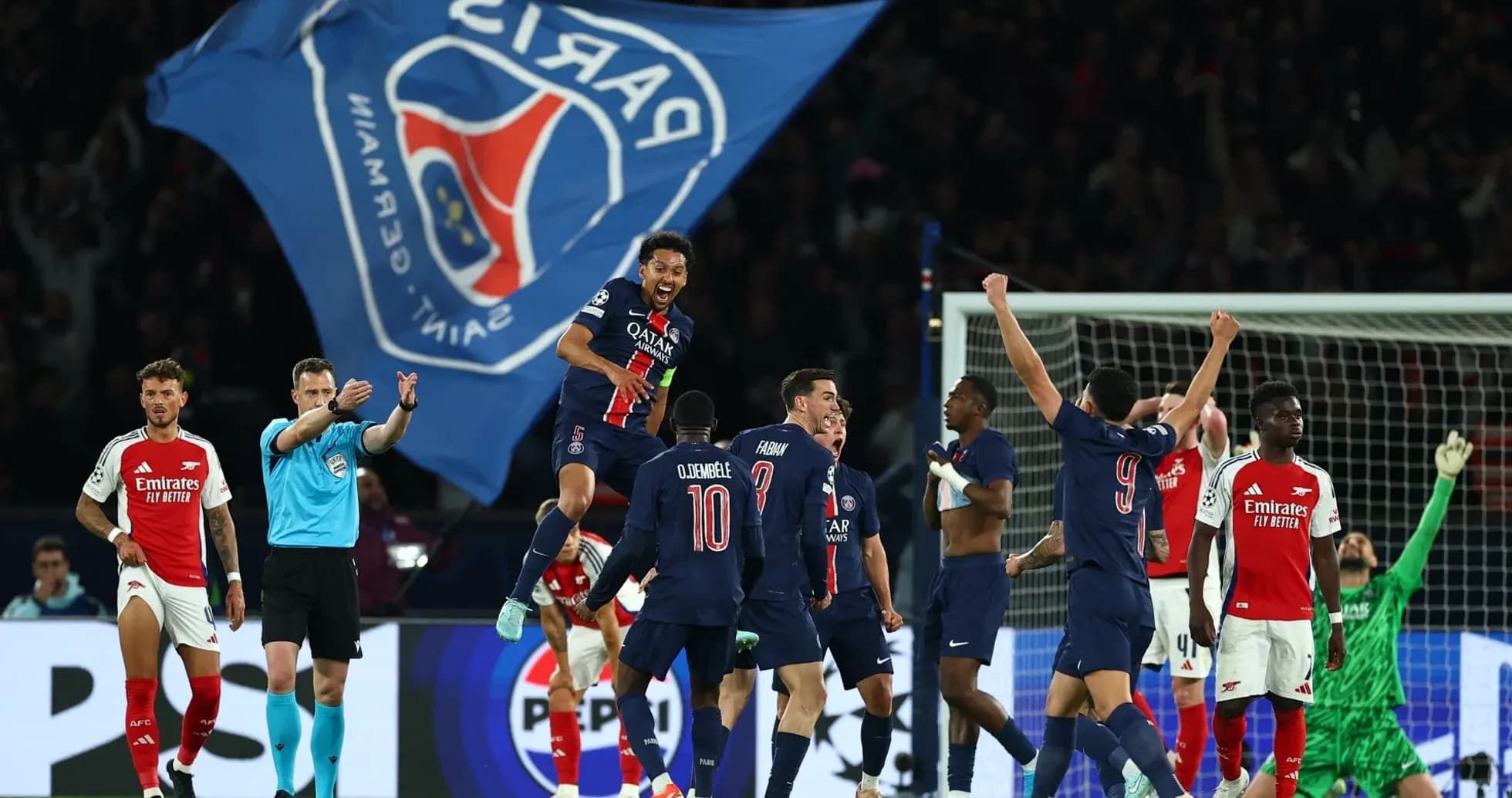
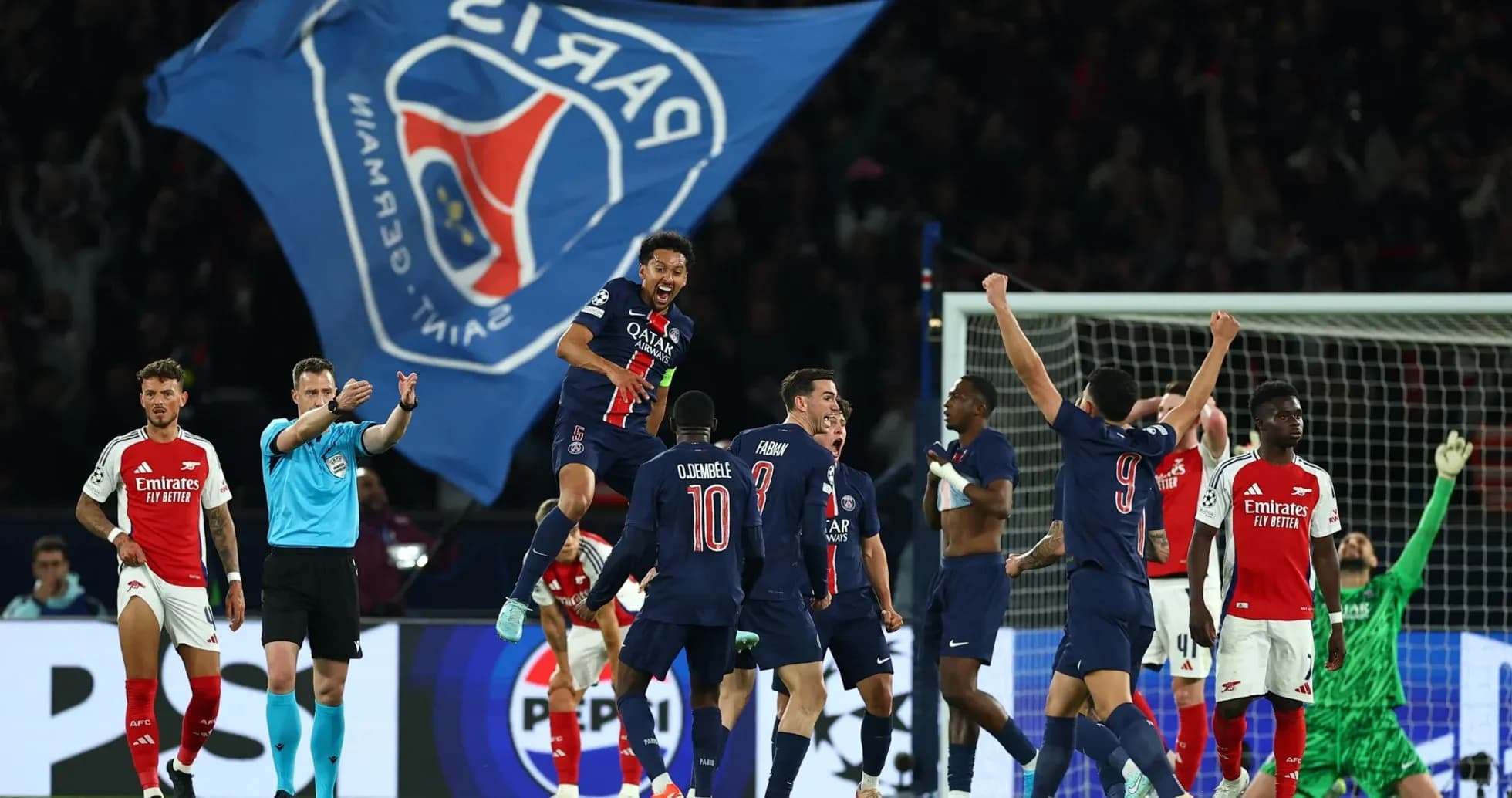
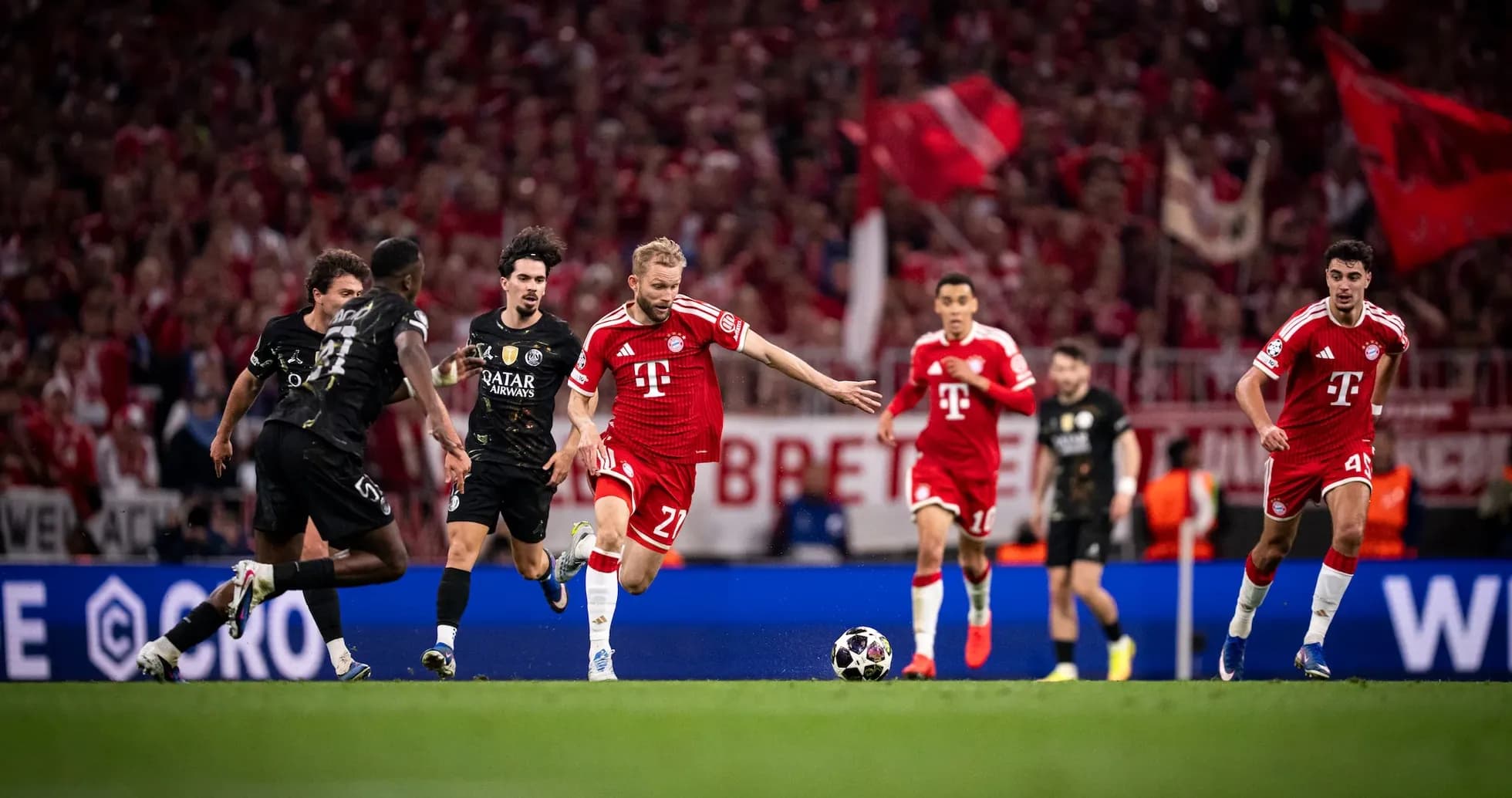
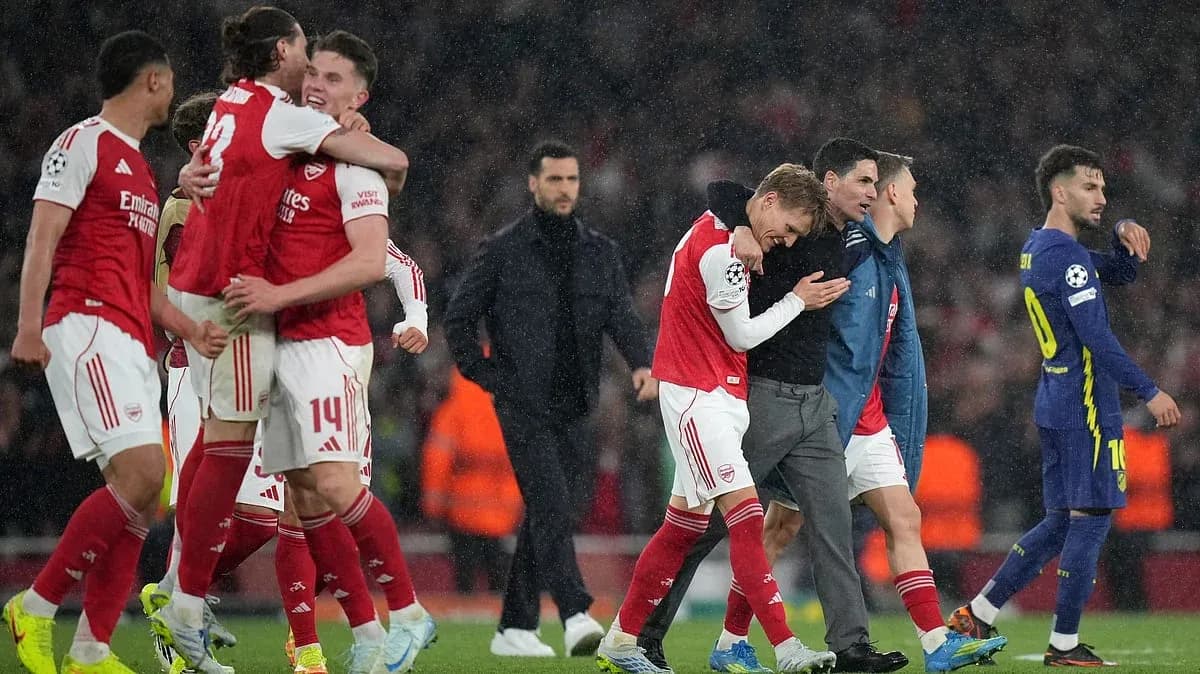
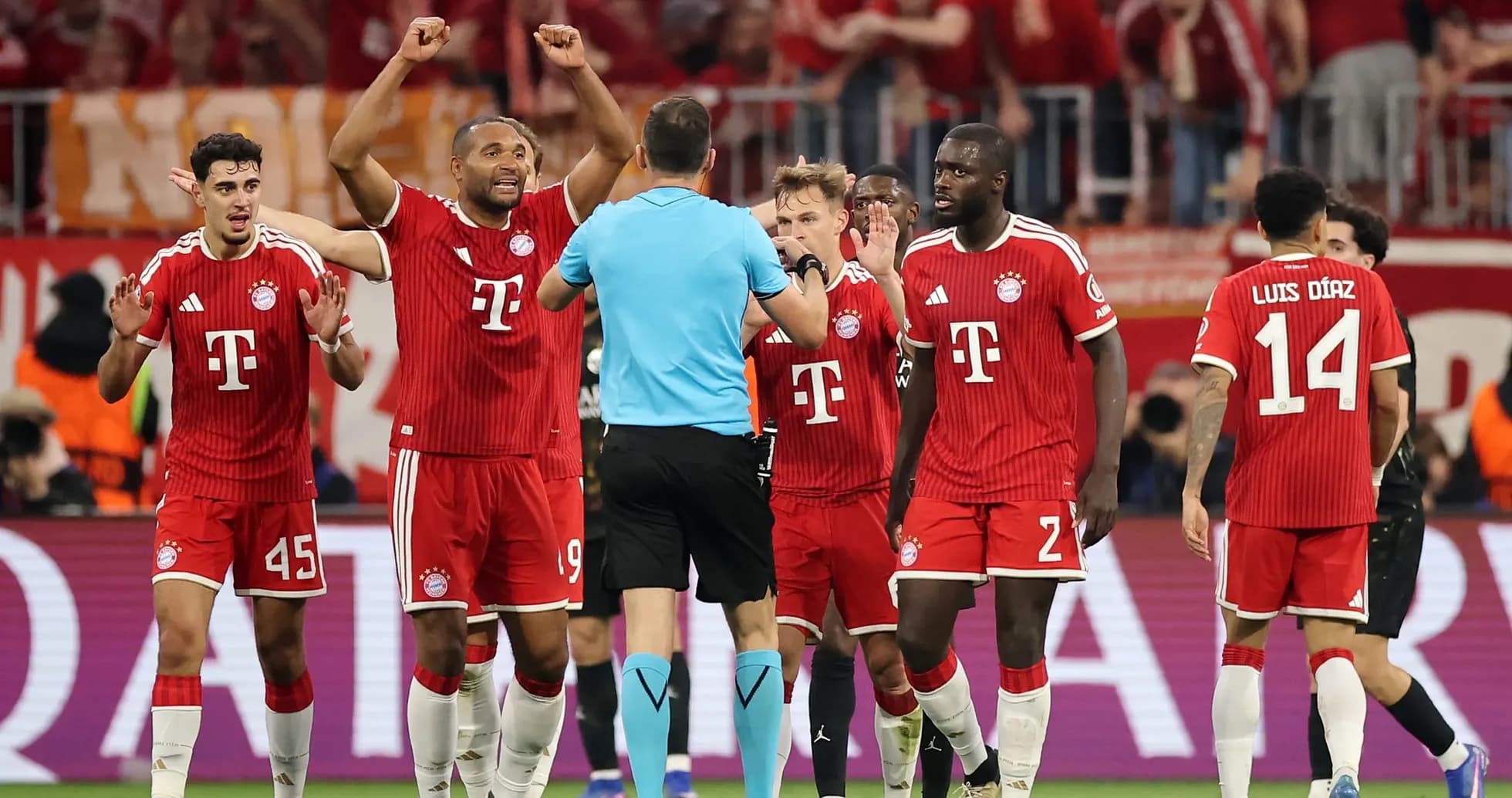
Under the Allianz Arena lights, this semi-final felt less like a single match and more like a clash of fully formed footballing identities. Bayern München and Paris Saint Germain arrived as attacking heavyweights, and the 1–1 draw over 90 minutes was a tense opening chapter rather than a conclusion.
I. The Big Picture – Two attacking machines, one narrow margin
Following this result, Bayern’s Champions League campaign remains defined by relentlessness. Overall they have played 14 matches, winning 11, drawing 1 and losing 2. At home they have been almost perfect: 7 fixtures played, 6 wins, 1 draw and 0 defeats. That home record is underpinned by 21 goals scored at home and 7 conceded, an average of 3.0 goals for and 1.0 against on their own turf. The seasonal goal difference in the competition, taking 43 scored and 20 conceded overall, stands at +23.
Paris Saint Germain arrived as the only side in this tie able to match Bayern’s firepower. Overall they have played 16 Champions League matches, winning 10, drawing 4 and losing just 2. On their travels they have been efficient and controlled: 8 away fixtures, 5 wins, 2 draws, 1 defeat, scoring 19 and conceding 8, for an away average of 2.4 goals for and 1.0 against. Their overall Champions League goal difference, 44 scored and 22 conceded, is +22 – almost a mirror image of Bayern’s.
On the night, those two profiles collided into a stalemate. Bayern’s usual home avalanche met a Paris side that is far more structurally sound away than their reputation suggests. With no extra time or penalties, the semi-final now leans towards a razor-thin tactical balance in the return leg.
II. Tactical Voids – Who was missing, and what it changed
Both coaches had to redraw their plans around notable absences.
For Bayern, Vincent Kompany was without M. Cardozo (thigh injury), S. Gnabry (muscle injury), C. Kiala (ankle injury), W. Mike (hip injury) and B. Ndiaye (inactive). The headline loss is Gnabry: 2 goals and 5 assists in this Champions League campaign, a wide player who can both attack depth and combine between the lines. His absence nudged Bayern further towards a creative burden shared by L. Díaz, M. Olise and J. Musiala behind H. Kane. With no Gnabry option off the bench, Kompany’s ability to radically change the shape of the front four late on was reduced.
Paris Saint Germain were without L. Chevalier (muscle injury), A. Hakimi (thigh injury) and Q. Ndjantou (muscle injury). Hakimi’s omission is tactically huge: 1 goal and 6 assists in the competition, a full-back who normally supercharges the right flank and adds an extra playmaking lane. Without him, Enrique Luis leaned on W. Zaire-Emery at right-back, a choice that stabilised the defensive line but inevitably reduced overlapping chaos on that side.
Disciplinary trends from the season also hung over the tie. Bayern’s yellow-card distribution shows a pronounced late-game edge: 37.04% of their yellows arrive between 76–90 minutes, reflecting how aggressively they push in closing stages. Red cards have been split between 46–60 and 61–75 minutes, one in each range, underlining the risk when they ramp up intensity after half-time. For Paris, 42.86% of their yellows also fall in the 76–90 range, with red cards arriving in the 31–45 and 91–105 windows. Both sides, in other words, are most combustible just when semi-finals are usually at their most frantic.
III. Key Matchups – Hunter vs Shield, Engine vs Enforcer
Hunter vs Shield
H. Kane is the purest expression of Bayern’s attacking threat. Across this Champions League season he has scored 14 goals and provided 2 assists in 13 appearances, with 36 shots and 25 on target. He has also won 63 of 111 duels and drawn 23 fouls, a centre-forward who anchors attacks as much as he finishes them. Bayern’s penalty profile backs his ruthlessness: overall they have taken 4 penalties in the competition and scored all 4, with 0 missed at team level. Kane himself, however, has missed 1 penalty, a reminder that even the most reliable finisher carries a human margin for error.
Against that, Paris’ away defensive numbers are quietly elite. On their travels they concede just 1.0 goal on average, with 8 goals against in 8 away fixtures. Marquinhos and W. Pacho form a central pairing that must track Kane’s habit of drifting into pockets to link with Musiala and Olise. The duel is not just Kane vs centre-backs, but Kane vs the entire Paris structure that has allowed only 22 goals overall across 16 matches.
On the other side, K. Kvaratskhelia is the creative storm Bayern must contain. He has 10 goals and 6 assists, 30 shots (18 on target) and 545 completed passes with 20 key passes. His dribbling volume – 51 attempts with 29 successes – forces defences to tilt towards him. Bayern’s back four, with K. Laimer and J. Stanisic in the wide roles, will be stretched between holding the line and stepping out to prevent Kvaratskhelia from combining with O. Dembele and D. Doue in the half-spaces.
Engine Room – Playmaker vs Enforcer
In midfield, the tie narrows to a fascinating axis: Vitinha for Paris against J. Kimmich and A. Pavlovic for Bayern.
Vitinha has been Paris’ metronome: 16 appearances, all as a starter, with 1,553 passes and a remarkable 93% accuracy. He has supplied 23 key passes, 6 goals and 1 assist, while also contributing 25 tackles, 1 blocked shot and 17 interceptions. He is both the first outlet under pressure and the player who decides when Paris accelerate.
Kimmich, by contrast, is Bayern’s organiser and emotional thermostat. He has 1,117 passes at 90% accuracy, 30 key passes, 2 assists and 15 tackles with 1 block and 9 interceptions. His 4 yellow cards highlight how often he operates on the edge to protect transitions. Alongside him, Pavlovic offers a calmer, positional presence, allowing Kimmich to step higher and occasionally join the press on Vitinha.
The way this duel tilts will dictate which side can impose their rhythm. If Vitinha escapes Bayern’s first wave, Kvaratskhelia and Dembele receive the ball earlier and in more dangerous positions. If Kimmich and Pavlovic suffocate him, Paris’ front three are forced to live off longer passes and second balls.
IV. Statistical Prognosis – Margins of xG and discipline
Heading into this tie, both teams were averaging 3.1 goals for per match overall for Bayern and 2.8 for Paris. The first leg’s 1–1 scoreline suggests that the underlying xG battle was more about control than chaos; both teams have the capacity to create flurries of chances, but the semi-final context and the quality of both defensive units compressed the shot quality and volume.
Defensively, Bayern’s overall average of 1.4 goals against per match and Paris’ identical 1.4 figure underline how balanced this tie is. On their travels Paris concede just 1.0 per game; at home Bayern concede 1.0 per game. The numbers point towards another tight contest, where a single high-quality chance – likely engineered by Kvaratskhelia or Olise, and finished by Kane or one of Paris’ wide forwards – could tilt the entire semi-final.
Discipline and late-game patterns may ultimately decide it. Both sides collect their highest share of yellows between 76–90 minutes, when fatigue, substitutions and tactical gambles collide. With Bayern yet to miss a penalty at team level and Paris also perfect from the spot overall (2 scored, 0 missed), any foul in the box could become decisive.
The narrative from this first leg is clear: two attacking juggernauts have tested each other’s armour and found no obvious fracture. The second leg will not just be about who attacks better, but whose midfield engine and defensive discipline can hold their nerve longest when the semi-final tightens into its final, brutal details.