Allianz Arena Semi-Final: Tactical Duel Ends 1–1
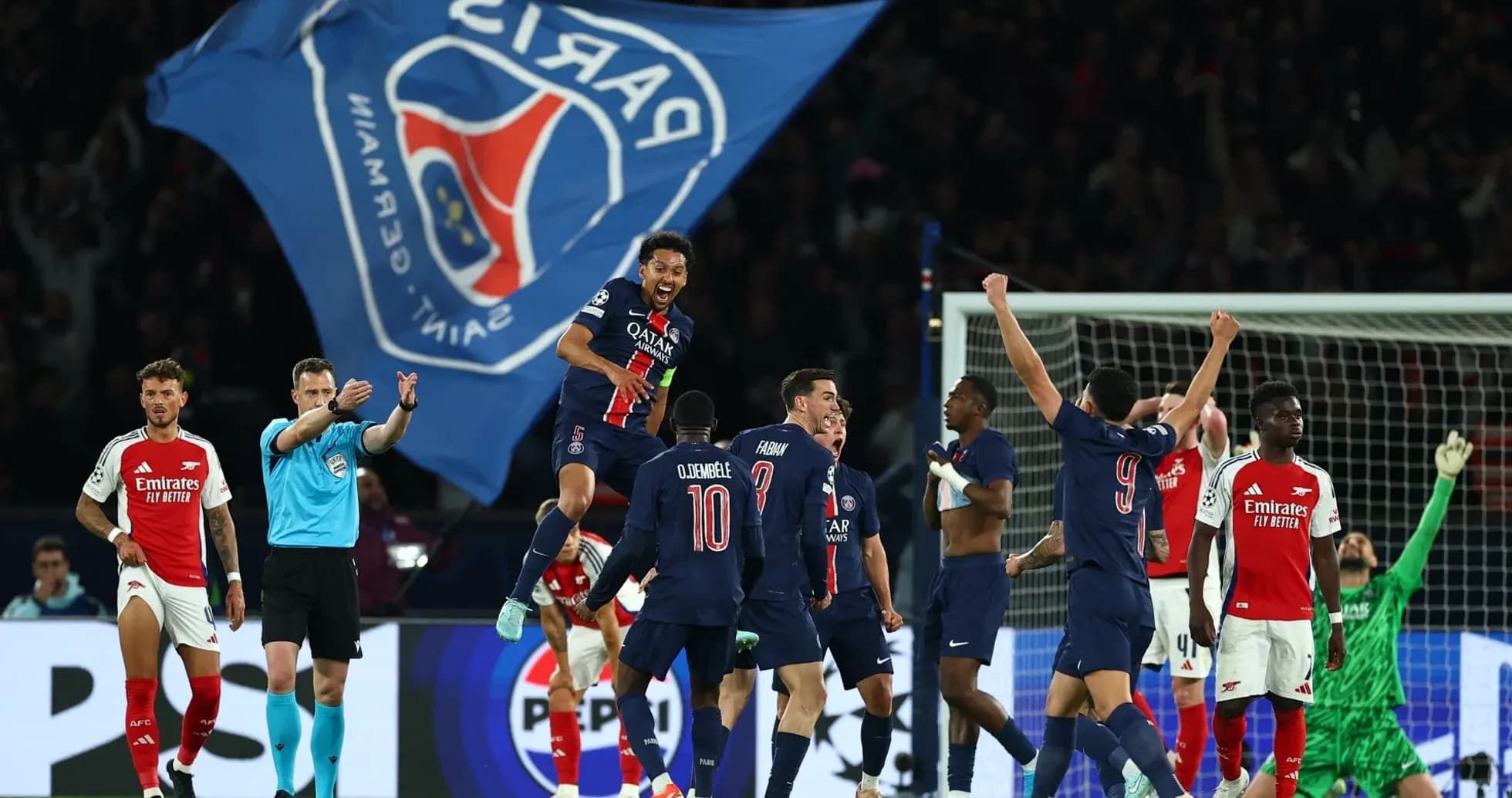
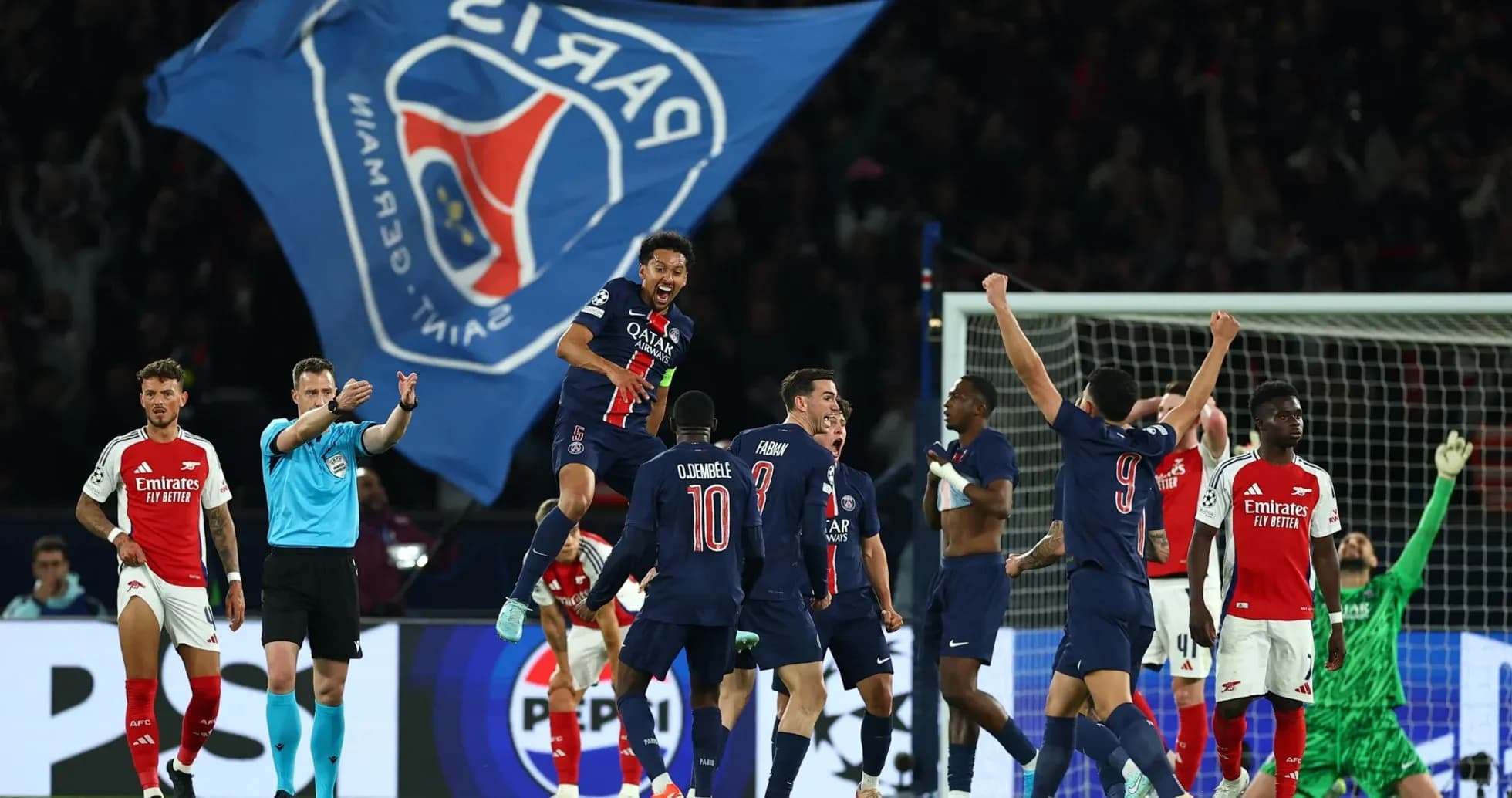
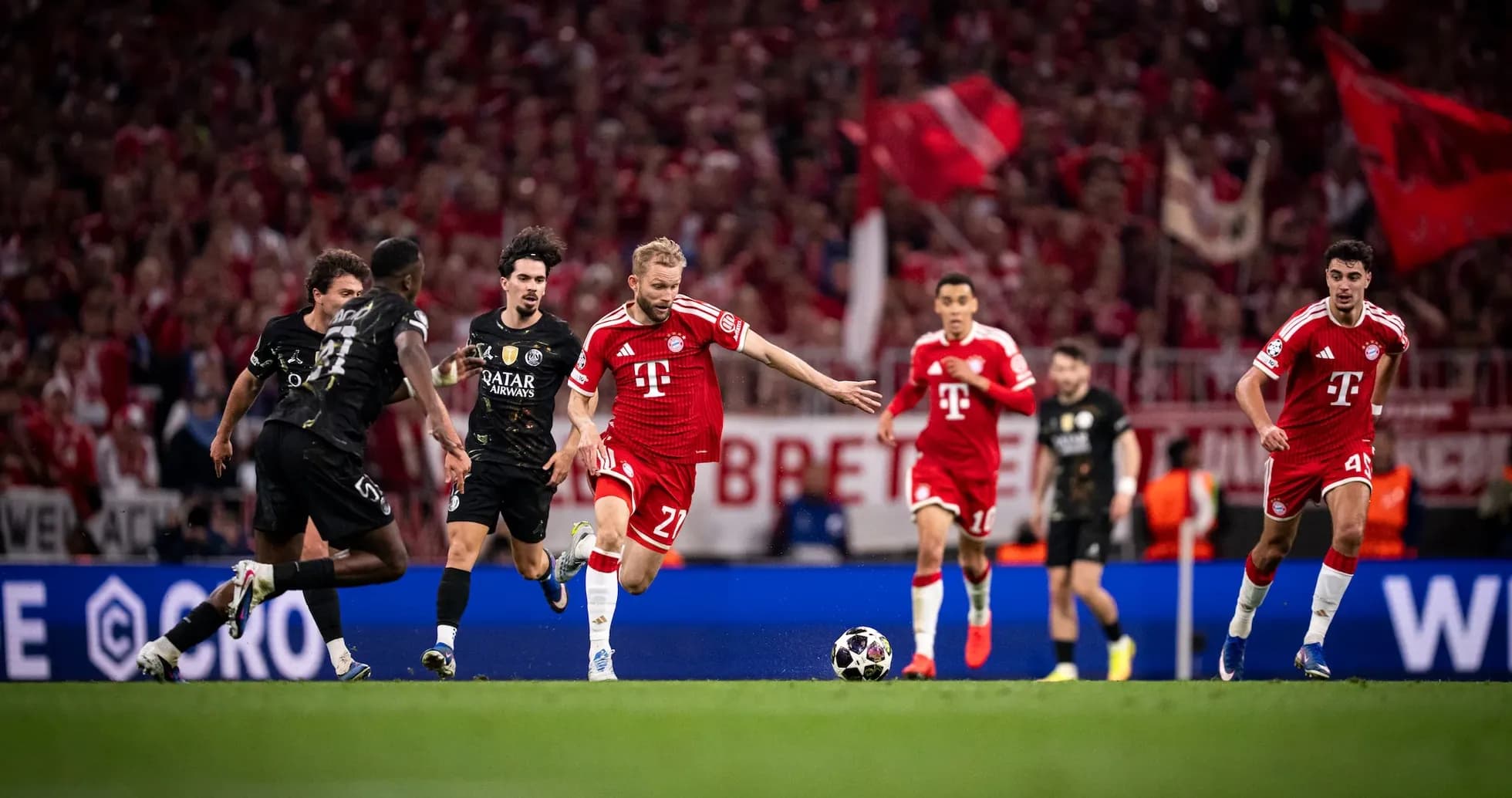
The Allianz Arena semi-final finished 1–1, a scoreline that captured a finely poised tactical duel more than any lack of ambition. Paris Saint Germain struck first through Ousmane Dembele after just 3', then spent long stretches without the ball but with clear structure, looking to spring transitions through Khvicha Kvaratskhelia and the front three. Bayern München, under Vincent Kompany, dominated territory and possession, patiently probing in a 4-2-3-1 and finally forcing parity late through Harry Kane on 90', assisted by Alphonso Davies. Over 90 minutes, Bayern’s 66% of the ball and 18 shots met PSG’s compact 4-3-3, whose discipline and counter-punching kept the tie balanced.
Final Score: Bayern 1 - 1 PSG
First Half
Ousmane Dembele’s opener at 3' immediately framed the tactical story. Kvaratskhelia, starting wide left, slipped into the half-space to receive and draw Bayern’s back line narrow; his assist found Dembele exploiting the right channel, attacking the space outside Jonathan Tah and finishing clinically. From that point, PSG were content to concede possession, with their front three staggering their starting positions to block central progression into Joshua Kimmich and Aleksandar Pavlovic, while Vitinha and Fabián Ruiz stepped out selectively to press.
Bayern’s 4-2-3-1 had clear structural principles: Pavlovic dropped alongside the centre-backs in early build-up, allowing Kimmich to push slightly higher as a deep playmaker. Full-backs Konrad Laimer and Josip Stanisic held moderate heights rather than extreme overlaps, creating a rest-defence line of three or four behind the ball to guard against PSG counters. Jamal Musiala and Michael Olise rotated between the right half-space and central pockets, with Luis Díaz tucking in from the left to overload the interior.
The problem in the first half was tempo and access between the lines. PSG’s 4-3-3 block was narrow and vertically compact: Warren Zaire-Emery and Nuno Mendes tucked in to form almost a back five at times, while João Neves held a deep central position screening Kane. Bayern’s 66% possession and 570 passes (87% accuracy) often circulated in front of this block, with too few penetrative runs to disorganise it. Shots inside the box (13 for Bayern) came more from sustained pressure than clean, high-speed breaks.
Paris, with only 34% possession and 301 passes at 71% accuracy, prioritised efficiency. Their 15 total shots, including 8 inside the box, came from quick, direct attacks once the first line was broken. Kvaratskhelia’s time-wasting yellow at 45+3' underlined PSG’s game-state management: protecting the 0–1 half-time lead, slowing restarts, and accepting long Bayern phases without the ball.
Second Half
The second half hinged on adjustments and fresh legs. Enrique Luis’s first change at 65' — B. Barcola (IN) came on for O. Dembele (OUT) — maintained the threat on the right while adding more vertical running. Kompany’s reply was more structural: A. Davies (IN) came on for J. Stanisic (OUT) at 67', immediately giving Bayern a true overlapping threat on the left. Davies’ width pinned Zaire-Emery deeper and widened PSG’s back line, creating larger half-space pockets for Musiala and Díaz.
At 68', Kim Min-Jae (IN) came on for J. Tah (OUT), a like-for-like centre-back change but with different profiles: Kim’s greater aggression in stepping into midfield helped Bayern compress PSG further, holding a higher line and contesting second balls quicker. This fed into Bayern’s territorial siege: 18 total shots, 6 on target, and only 1 corner suggest that most danger came from open play combinations and second-phase attacks rather than set-pieces.
PSG’s double change at 76' — L. Hernandez (IN) came on for D. Doue (OUT) and L. Beraldo (IN) came on for F. Ruiz (OUT) — shifted the emphasis further towards defensive solidity. Hernandez, a natural defender, effectively turned the left flank into a more conservative unit, while Beraldo’s introduction added another defensive profile into the back line or defensive midfield zone. By 85', S. Mayulu (IN) came on for Nuno Mendes (OUT), reinforcing legs and energy down the flank as Bayern’s pressure peaked.
Bayern’s late substitutions were all-in on attacking momentum. N. Jackson (IN) came on for J. Musiala (OUT) at 79', adding a second central runner to occupy both PSG centre-backs and create more space for Kane to drop and link. At 85', L. Karl (IN) came on for D. Upamecano (OUT), another aggressive tweak that kept Bayern’s back line fresh but did not compromise the high defensive line.
The decisive equaliser on 90' was the tactical arc made visible. With PSG pushed deep, Davies received wide on the left, exploiting the width he had been given since coming on. His delivery found Kane, whose movement between Marquinhos and Willian Pacho created just enough separation to convert. The assist from a substitute full-back to the central striker encapsulated Kompany’s adjustment: turning sterile possession into dynamic wide overloads and targeted box occupation.
Discipline and Game Management
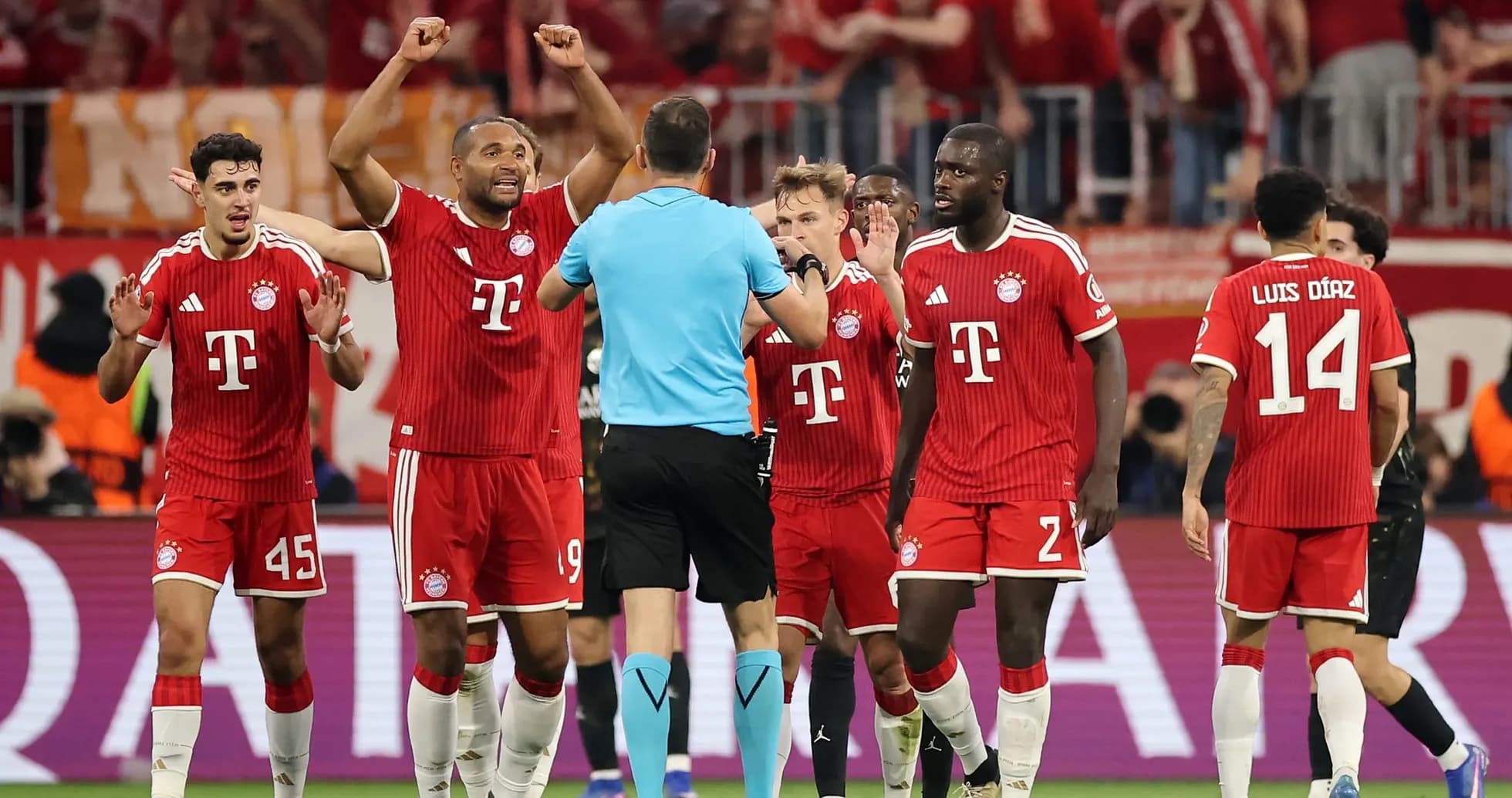
Discipline and game management were central to the flow. Nuno Mendes’ early yellow at 8' for a foul signalled PSG’s willingness to break rhythm high up the pitch. Tah’s 33' yellow for argument and Luis Díaz’s 78' caution, also for argument, reflected Bayern’s growing frustration with the game-state and perhaps some contentious decisions. Marquinhos’ 86' yellow for a foul underlined PSG’s readiness to accept tactical fouls to disrupt Bayern’s late waves, while Kimmich’s booking at 90+7' for argument showed the emotional toll of chasing the game.
In goal, M. Neuer made 6 saves versus M. Safonov’s 5, despite Bayern having the lion’s share of the ball. This aligns with PSG’s model: fewer, but often clearer, chances in transition. The xG numbers — 1.4 for Bayern, 1.03 for PSG — confirm a slight Bayern edge in chance quality, but not a dominant gulf. Both keepers effectively matched their expected concession, with each side preventing roughly 0.23 goals beyond xG.
Statistically, Bayern’s Overall Form in this match was that of a territorial heavyweight: high possession, high pass accuracy, and more shots, but needing late structural changes to translate control into a goal. Defensively, their Defensive Index was mixed: they allowed 15 shots and an early goal, yet limited PSG’s xG to near parity and relied on Neuer’s 6 saves. PSG’s Overall Form was defined by compactness and transition sharpness, while their Defensive Index was strong: conceding 1.4 xG and only 1 goal despite facing 18 shots and sustained pressure. The 1–1 final score, with three yellow cards per side and no reds, fairly reflects a semi-final where tactical discipline and in-game adjustments mattered as much as individual talent.