Jude Bellingham Reflects on England's Heartbreaking World Cup Semi-Final Loss
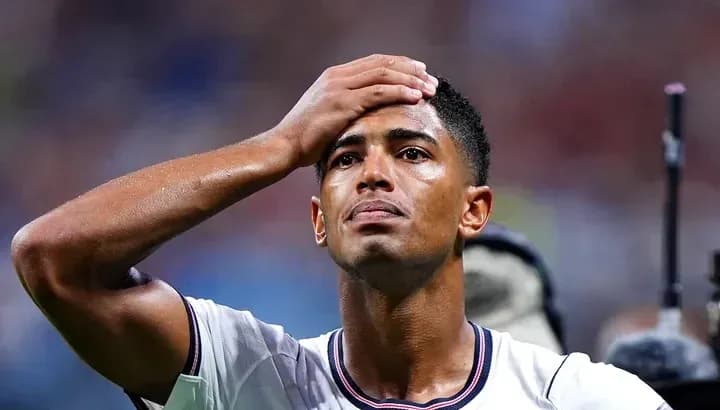
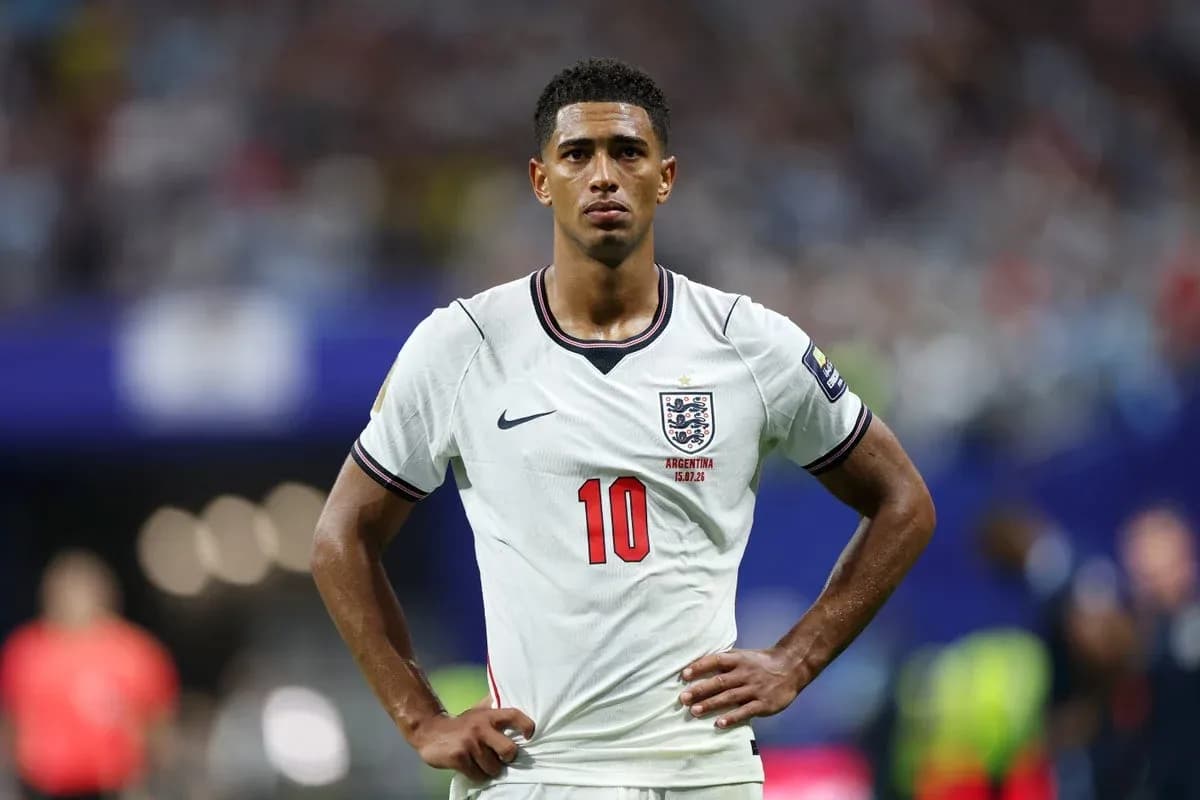
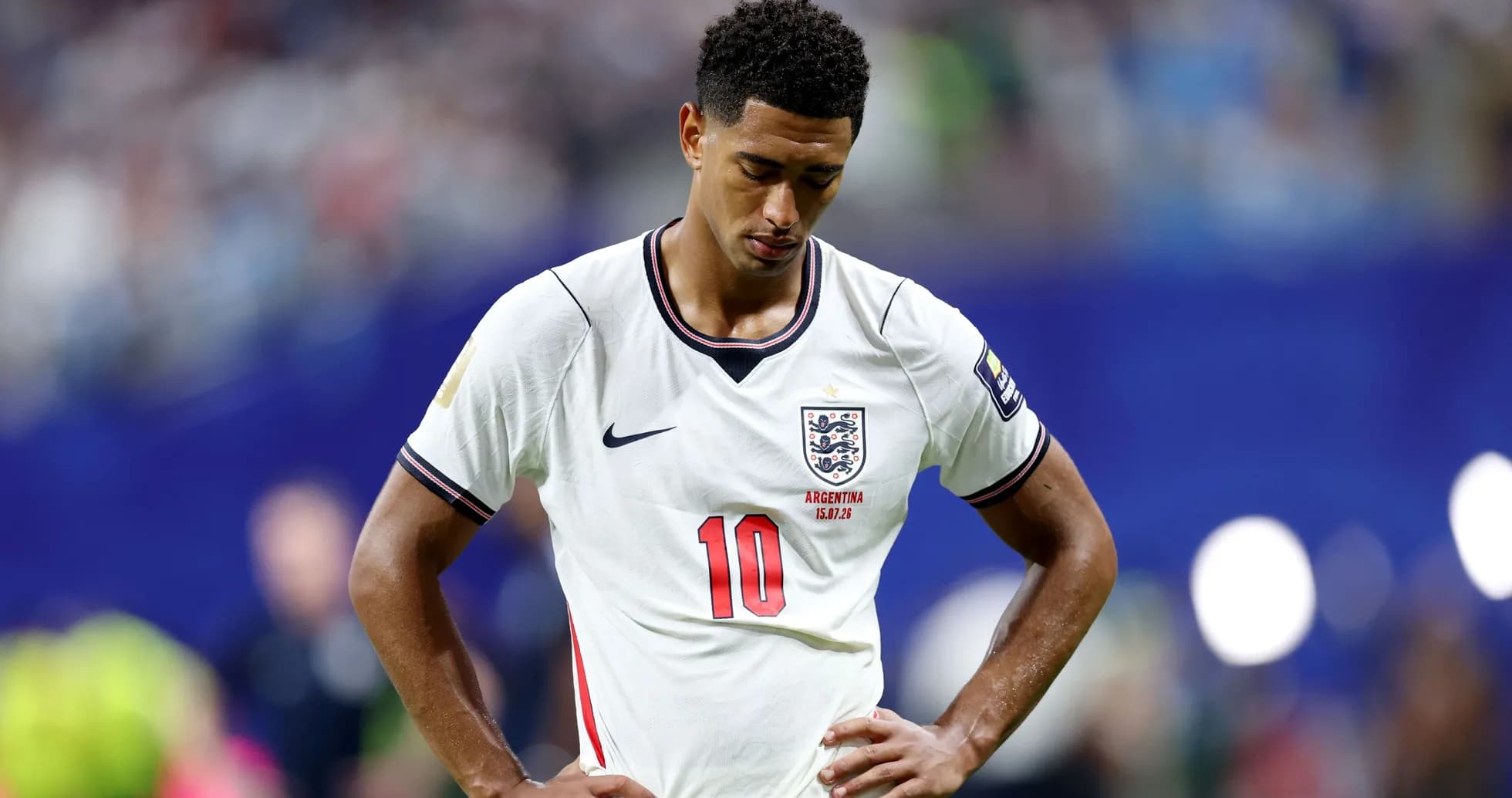
Jude Bellingham stood in the mixed zone with red eyes and a broken voice, trying to explain the unexplainable. A 2-1 defeat to Argentina, sealed in the dying moments, had ripped away England’s first World Cup final appearance since 1966. For a player who had dragged his country this far, it felt like the cruellest of full stops.
He finished the tournament with seven goal contributions, a driving force from midfield and the author of a stunning brace against Norway in the quarter-final. Yet none of that mattered in this moment. Not after another punch to the gut at the end of a draining year that had already brought a difficult club campaign with Real Madrid and the pain of losing the Euro 2024 final.
This one looked like it cut deepest.
“I think we can take a lot of experience from this, but it is so gutting. I wanted to be a part of an England squad that finally done it and got it over the line. To be here, telling the fans the same things they've heard for years, it's really gutting,” he admitted, the words coming slowly, heavy with frustration.
The midfielder searched for something, anything, that might console a nation. Nothing came.
“I wish I could give one more win or two more wins, but at the moment, my head is a bit fuzzy with disappointment, so I'm sorry.”
No dressing it up. No brave face. Just a 23-year-old who had carried the weight of a country and now felt it collapse on his shoulders.
Tuchel takes the blame
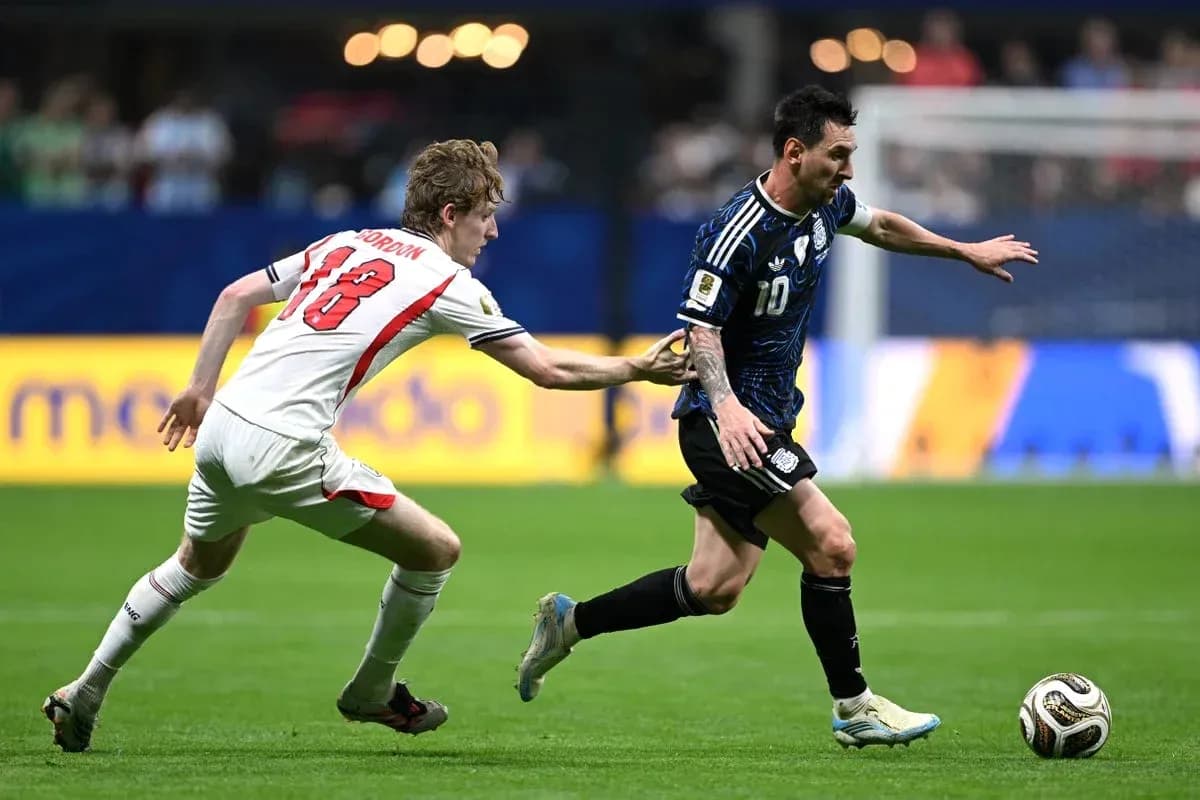
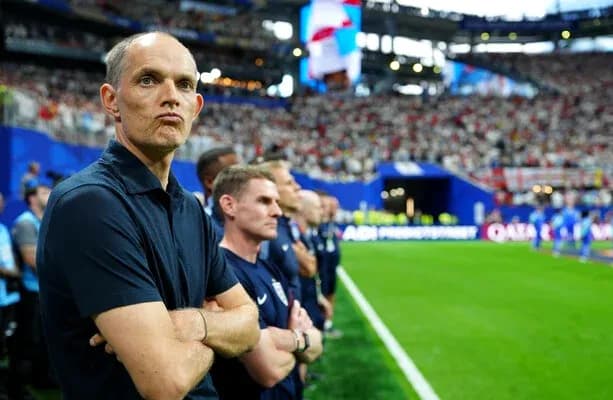
On the touchline, Thomas Tuchel had lived the collapse in a different way. England led through Anthony Gordon and looked, briefly, to have one foot in the final. Then came the turn. Not from Argentina, but from the dugout.
Tuchel chose to shut the game down, switching to a back five. The intention was control. The result was the opposite.
“We decided to go to a back five because the gaps were far too open,” he explained afterwards. “Argentina played with more risk, played with more rhythm and played with the feeling maybe that they had nothing to lose any more, which freed them up and pulled us back.”
The shift changed the mood of the match. Argentina surged forward with a kind of liberation, while England retreated into themselves.
“Because we obviously played suddenly with a feeling that we had a lot to lose,” Tuchel said. “Of course the responsibility is on the coach and if it doesn’t go well it’s easy to say it was wrong.”
He did not hide. The substitutions, the tactical retreat, the loss of initiative – all of it sat with him. England, once proactive, became passive, and Argentina needed no second invitation.
Future secured, questions lingering
The inquest will run for weeks, but Tuchel’s job is not on the line. Inside the FA, there is no appetite for upheaval. Chief executive Mark Bullingham has given his full backing to the former Chelsea and Bayern Munich coach, and the plan remains unchanged: Tuchel will lead England into the home European Championships in 2028.
The German made his stance clear.
“We keep on going with the contract until the home Euros,” he said, leaving no room for speculation about a resignation in the heat of defeat.
So the project continues. The ideas, the structure, the belief that this is a group close to breaking the ceiling. Yet that conviction now has to coexist with another brutal near-miss on the biggest stage.
A hollow consolation
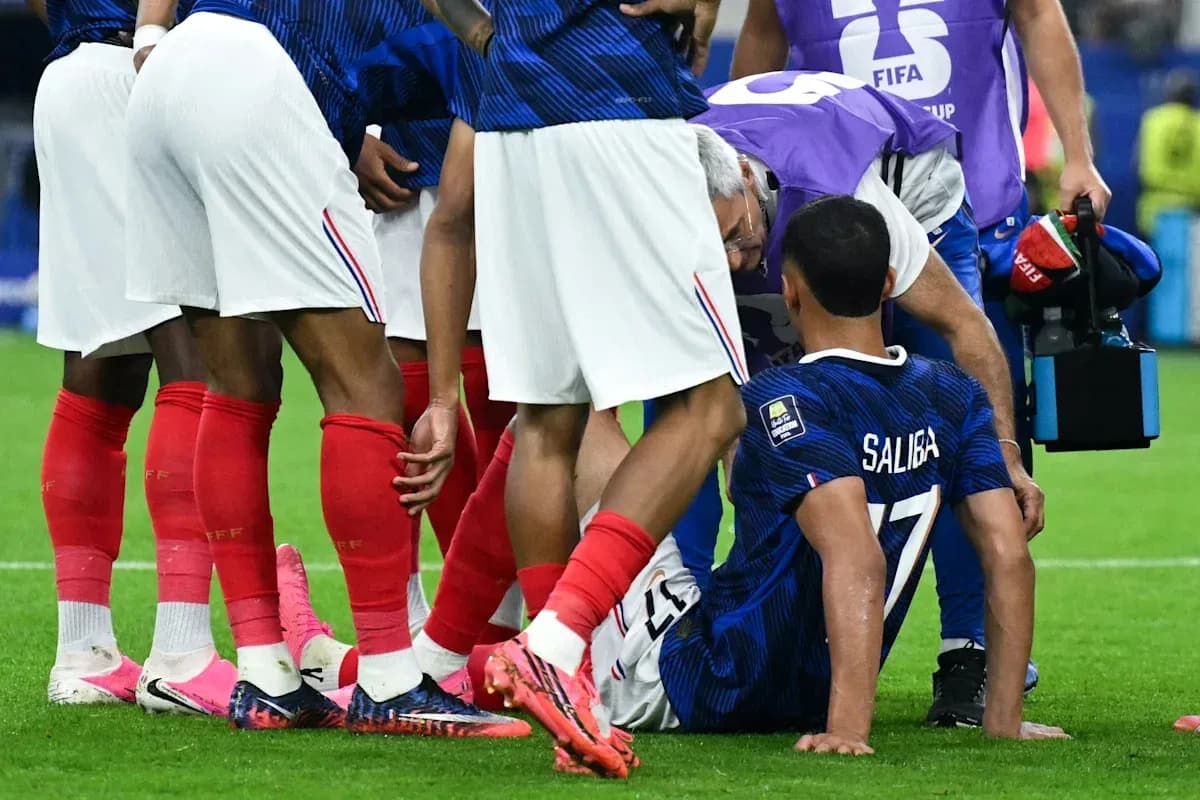
Next comes France in a third-place play-off that nobody in an England shirt truly wants. A bronze medal would be the country’s best World Cup finish in 60 years, a statistical high point that can’t disguise the sense of loss.
For Bellingham and his teammates, the game will feel like an obligation, not a prize. The real target has gone. The dream is on hold again.
The wounds from this semi-final will not heal quickly. They join a growing catalogue of almosts and what-ifs for this generation. Yet in two years’ time, England will host a European Championship with the same core of players, the same coach, and the same expectations.
The question now is simple and unforgiving: how many more times can this group come back before one of these nights finally belongs to them?