France vs England: A Clash for World Cup Bronze
By the time a World Cup reaches its final weekend, nobody grows up dreaming of this game. The third-place playoff is the match that lurks in the shadows of the showpiece, the consolation prize that feels like a punishment.
Yet put France and England on the same pitch, medals on the line, and the mood changes. Pride sharpens. Old scars reopen. Careers, and in one case an era, get their last chapter.
Deschamps’ Last Stand
For Didier Deschamps, Saturday is not the occasion he imagined. At kick-off of that semi-final against Spain, he stood one match away from a third World Cup final as a coach. At full-time, he stood in front of the cameras, his tactical plan shredded and his authority openly questioned.
Spain did not just beat France 2-0 in Dallas. They dismantled the aura. Deschamps had leaned into the narrative, calling La Roja the “favourites” before the game, a view echoed across Europe. Luis de la Fuente’s side then played like it, channelling the confidence of their Euro 2024 and Nations League victories over the French and walking straight through the gauntlet Deschamps had laid down.
Mikel Oyarzabal’s precise penalty and a crisp finish from Pedro Porro – a genuine player-of-the-tournament contender – were the visible blows. The deeper damage lay in what France failed to do. With Kylian Mbappe and a cast of attacking talent on the field, Les Bleus mustered just 0.31 Expected Goals. The defence-vs-attack narrative never materialised; Spain’s back line won it at a canter.
On the night Deschamps set the record for most World Cup matches managed, his legacy did not crumble, but his game plan did. Inside and outside the camp, the verdict was brutal: he had got it wrong. Mbappe himself criticised the tactical approach almost immediately, a rare and telling public rebuke.
So this is how it ends. A World Cup winner as player and coach, a man who reshaped French football’s modern identity, finishing his tenure in the match no great manager ever wants to prepare for. Still, there is history to chase. France have taken bronze twice from three previous attempts – beating Belgium 4-2 in 1986 and West Germany 6-3 in 1958, when Just Fontaine scored four. Only in 1982, when they slipped to fourth behind Poland, did they fall at this final minor hurdle.
One more podium, then, before the curtain comes down.
Tuchel Under Fire
If Deschamps walks towards the exit with his reputation dented but decorated, Thomas Tuchel arrives in Charlotte under a very different glare.
England’s semi-final defeat to Argentina in Atlanta reopened a familiar wound. The performance carried echoes of 2018: a bright start, a lead taken, and then a slow, suffocating retreat into their shell against an elite opponent.
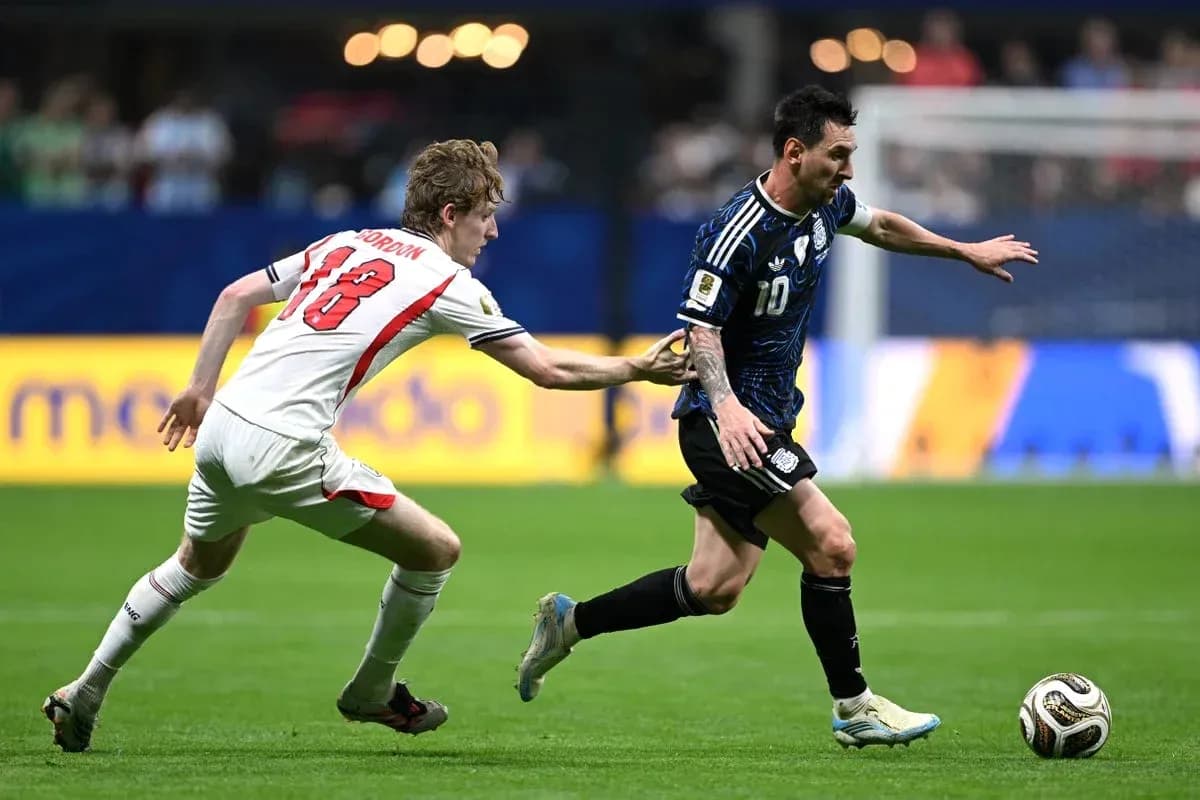
Tuchel’s side struck first. They refused to be dragged into Argentina’s gamesmanship and instead went wide, exploiting space and landing a clean blow through Anthony Gordon. It was smart, incisive football.
Then they tried to shut the door.
Against Lionel Messi, that is an invitation, not a strategy. The eight-time Ballon d’Or winner dictated the comeback, threading assists for Enzo Fernandez and Lautaro Martinez as the champions turned the match around and kept their dream of back-to-back titles alive. England, once again, left to pick through the wreckage of a major-tournament near-miss.
The numbers are damning. England have now lost all seven of their World Cup knockout ties against teams ranked inside the world’s top 10. They also own the only two instances this century of a side leading a men’s World Cup semi-final and still going out – Croatia in 2018, Argentina in 2026.
Against that backdrop, the FA’s decision to extend Tuchel’s contract is under scrutiny. The optimism that swelled before the semi-final drained away in 90 minutes. On Wednesday night, the German became public enemy number one among large sections of the fanbase.
Yet even in this bleak light, a sliver of opportunity remains. Third place would be England’s second-best World Cup finish, behind only 1966. Their previous two bronze attempts ended in defeat – 2-1 to Italy in 1990, 2-0 to Belgium in 2018. It is not the prize they wanted, but it is a chance to leave with something more than regret.
The problem? France. England have beaten them just once in their last nine meetings and saw their 2022 World Cup run ended by Deschamps’s then-holders in the quarter-finals. Bronze may be on offer, but the route to it is anything but straightforward.
Battered Defences, Big Decisions
The semi-finals did not just bruise egos. They damaged bodies.
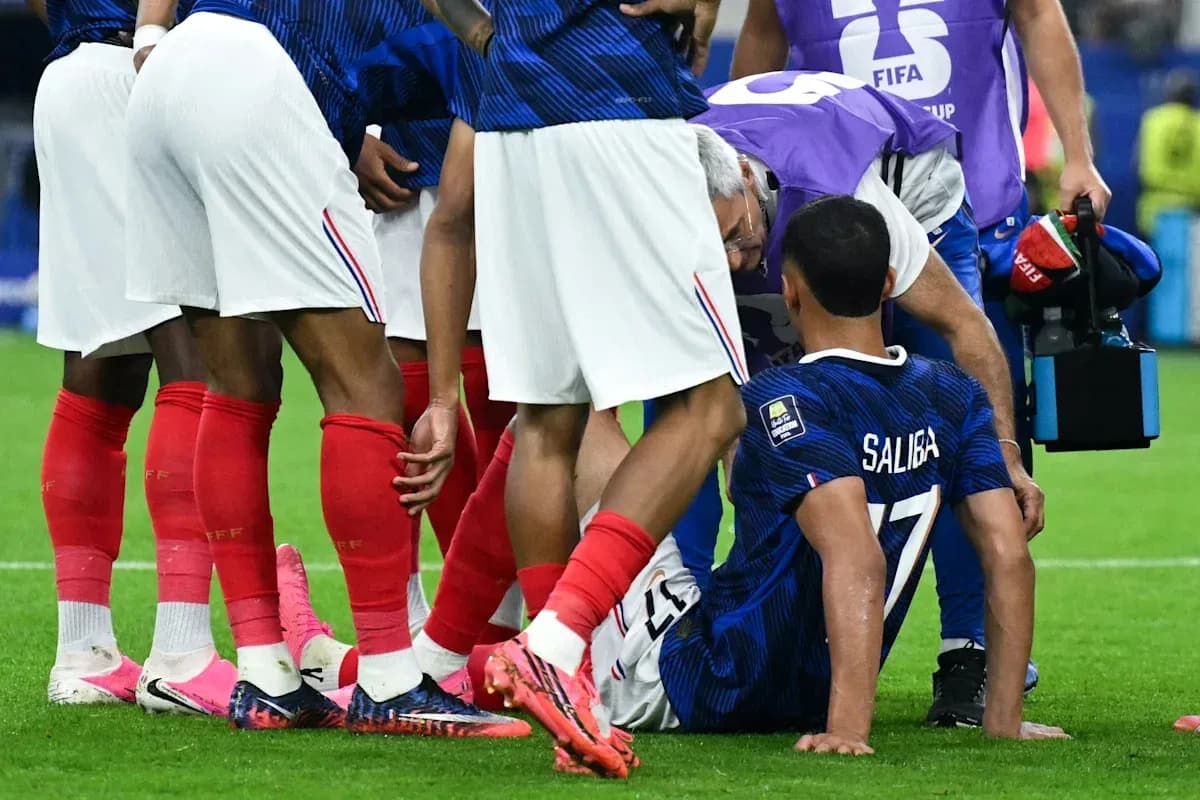
For France, the sight of William Saliba hobbling off against Spain was as alarming in north London as it was in Paris. “My back is gone, my back is gone,” the defender reportedly said, a chilling echo of his long-standing issue. No official diagnosis has been released, but his involvement on Saturday is virtually impossible.
Maxence Lacroix, who replaced him in Arlington, now waits for his chance from the start. Deschamps initially turned to the Crystal Palace man ahead of Ibrahima Konate, citing the Liverpool defender’s dip in form and discomfort on the left side of central defence. With Saliba out, that calculation shifts again. Konate could yet come in for Dayot Upamecano as Deschamps tweaks his final XI one last time.
There was another scare in training when backup goalkeeper Brice Samba picked up a knock, but Mike Maignan’s place is not under threat. The hierarchy in goal will not change now.
On the other side, Tuchel has his own defensive headache. Reece James, whose relationship with injuries has become a cruel saga, limped off against Argentina with what looked like another muscular problem, just a week after returning from a hamstring issue. His World Cup is over.
Jarell Quansah is back from a two-game suspension and offers one solution, but the likelier shuffle sees Djed Spence – one of England’s standout performers of the tournament – switch flanks, with Nico O’Reilly returning to the left of the back four. Jordan Henderson remains out with a wrist problem, though otherwise Tuchel has a full squad and every incentive to go strong.
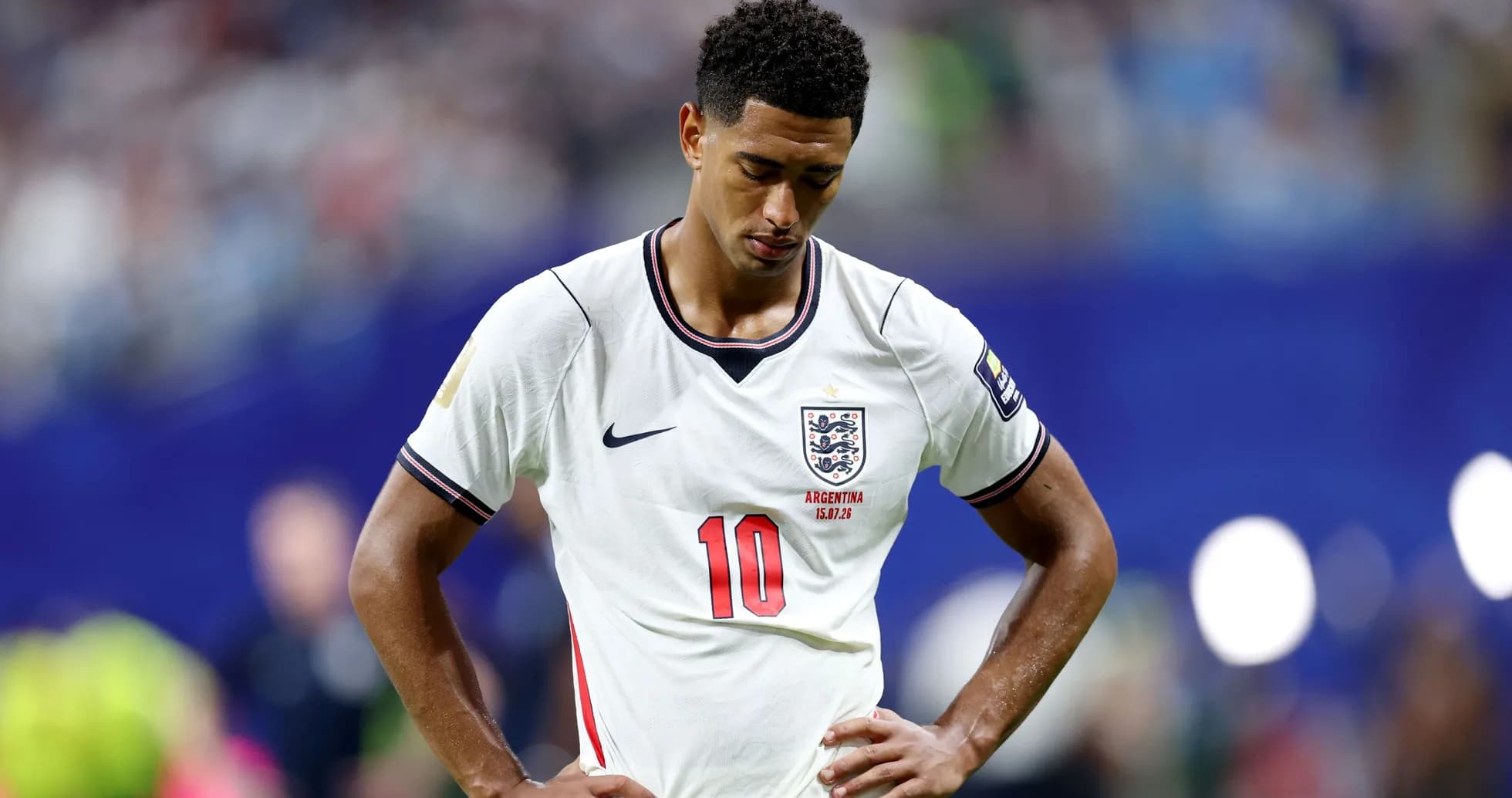
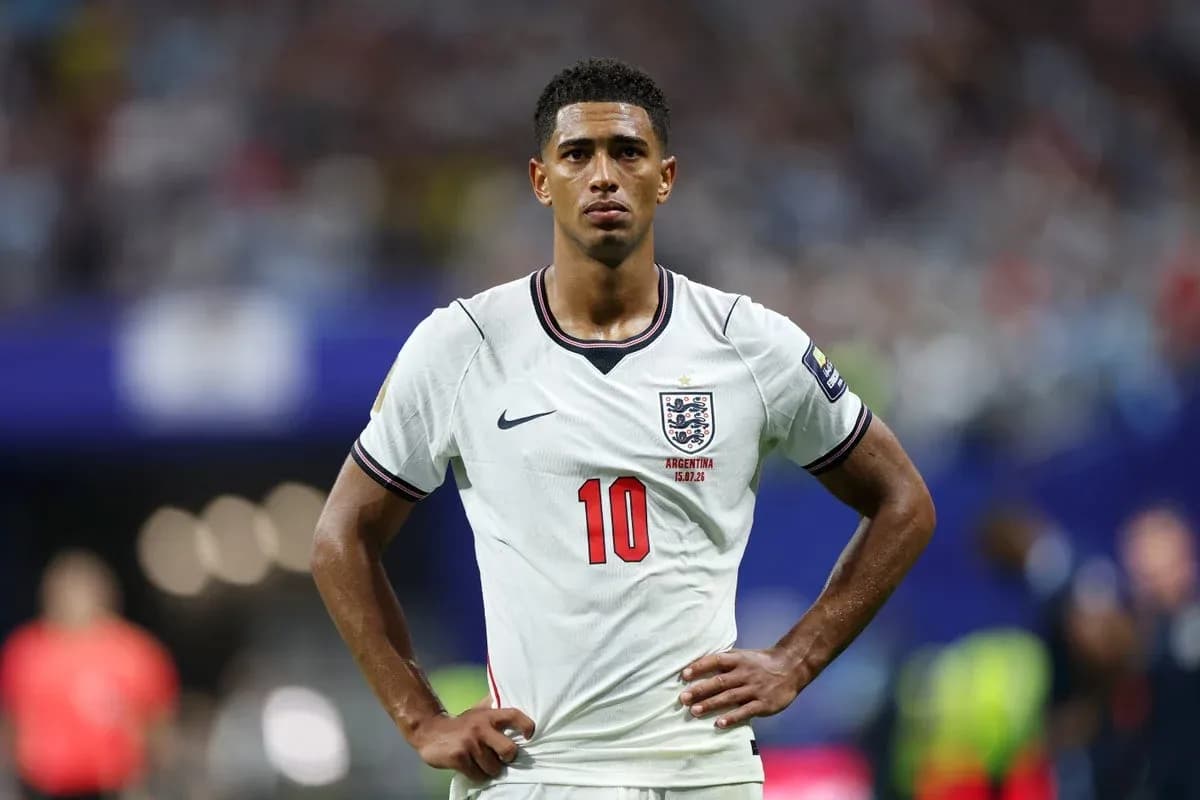
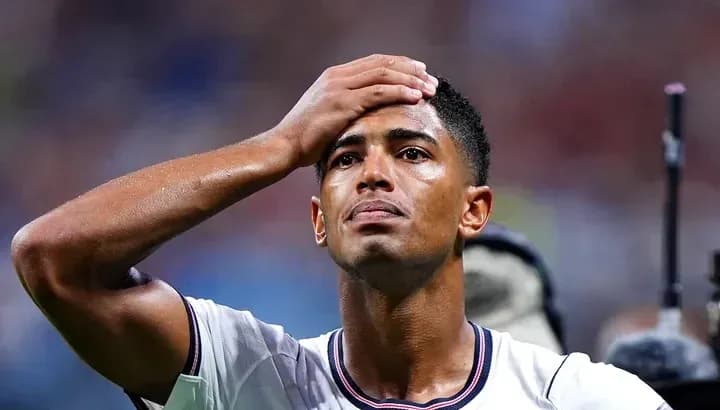
There is one cloud hanging over Jude Bellingham. Cameras caught the midfielder slapping the back of Valentin Barco’s head during Argentina’s post-match celebrations, an incident that could yet bring disciplinary action. For now, he is available, and England will cling to that. In matches like this, his energy and edge often tilt the mood.
Likely Line-Ups, Likely Intent
Deschamps is expected to lean into what he knows, with just enough change to freshen bruised legs and minds:
France possible XI
Maignan; Kounde, Konate, Lacroix, T. Hernandez; Kone, Zaire-Emery; Cherki, Olise, Doue; Mbappe
That set-up hints at something more expressive. Rayan Cherki and Michael Olise between the lines, Desire Doue driving from deep, Mbappe roaming where he pleases. One last attempt at the fluid, ruthless France that never quite appeared in this tournament.
Tuchel, for his part, is unlikely to rotate heavily. A bronze medal, however hollow it may feel, is still a line in the record books:
England possible XI
Pickford; Spence, Konsa, Guehi, O’Reilly; Rice, Anderson; Rogers, Bellingham, Gordon; Kane
Declan Rice and Curtis Anderson to anchor, Bellingham to link and provoke, Gordon and Morgan Rogers to stretch the game either side of Harry Kane. It is a team built to attack, but the question is whether they will keep doing so once they land the first punch.
Edge to France
Spain have shown the world how to choke the French attack, but England are not Spain. Not in control, not in defensive structure, and not in their World Cup form. Tuchel’s side have yet to keep a clean sheet in the knockout rounds, and that fragility tends to surface against the sharpest opponents.
France also carry a small but real advantage: an extra day’s rest, physically and mentally. After the emotional and tactical mauling against Spain, Deschamps has had more time to reset than Tuchel, who must lift a group still reeling from another lost semi-final.
Put it together and the balance tilts towards Les Bleus. Mbappe with space, a fresher midfield, a manager desperate to sign off with something tangible.
France to edge it, 2-1.
For Deschamps, that would mean one last medal and a final walk down the tunnel as a World Cup winner, even if only in bronze. For England, it would mean another long summer of asking the same question: how close is this generation to actually breaking through – and how many more chances will they get?