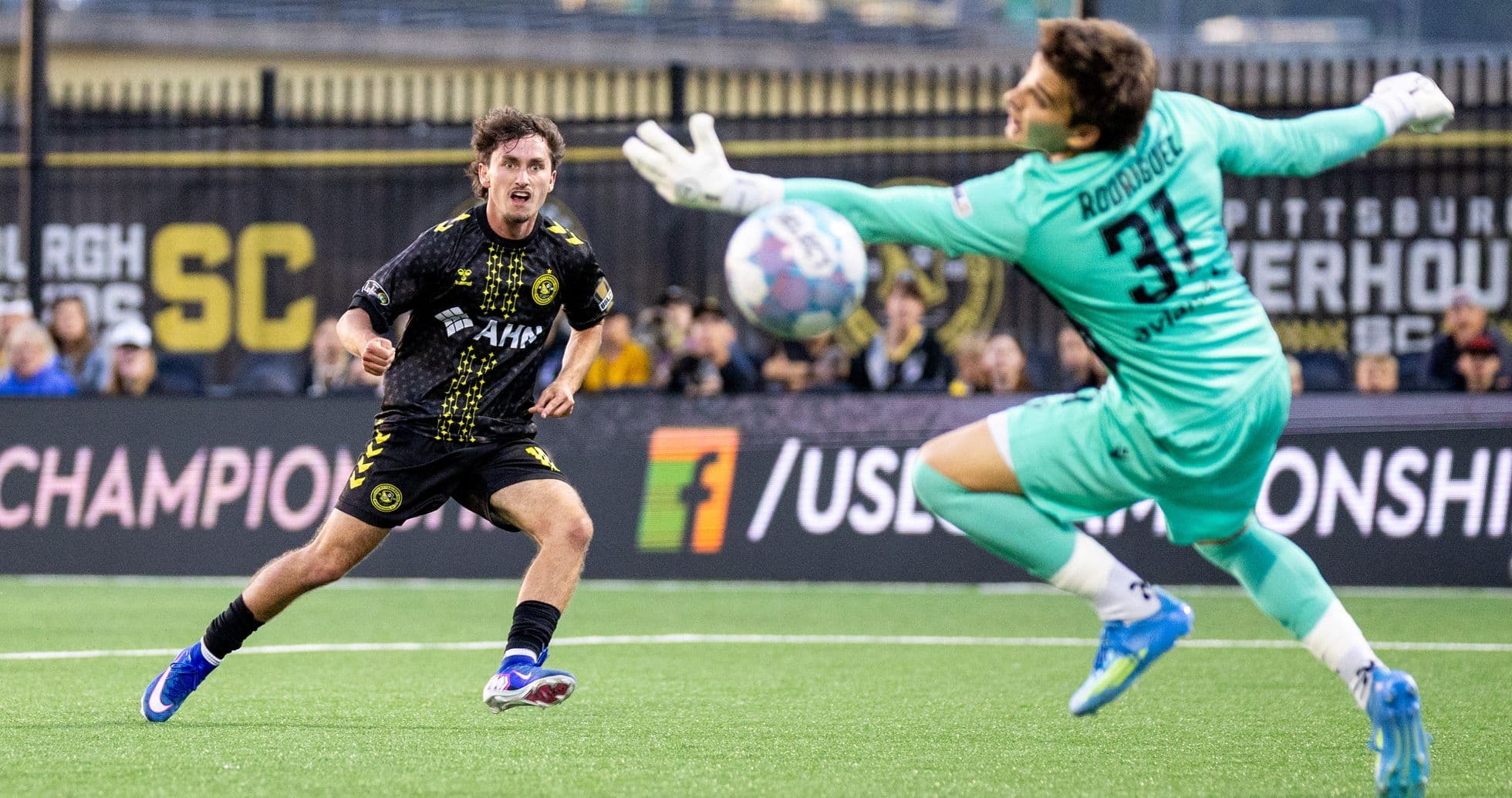

Phoenix Rising Dominates Sacramento Republic in USL Championship Clash
Under the desert lights of Wild Horse Pass Stadium, Phoenix Rising’s 2–0 win over Sacramento Republic felt less like a one-off result and more like a crystallisation of each side’s seasonal identity in the USL Championship group stage.
Heading into this game, Phoenix were a top-four side in USL 1, sitting 4th with 16 points from 11 matches, built on a positive goal difference of 3 (15 scored, 12 conceded overall). At home they had been quietly ruthless: unbeaten across 5 league fixtures with 2 wins and 3 draws, scoring 9 and conceding only 4. Sacramento, by contrast, arrived as a paradoxical contender: 9th with 13 points from 10 games, strong at home but strangely muted on their travels. On their travels they had yet to win in 5 attempts, drawing 3 and losing 2, with just 3 away goals scored and 6 conceded.
This match, finished in regular time under referee J. Griggs, ended 2–0 by half-time and stayed that way, underlining Phoenix’s habit of building a platform early at home and then managing the game through structure and control.
I. The Big Picture – Phoenix’s home fortress vs Sacramento’s away restraint
Phoenix’s season numbers sketch a side that thrives on measured aggression. Overall they average 1.4 goals for and 1.1 against per game, but at home that profile sharpens: 1.8 goals scored and only 0.8 conceded on average. Clean sheets are a regular feature, with 2 at home and 4 overall, and they have yet to lose on their own turf in the league.
Sacramento’s pattern is split by geography. At home they mirror Phoenix’s attacking output with 1.8 goals per match, but away that drops to 0.6, with their defensive line conceding 1.2 on average. Their overall goal difference of 1 (12 scored, 11 conceded in total) reflects a team that is competitive but rarely dominant, and the lack of an away win in 5 attempts framed this fixture as an uphill climb.
In that context, Phoenix’s 2–0 half-time and full-time scoreline felt almost archetypal: the home side imposing themselves early, then leaning on their defensive record to suffocate any hope of a comeback.
II. Tactical Voids and Disciplinary Undercurrents
There was no explicit injury or suspension list provided, so the tactical voids are inferred from how the squads were constructed. Phoenix’s starting XI, with P. Rakovsky in goal and a spine that included C. Smith, P. Mar Boye, JP Scearce and L. Biasi, suggested a back line built for aerial dominance and first-contact wins. Ahead of them, the presence of G. Rivera, J. Moursou, I. Sacko, D. Gomez, H. Avayevu and G. Studenhofft pointed to a fluid attacking band capable of interchanging roles rather than a rigid 9-and-10 structure.
On the bench, coach Pa-Modou Kah had a full complement of options: C. Odunze as the reserve goalkeeper, plus outfield alternatives like D. Rivera, D. Flores, C. Dennis, J. Ping, A. Vukovic, N. Cross and J. Gaydon. It is a bench that offers both vertical running and defensive reinforcement, ideal for protecting a lead.
Sacramento’s XI under Neill Collins was similarly balanced on paper: D. Vitiello in goal behind a defensive unit of J. Gurr, A. Essel, L. Desmond and M. Benitez; a midfield axis of M. Kaye and D. Crisostomo; and an attacking line featuring A. Rodriguez, T. Wolff, M. Malango and F. Ajago. The substitutes – J. Moya, M. Rodriguez, J. Casas, K. Edwards, D. Wanner, R. Spaulding, J. Timmer and C. Ukaegbu – gave Collins the tools to adjust between more direct play and controlled possession.
Disciplinary trends shaped the risk landscape. Heading into this game, Phoenix’s yellow-card timing showed a pronounced spike between 46–60 minutes, where 36.11% of their cautions were picked up, and a late-game surge between 76–90 minutes (25.00%). Their red-card record was concentrated entirely in the 31–45-minute window (100.00% of their reds), hinting at a team that can occasionally overstep as the first half becomes stretched.
Sacramento’s yellows were more evenly spread but still peaked late: 23.08% between 31–45 minutes and another 23.08% between 76–90. With no reds recorded, they profile as combative but controlled. In a two-goal game like this, that pattern likely translated into Phoenix playing on the edge during transitional phases, while Sacramento’s frustration grew as they chased the deficit.
III. Key Matchups – Hunter vs Shield, Engine Room vs Enforcer
Without individual scoring charts, the “Hunter vs Shield” battle here becomes collective: Phoenix’s home attack against Sacramento’s away defence. Phoenix came into the fixture averaging 1.8 goals at home; Sacramento’s away defence conceded 1.2. The 2–0 outcome sits slightly above Sacramento’s usual away concession rate and right on Phoenix’s attacking mean, suggesting that the home side imposed their usual rhythm while the visitors failed to drag the game down to their preferred low-event profile on the road.
In midfield, the “Engine Room” duel was defined by Phoenix’s creative cluster – players like D. Gomez and H. Avayevu – against Sacramento’s enforcers M. Kaye and D. Crisostomo. Phoenix’s season-long ability to avoid home defeats and to never fail to score at home (0 failed-to-score games at home, 2 overall both coming away) speaks to a midfield that reliably progresses the ball. Sacramento, with only 2 failed-to-score games overall and a solid defensive record, rely heavily on their central pair to control tempo and shield the back four.
The defensive block of C. Smith, P. Mar Boye, JP Scearce and L. Biasi in front of Rakovsky fits a unit comfortable protecting a lead. Phoenix’s 4 clean sheets overall, split evenly between home and away, underline that once they get in front, they rarely collapse.
IV. Statistical Prognosis – What this result signals
Following this result, the numbers and the narrative converge. Phoenix continue to look like a playoff-calibre side in USL 1: unbeaten at home, averaging 1.8 goals scored and 0.8 conceded at Wild Horse Pass Stadium, with a total goal difference of 3 (15 scored, 12 conceded overall) that is trending upward thanks to clean, controlled wins like this one. Their penalty record – 5 taken, 5 scored, 100.00% conversion with no misses – adds another layer of threat in tight games.
Sacramento, meanwhile, remain a puzzle of contrasts. Overall they are almost exactly balanced, with 12 goals for and 11 against, but the away split – 3 scored and 6 conceded – is stark. Their clean-sheet count (3 overall, with only 1 on their travels) and away attacking average of 0.6 goals per game suggest that, structurally, they are built first not to lose. In Phoenix, that caution turned into passivity once they fell behind.
In xG terms, even without raw figures, the profiles are clear: Phoenix’s home shot volume and chance quality generally support their 1.8 home-goal average, while Sacramento’s away output points to low xG totals and a dependence on set pieces or isolated transitions. In a knockout-style environment like the “1/8-finals” playoff tier Phoenix are targeting, this kind of controlled, two-goal home win is exactly the template they will want to replicate. Sacramento, by contrast, must find a way to translate their home swagger into away conviction, or nights like this will keep defining their season.