
Oakland Roots vs Colorado Springs: Tactical Analysis and Match Insights
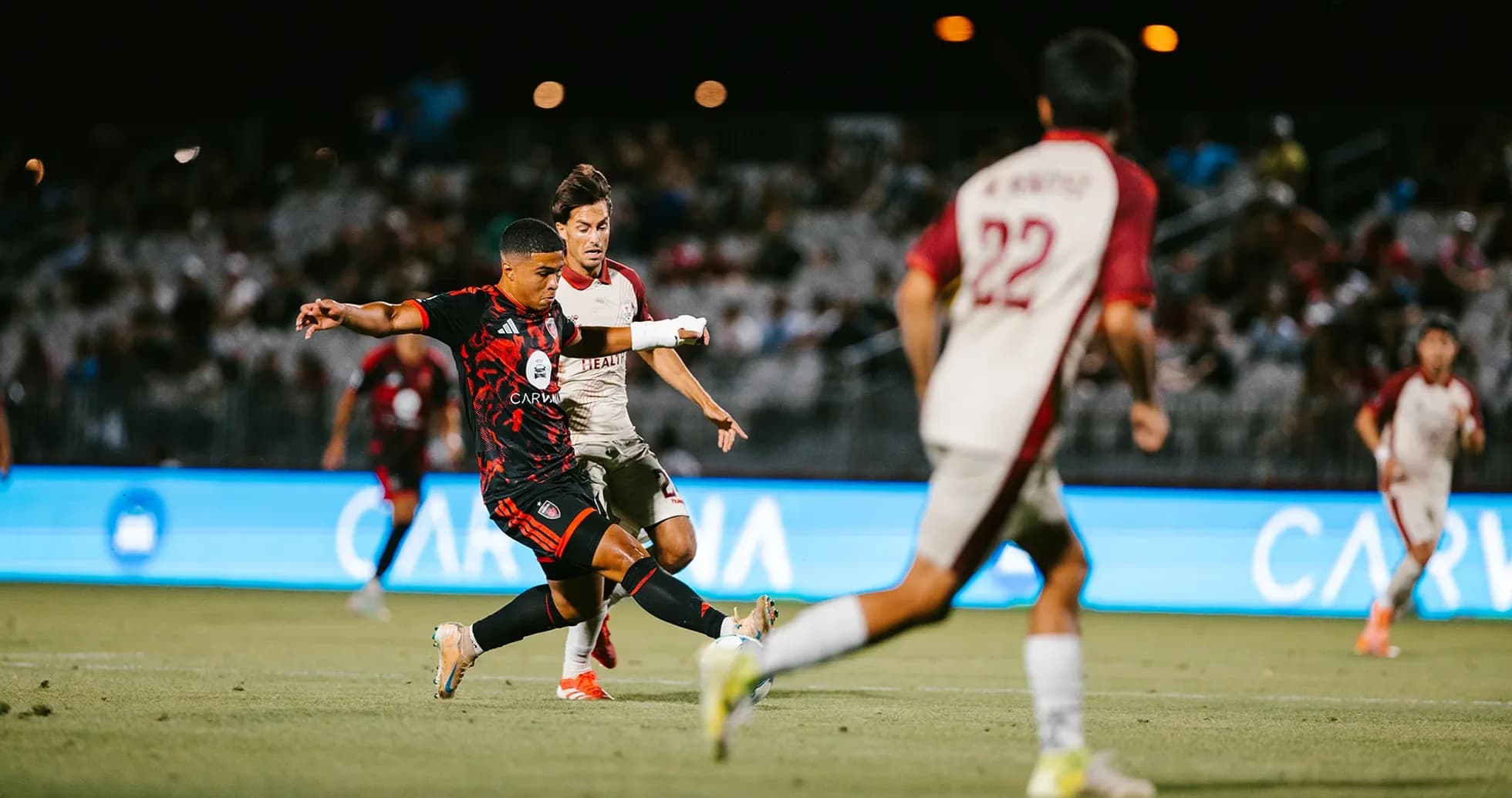
Under the lights at Laney College Football Stadium, Oakland Roots and Colorado Springs met in a USL Championship Group Stage clash that felt every bit like a playoff rehearsal. The league table framed it perfectly: heading into this game Oakland sat 5th in USL 1 on 16 points, with a goal difference of 2 after scoring 18 and conceding 16 overall. Colorado Springs arrived in 8th, on 13 points with a goal difference of 1 from 18 goals for and 17 against. Both sides are tracking toward the “Promotion – USL Championship (Play Offs: 1/8-finals)” zone, and this 0-1 away win for Colorado Springs sharpened the margins in that race.
Oakland’s seasonal profile is that of a balanced, occasionally volatile side. Overall they average 1.6 goals for and 1.5 goals against per match, with a notable split between home and away: at home they score 1.5 and concede 1.2 on average, away they open up to 1.8 scored and 1.8 conceded. Colorado Springs are more expansive still, averaging 1.8 goals for and 1.7 against overall. At home they are prolific at 2.5 goals per match, while on their travels they still manage 1.3 scored but leak 1.8.
In that context, a tight 0-1 makes tactical sense: Oakland have failed to score at home in 2 matches this season, and Colorado Springs have kept a single away clean sheet; this fixture became that rare road shutout, a statement of defensive resilience layered onto their attacking identity.
Tactical Voids and Discipline
There were no officially listed absentees in the data, so both coaches appeared to have close to full decks. Ryan Martin’s Oakland side has quietly carried a disciplinary edge all season. Their yellow cards cluster late: 25.00% of their cautions arrive between 61-75 minutes, another 25.00% between 91-105, and 18.75% from 76-90. That profile hints at a team that tends to chase games or defend leads with increasing desperation as the clock ticks, often walking the disciplinary tightrope. Red cards are even more telling: 50.00% of their reds come between 46-60 and another 50.00% between 91-105, pointing to flashpoints right after half-time and deep into added time.
Colorado Springs, by contrast, are persistently combative but more controlled. Their yellows are spread more evenly: 12.50% in each of the 0-15, 16-30, 31-45, and 76-90 windows, with a pronounced spike of 25.00% between 46-60 and a late surge of 18.75% in 91-105. They have no reds recorded. This is a side that ramps up aggression after the interval but generally stays the right side of the line.
In a match decided by a single goal, that contrast matters. Oakland’s propensity to accumulate cards late can disrupt their structure just when they need clarity in possession; Colorado Springs’ controlled aggression allows them to protect narrow leads without imploding. Following this result, the away side’s disciplinary profile again underpins a gritty, road-warrior performance.
Key Matchups
Hunter vs Shield
Oakland at home had been a steady attacking outfit: 9 goals in 6 matches at Laney, at 1.5 per game. The frontline built around P. Wilson’s presence at shirt 9, with wide and creative support from W. Prentice and F. Bettache, usually gives them enough punch. Behind that trio, the likes of T. Gibson and T. McCabe can step into higher pockets, adding secondary waves of pressure.
The Shield, though, belonged to Colorado Springs. On their travels they had conceded 11 in 6, at 1.8 per match, but this back line – C. Shutler in goal, shielded by P. Burner, T. Maples, G. Metusala and A. Rocha – produced one of their most composed away defensive displays. Shutler’s presence and command are central: with Colorado Springs having only 1 away clean sheet this season heading into this game, his ability to marshal the box and manage crosses and second balls was decisive.
Oakland’s seasonal attacking DNA is that of a side that rarely explodes but consistently threatens: their biggest home win is 4-2, and overall they have failed to score only 2 times all season. Colorado Springs therefore had to solve a puzzle they do not often crack away from home: to bend without breaking. The 0-1 suggests that the visitors’ defensive line held firm in the key duels with Wilson, while the wide defenders, particularly Burner and Rocha, managed to limit service into the box and isolate Prentice and de Vicente.
The Engine Room
In midfield, this match was always going to be decided by who could impose rhythm. For Oakland, the central triangle of McCabe, Gibson and Bettache carries both the passing range and the bite. Bettache’s technical craft between the lines is designed to connect midfield to Wilson, while McCabe’s shirt 4 role gives the structure and screening.
Colorado Springs countered with a mobile and industrious core: S. Williams as the enforcer, with T. Magee and Y. Hanya providing vertical thrust. Williams, wearing 6, is the pivot around which their defensive shape turns, while Hanya’s energy can drag opponents into uncomfortable pressing traps. The presence of B. Creek and S. Masereka further ahead gives them the option to break lines quickly once possession is recovered.
In narrative terms, the engine room duel tilted toward Colorado Springs. Oakland’s season-long numbers show only 1 clean sheet overall and 2 home failures to score; they are a side that usually must outscore opponents rather than lock games down. Colorado Springs, despite conceding 1.8 away, have a platform that can become stubborn when the midfield screen wins its duels. That appears to be what unfolded here: the visitors’ central block suffocated Oakland’s attempts to progress, forcing more hopeful balls toward Wilson and reducing Bettache’s influence between lines.
Statistical Prognosis and Tactical Verdict
If we project this match through the lens of season-long metrics and expected goals tendencies, a narrow outcome always looked likely. Oakland’s overall profile – 1.6 scored vs 1.5 conceded, goal difference 2 – suggests they live on fine margins. Colorado Springs, at 1.8 for and 1.7 against, are similarly knife-edge but with a slightly more expansive tilt.
Heading into this game, Oakland’s home record of 3 wins, 1 draw and 2 defeats, combined with 9 goals for and 7 against, painted them as marginal home favorites. Yet Colorado Springs’ ability to score in every away match except 2, and their perfect 100.00% record from 5 penalties overall, hinted that they would generate at least one high-quality chance. Even without explicit xG figures, the structural patterns were clear:
- Oakland’s lack of home clean sheets (0 at home, 1 overall) meant conceding felt almost inevitable.
- Colorado Springs’ away defensive average of 1.8 goals against left them vulnerable, but Oakland’s occasional bluntness at home (2 failures to score) kept the door open for an away smash-and-grab.
Following this result, the story is of an away side that finally aligned its attacking threat with a rare, disciplined defensive performance on the road. The 0-1 scoreline fits a match where Colorado Springs likely converted one of a limited number of quality chances, then leaned on a compact block and a composed Shutler to see it out.
For Oakland, the tactical takeaway is stark: a side built on balanced numbers but fragile defensive foundations cannot afford off-nights in the final third. Their late-game disciplinary spikes and inability to find a breakthrough against a typically porous away defense underline a need to refine their attacking patterns, particularly at home, if they are to turn their promotion-hopeful profile into a genuine playoff run.