World Cup Portraits: A Quiet Ritual of Football Stars
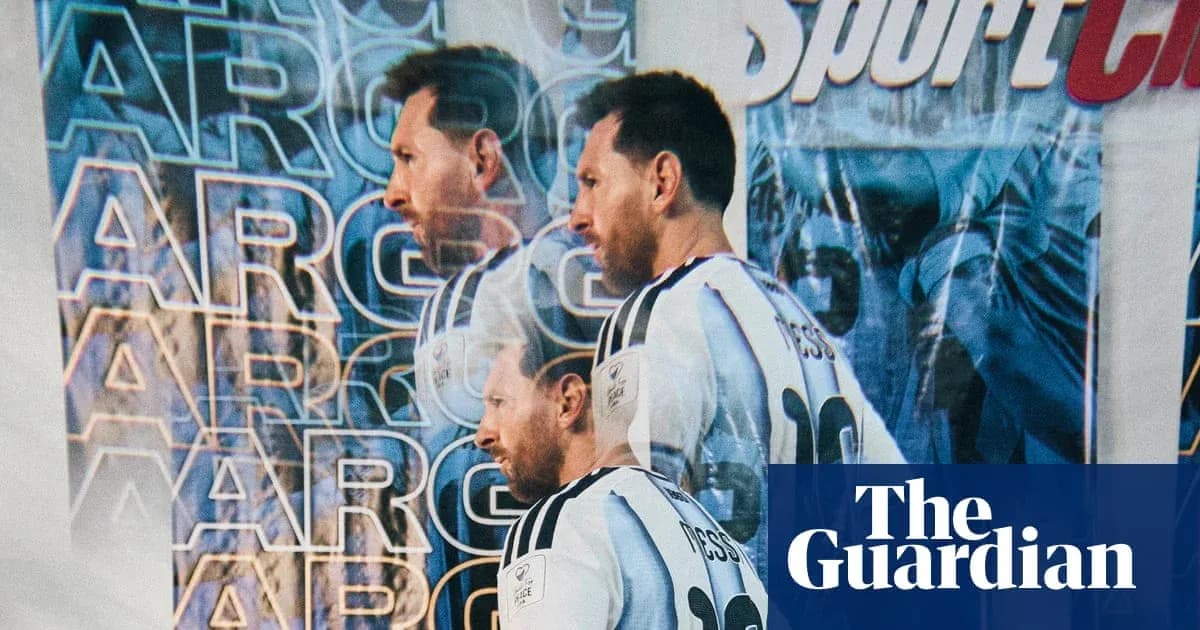
Lionel Messi doesn’t move. He stands bolt upright, shoulders square, eyes fixed, the kind of rigid stillness that makes the chaos of a World Cup feel a long way away.
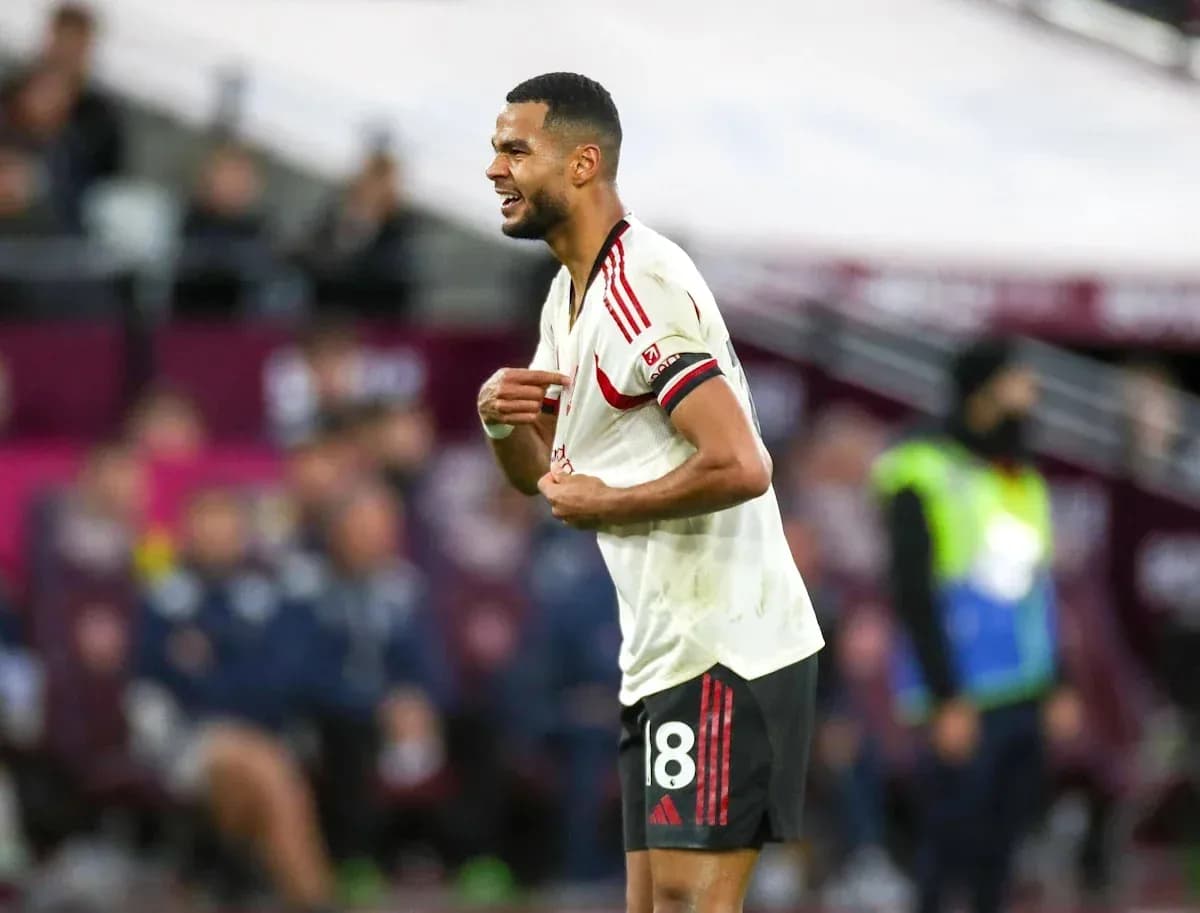
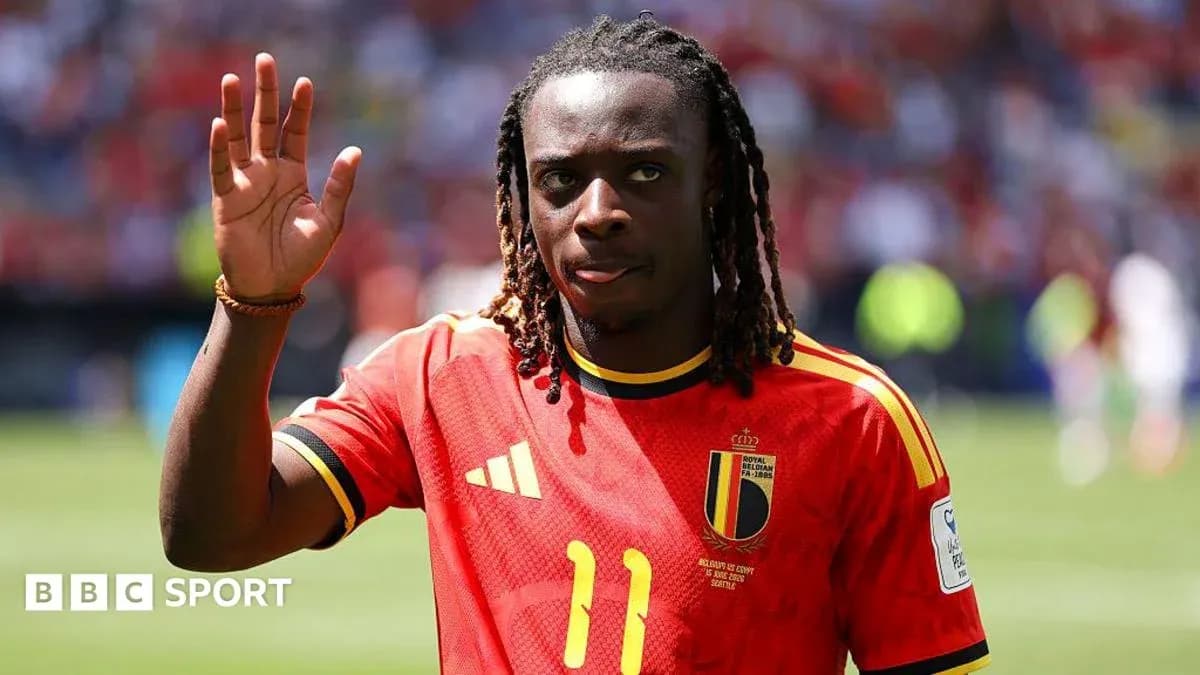
Marc Cucurella does the opposite. Hair flying, body loose, he looks as if someone has slipped music into his earpiece. Diego Moreira throws an arm across his face, revealing an unsettling tattoo. Harry Kane drops awkwardly on to one knee, caught somewhere between media duty and school photo.
Welcome to the World Cup’s quietest ritual: the official portraits.
There are 1,248 players and 48 managers at this tournament. Every one of them has filed through the same production line, into the same temporary studios, under the same unforgiving lights. No one escapes. Whether they arrive with a rehearsed celebration, a rehearsed stare or no idea what to do with their hands, the camera waits.
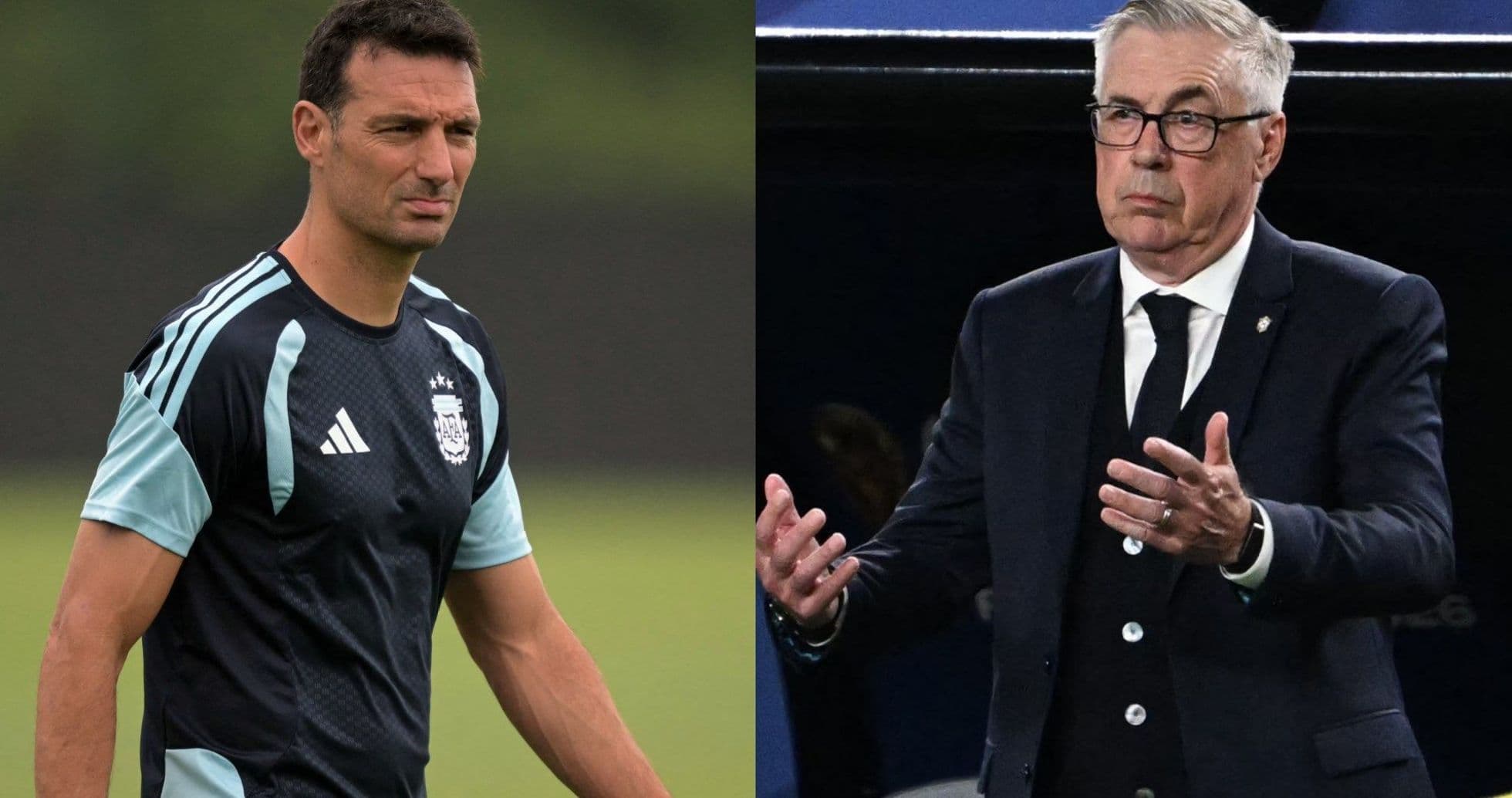
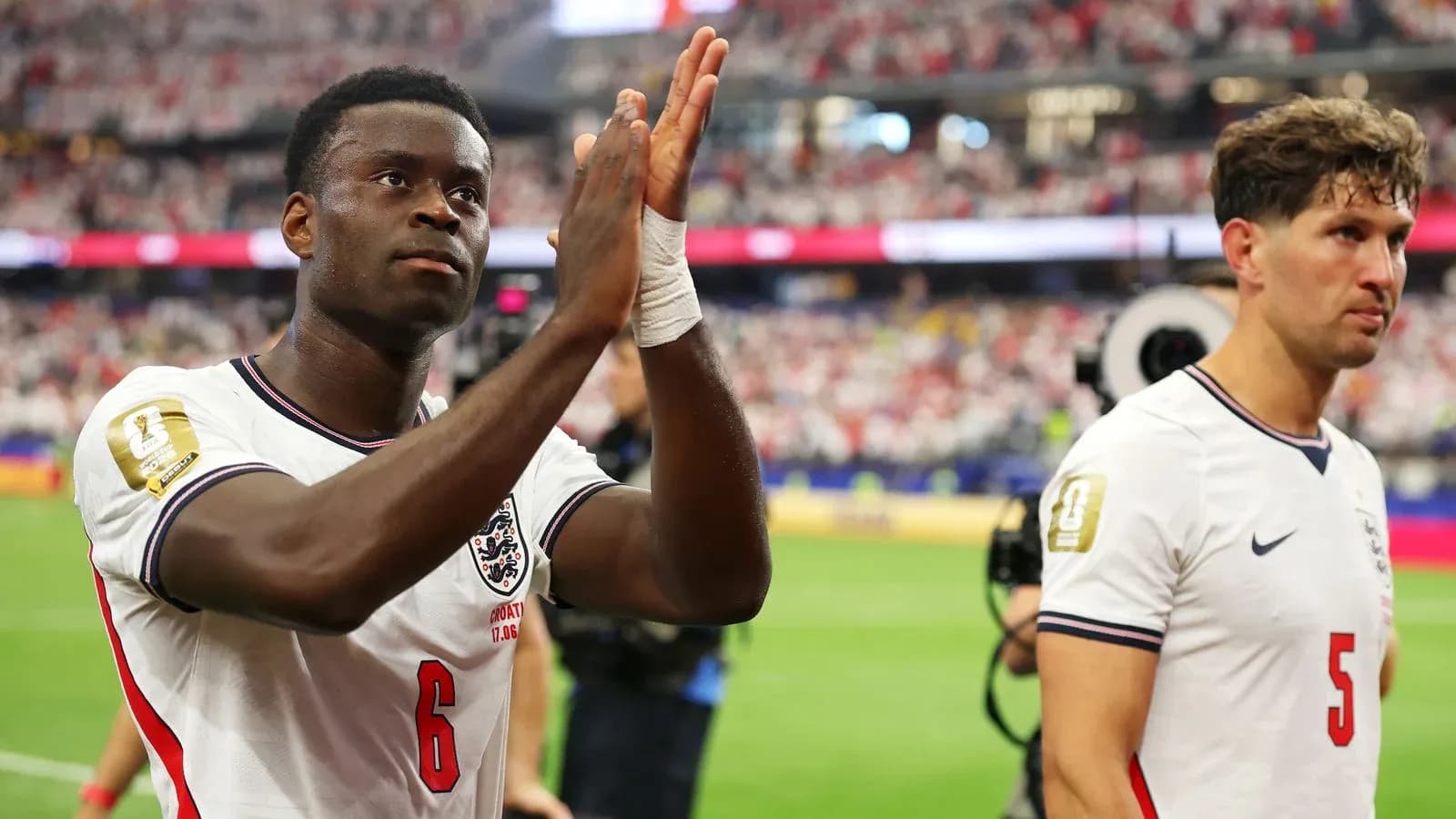
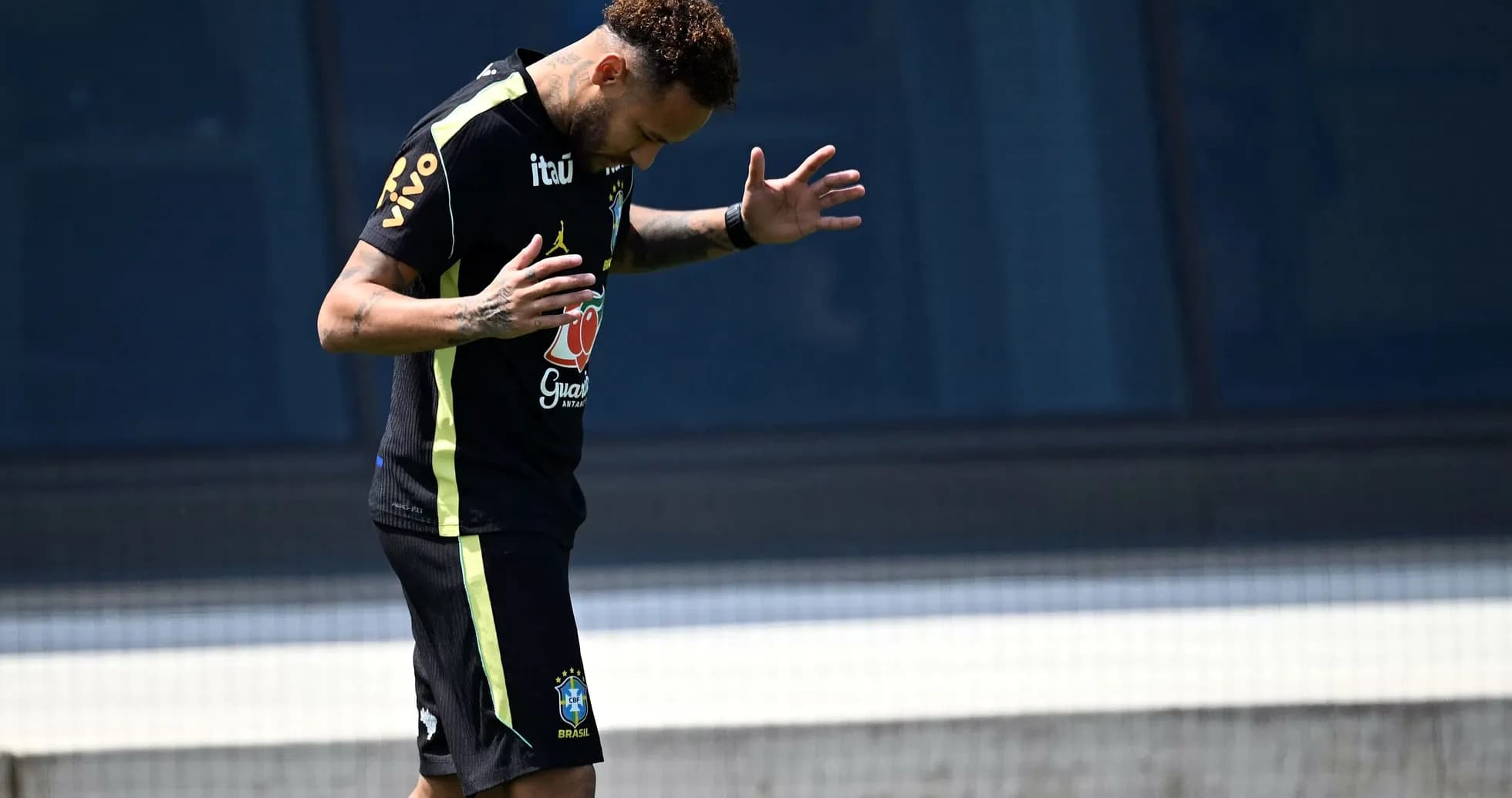
Shot by Getty Images on behalf of Fifa in recent weeks, the portraits form a strange parallel tournament. No tactics, no formations, just faces, poses and the image each footballer wants to beam out to the world.
Behind the scenes, the operation is relentless. Two photographers are assigned to each team. One set is plain, the other more distinctive, so players and coaches can be shuffled in and out with minimal fuss. It’s efficiency disguised as creativity.
The lighting is simple but ruthless: a big studio strobe with a softbox aimed at the torso, rim lights from behind to carve out shoulders and jawlines. No elaborate rigs, no cinematic tricks. Just clean light and very little time.
The backdrops are quieter than those used in Qatar in 2022, but the images feel anything but muted. Photographers lean on special lens filters that throw up streaks, flares and kaleidoscopic smears, bending colour and focus around the subject. That surreal shimmer around Messi is not Photoshop. It’s glass, light and a split-second choice.
Tom Jenkins, The Guardian’s veteran sports photographer, knows the drill. Photographing elite footballers is rarely easy; doing it when they’re queuing up outside the door is something else entirely.
You get only a few minutes with each player. Sometimes less. In that tiny window, you have to rattle through a list in your head: straight-on, profile, celebration, something loose, something serious. One frame for the media guide, another for the sponsors, another that might actually say something about who this person is.
The old-school shot still matters. Dead plain, like a school photo, shoulders forward, eyes to camera. That’s how portraits used to live: mugshots for team sheets and sticker albums. But the game has changed. Clubs want emotion. Players want personality. Social media wants everything.
Many of them arrive with poses already locked in. Goal celebrations, brand campaigns, adverts: they’ve done this before. Eberechi Eze has stood under the Burberry lights. Declan Rice has fronted L’Oréal. By the time they reach a World Cup set, they understand the power of a still image almost as well as they understand a passing lane.
Name cards sit ready for every player. Even Messi gets one, just in case someone in post-production has a momentary lapse and forgets the most recognisable footballer on the planet. Players shoot, then often wander over to the monitor, checking angles, hair, expression. Image control doesn’t stop at the pitch.
Modern footballers are acutely aware of how they look and where those pictures will end up. Instagram, club channels, sponsors’ feeds – a good portrait can travel as far as a 30-yard screamer.
That doesn’t mean they’re safe from mockery. England’s contingent discovered that the hard way. Rice drew jibes for obvious sunburn. Anthony Gordon was compared, mercilessly, to Princess Diana. Dean Henderson’s sidelong glare took on a life of its own online, unsettling enough to become a meme before he’d even kicked a ball.
Yet amid the teasing, something else comes through. The more inventive shots of Jude Bellingham and his team-mates show what can be done in camera when the set-up is right and the photographer is bold, even if the subject turns up tired, distracted or simply unimaginative. Sometimes the lens has more spark than the player.
And then there is Marcelo Bielsa.
The most talked-about portrait of this World Cup doesn’t feature a player at all, but Uruguay’s head coach. Shot by Michael Regan at the team’s base in Cancún, it looks almost like a protest.
Bielsa refuses the standard script. He doesn’t square up to the lens. He doesn’t offer the faintest hint of a media-friendly smile. Instead, he looks down at his feet, shoulders hunched, as if the whole process is an intrusion he has agreed to only under duress.
The frame is simple, almost stark, but it crackles with personality. This is a man who has built a career on doing things his own way, from tactical innovations to touchline obsessions. Of course he was never going to play model. “I’m not a model,” he later insisted, and the picture backs him up.
For Jenkins, that is exactly the point. The best portraits don’t flatter. They reveal. When a player or manager forgets, even briefly, that the image will be dissected, shared and memed, something real slips through.
In a World Cup that sells itself on spectacle – fireworks, anthems, choreographed walkouts – these quiet moments in front of a white or coloured backdrop tell a different story. For a few minutes, the superstar is pinned in place, nowhere to run, no teammates to hide behind.
The camera doesn’t care about reputation. It only cares about what you give it.