Indy Eleven Triumphs in Penalty Shootout Against Lexington in USL League One Cup
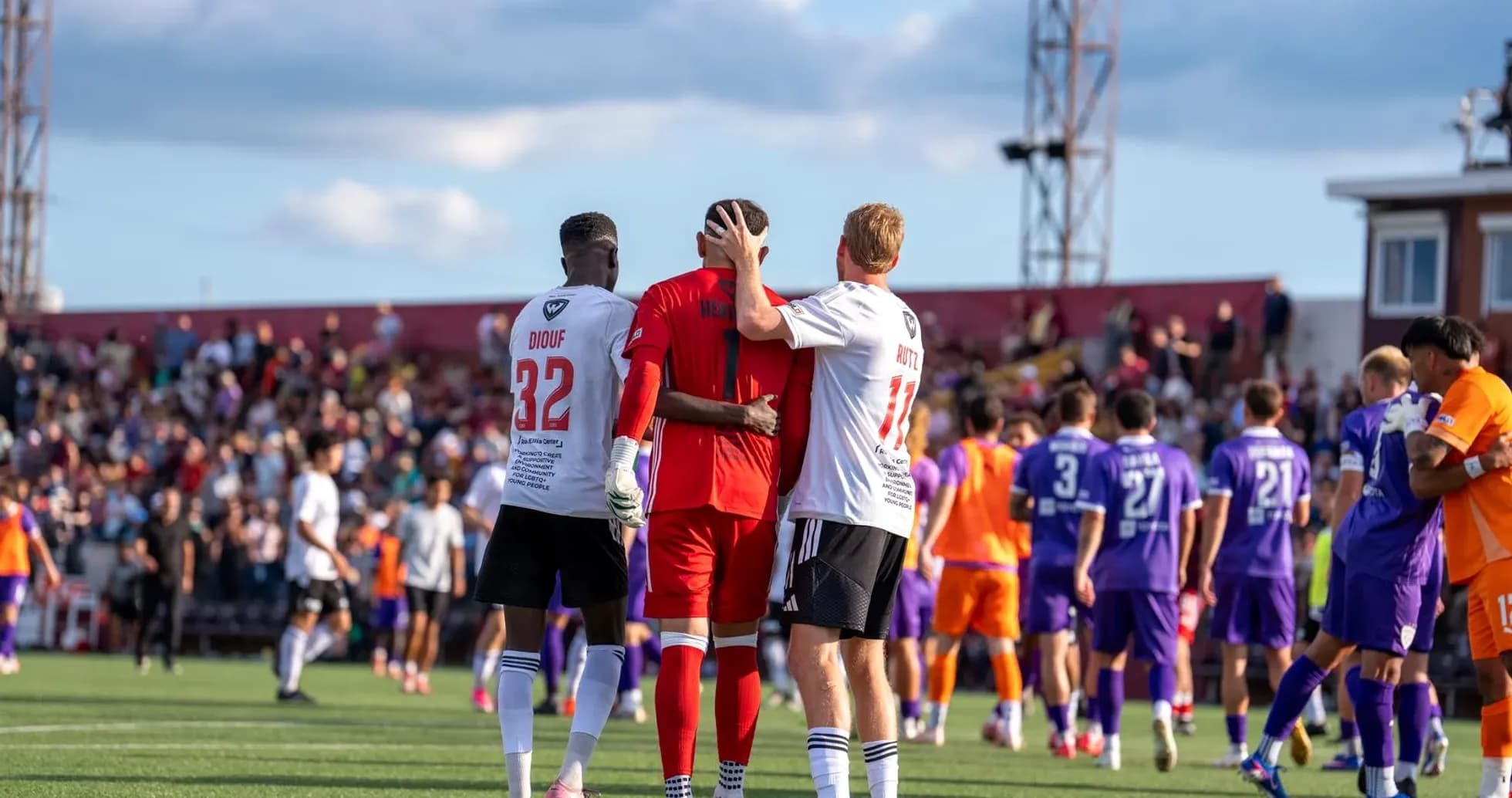
Toyota Stadium under floodlights, a group-stage tie in the USL League One Cup that refused to be decided in open play, and a penalty shootout that finally tilted 7–6 in favor of Indy Eleven. Following this result, a Lexington side that had attacked this competition with verve ran into their first real stalemate; Indy, more balanced and battle-tested over four matches, held their nerve from the spot.
I. The big picture – contrasting blueprints
Heading into this game, Lexington’s seasonal identity in the Cup was clear: high-risk, high-return football. Overall they had scored 6 goals and conceded 4 in 3 fixtures, with an attacking average of 2.0 goals per game both at home and on their travels. The flip side was a goals-against average of 1.5 at home and 1.0 away, underlining a side that opens the game up and lives with the consequences.
Indy Eleven arrived as a more measured machine. Across 4 Cup matches they had 7 goals for and 4 against, with a total goals-against average of 1.0 both at home and away. They were comfortable grinding: two clean sheets in four fixtures, and not a single match in which they failed to score. If Lexington’s Cup run had been a sprint, Indy’s looked more like a controlled march.
The goalless draw over 120 minutes, then, was an inversion of Lexington’s usual script and a confirmation of Indy’s. Lexington, third in their group table with a goal difference of 4 (8 scored, 4 conceded in that snapshot), had been used to outgunning opponents. Indy, fourth with a goal difference of 3 (8 scored, 5 conceded in that same table), were more familiar with tight margins. A 0–0 that turned into a 7–6 penalty epic was, in many ways, Indy’s kind of night.
II. Tactical voids and discipline – where the cracks might have appeared
There were no explicit absentees listed, so both coaches, Masaki Hemmi for Lexington and Sean McAuley for Indy Eleven, had close to full decks. That put the onus on structure and in-game adjustments rather than patchwork lineups.
Lexington’s season-long disciplinary pattern hinted at a combustible edge. Their yellow cards were spread across the match, but with a pronounced late-game surge: 22.22% of their yellows between 31–45 minutes, another 22.22% from 46–60, and a further 22.22% from 76–90. This is a team that tends to live on the edge in the final quarter of each half, precisely when legs tire and concentration wanes.
Indy’s bookings told a similar but slightly more front-loaded story: 22.22% of yellows between 16–30 minutes and 22.22% from 31–45, then another 22.22% between 61–75. They can start hot, pressing aggressively and taking risks to disrupt rhythm early.
The absence of any recorded red cards for either side in the Cup so far framed this as a contest of controlled aggression. Both teams push the line, but rarely cross it catastrophically. Over 120 minutes, that discipline mattered: no sending-off to tilt the tactical board, and the match stayed balanced enough to reach penalties.
III. Key matchups – Hunter vs Shield, Engine Room vs Enforcer
Without individual scoring charts for this competition, the “Hunter vs Shield” duel is better framed as unit vs unit.
Lexington’s attacking “hunter” was the front and second line built around M. Epps and B. P. Rodrigues, supported by the creative axes of Nick Firmino and M. Adedokun. With 2.0 goals per game overall heading into this tie, Lexington’s forward structure thrives when it can drag defenders into wide spaces and overload half-spaces. The presence of A. Molloy and B. Ferri behind them offered the passing range to feed those runs.
Indy’s “shield” was a collective: the back line anchored by M. Rasheed and P. Craig, flanked by L. Neidlinger and H. Barry, with the screening work of M. Omar and B. Rendon in front. Their season-long record of conceding just 1.0 goals per game away underscored a compact, well-drilled block. R. Charles-Cook, with a clean-sheet culture behind a team that already had two shutouts in four Cup matches, was the last line that Lexington could never quite solve.
In the engine room, the duel between Lexington’s central pair (Molloy and Ferri) and Indy’s midfield triangle of Omar, Rendon, and N. Okello was decisive. Lexington needed Molloy’s tempo-setting and Ferri’s vertical passing to break Indy’s lines. Indy countered with Okello’s ability to carry the ball through pressure and K. Williams drifting inside from advanced zones to link play. The result was a midfield deadlock that starved both forward lines of the kind of high-quality service that had previously inflated their scoring numbers.
IV. Penalties and statistical prognosis – margins of nerve
The penalty shootout felt pre-written in the season data. Heading into this game, Lexington had taken 8 penalties in the Cup, scoring 6 and missing 2, a 75.00% conversion rate. Indy had also taken 8, but scored 7 and missed only 1, an 87.50% success rate. Both sides were comfortable from the spot, but Indy had the statistical edge.
That edge materialized in the 7–6 shootout. Lexington’s earlier 25.00% miss rate hinted at vulnerability under pressure; Indy’s 12.50% miss rate suggested a group more likely to hold their nerve. Over the long arc of a competition, those small percentages become decisive moments. Toyota Stadium simply became the stage where the math turned into narrative.
From an xG-style perspective, Lexington’s Cup profile—2.0 goals for and 1.3 goals against on average overall—suggests open, chance-heavy matches. Indy’s 1.8 goals for and 1.0 against overall point to a more balanced xG curve: enough attacking threat to score in most games, enough defensive solidity to keep matches in the low-scoring band. When such profiles collide, the most probable outcomes cluster around narrow margins and, occasionally, stalemates that require a shootout.
Following this result, Lexington must reckon with the limits of their attacking-first identity when faced with a compact, disciplined opponent. Indy, by contrast, will leave Toyota Stadium reinforced in their belief that their equilibrium—1.0 goals conceded per game, clean sheets home and away, and a ruthless penalty record—is a sustainable path through knockout tension.
In the end, this was a night where structures, not stars, decided the story: Lexington’s hunters blunted, Indy’s shield unbreached, and the tiniest statistical edge from twelve yards turning a goalless grind into a defining Cup memory.