
Birmingham Legion and Loudoun United Battle to 1-1 Draw
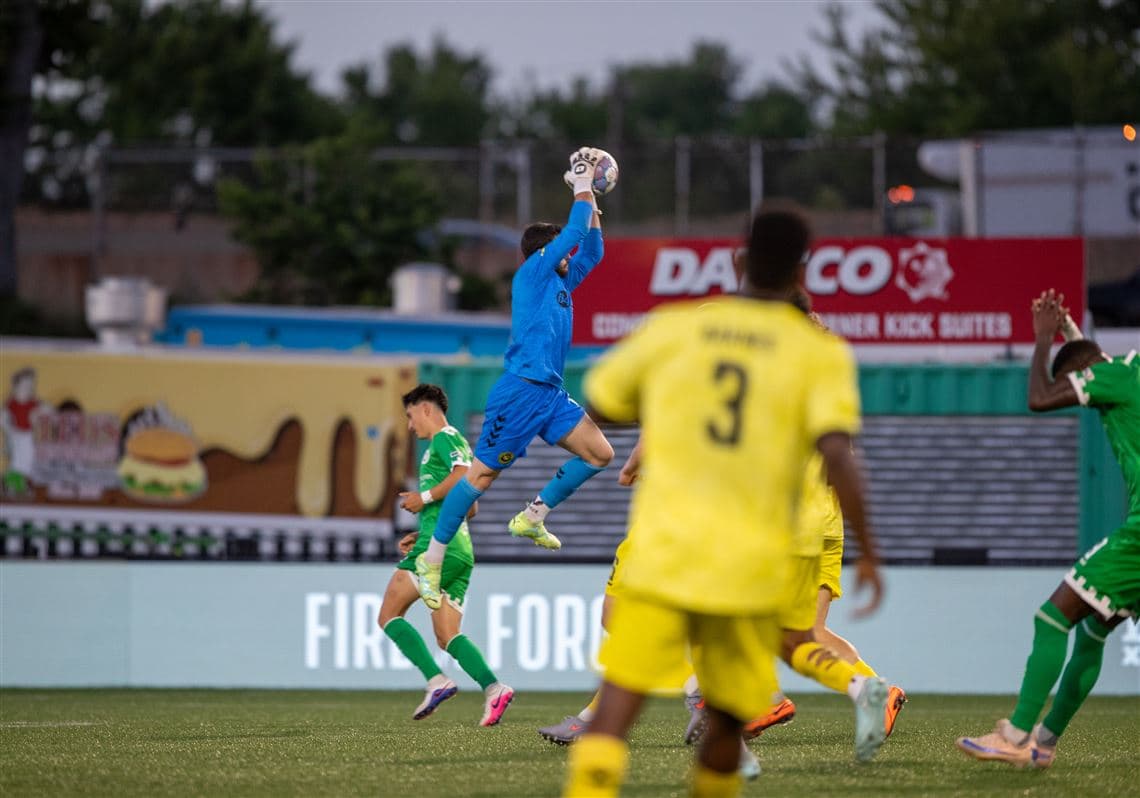
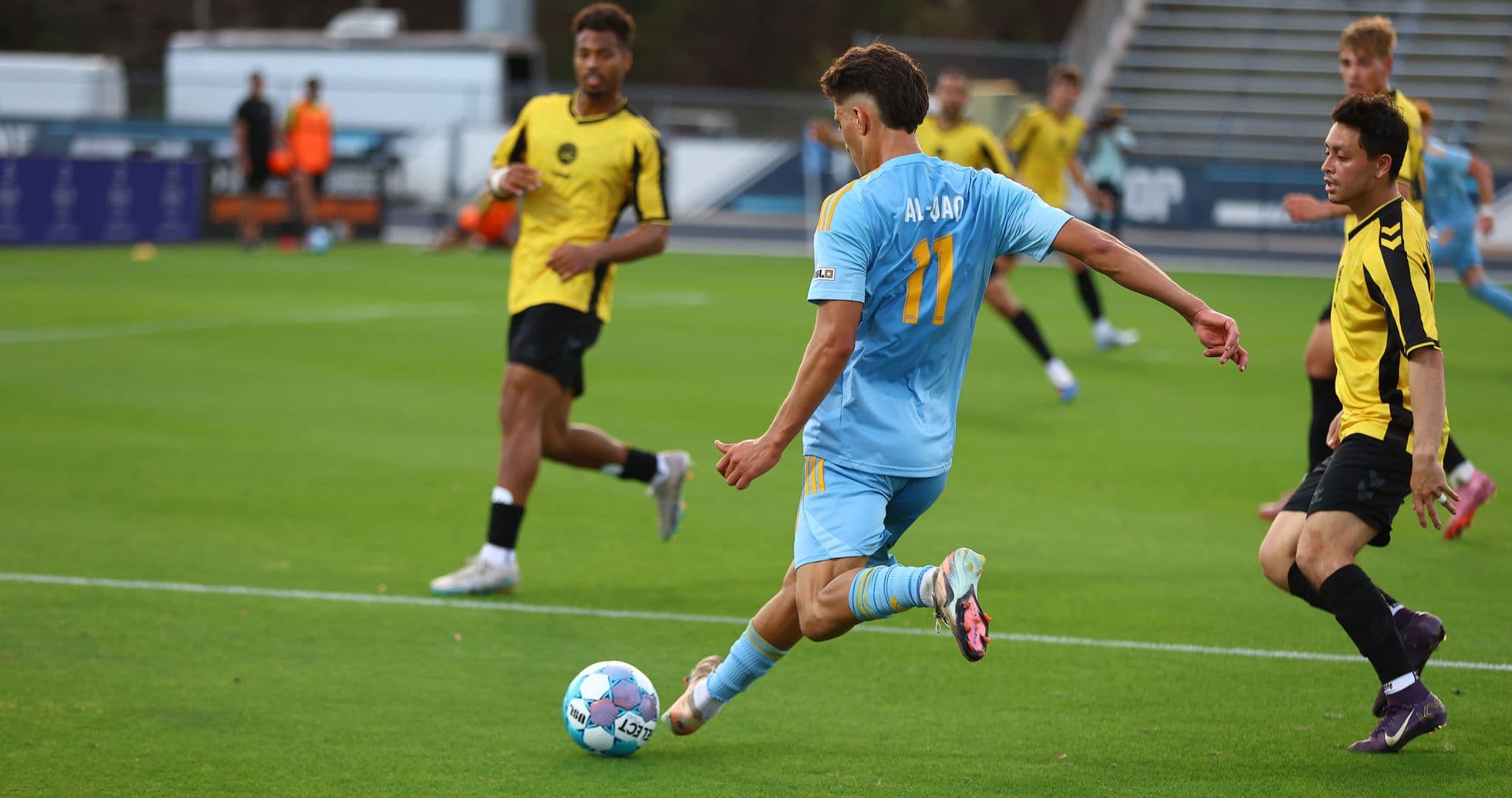
Under the lights at Protective Stadium, Birmingham Legion and Loudoun United played out a 1–1 draw that felt less like a routine Group Stage fixture and more like a meeting of mirror images: two sides defined by stubborn draws, narrow margins, and a shared struggle to turn control into conviction.
I. The Big Picture – Two Draw Specialists Collide
Heading into this game, the table already framed the narrative. Birmingham sat 10th in USL 1 with 13 points and a goal difference of -2, built on 2 wins, 7 draws, and 4 defeats in 13 matches. Loudoun trailed just behind in 11th with 10 points, their goal difference a more worrying -8 from 1 win, 7 draws, and 4 losses across 12 games.
The numbers painted Birmingham as cautious and compact. Overall they scored 14 and conceded 16; at home they managed just 6 goals while allowing 7. Their home attacking average of 0.8 goals per match was modest, but they balanced it with 0.9 goals against and 3 home clean sheets. Loudoun, by contrast, were more volatile. Overall they had 14 goals for and 22 against; away from home they scored 4 and conceded 8, with an away attacking average of 0.8 and a defensive average of 1.6. They could shut teams out (2 away clean sheets) but when they cracked, they cracked badly.
On the night, the scoreline reflected those season-long patterns: Birmingham again found only a single goal at home; Loudoun again conceded but refused to fold, grinding out yet another draw.
II. Tactical Voids and Discipline – Edges Defined by Margins
There were no listed absentees in the data, which meant both coaches could lean into their preferred core identities rather than patchwork solutions.
For Birmingham, that identity has been one of controlled aggression and late-game edge. Their yellow-card distribution this season shows a clear escalation as matches wear on: 28.57% of their yellows arrive between 76–90', and they even have a red card in that late window. It is a side that pushes the line as the clock ticks down, pressing higher, tackling harder, and living with the disciplinary risk to tilt tight games.
Loudoun’s disciplinary curve is even more dramatic. A hefty 34.29% of their yellow cards also come between 76–90', with another 25.71% between 46–60'. They, too, get more frantic as the match opens up, and their willingness to foul late is a tactical tool as much as a flaw. Both teams, then, were always likely to see this fixture decided in a stormy final quarter-hour rather than a calm first.
III. Key Matchups – Hunter vs Shield, and the Battle for Rhythm
Without explicit top-scorer data, the “Hunter vs Shield” narrative had to be inferred from structure and roles on the teamsheet.
For Birmingham, the attacking burden fell on a fluid front band of T. Pasher, P. Vassell, G. Diarbian, and R. Williams, with S. Shashoua as the creative hinge. Given Legion’s home scoring average of 0.8 and their biggest home win being 1–0, the emphasis was always going to be on combination play and patience rather than volume shooting. The “shield” behind them came from the defensive axis of L. Duru, K. Hughes, R. Hamouda, and A. Daley, protecting J. Koleilat and maintaining the home defensive standard of 0.9 goals conceded per match.
Loudoun’s attacking “hunters” were led by A. Ordonez and T. Ulfarsson, flanked by A. Aboukoura and supported by the midfield trio of J. Murphy, K. Awuah, and A. Souper. On their travels, Loudoun’s 0.8 goals per match and a biggest away win of 0–1 suggested a team built for counter-punching rather than sustained pressure. Their “shield” was a back line anchored by J. Erlandson and B. Akinyode in front of E. Bandre, tasked with improving on an away goals-against average of 1.6.
The “Engine Room” duel was subtle but decisive. Shashoua’s ability to find pockets between Loudoun’s midfield and defense was constantly tested by the work rate of Awuah and Murphy. Birmingham’s season-long pattern of low-scoring, tight matches meant they needed that central creativity to unlock a defense that, despite its flaws, had produced 4 clean sheets overall.
On the other side, Loudoun’s midfield had to navigate Birmingham’s increasingly combative second half. With Legion’s yellows heavily concentrated from 31–45' and 61–75' (both at 17.14%), the visitors knew that any rhythm they found would be met with tactical fouls and physical duels, especially as the game tilted towards its conclusion.
IV. Statistical Prognosis – Why a Draw Felt Inevitable
From a statistical standpoint, this fixture always leaned toward parity. Birmingham’s overall attacking average of 1.1 goals per match against Loudoun’s overall defensive average of 1.8 suggested Legion could find a goal, but not necessarily multiple. Conversely, Loudoun’s overall attacking average of 1.2 met a Birmingham defense conceding 1.2 overall; the intersection pointed neatly to each side landing a blow.
Birmingham’s home profile—1 win, 5 draws, 2 losses in 8—was almost engineered for a 1–1: they rarely blow teams away, rarely collapse, and live in the margins. Loudoun’s away profile—1 win, 2 draws, 2 defeats in 5—offered just enough resilience and just enough threat to match that energy.
In xG terms, the underlying story would likely mirror the season-long theme: Birmingham generating modest but steady chances, Loudoun relying on fewer, more transitional opportunities. Neither side, across the campaign, has produced the attacking volume to justify a high-scoring expectation. Instead, the numbers and tendencies converge on a single-goal trade: Birmingham’s compact home block vs Loudoun’s cautious away set-up, both sides increasingly combative late, both prone to drawing more than they win.
Following this result, the narrative remains the same. Birmingham stay a team defined by control without ruthlessness; Loudoun remain a side that refuses to disappear despite their defensive frailties. At Protective Stadium, 1–1 was not just the final score—it was the statistical and tactical equilibrium these two squads have been orbiting all season.