Sporting JAX vs Charleston Battery: A Tale of Two Opposites
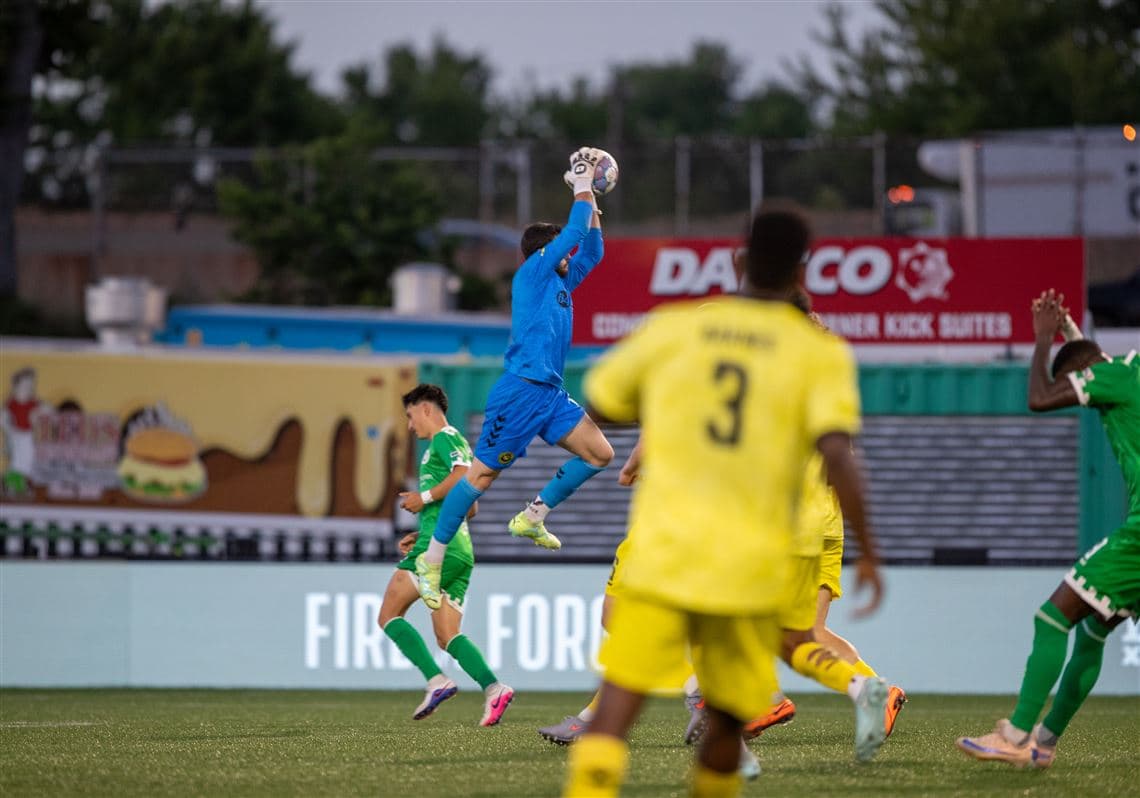
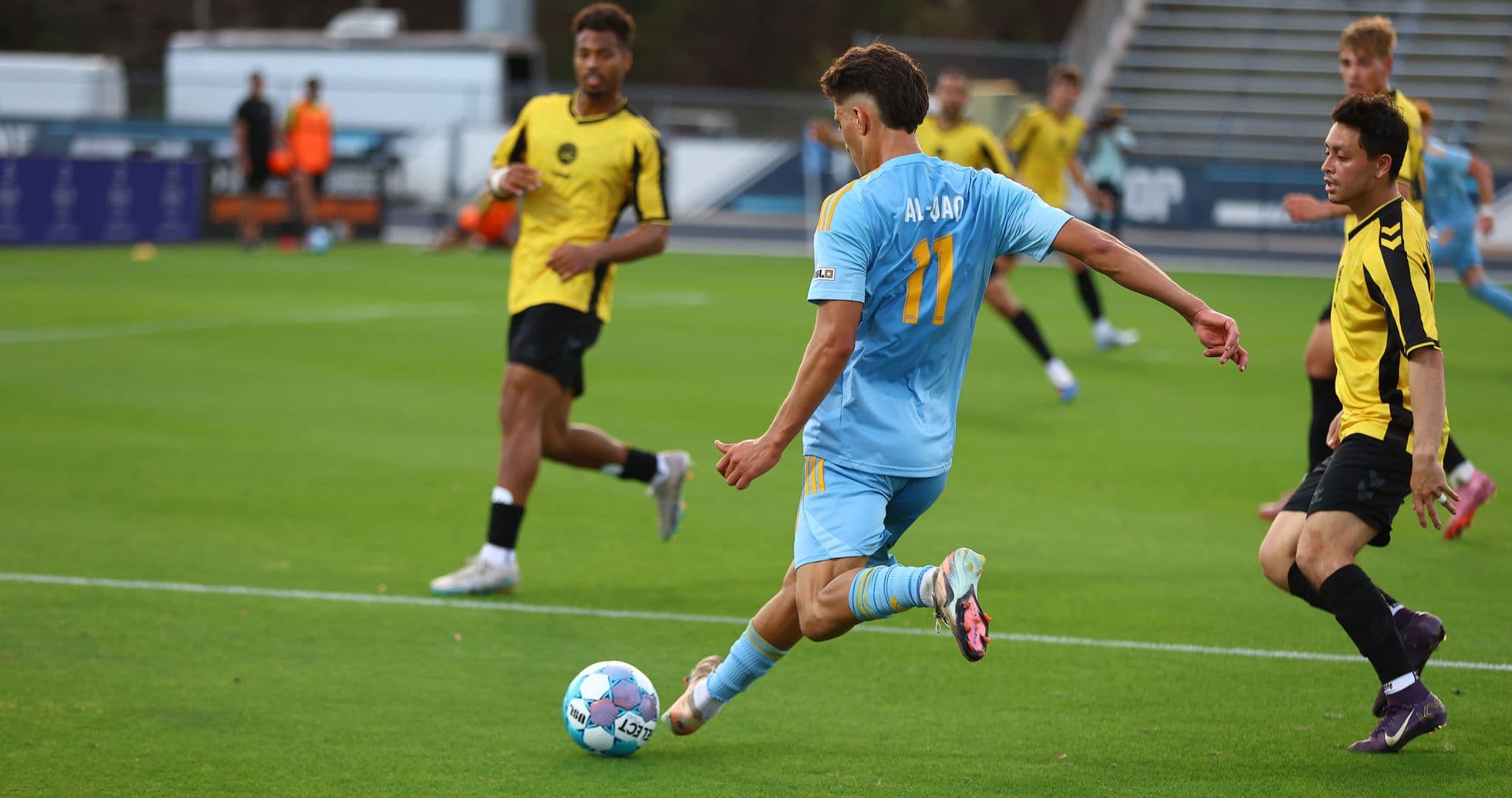
Under the Jacksonville lights at Hodges Stadium, a fragile project met a hardened contender. Sporting JAX, still searching for their first league win of the 2026 USL Championship season, were overwhelmed 5–2 by a Charleston Battery side whose league standing and statistical profile translated ruthlessly onto the pitch.
I. The Big Picture – DNA of Two Opposites
Following this result, the league table underlines just how far apart these two clubs currently are. Sporting JAX sit 13th in USL 1 with 3 points from 14 matches, winless with a goal difference of -22. Overall this campaign they have scored 17 and conceded 39; the math is stark, 17 minus 39 equalling that -22. At home they have played 7, drawing 2 and losing 5, with 12 goals for and 25 against. The attacking numbers at Hodges Stadium – 1.7 goals for at home on average – suggest they can punch, but their defensive average of 3.6 goals against at home explains why games so often slip away.
Charleston, by contrast, leave Jacksonville entrenched in the promotion fight. In total this campaign they have 23 points from 13 matches, ranked 2nd in USL 1 with a goal difference of 8, built from 26 goals scored and 18 conceded. On their travels they are less dominant than at home – 2 wins, 1 draw and 4 defeats away, with 9 goals for and 13 against, an away average of 1.3 goals scored and 1.9 conceded – but this 5-goal salvo shows the ceiling of their attacking game when it clicks.
The match itself followed those season-long patterns. Charleston’s ability to generate goals in bursts met a Sporting JAX side that concedes in volume and struggles to manage game states. A 3–1 half-time deficit became a 5–2 full-time scoreline, the Battery’s offensive structure overwhelming JAX’s fragile back line.
II. Tactical Voids – Structure, Discipline, and the Missing Pieces
Neither team’s lineup data lists absentees, but the shapes and names tell their own story. Sporting JAX’s starting XI – with C. Olivares in goal behind a defensive line featuring H. Neville, R. Edwards, A. Gomez and T. Rose – reads like a unit still learning each other’s movements. In front, the double pivot of J. Rossiter and R. Somersall, supported by W. Kuzain, R. Pedder and K. Sadlier behind E. Jaaskelainen, is designed to offer control and creativity. Yet the season numbers show that, overall, Sporting JAX concede 2.8 goals per match and have yet to keep a single clean sheet at home or away. That is not a tactical tweak away from solidity; it is a structural void.
The disciplinary data deepens the concern. Heading into this game, Sporting JAX’s yellow cards peaked late: 26.32% of their yellows came between 76–90 minutes, with another 21.05% between 61–75. Their reds were brutally timed too: 66.67% of red cards arrived in the 76–90 window, 33.33% between 16–30. This is a team that statistically unravels as fatigue and pressure mount, exactly when they most need clarity.
Charleston, by contrast, are disciplined in a different way. Their yellows are more evenly distributed, with notable spikes at 31–45 (22.22%), 46–60 (22.22%) and 76–90 (22.22%), but crucially they have no red cards recorded in any interval. They play on the edge without tipping over it, a key trait for a side chasing promotion.
III. Key Matchups – Hunter vs Shield, Engine Room vs Engine Room
Without individual scoring charts, the “Hunter vs Shield” battle has to be read through collective patterns. Charleston’s attack, in total, averages 2.0 goals per game, with a home average of 2.8 and an away average of 1.3. Sporting JAX’s defence, overall, allows 2.8 goals per match, with that alarming 3.6 at home. On paper, Charleston’s “hunter” unit was always likely to find chances against a “shield” that leaks opportunities almost every half-hour.
The Battery’s starting cast – L. Zamudio in goal, a defensive core of S. Suber, G. Smith, J. Akpunonu and N. Messer, and a midfield spine built around E. Ycaza and K. Pakhomov – provided the platform for an aggressive front line of M. Foster, M. Berry, J. Kelly and C. Swan. This is a group that, overall, has already produced a 5-goal away performance this season (their biggest away win is 2–5) and a 5-goal home outing (5–1). The 5–2 in Jacksonville fits that pattern: when Charleston smell blood, they do not stop at one or two.
In the engine room, the duel between Charleston’s central operators and Sporting JAX’s Rossiter–Somersall–Kuzain axis was decisive. JAX’s midfield is tasked with shielding a defence that has already suffered a 2–6 home loss and a 4–0 away defeat this season. They need to compress space, control tempo and limit transitions. Instead, the flow of goals – three conceded before the break, two more after – suggests Charleston were able to play through or around that block too easily, pulling JAX’s lines apart and isolating defenders in unfavourable duels.
IV. Statistical Prognosis – What the 5–2 Really Says
Strip away the emotion of a heavy home defeat and the numbers are brutally consistent. Sporting JAX’s season-long profile – 0 wins from 14, 3 draws, 11 defeats, 17 scored and 39 conceded overall – already predicted a high-risk, low-reward night. Their attack at home can produce flashes (their biggest home haul is 4 goals), but their defence almost guarantees they must score three or four to have any chance.
Charleston arrived with promotion-level metrics: 7 wins, 2 draws, 4 defeats overall, 26 goals for and 18 against, plus a promotion-playoff description attached to their rank. Even with a mixed away record, they had already proven they could explode for 5 on their travels. The 5–2 scoreline is less an anomaly and more a statistical midpoint between Charleston’s attacking ceiling and Sporting JAX’s defensive floor.
In Expected Goals terms, while we lack raw xG figures, the patterns are clear. A side averaging 2.0 goals for and 1.4 against overall, facing a team conceding 2.8 and scoring 1.2, will usually generate the better chances, especially once the game state tilts in their favour. Charleston’s clinical edge and game management – no red cards all season, a controlled yellow distribution – allowed them to keep applying pressure without self-sabotage.
For Sporting JAX, the path forward is stark. The attacking structure around Sadlier, Pedder and Jaaskelainen offers some promise, but without a drastic improvement in defensive organisation and late-game discipline, nights like this 5–2 will remain the rule rather than the exception. For Charleston Battery, Hodges Stadium simply became another data point: a ruthless away performance that matches their promotion ambitions and confirms that, when their front line is unleashed, few defences in USL 1 can live with them.