Detroit City vs Louisville City: A Penalty Shootout Decider
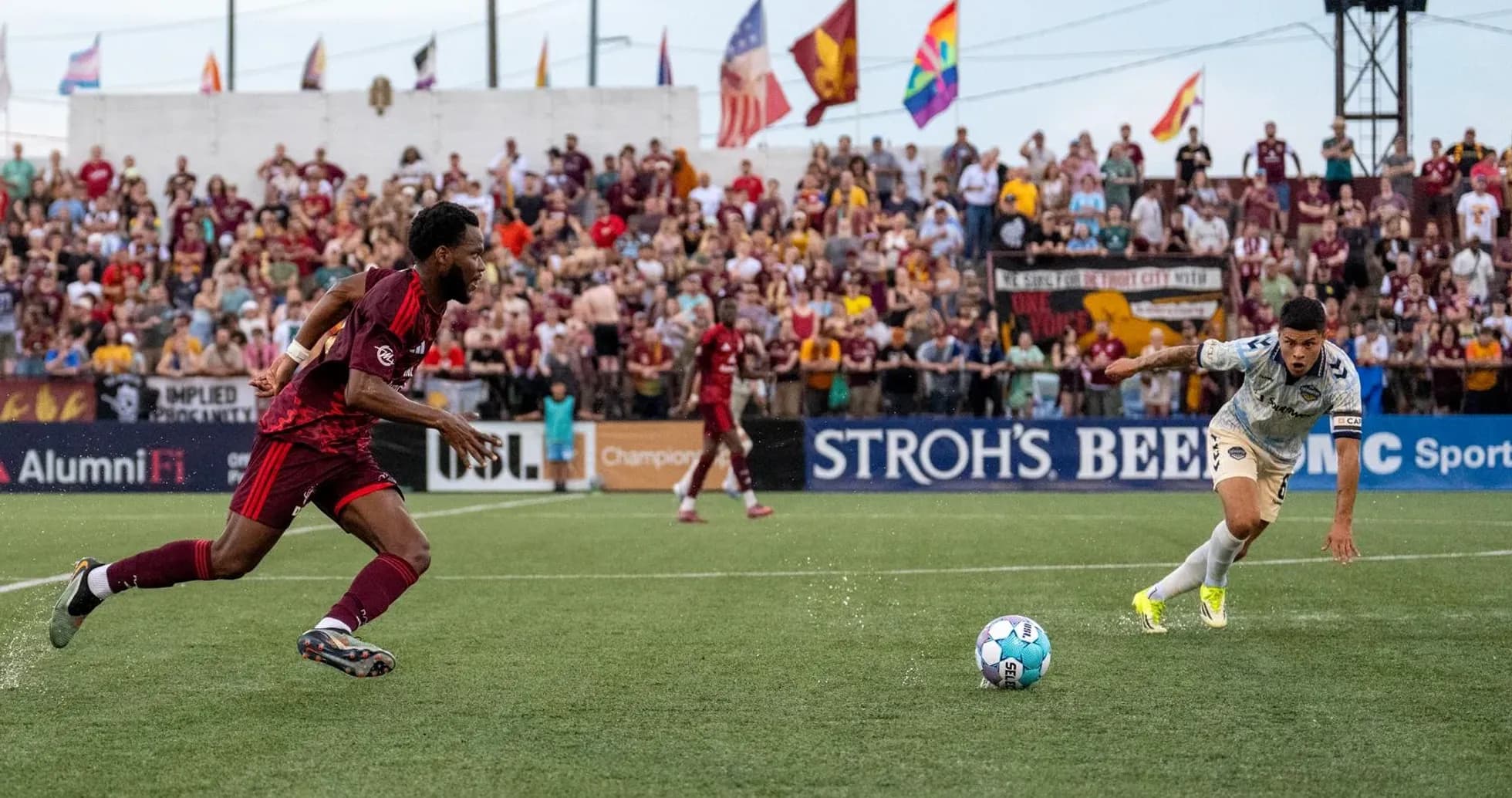
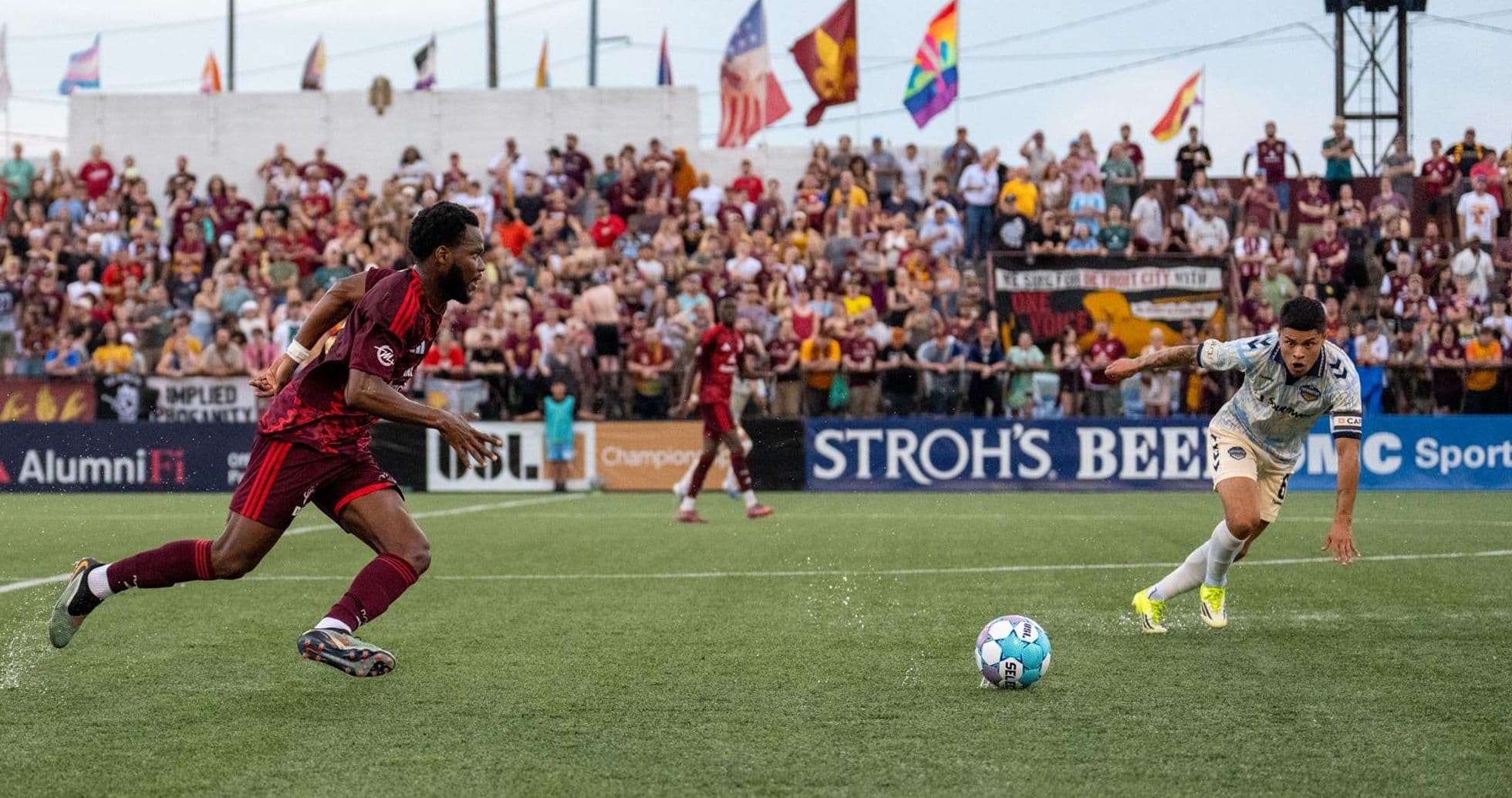
Under the lights at Keyworth Stadium, Detroit City and Louisville City went the distance, 120 minutes of stalemate followed by the thin cruelty of penalties. Following this result, the USL League One Cup group narrative hardens: Louisville, already the benchmark side in Group 4, shows again why they sit 1st with 6 points and a goal difference of 6, while Detroit’s brave resistance ends with the narrowest of exits, their 3-4 penalty defeat echoing the fine margins that have defined their campaign.
Heading into this game, the seasonal DNA of both clubs could not have been more contrasting. Detroit City arrived as a team still trying to reconcile their identity with their numbers: in total this campaign they had played 3 fixtures, winning 1 and losing 2, with 2 goals scored and 3 conceded overall. At home they had struggled badly, losing both home fixtures, scoring just 1 goal and conceding 3, their home goals-for average at 0.5 against 1.5 goals against. Louisville, by contrast, were a machine in motion: 3 wins from 3 in total, 9 goals scored and only 2 conceded overall, averaging 3.0 goals for and 0.7 against per match. At home and on their travels alike, they were hitting 3.0 goals per game.
The group standings frame this as a meeting of trajectories. Detroit, 5th in Group 4 with 4 points and a goal difference of -1, came in with a form line of “WLL” in total and the knowledge that their only away outing had yielded a clean sheet and a 1-0 win. Louisville, 1st with 6 points and that emphatic +6 goal difference (8 scored, 2 conceded in total league play), had “WWW” stamped across their form guide and a perfect record both at home and away.
Tactical voids and disciplinary undercurrents
Injury and suspension data offer no explicit absentees, so the tactical voids here are more structural than personnel-driven. For Detroit, Danny Dichio’s selection skews toward defensive stability and ball-winning in deeper zones. The presence of C. Herrera in goal behind a spine that includes H. Yamazaki, R. Hope-Gund, D. Amoo-Mensah and T. Silva hints at a compact, physically robust back line, designed to absorb pressure rather than chase the game.
In midfield, the likes of K. Hernandez-Foster, Rafa Mentzingen and A. Diop suggest a blend of energy and transitional threat, but the season data shows the cost of that balance: in total this campaign Detroit have failed to score in 1 match and kept just 1 clean sheet, and their penalty record is a vulnerability—5 penalties taken, only 3 scored, a 60.00% conversion with 2 misses (40.00%). In a knockout decided by spot-kicks, that history loomed over every run-up.
Disciplinary patterns also shaped the emotional tempo. Detroit’s yellow cards in total this season are concentrated in the middle third of games: 25.00% between 31-45 minutes, 37.50% between 46-60, and another 25.00% from 76-90. This paints a picture of a side that tackles on the edge as intensity peaks, risking momentum-killing cautions just as matches open up.
Louisville’s card profile is sharper but more front-loaded: 28.57% of their yellows between 16-30 minutes, another 28.57% from 31-45, and a spike to 42.86% in the 46-60 window. Simon Bird’s team plays aggressively through the first hour, pressing high and contesting second balls, then easing off in the final third of games. Crucially, neither side has seen a red card in any time band, suggesting controlled aggression rather than chaos.
Key matchups
Louisville’s “hunter” is not an individual but a collective system: in total this season they have scored 9 goals across 3 matches, with a symmetrical 3.0 goals per game both at home and on their travels. They have already produced a 3-1 home win and a 5-1 away win, which underlines their capacity to overwhelm back lines once they find rhythm.
Detroit’s “shield” is built on situational resilience rather than raw numbers. Overall they concede 1.0 goal per game, but that figure hides a split personality: at home they allow 1.5 goals per match, while on their travels they have yet to concede, with 0.0 goals against away. In this tie at Keyworth, the question was whether their historically fragile home defensive record could withstand Louisville’s relentless attacking template. The 0-0 across 120 minutes suggests Dichio’s block, anchored by Herrera and marshalled by Hope-Gund and Amoo-Mensah, rose to the occasion.
The midfield confrontation was the real chessboard. For Detroit, Rafa Mentzingen and A. Diop were the likely pivots between defence and attack, tasked with turning recoveries into vertical thrusts for B. Morris and A. Diouf. Their season-long struggle to create volume—just 2 goals in total across 3 games, with an overall goals-for average of 0.7—meant they had to be hyper-efficient in transition.
Opposite them, Louisville’s central axis of Z. Duncan, B. Niang and J. Morris embodies Bird’s philosophy: win the ball early, play forward quickly, and keep the front line supplied. The fact Louisville have failed to score in 0 matches this season, and have a perfect 100.00% penalty record (4 taken, 4 scored, 0 missed), underscores how ruthlessly their engine room converts territory into chances and chances into goals.
Statistical prognosis and what the shootout revealed
On the balance of season data, Louisville were always the statistical favourite. Heading into this game they carried a total goal difference of +7 in all competitions (9 scored, 2 conceded) and a three-match winning streak; Detroit were at -1 overall (2 scored, 3 conceded), with more losses than wins and a home record of 2 defeats from 2.
Yet the match itself, locked at 0-0 through normal and extra time, told a story of Detroit bending the numbers. Their defensive organisation finally matched their away solidity, compressing space and denying Louisville the kind of multi-goal surge they had produced in previous outings. The game became a test of concentration and nerve rather than open-play xG.
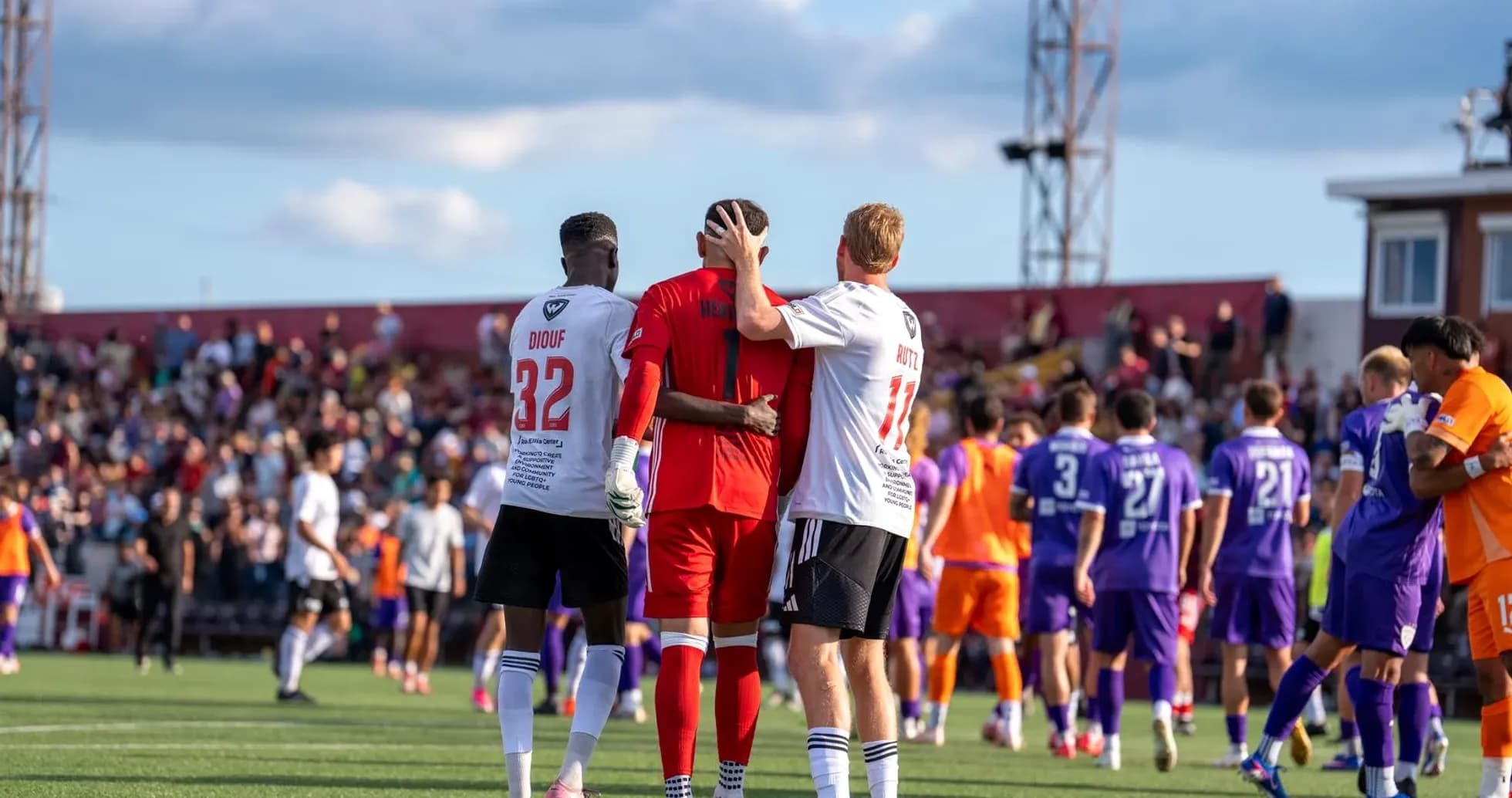
In that context, the penalty shootout was almost cruelly pre-ordained by the season’s underlying trends. Detroit’s 60.00% penalty success in total, with 2 misses already on the ledger, contrasted starkly with Louisville’s flawless 100.00% record from 4 attempts. When the tie went to the spot, history leaned heavily toward Bird’s side—and so it proved, Louisville edging it 4-3 after the shootout.
Following this result, the tactical verdict is clear. Detroit City have discovered a defensive blueprint capable of nullifying even the group’s most potent attack, but their chronic lack of cutting edge and fragile relationship with penalties remain unresolved. Louisville City, meanwhile, leave Keyworth not with the swagger of a 5-1 away win, but with something just as valuable in knockout football: proof that when their attacking fluency is stifled, their structure, mentality and dead-ball precision can still carry them through.