Tampa Bay Rowdies Dominate Louisville City in USL Championship Clash
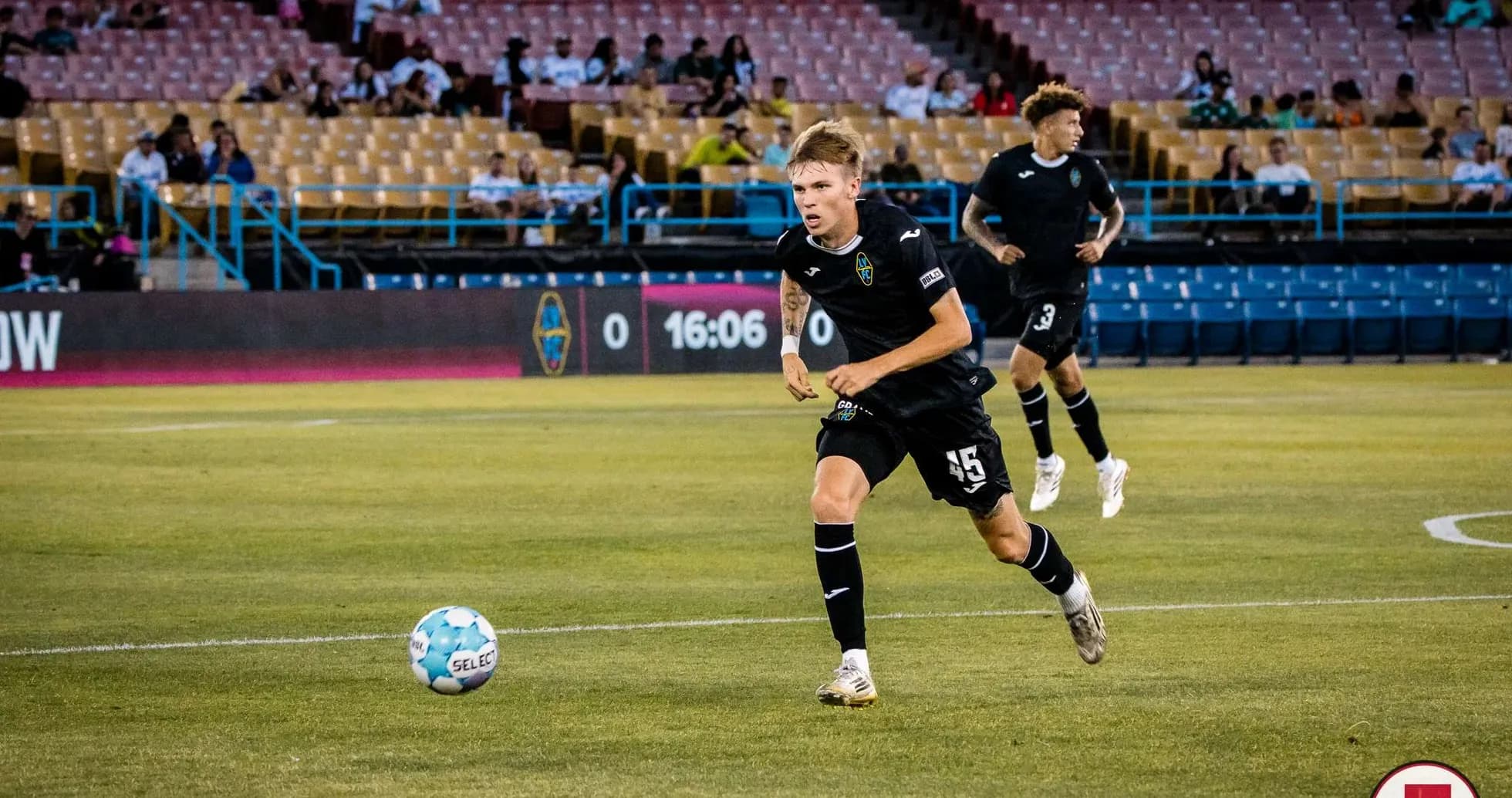
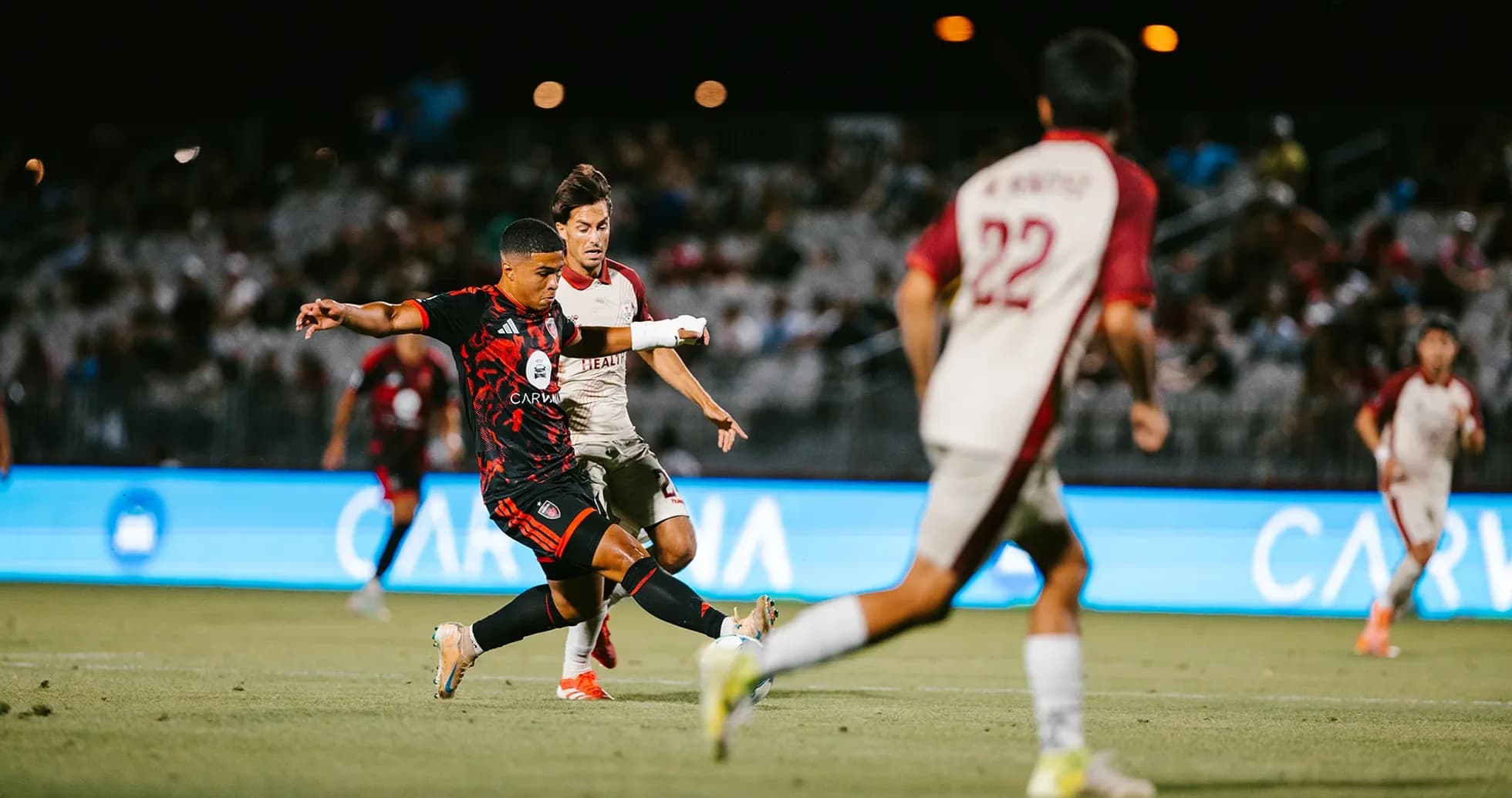
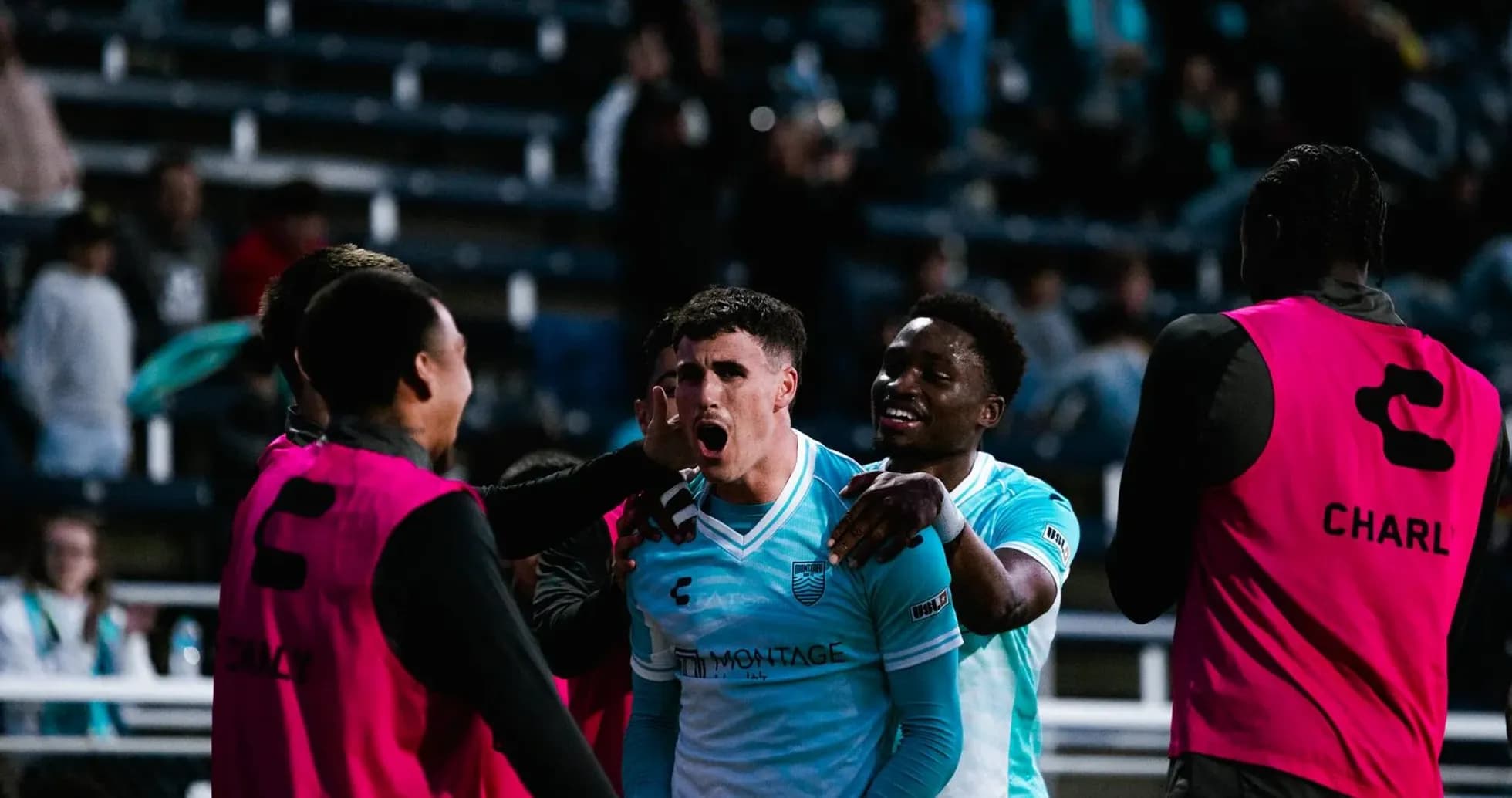
Under the Lynn Family Stadium lights, this USL Championship Group Stage clash became a statement of hierarchy. Louisville City, entering the night ranked 6th with 16 points and a perfectly symmetrical overall record of 19 goals scored and 19 conceded (a goal difference of 0), were supposed to test the leaders. Instead, Tampa Bay Rowdies – top of USL 1 on 27 points with a formidable overall goal difference of 14 (19 scored, 5 conceded) – imposed their identity with a 2–0 away win that felt entirely in character.
Heading into this game, the contrast in seasonal DNA was stark. Louisville were volatile: 5 wins, 1 draw, 5 defeats in total, with a goalsFor average of 1.7 and a goalsAgainst average of 1.7 overall. At home, they had been simultaneously dangerous and fragile, averaging 1.5 goals both for and against across 6 matches. Tampa Bay, by contrast, arrived unbeaten in 11 league fixtures, with 8 wins and 3 draws in total, and defensive numbers that bordered on ruthless – only 5 goals conceded overall, an average of 0.5 per game, including just 0.3 on their travels.
On the teamsheet, the story began with continuity rather than surprise. Simon Bird entrusted D. Faundez in goal for Louisville, shielded by S. Totsch and J. Jones, with K. Adams and A. Dia expected to stretch the pitch from deeper zones. In midfield, T. Davila and Z. Duncan formed the central platform, while A. McFadden and M. Akale were tasked with linking the thirds. Up front, C. Donovan and R. Serrano carried the responsibility of turning Louisville’s respectable attacking averages into something more tangible against the division’s most miserly defence.
For Tampa Bay, Dominic Casciato leaned into the solidity that had defined their season. J. Waite, already a central figure in a campaign boasting 7 clean sheets overall, stood behind a back line featuring D. Acoff, L. Wyke and B. Schaefer. Width and progression came from C. Ostrem and N. Dossantos, while L. Perez and S. Cruz offered the control and industry in midfield that underpin Tampa’s balance between risk and restraint. Higher up, M. Schneider and Pedro Becker were the connective tissue into the final third, supporting centre-forward M. Myers, the spearhead of an attack averaging 1.7 goals per game overall and 1.2 away.
If there was a tactical void, it lay less in absences – no missing-player data is recorded – and more in Louisville’s psychological state. Their form line heading into this match read WWWWLDWLLLL: a season split into a surge and a slump. Four straight wins earlier in the campaign had been followed by a run of defeats that eroded confidence. The disciplinary pattern underlined their tendency to chase games: 27.78% of their yellow cards this season had arrived between 46–60 minutes, and 22.22% between 76–90, a sign of a side that often finds itself stretched as they push for late reactions.
Tampa Bay’s card map told a different story. Their most combustible period was the final quarter-hour, with 25.81% of their yellows coming between 76–90 minutes – a byproduct of defending leads and closing out matches rather than scrambling from behind. Earlier spikes at 31–45 and 61–75 minutes (both 19.35%) reflected a team that contests the midfield aggressively at key momentum points, but crucially, their red-card record remained clean.
Within this framework, the key matchups were always going to be about Tampa Bay’s “shield” against Louisville’s “hunters”. Louisville’s attack, averaging 1.5 goals at home and 2.0 on their travels, is capable of multi-goal bursts – their biggest home win this season is 4–1. But the Rowdies’ away defence, conceding only 2 goals in 6 matches (0.3 per game), is built precisely to absorb such surges. J. Waite’s command of his area, combined with the positional discipline of Wyke and Schaefer, formed a defensive triangle that denied Donovan and Serrano the spaces they usually exploit.
In the engine room, the duel between Louisville’s ball-progressors and Tampa Bay’s midfield enforcers shaped the rhythm. Z. Duncan and T. Davila tried to set tempo and find M. Akale between the lines, but they were consistently harried by the work rate of L. Perez and S. Cruz. Without clean central progression, Louisville were forced wider and deeper, where A. McFadden and K. Adams met a disciplined press from Ostrem and Acoff. That, in turn, isolated Donovan and Serrano, blunting Louisville’s capacity to turn their overall 1.7 goalsFor average into high-quality chances.
For Tampa Bay, the “hunter vs shield” narrative flipped at the other end. Their attack may not be explosive away – 7 goals in 6 away games, an average of 1.2 – but it is relentlessly efficient. With Louisville conceding 1.5 goals per game at home and having failed to keep more than 1 home clean sheet all season, the Rowdies knew that a controlled, patient approach would likely be enough. M. Myers occupied Totsch and Jones, while Schneider and Pedro Becker drifted into pockets that forced Louisville’s full-backs to choose between tucking in or protecting the flanks. That positional stress created the lanes that led to the two decisive goals.
Following this result, the statistical prognosis that had hung over the fixture feels validated. Tampa Bay’s defensive solidity – 7 clean sheets in 11 before this match, and another added here – remains the defining force in the conference. Their ability to win on their travels, with 4 away victories and 2 draws from 6, has turned every road game into a platform for control rather than survival.
For Louisville, the 2–0 home defeat is more than a bad night; it crystallises the fault line in their season. A team capable of scoring 4 at home and 3 away in their best wins is equally capable of being shut out – they had already failed to score in 3 home matches heading into this fixture, and this performance slots neatly into that pattern. The squad has attacking tools and a competitive spine, but without a recalibration of defensive structure and emotional control in those volatile middle and late-game windows, they will remain what they looked like under the Lynn Family Stadium floodlights: dangerous on paper, but decisively second-best to the division’s most complete side.