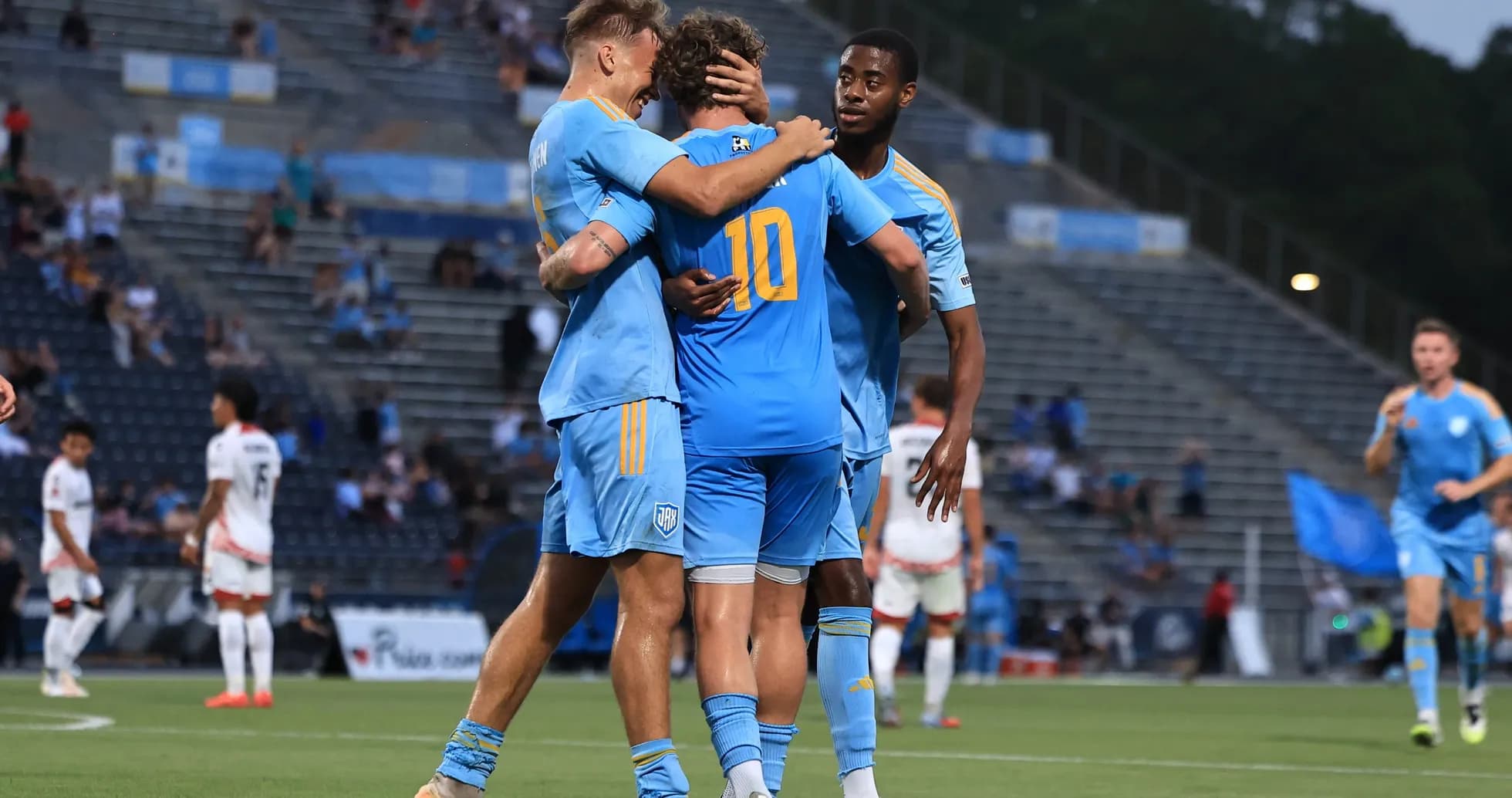
Sporting JAX vs San Antonio: A Thrilling 4-4 Draw
Under the Hodges Stadium lights, this USL Championship Group Stage clash between bottom‑placed Sporting JAX and league leaders San Antonio became a study in extremes: a side drowning in the table but suddenly free in attack, against a pacesetter whose resilience and offensive balance ultimately dragged them back from the brink. The 4–4 full‑time score, after a 3–0 half‑time lead for Sporting JAX, tells of a contest that shredded the form book as much as it illuminated the deeper DNA of both squads.
Standings Overview
Heading into this game, the standings painted a brutal picture for Sporting JAX. Rooted in 13th with 2 points from 10 matches, they had yet to win, with 0 victories, 2 draws and 8 defeats overall. Their goal difference of -14 was the inevitable product of 10 goals for and 24 against. At home, they had played 4 times, with 0 wins, 1 draw and 3 defeats, scoring 6 and conceding 12. The pattern was clear: 1.5 goals scored at home on average, but 3.0 conceded. San Antonio, by contrast, arrived as a model of consistency. Top of the USL 1 group on 21 points from 12 matches, they had 5 wins, 6 draws and only 1 defeat overall, with 18 goals for and 14 against giving them a goal difference of +4. On their travels, they had played 6, with 1 win, 4 draws and 1 defeat, scoring 8 and conceding 9, a profile of a side rarely overwhelmed even when not at their best.
Lineups Comparison
The lineups underlined the contrast in stability and identity. San Antonio, under Carlos Llamosa, named a rugged core: R. Sanchez in goal; a defensive unit featuring R. Buckmaster, A. Crognale, D. Barbir and M. Taintor; with N. Blanco and D. Erofeev as central pillars and the likes of M. Maldonado, C. Calov, J. Hernandez and C. Sorto providing the attacking thrust. On the bench, S. Patino, L. Haakenson and E. Cuello offered varied offensive and midfield profiles, while A. Souahy and V. Velazquez brought defensive and goalkeeping cover. It is a squad built on structural solidity and incremental risk.
Sporting JAX, by contrast, looked like a group still searching for its definitive shape, but not short on technical talent. C. Olivares started in goal, with E. Rito, H. Neville, R. Edwards and A. Gomez forming a back line that has too often been exposed this season. Ahead of them, T. Rose and J. Rossiter were tasked with giving the side some central stability, while K. Sadlier, R. Pedder and A. Al Qaq offered creativity and vertical running in support of E. Jaaskelainen. On the bench, J. McGuire, W. Ackwei and E. Dudley covered the defensive spine, while W. Kuzain, J. Evans, L. Granitur and D. Armstrong provided attacking and midfield options.
Tactical Analysis
Tactically, the void that has haunted Sporting JAX all year is defensive control. Heading into this game, they conceded 2.4 goals per match overall, with a particularly alarming 3.0 at home. They had not kept a single clean sheet in 10 fixtures, and had failed to score in 5 of them. The card data reinforces the story of a side that loses structure as matches progress: 28.57% of their yellow cards arrive between 76–90 minutes, with a further 21.43% between 61–75. Even their two red cards are split between 16–30 minutes and 76–90 minutes, suggesting lapses in concentration at both the emotional start and the chaotic end of contests.
San Antonio’s disciplinary profile is calmer but still reveals stress points. They accumulate yellow cards steadily through the middle and late phases: 19.44% between 46–60 minutes, 22.22% from 61–75, and 19.44% from 76–90. That arc hints at a team that raises its aggression as it chases control or a result, but crucially, they have avoided red cards entirely so far.
Offensive and Defensive Dynamics
Within this, the “Hunter vs Shield” dynamic is more collective than individual, given the absence of top-scorer data. San Antonio’s attack, averaging 1.5 goals overall and 1.3 away, is spread across players like J. Hernandez and C. Sorto, with runners such as M. Maldonado and C. Calov able to arrive in scoring positions. Their “Shield” is a defensive unit that, heading into this game, conceded only 1.2 goals per match overall and 1.5 on their travels, supported by 5 clean sheets in total, 2 of them away. Against a Sporting JAX attack that, at home, scores 1.5 per match but is undermined by its own back line, the question was whether the leaders’ composure could absorb an early storm.
Engine Room Battle
In the “Engine Room”, the battle between Sporting JAX’s double pivot of J. Rossiter and T. Rose and San Antonio’s central axis of N. Blanco and D. Erofeev was always going to define the match’s rhythm. Rossiter’s role as a screen in front of a fragile defence was critical, while Rose needed to connect quickly to K. Sadlier and R. Pedder to exploit transitions. For San Antonio, Blanco’s distribution and Erofeev’s defensive coverage were tasked with both resisting those counters and initiating their own controlled advances.
Match Summary
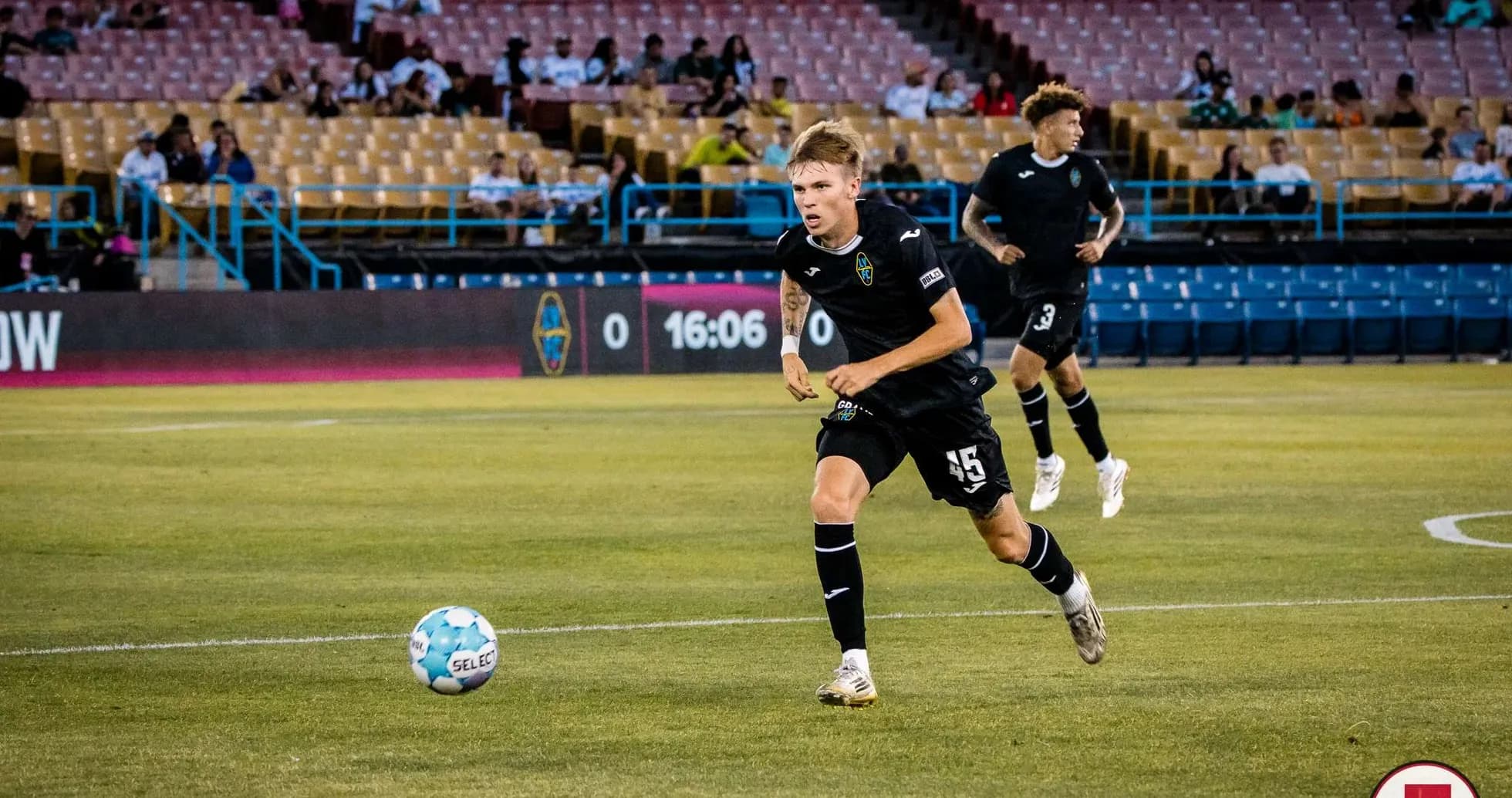
The 3–0 half‑time score in favour of Sporting JAX suggested that, for 45 minutes, their attacking plan finally clicked: vertical passes into E. Jaaskelainen, wide combinations involving Sadlier and Al Qaq, and perhaps a more assertive high press from Rito and Gomez. Yet the final 4–4 outcome exposed the structural issues that the pre‑match numbers had flagged. A team that concedes 3.0 goals at home on average and has no clean sheets was always vulnerable to a San Antonio side that has repeatedly found ways back into games, losing only once in 12.
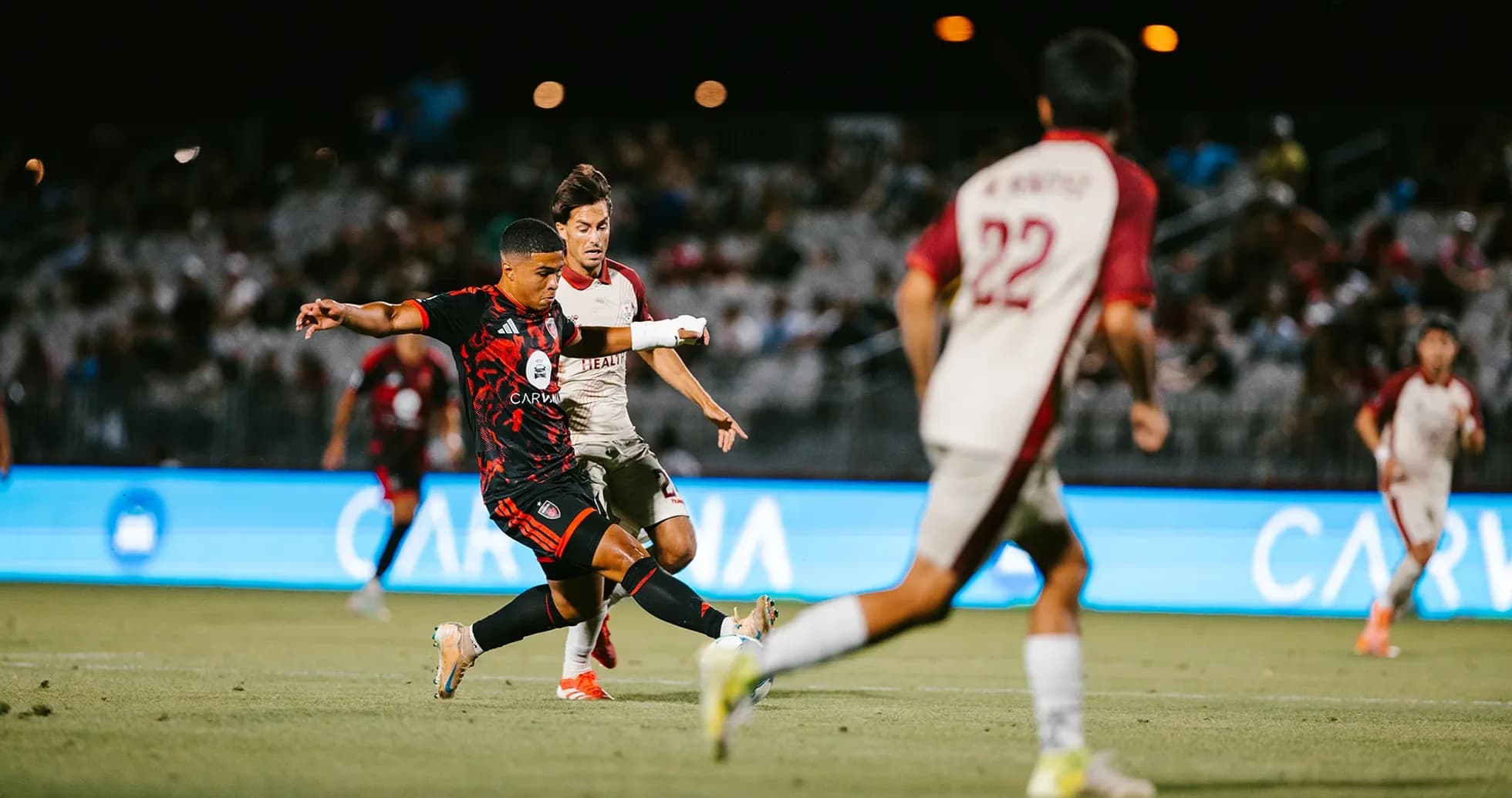
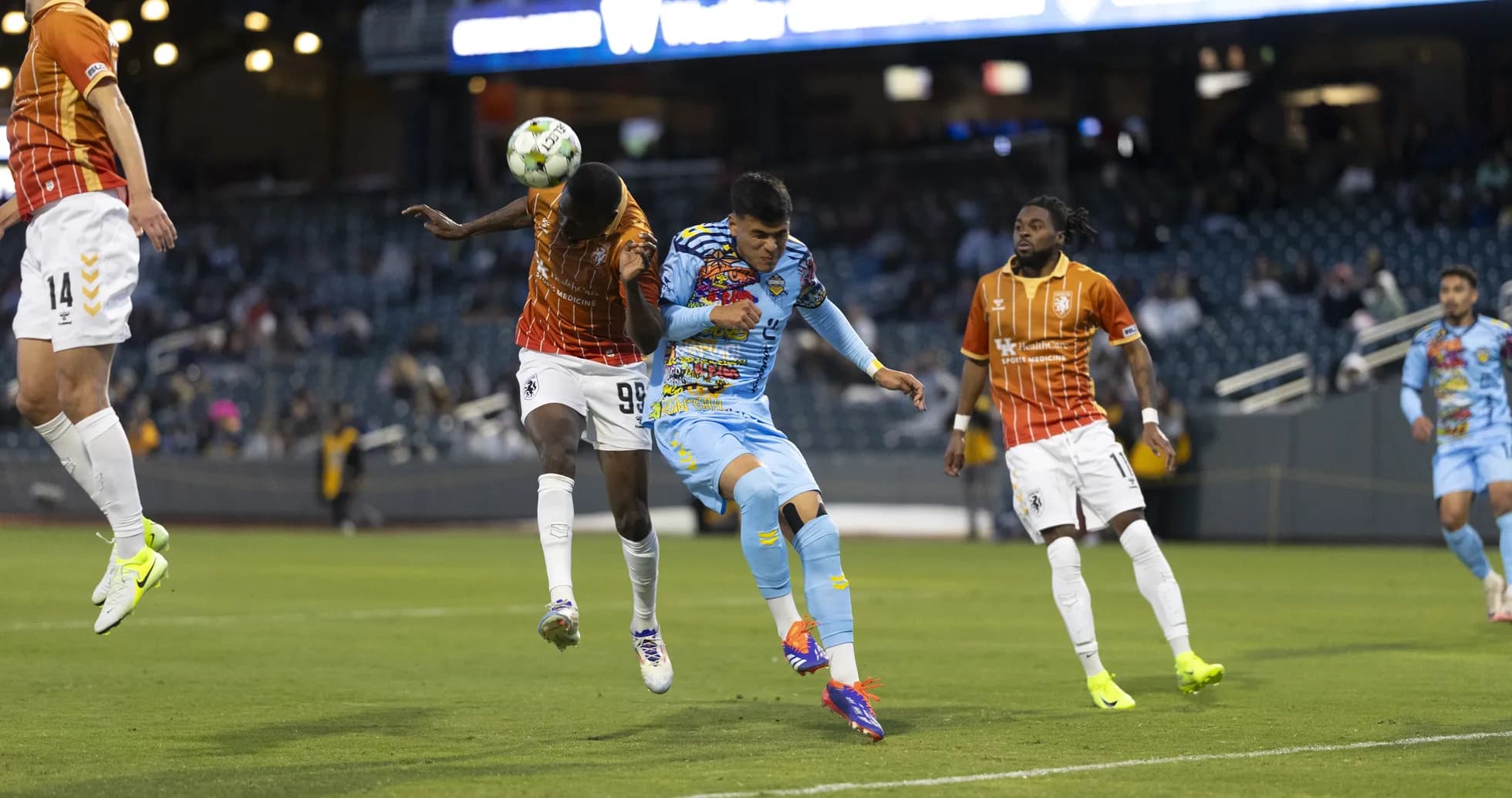
From an xG and defensive‑solidity perspective, the statistical prognosis before kickoff would have favoured San Antonio’s ability to create steady, medium‑value chances across 90 minutes while limiting Sporting JAX to bursts of threat. The eventual eight‑goal chaos likely reflected a Sporting JAX xG spike in the first half, driven by direct attacks and possibly set‑pieces, followed by a San Antonio surge as their superior structure, fitness and bench depth took over.
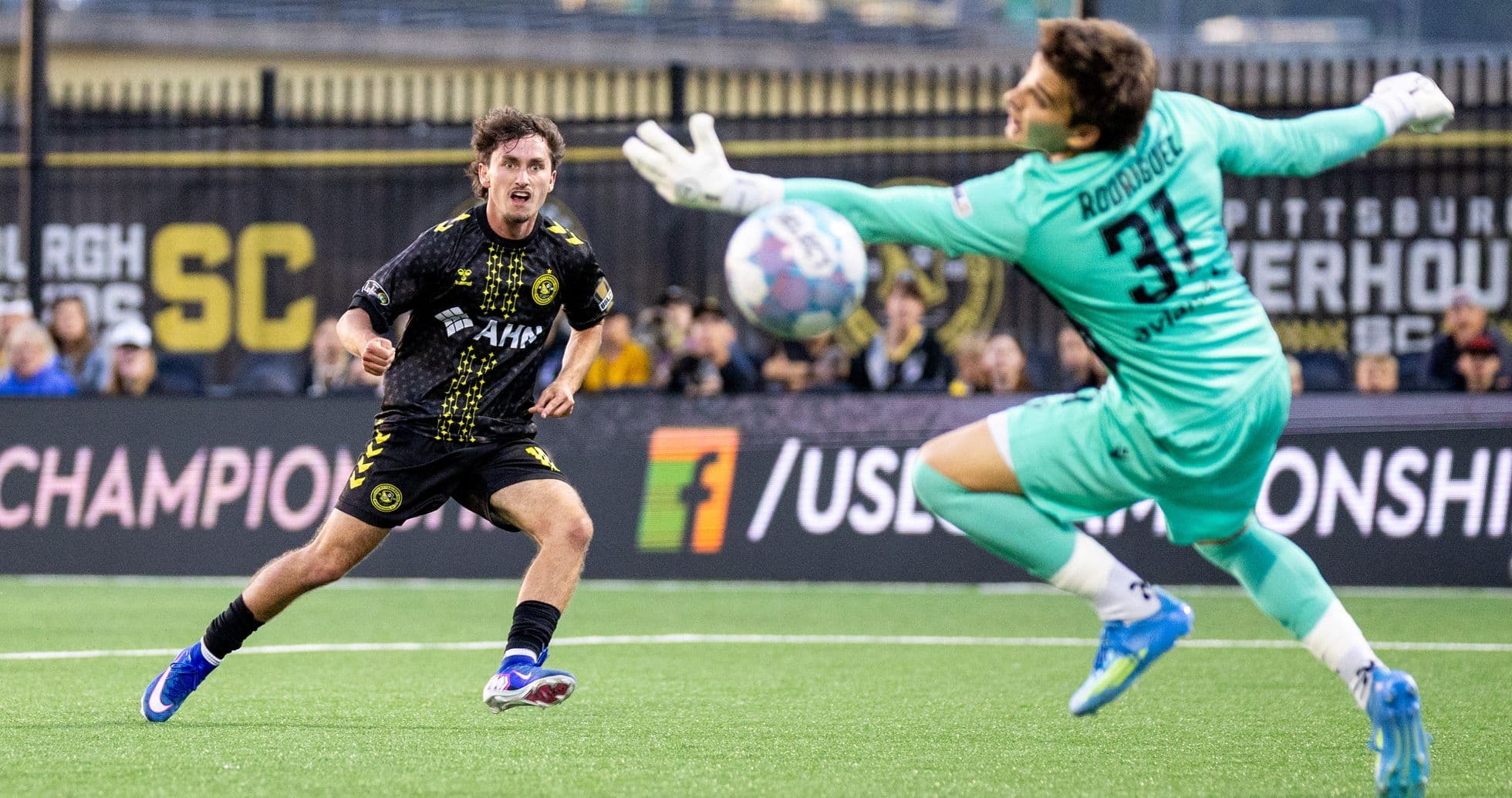
Following this result, the narrative for both squads is sharply drawn. For Sporting JAX, scoring 4 against the league leaders is proof that their attacking unit, anchored by Jaaskelainen and supplied by Sadlier, Pedder and Al Qaq, can hurt anyone. But the inability to protect a three‑goal lead reinforces that their season will only turn when the defensive block of Neville, Edwards, Rose and Rossiter can sustain intensity beyond the hour mark. For San Antonio, the comeback underlines why they sit atop the group: a collective belief, a balanced squad and a capacity to turn structural superiority into goals, even on their travels.