San Diego Wave vs Orlando Pride: A Tactical Breakdown
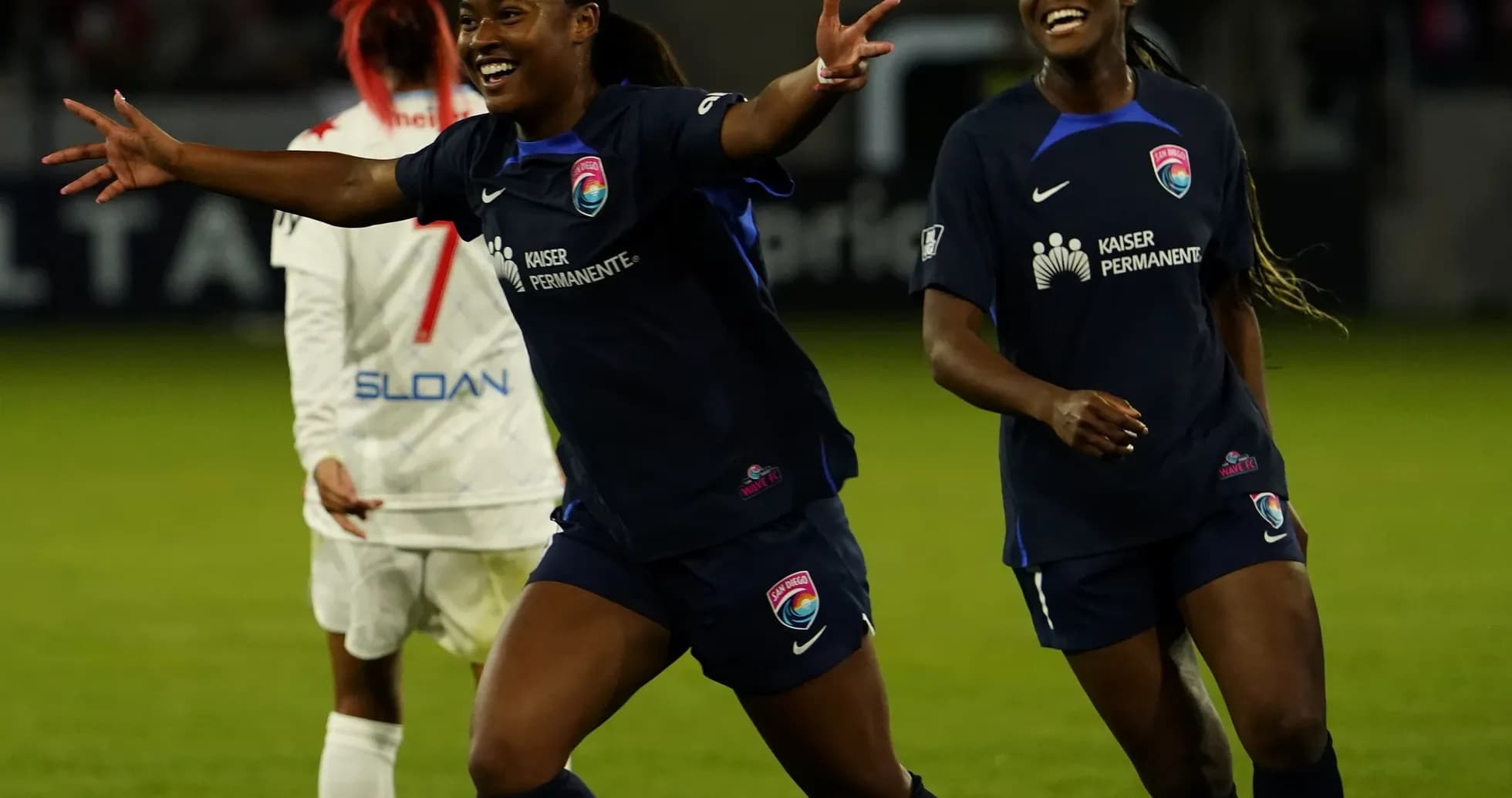
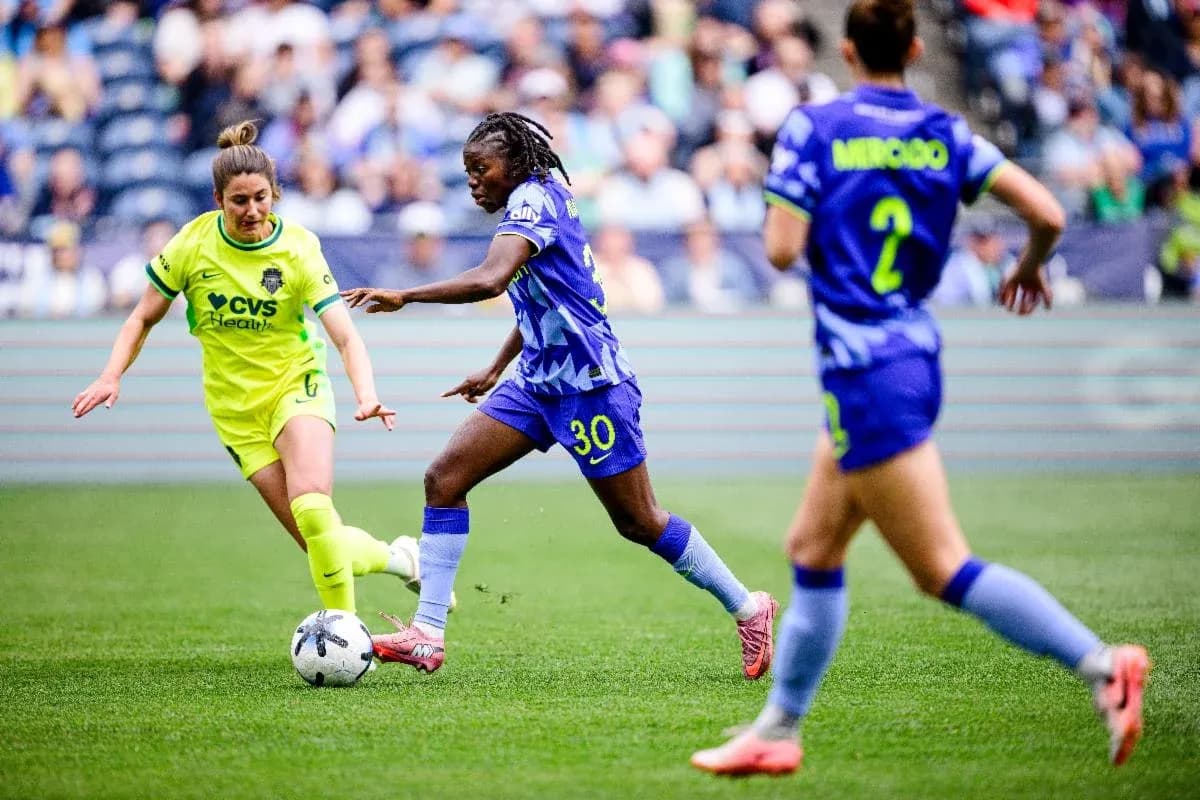
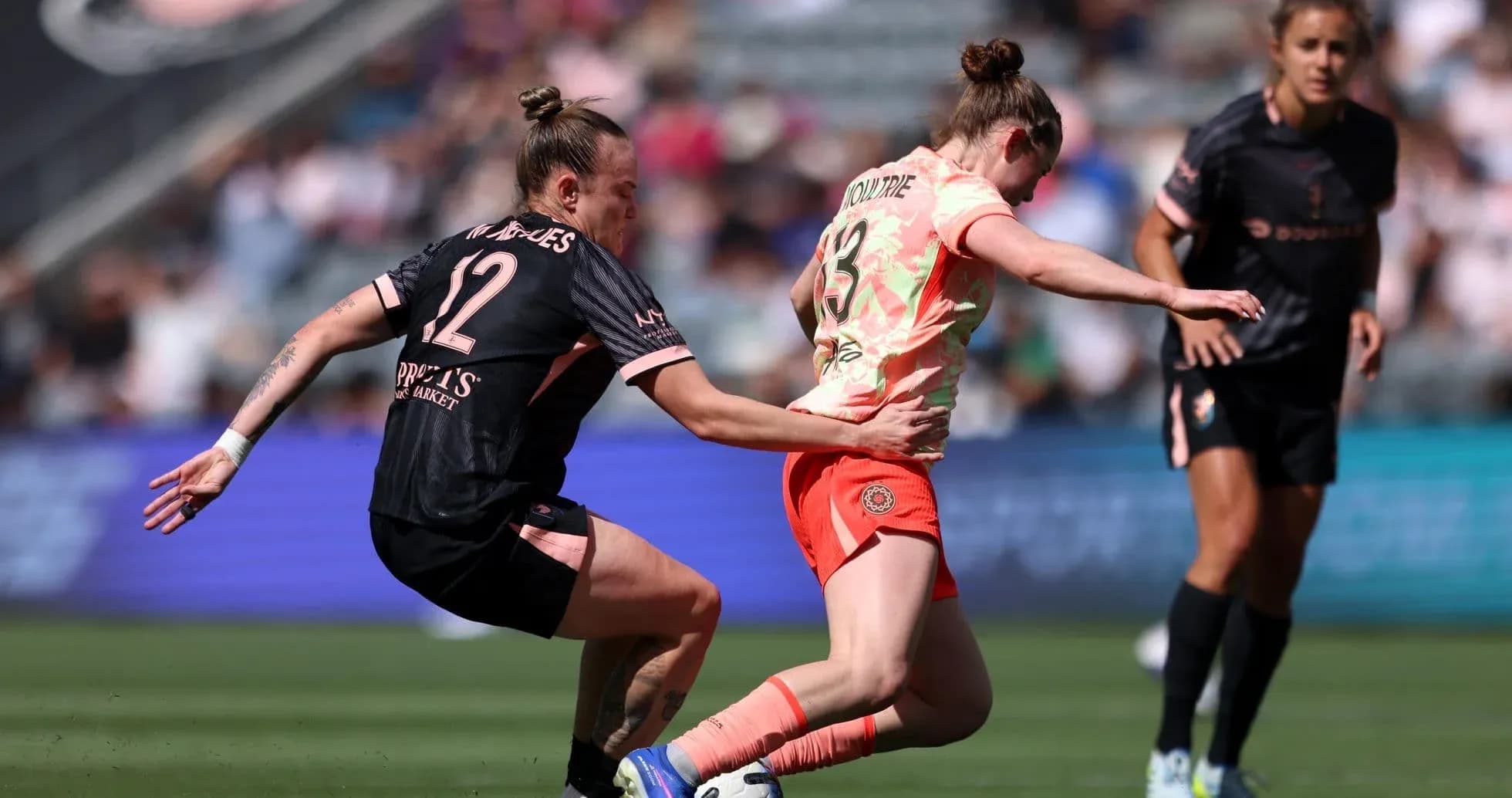
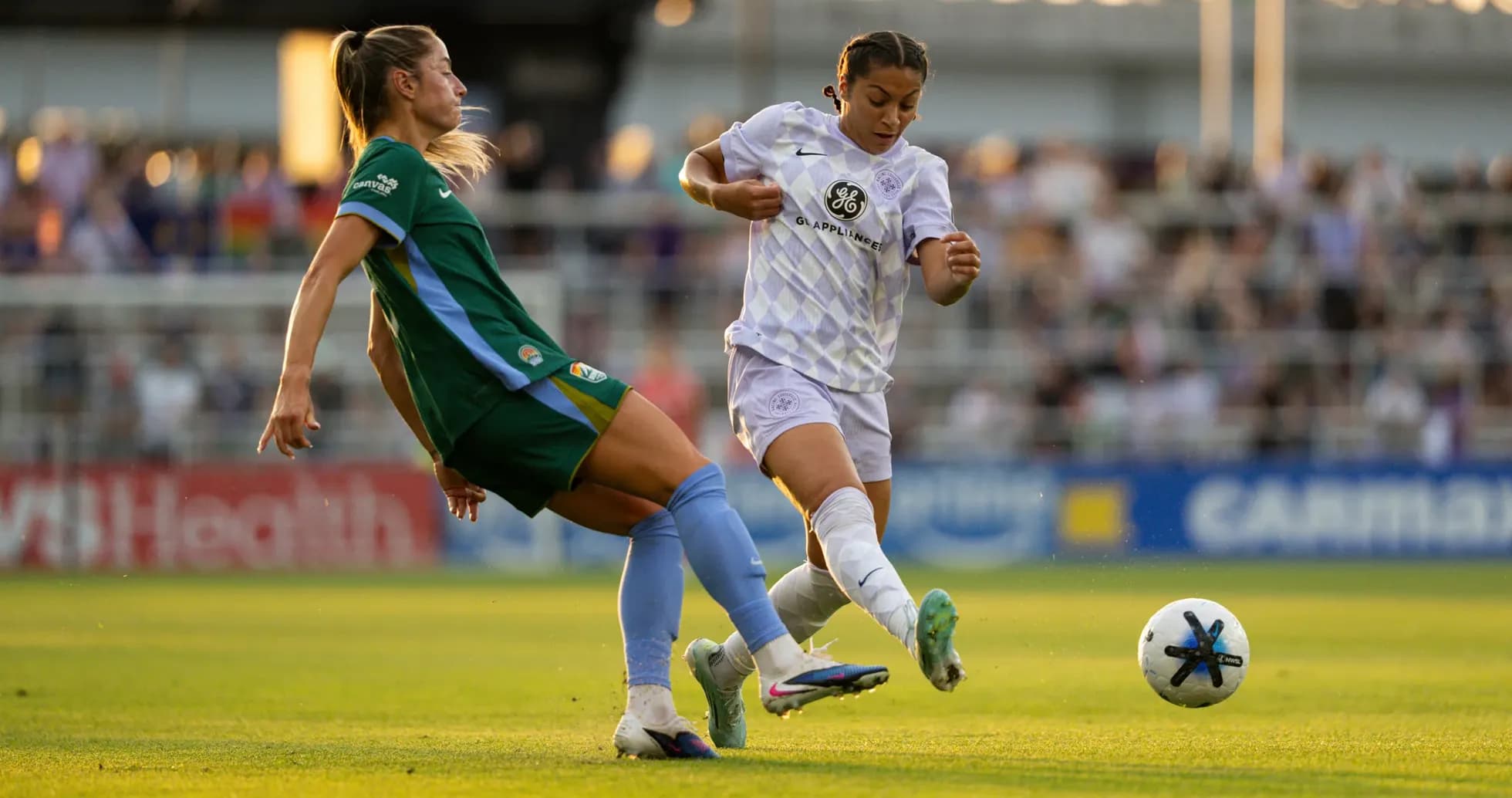
Snapdragon Stadium under the lights, a cool San Diego evening, and two sides who know exactly who they are. Following this result, San Diego Wave W’s 1–0 home defeat to Orlando Pride W feels less like an upset and more like a clash of clearly defined identities: a high‑ceiling, streaky contender against a rugged, opportunistic visitor built around one of the league’s most devastating forwards.
I. The Big Picture – contrasting trajectories in the group
In the NWSL Women 2026 season, San Diego arrive as a top‑end force. They sit 3rd with 22 points from 12 matches, a positive goal difference of 4 (17 scored, 13 conceded overall). Their season has been shaped by surges and stumbles: a five‑game winning streak embedded in a broader form line of “LWWWWWLLWWDL”. At home they have been volatile rather than dominant: 3 wins and 3 defeats from 6, with 7 goals for and 5 against. That translates to 1.2 goals scored at home on average, and 0.8 conceded.
Orlando Pride, by contrast, are the scrappers in the middle pack. They sit 8th with 14 points from 11 matches, their overall goal difference a narrow -1 (15 for, 16 against). They are in every game without truly running away from anyone: 4 wins, 2 draws, 5 defeats. On their travels they have split the difference almost perfectly – 2 wins, 1 draw, 3 losses, 8 goals scored and 8 conceded, for an away average of 1.3 goals both for and against.
Both sides are deeply wedded to the 4‑2‑3‑1 shape. San Diego have used it in 7 league matches this season; Orlando in all 11. In this fixture, that symmetry produced a tactical mirror: two single‑pivot strikers, two No.10 zones, two double pivots fighting for control of the same spaces.
II. Tactical voids and discipline – edges at the margins
The team sheets carried their own story. For San Diego, Jonas Eidevall lined up D. Haracic in goal behind a back four of A. D. Van Zanten, K. Wesley, K. McNabb and K. Pickett. In front, the double pivot of K. Ascanio and K. Dali was tasked with linking into an attacking band of G. Corley, L. E. Godfrey and Dudinha, supporting Ludmila as the lone forward.
Notably absent from the XI was P. Morroni, San Diego’s card‑magnet full‑back and one of the league’s more aggressive defenders. Her 31 tackles, 2 blocked shots and 4 yellow cards this season speak to a player who defends on the front foot and willingly absorbs risk. Without her, San Diego’s back line lost some bite and recovery pace on the flanks, leaning more on positional discipline than duels.
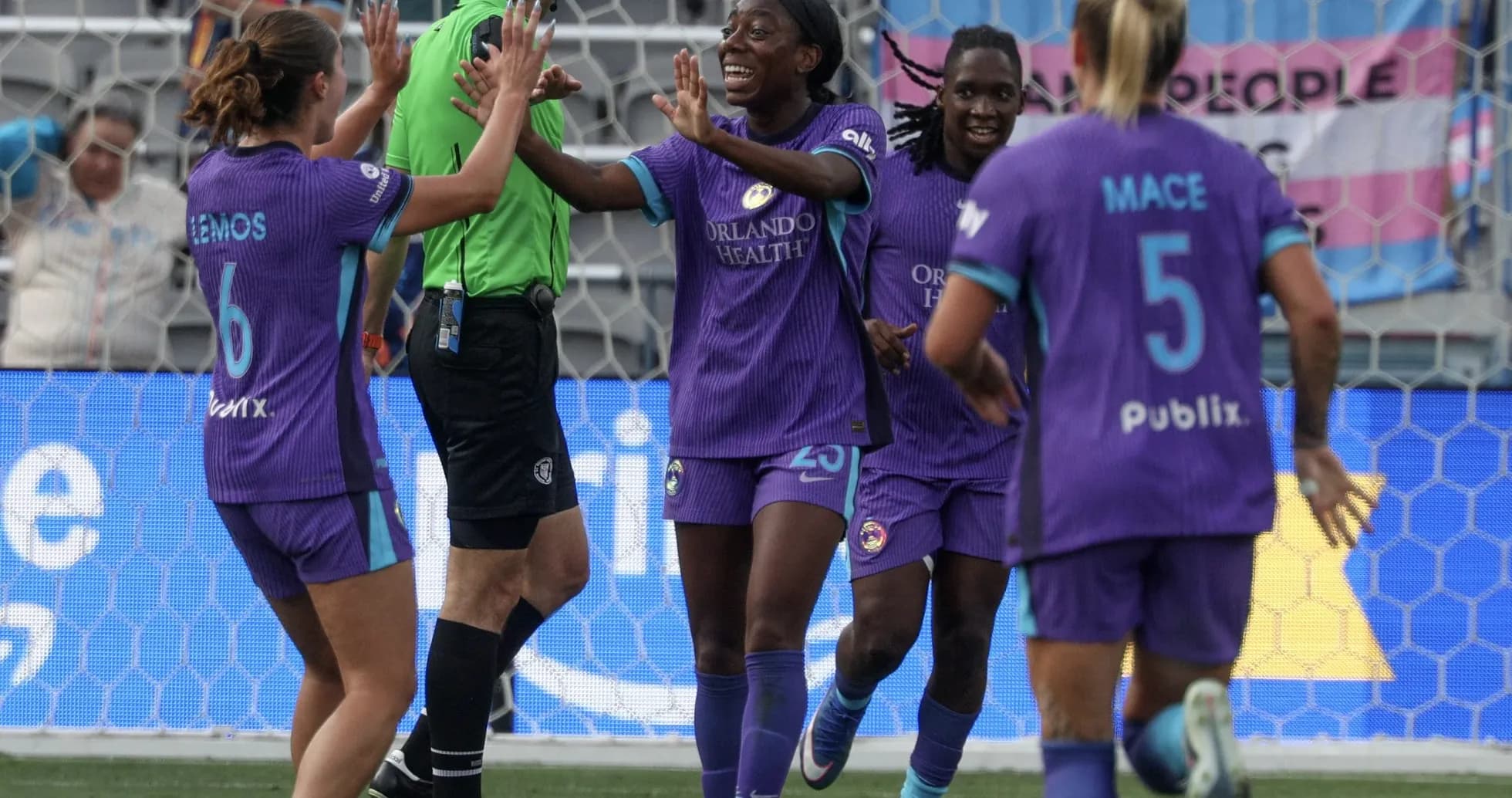
Orlando, under Seb Hines, matched the 4‑2‑3‑1 with A. Moorhouse in goal, a back four of H. Mace, C. Dyke, Rafaelle Souza and O. Hernandez, and a midfield spine featuring H. McCutcheon and A. Lemos as the double pivot. Ahead of them, N. Payne, Luana Bertolucci and J. Doyle floated behind B. Banda.
Disciplinary patterns framed the risk profiles. Heading into this game, San Diego’s yellow cards were spread relatively evenly from 31–45’ through 91–105’, with a late‑game cluster: 18.18% of their yellows came between 76–90’ and another 18.18% between 91–105’. Orlando, though, had a more volatile curve: 28.57% of their yellows arriving between 61–75’, and 21.43% between 76–90’. Their single red card this season has also come in the 61–75’ window. That history suggested a second half in which Orlando might live dangerously on the edge of their own aggression.
III. Key matchups – Hunter vs Shield, Engine Room vs Enforcer
The defining duel was always going to be “Hunter vs Shield”: B. Banda against a San Diego defence that, at home, had conceded only 5 goals in 6 matches. Banda entered as the league’s leading scorer, with 8 goals from 11 appearances, backed by 41 shots (23 on target). She is not just volume; she is constant threat – 25 dribble attempts, 8 successful, 25 fouls drawn, and a willingness to work without the ball (102 duels, 44 won).
San Diego’s “Shield” was collective rather than star‑driven. Haracic’s back four had kept 2 clean sheets overall this season, and the team’s overall goals‑against profile – 13 conceded in 12, an average of 1.1 per match – pointed to a unit that generally manages space well, especially at home. Yet the absence of Morroni’s aggression meant more responsibility on Wesley and McNabb to step into duels early and track Banda’s movement between the lines.
The “Engine Room” confrontation revolved around creativity and control. For San Diego, Dudinha and L. E. Godfrey are the dual threat. Dudinha, with 4 goals and 4 assists in 12 appearances, leads the league in assists; her 42 dribble attempts with 26 successes and 15 key passes make her the Wave’s primary line‑breaker. Godfrey adds 4 goals and 2 assists, with 17 key passes and an 80% pass accuracy. Together, they form a high‑skill, high‑risk axis between midfield and attack.
Orlando’s counterweight was A. Lemos at the base and Luana Bertolucci higher up. Lemos is an under‑the‑radar controller: 367 passes at 71% accuracy, 19 key passes, 19 tackles and 12 interceptions. She also walks a disciplinary tightrope, with 2 yellow cards and a notable penalty miss on her record this season – a reminder that her assertiveness can cut both ways. Luana’s role between the lines, supported by the width of Payne and Doyle, was to disrupt San Diego’s build and find the early vertical pass into Banda’s runs.
IV. Statistical prognosis and what the 1–0 tells us
Heading into this fixture, the numbers suggested a narrow, high‑stakes contest rather than a shoot‑out. San Diego’s overall scoring average sat at 1.4 goals per match, Orlando’s at 1.4 as well. Defensively, San Diego’s 1.1 goals against per game compared with Orlando’s 1.5 hinted at a slight home edge in solidity, offset by Orlando’s 4 clean sheets – 3 of them away.
The 1–0 full‑time scoreline in favour of Orlando fits the expected‑goals logic of two compact 4‑2‑3‑1s: one mistake, one moment of quality from the Hunter, and the game tilts. Orlando’s capacity to keep clean sheets on their travels, combined with San Diego’s tendency to fail to score at home (3 times in 6 matches), always left open the possibility of a low‑xG grind in which Banda’s finishing would be decisive.
Following this result, the tactical story is clear. San Diego’s ceiling remains high, but their dependence on Dudinha and Godfrey to unlock defences – and their occasional bluntness at home – is a structural concern. Orlando, meanwhile, leave Snapdragon Stadium with their identity reinforced: a disciplined, sometimes chaotic side who can ride the disciplinary line, trust their 4‑2‑3‑1 block, and let B. Banda turn half‑chances into points.