England Faces Panama: Tuchel's Dilemma Amid Injury Concerns
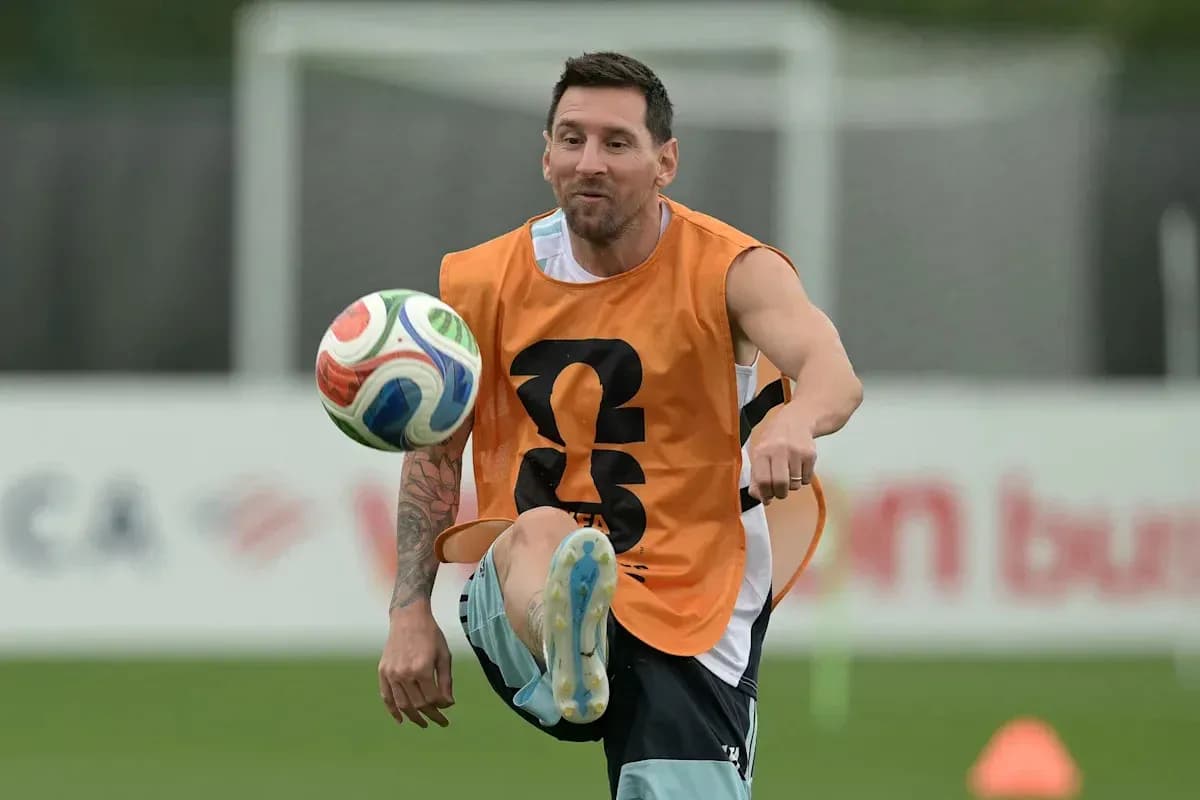
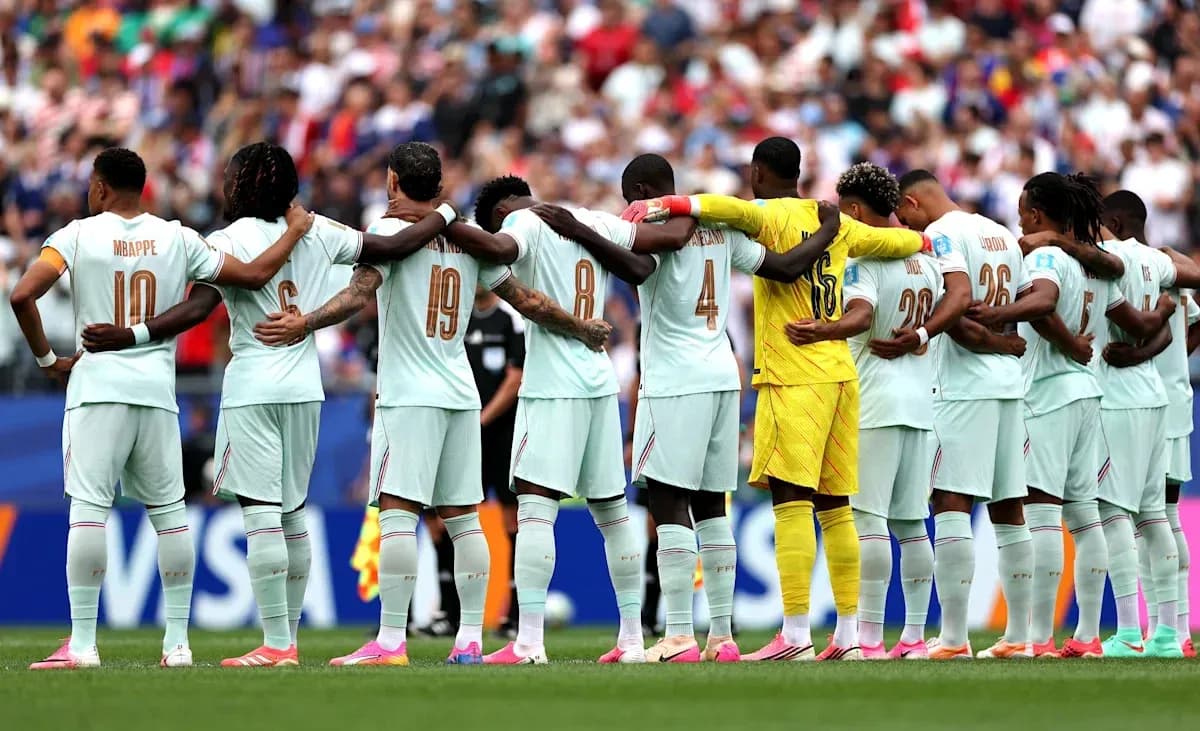
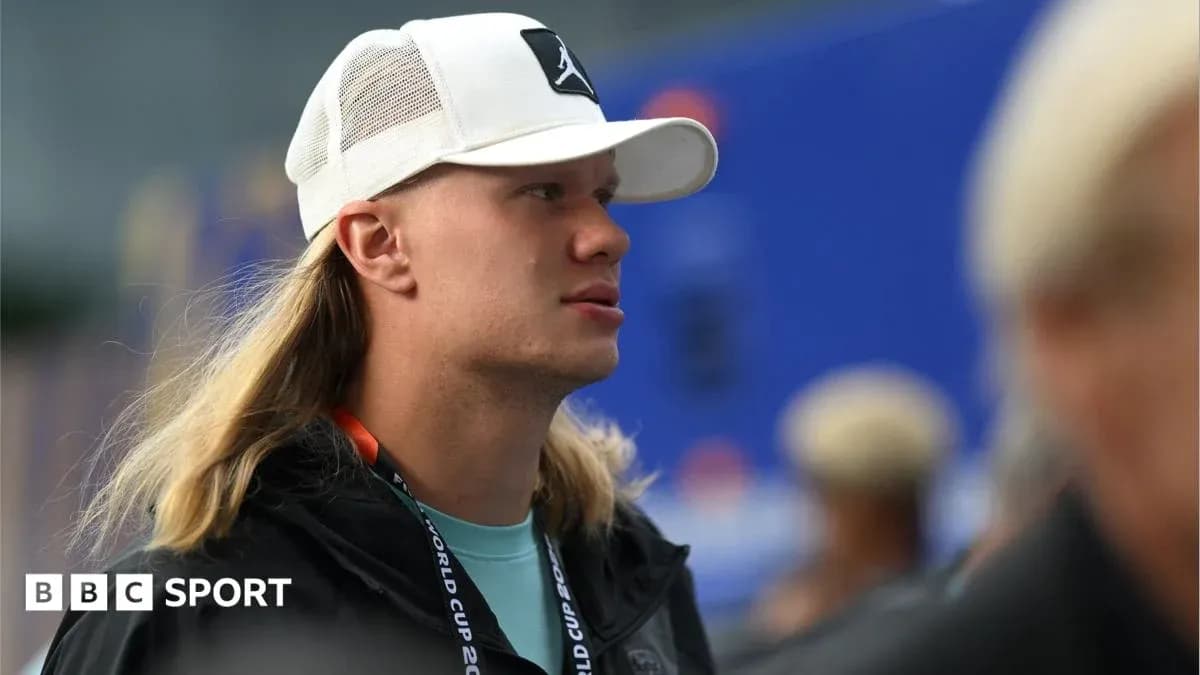
In a kinder fixture list, Thomas Tuchel’s biggest question before England met Panama would have been a luxury one: protect Harry Kane’s legs or let him loose to chase the Golden Boot pack of Lionel Messi, Erling Haaland and Kylian Mbappé.
That option vanished in New Jersey.
The goalless draw with Ghana did more than stall England’s momentum. It stripped Tuchel of the chance to rotate with impunity and left Group L’s top spot still unclaimed. What should have been a gentle tune‑up now carries real jeopardy, with England staring at a brutal run of four matches in 13 days if they go deep.
This was the game Ollie Watkins and Ivan Toney would have circled as Kane’s breather. Instead, Tuchel walks into it juggling risk and rhythm, knowing he cannot afford to limp into the last 32 from second place.
Rotation under strain
There will be changes against Panama, but not the carefree kind managers enjoy when qualification is wrapped up early.
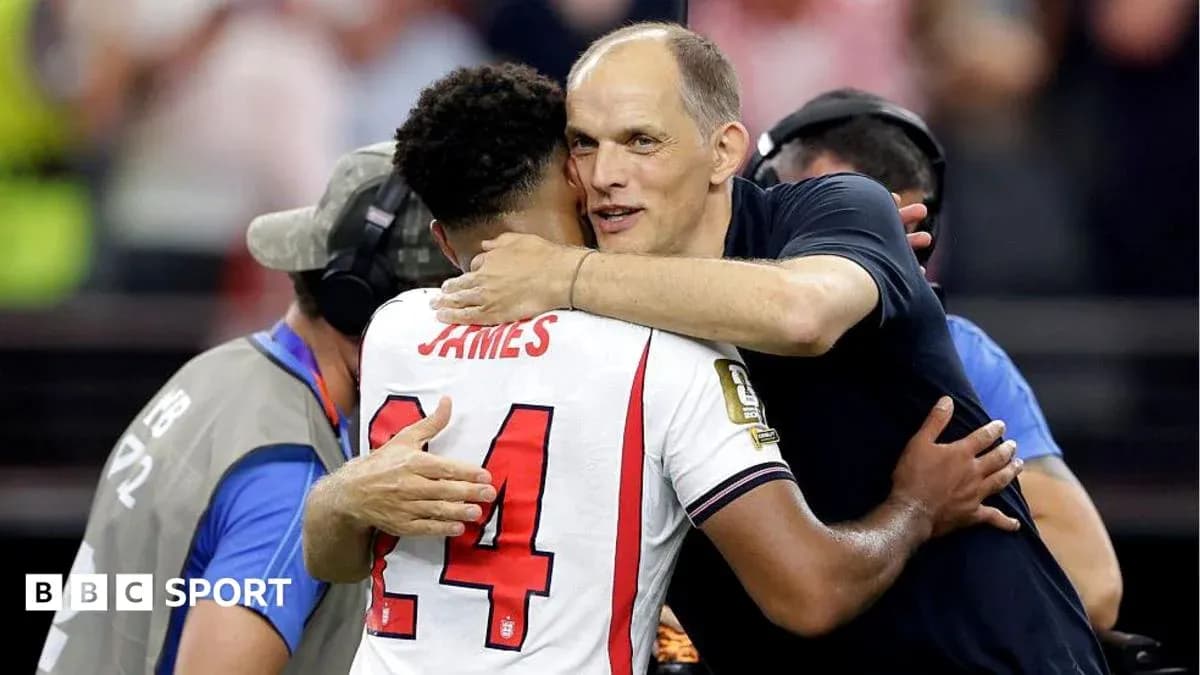
Declan Rice, one booking from a ban, finished the Ghana match with strapping on his left calf. His situation alone demands thought. Reece James’s is worse. The right-back’s hamstring has gone again, ruling him out for at least two games and stripping England of one of their few natural attacking full-backs.
No one can claim surprise. James’s hamstring history is well known; he missed almost two months at the end of the season. Tuchel gambled by naming only three attacking full-backs in his squad. It has blown up on him.
Tino Livramento, another injury-prone option, has already left the camp and been replaced not by a runner from deep but by centre-back Trevoh Chalobah. The burden of providing width from the back now falls on the young shoulders of Nico O’Reilly. On the opposite flank, the alternatives to James at right-back – Ezri Konsa, Jarell Quansah and Djed Spence – are all more comfortable defending than raiding. Every minute they play will invite fresh scrutiny of the decision to discard Trent Alexander-Arnold.
What should have been a straightforward assignment against Group L’s bottom seeds now feels tight and awkward. The price of that stalemate with Ghana is that England cannot coast.
Kane, Bellingham and the balance of risk
So do Kane and Jude Bellingham go again? Tuchel knows some of his A-listers must stay on the pitch. He will not want the group to slip away and twist England’s route through the knockouts. He also knows this team needs to rediscover its spark after a familiar pattern: an impressive opening win over Croatia, then a flat second outing at a major tournament.
There is no panic in his voice, but there is an edge. England must improve against low blocks. Ghana’s compact 4‑5‑1 turned the game into a slog, and Panama promise something similar.
Thomas Christiansen’s side are already out after 1-0 defeats to Ghana and Croatia, yet they have been stubborn and organised in both. They are a long way from the naïve outfit thrashed 6-1 by England at the 2018 World Cup.
Tuchel expects a night spent probing at a wall. Panama’s back five will often resemble a back six or seven. He knows England have looked at their most anaemic against that kind of resistance. They were thrilling when Croatia, Serbia and Wales gave them grass to run into. The memory of laboured qualifying displays against Andorra, Albania and Latvia is harder to shake. Ghana sat deep, spoiled and broke when they could. It worked.
Thomas Partey shadowed Kane, smothering the captain’s instinct to drop off and knit play. The numbers told the story: Kane managed only 19 touches and combined with Bellingham just three times. England monopolised the ball with 78.8% possession but failed to register a shot on target until after the interval.
No easy answers against the block
Tuchel has not cracked the code. He admitted as much.
“It is normal that it is difficult for us to overcome these blocks,” he said after Ghana. England wanted to be proactive, to control the counterattacks. Twice they failed, and twice they were exposed.
“I haven’t found the recipe where: ‘They do this, then we do this and then we are fine.’” That is as blunt as it gets from him. The plan against Panama is to be “very active and aggressive” without being “stupid and naive”. Seven players on the last line and three left to defend is not his idea of serious football.
Tuchel lives for control, for rehearsed patterns and carefully engineered overloads in key areas before the tempo suddenly rises. The flaw is obvious when opponents refuse to come out.
“There was no overload against Ghana,” he said. “There will very likely be no overload against Panama.”
So England must take more risks with the ball. They must resist Panama’s attempts to chop up the rhythm, to turn the game into a series of stoppages and scraps. Bellingham’s irritation against Ghana betrayed that frustration; his needless foul just before half-time was the act of a player forcing it.
Searching for a spark on the flanks
The demands are clear. The centre-backs must step out more boldly. Kobbie Mainoo’s composure in tight spaces could become vital if he replaces Rice in midfield. The wingers must attack their full-backs, not just wait for the game to come to them.
Tuchel hopes Bukayo Saka is ready to return on the right in place of Noni Madueke. On the left, Anthony Gordon has not convinced and may give way to Marcus Rashford. Another option is to use Eberechi Eze or Morgan Rogers, letting them drift inside to connect with Bellingham and Kane.
Bellingham, for his part, showed constantly for the ball against Ghana. England simply did not find him often enough.
Tuchel is troubled by how quickly the chemistry on the left has evaporated. Earlier this month, Gordon and O’Reilly dovetailed superbly in a friendly win over Costa Rica. “I thought: ‘OK, left side is solved,’” he admitted. Then the tournament began.
“We played the first match and they’re not clicking. It was not the same penetration, not the same verticality, and this was the same in the second match.” The right-footed Spence, asked to fill in at left-back against Ghana, offered little going forward after replacing the more adventurous O’Reilly. Rashford did not appear until the 83rd minute and has yet to prove he can shape a game from the start. “He’s a candidate to start,” Tuchel said. “But the left side in general needs to provide more threat.”
One-against-one or nothing
Tuchel keeps dragging the conversation back to the collective, not the star names. He wants his players to relish the “one-against-ones” that will decide this kind of match, aware that Panama will fight tooth and nail to prevent England creating any kind of overload.
“It is difficult to accelerate the match against these low blocks,” he said. It comes down to “one moment of quality and a bit more precision with the crossing”. Are England attacking the box aggressively enough when the ball comes in? Can they shoot more from distance, hunt for deflections, force something ugly over the line?
He is trying to keep a sense of proportion. Carlos Queiroz’s Ghana, he argued, are a nightmare for anyone. “I have experienced matches like this in the group stages of the Champions League,” Tuchel said. “You know they will celebrate their duels, they will celebrate their counterattack. Once they come over the middle line of the pitch they celebrate like a goal. It was like that. They celebrated a 0-0 like they won.”
England do not have that luxury. Expectations sit higher, and so does the pressure to entertain. Against Panama, they are not just playing for points. They are playing for mood, for belief, for the sense that this campaign is building rather than stalling.
Tuchel has talked about control since the day he took the job. Now he may have to do the thing he dislikes most: loosen it, release the handbrake and trust this group to find chaos on their own terms.