Dembélé Shines as France Dominates Norway in World Cup Clash
The script was supposed to be simple: Kylian Mbappé v Erling Haaland, World Cup Golden Boot contenders colliding under the lights at Boston Stadium.
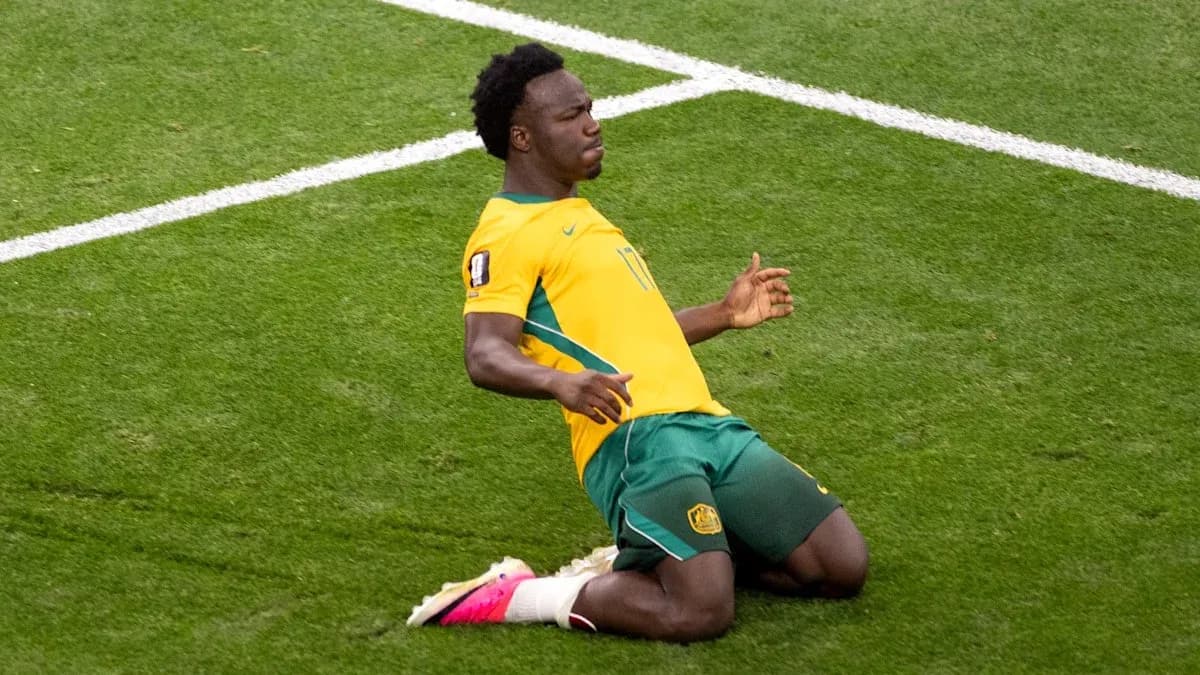
Instead, Haaland sat, Mbappé rattled the bar inside a minute, and Ousmane Dembélé tore the whole thing up.
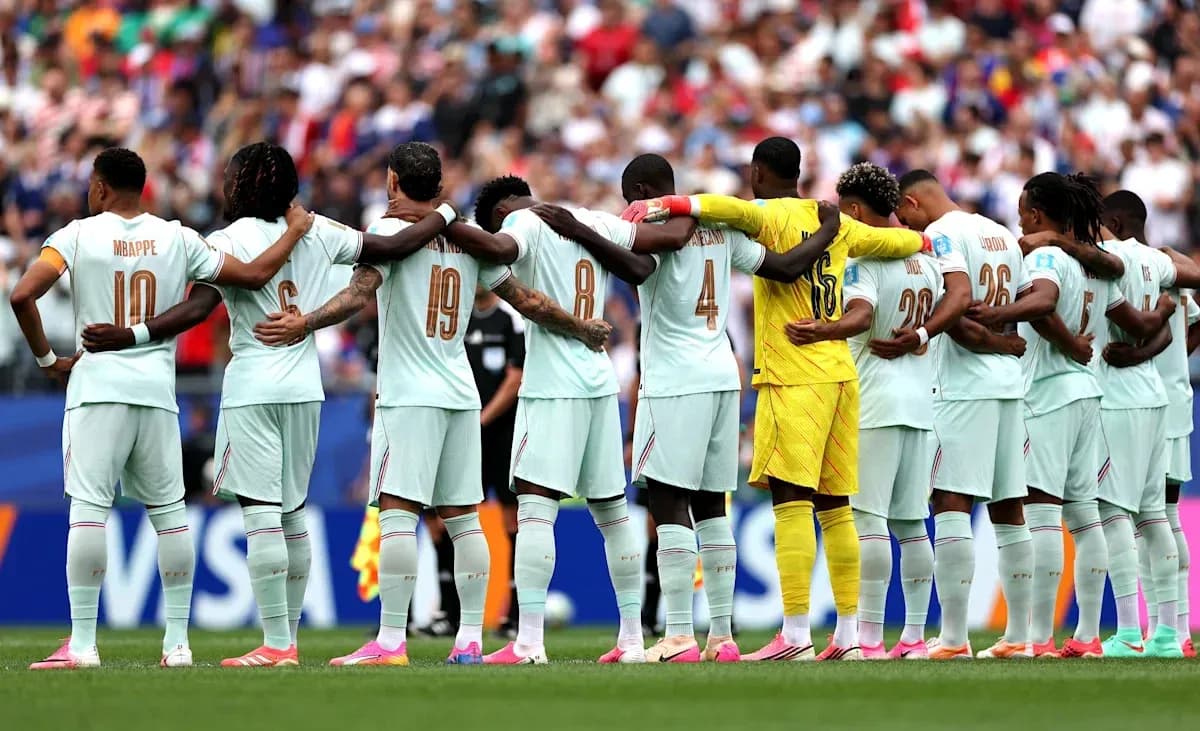
By half-time, the Ballon d'Or winner had a 25-minute hat-trick, France had the game in a chokehold, and the supposed heavyweight duel had turned into a 4-1 procession that sent Les Bleus gliding through as Group I winners.
Dembélé steals the stage
The tone was set almost immediately. Mbappé, all twitching energy and intent, crashed a shot against the underside of the crossbar before Norway had even settled into their shape. It felt like a warning.
The real damage came from the opposite flank.
With Norway stripped of their usual backbone, Dembélé found a defence full of gaps and uncertainty and went to work. His movement shredded them, his finishing was ruthless, and his hat-trick landed with the kind of authority that changes the conversation around a tournament.
France had rolled out an attacking line-up designed for July nights in New Jersey, where they hope to be playing for the trophy. This looked like a team already in knockout gear: three wins from three, goals flowing, big names humming.
Norway, by contrast, treated it like a calculated gamble.
Solbakken’s roll of the dice
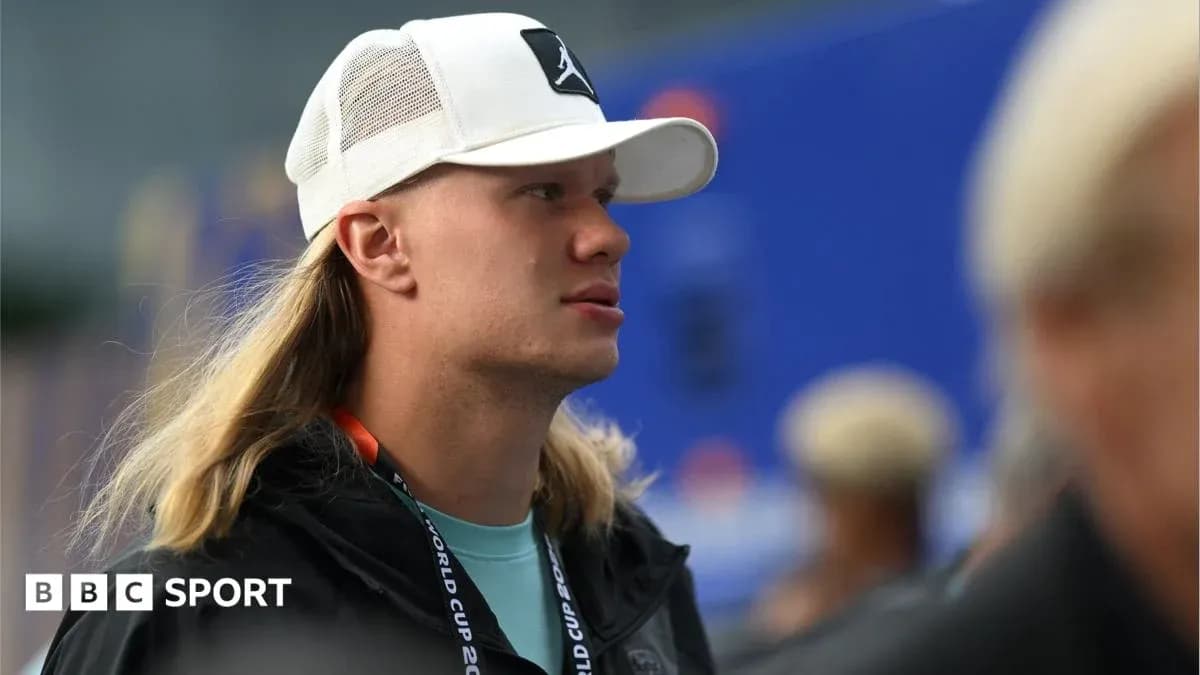
Ståle Solbakken did not just rest Haaland. He tore up his starting XI.
Ten changes. Haaland out. Martin Ødegaard out. The spine of a side that had already booked its place in the knockouts, removed in one sweep.
“A no-brainer,” he called it. The manager leaned on the advice of his physios, the medical staff and the players themselves. The data from the win over Senegal had painted a worrying picture: five or six players heavily affected after 80 minutes, the entire defensive line among them. For a team built on intensity and physicality, that mattered.
The one thing that did give him pause? The fans.
“The only consideration was for the Norway fans,” he admitted. They had travelled thousands of miles to see Haaland and Ødegaard lead their country on the biggest stage. Instead, they watched them sit.
Ian Wright, speaking before kick-off, framed it simply: if Haaland needed a rest to be sharp for the latter stages, he would take it. Norway agreed.
The cost of that decision played out on the pitch.
Missed penalties and missed opportunities
Haaland had arrived in Boston with four goals from his first two group games, fresh from a brace in a 3-2 win over Senegal. After that match, with qualification secured, he had already downplayed the France clash.
“I couldn't care too much about that game now,” he said. “They're probably going to win against us. They're probably going to win the whole tournament.”
On the night, he watched as a spectator while his stand-in, Jørgen Strand Larsen, passed up the moment that could have dragged Norway back into it. At 3-1 down after the break, Norway won a penalty. Score it, and the game flips to 3-2 with time and belief to spare.
Strand Larsen missed.
The chance went, the jeopardy with it. France never looked like letting them back in again.
Pat Nevin, on BBC Radio 5 Live, pointed to the sheer physical toll of Norway’s usual approach. This is a side that leans into its size and power, a team stacked with players over 6ft 4in, including Haaland. That full-strength version, Nevin argued, would have posed a very different question for France, closing space, turning the night into a fight.
Instead, with a shadow XI, the gaps opened up and Dembélé walked through them.
Wright admitted he was “surprised” at the scale of the rotation, especially after Norway had named the same starting XI for wins over Iraq and Senegal. Solbakken, though, had already decided the bigger picture mattered more than one glamour fixture.
The price of rest
The decision now stretches far beyond one defeat.
France, as group winners, stay in the region. Their last-32 tie comes at the nearby New York New Jersey Stadium on 30 June, against the runners-up from Group F or G. Minimal travel, maximum control over their schedule.
Norway’s path is far more gruelling.
Based in Greensboro, North Carolina, they must now travel more than 1,100 miles to Arlington, Texas, to face Ivory Coast on the same day. Had they topped the group, that journey would have been roughly half the distance.
“It is quite complicated,” Nevin said of the logistics. Lose this game, and you uproot everything: training routines, recovery plans, even sleep cycles. The distances in the United States are brutal, and this is where they start to bite.
On the other side of the argument sits the manager’s core logic: just get through, with everyone “completely and utterly fit”. That, Nevin suggested, is at the forefront of Norwegian minds.
If Norway beat Ivory Coast, they will then head to New Jersey for a last-16 tie on 5 July against the winners of Brazil-Japan. That is the scenario Solbakken has bet on: a fresher Haaland, a recharged Ødegaard, a full-strength, fully rested side ready for the real cut-and-thrust.
Fans, history and the fine margins
The human cost of that gamble was visible in the stands.
Thousands of Norwegian supporters have poured money and emotion into this World Cup trip. When the team news dropped and Haaland’s name was missing, there was confusion, a few mutters, plenty of head-shaking.
They did what fans always do when the script changes: they made their own fun. The Viking-style row celebration rippled through sections of Boston Stadium before and during the game, a defiant, noisy refusal to let selection policy ruin the experience.
History offers mixed guidance on whether Solbakken’s approach will pay off.
Norway became just the fourth team to make 10 or more changes to a starting XI in a single World Cup edition. Spain did it in 2006, rotating all 11 players against Saudi Arabia and still winning their final group game, only to fall 3-1 to France in the last 16.
Belgium provide the counterpoint. In 2018, they made 10 changes and still beat Japan 3-2, then went on to knock out Brazil 2-1 in the quarter-finals before finally bowing out to France.
One example of it working. One of it backfiring. Norway are now walking that tightrope.
France, meanwhile, stride on with clarity and momentum. Dembélé is flying, Mbappé is close to full eruption, and a perfect group stage has given them the route and rhythm every contender craves.
Norway’s story will be written in Texas. Was this a brave, long-view masterplan that keeps their stars fresh for the matches that really matter, or a misjudged sacrifice of a statement game that has handed them a harder road?
We find out when a rested Haaland finally steps back onto the pitch with no margin left for error.