Chicago Red Stars vs San Diego Wave: A Tactical Analysis
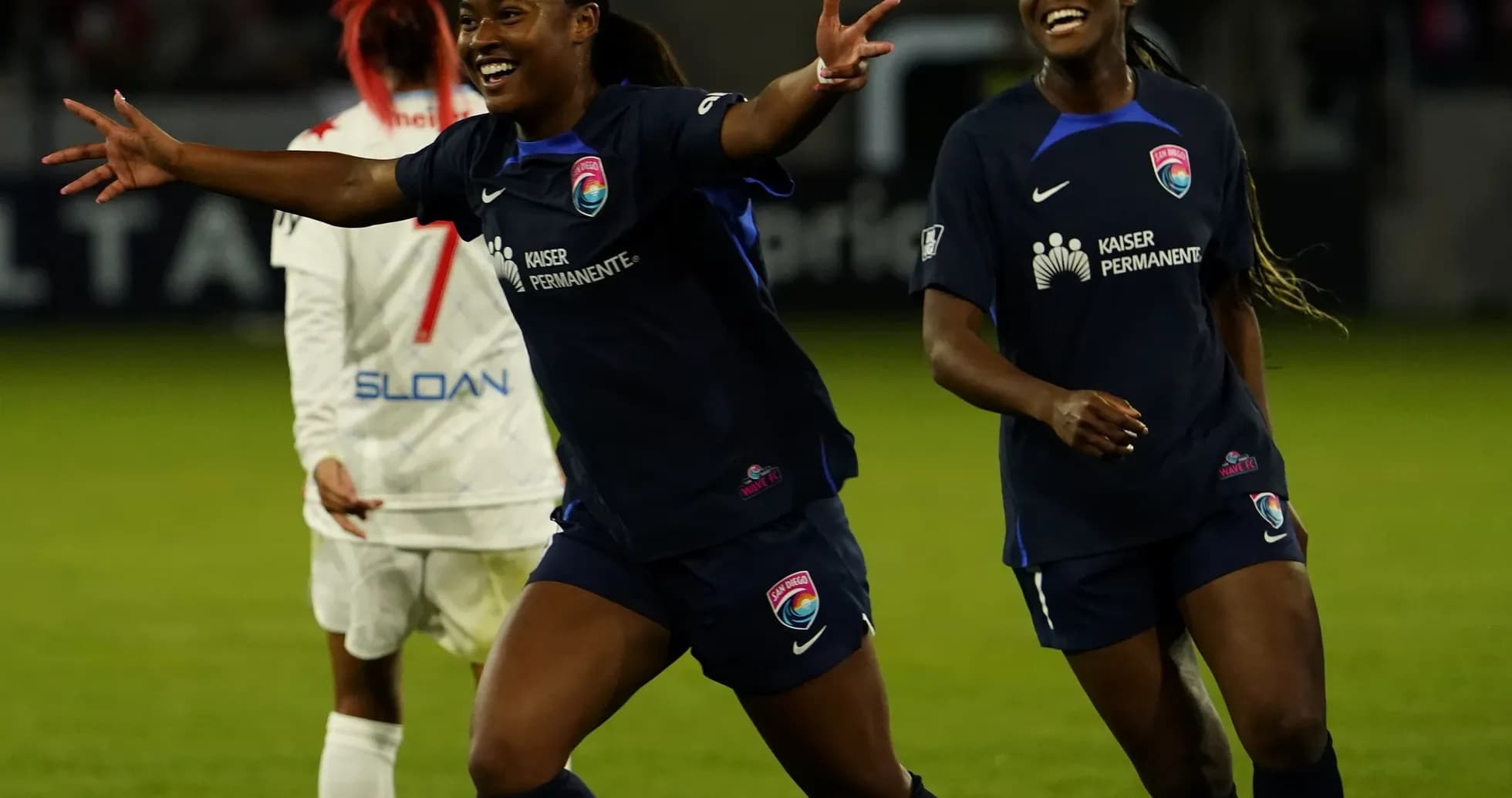
Northwestern Medicine Field at Martin Stadium had the feel of a measuring stick more than a routine group-stage date. On one side, bottom‑placed Chicago Red Stars W, marooned in 15th with 9 points and a goal difference of -19 (5 scored, 24 conceded overall). On the other, San Diego Wave W, the league’s current standard-setters at the top of the NWSL Women table with 25 points and a goal difference of +6 (19 for, 13 against overall). The 0‑2 final scoreline simply confirmed what the season has been hinting at: these two clubs are living very different realities.
Chicago came into this fixture shaped by struggle. Overall they average just 0.4 goals for per game while conceding 2.0, a brutal ratio that explains their 3 wins and 9 losses from 12 matches. At home, the picture is only marginally softer: 0.7 goals for and 1.7 against on average, with 2 wins and 4 defeats. That context framed Martin Sjogren’s decision to lean into a 4‑1‑4‑1: a compact, protective shell with just enough attacking height to threaten in transition.
The back four of N. Gomes, S. Staab, K. Hendrich and J. Bike was shielded by M. Lopez Millan as the single pivot, tasked with plugging central lanes and helping Chicago resist Wave’s rotations between the lines. Ahead of her, a band of four — R. Gareis, J. Grosso, B. A. Pinto and M. Swanson — carried the dual burden of pressing and providing service to lone striker J. Huitema. On paper, it was a structure designed to survive first and create second, a reflection of a team that has already failed to score in 9 of its 12 league matches overall.
San Diego arrived with very different energy. Their season has been built on controlled aggression: 19 goals scored and only 13 conceded overall across 13 matches, with 8 wins and just 4 losses. Away from home, they have been particularly ruthless, taking 5 wins and 1 draw from 7 trips, averaging 1.7 goals for and 1.1 against on their travels. Jonas Eidevall kept faith with the 4‑2‑3‑1 that has underpinned much of that success, trusting its balance to dominate both territory and tempo.
The back line of P. Morroni, K. McNabb, K. Wesley and A. D. Van Zanten is more than a defensive unit; it is a launchpad. Morroni, a volume defender with 32 tackles, 2 blocked shots and 10 interceptions this season, offers width and aggression on the left, even as her 5 yellow cards underline the risk in her front-foot style. In midfield, the double pivot of K. Ascanio and K. Dali gave Wave both bite and brains. Dali in particular remains the conductor: 705 passes at 85% accuracy, 33 key passes and 2 assists this season, even if her record from the spot is blemished by a missed penalty.
Ahead of them, the trio of Dudinha, L. E. Godfrey and M. Barcenas formed the creative storm. Dudinha is the league’s standout dual threat: 5 goals and 4 assists overall, with 19 shots, 10 on target, and 20 key passes from 221 total passes. She dribbles relentlessly — 44 attempts, 26 successful — and draws 23 fouls, constantly bending defensive lines out of shape. Godfrey mirrors that productivity from a slightly deeper starting point: 4 goals, 3 assists, 12 shots (10 on target) and 18 key passes from 237 passes at 80% accuracy. With Ludmila leading the line, Wave’s 4‑2‑3‑1 is less about a single star striker and more about a rotating carousel of threats arriving from all angles.
Tactically, the story of this match was always likely to be written in Chicago’s defensive third. The Red Stars’ season-long numbers warned of vulnerability: only 2 clean sheets overall, and at home they concede 1.7 goals per match while rarely having the attacking punch to trade blows. Their yellow-card distribution also hints at a side that often defends reactively; 33.33% of their cautions come between 31‑45 minutes, with another 25.00% between 46‑60, periods when games tend to open up and their structure frays.
San Diego, by contrast, manage their aggression more strategically. Their yellow cards cluster between 16‑90 minutes, but are spread relatively evenly, with a high of 23.08% between 16‑30 and 15.38% in each of the subsequent time bands up to 90. It speaks to a side that knows when to break rhythm without losing control.
The “Hunter vs Shield” matchup in this tie was brutally one-sided. Wave’s attacking core — spearheaded by Dudinha and Godfrey — came in averaging 1.5 goals per game overall, while Chicago’s defense was conceding 2.0. On their travels, San Diego’s 1.7 goals for met a back line that, at home, has already leaked 10 in 6. The 0‑2 outcome felt less like an upset and more like the statistical expectation made flesh.
In the “Engine Room” duel, Dali and Ascanio held a decisive edge over Lopez Millan, Pinto and Grosso. Dali’s volume and precision of passing, combined with Ascanio’s work rate, allowed Wave to dictate where the match was played. Chicago’s 4‑1‑4‑1 could compress space for spells, but without a reliable out-ball and with Huitema isolated, the Red Stars struggled to sustain any pressure high enough up the pitch to unsettle Wave’s back four.
Following this result, the tactical prognosis for both squads sharpens. San Diego’s xG profile — implied by their 19 goals from 13 matches and a relatively low 13 conceded — suggests a side that consistently creates more than it allows, particularly away. Their 5 away wins and only 1 defeat underline a game model that travels: compact when needed, but with enough technical quality between the lines to pry open low blocks like Chicago’s.
For the Red Stars, the numbers demand a recalibration. With just 5 goals in 12 matches overall and an attack averaging 0.7 at home, their margin for error is non-existent. The 4‑1‑4‑1 offers a semblance of stability, but without more vertical support for Huitema and greater risk from wide players like Swanson and Gareis, it risks becoming a purely survivalist shape.
San Diego leave Evanston looking every inch a playoff contender, their structure and stars aligned with their standing at the top of the table. Chicago, rooted to 15th, remain a team searching not just for points, but for a tactical identity that can turn damage limitation into genuine resistance.