Kansas City W Dominates Portland Thorns W in NWSL Showdown
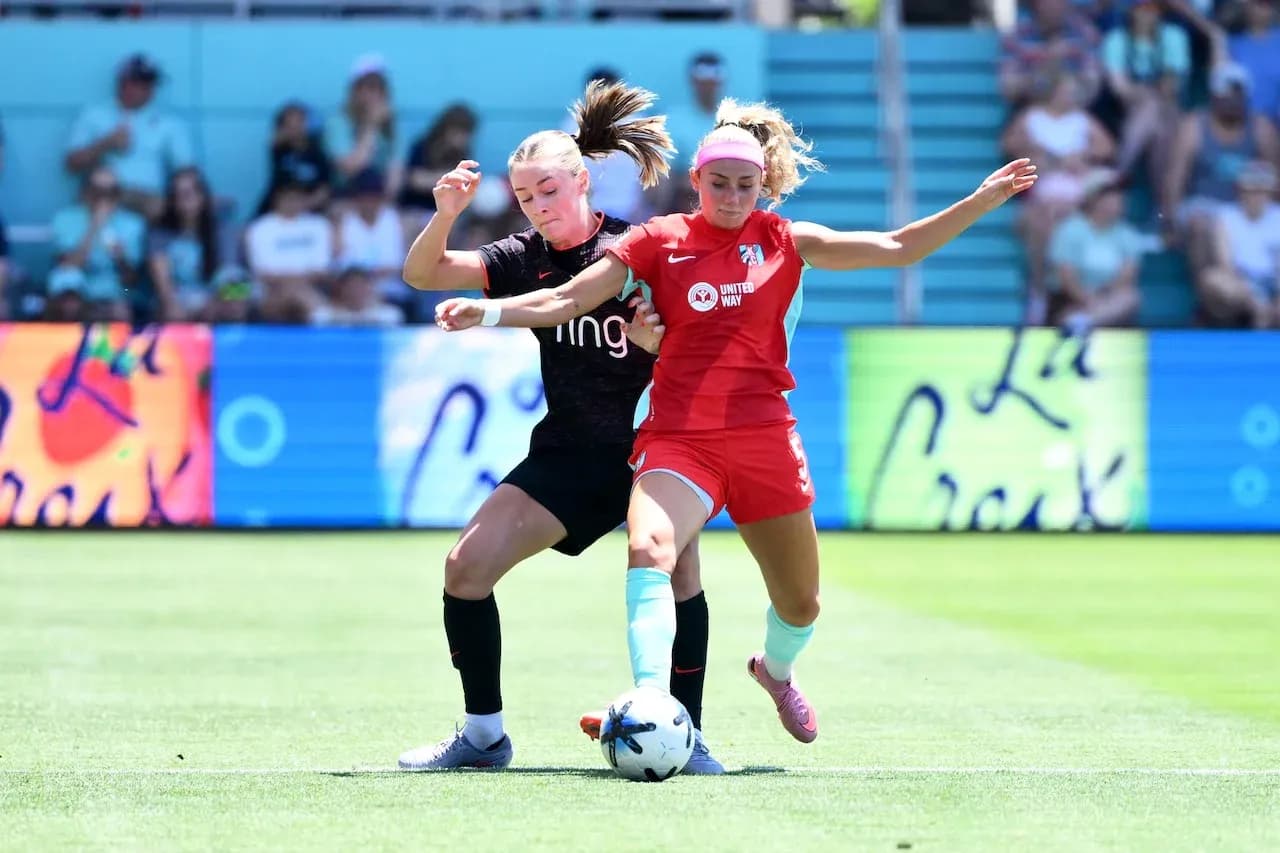
Under the late-afternoon light at CPKC Stadium, Kansas City W turned a meeting of contrasting NWSL identities into a statement of intent. Following this result, the 3–1 home win over Portland Thorns W did more than extend a perfect home record; it underlined how Chris Armas’ side have built a fortress around a clear tactical spine, and how even a high-flying Portland outfit can be bent out of shape when dragged into Kansas City’s kind of game.
I. The Big Picture – Fortress vs Contender
This was a Group Stage clash in the NWSL Women season, but it carried the weight of a playoff dress rehearsal. Heading into this game, Kansas City sat 6th with 18 points from 11 matches, their campaign defined by extremes: flawless at home, fragile on their travels. At home they had played 5, won 5, scoring 13 and conceding just 3. Overall, their goal difference of 0 came from 17 goals for and 17 against, a perfect statistical split masking a very uneven distribution between home and away.
Portland, by contrast, arrived as the more rounded contender. They were 2nd with 23 points from 12 matches, their total goal difference of 6 built from 18 goals for and 12 against. At home they had been almost untouchable, with 8 goals scored and none conceded, but on their travels the picture was more human: 7 away games, 3 wins, 1 draw, 3 defeats, with 10 goals for and 12 against.
Both coaches doubled down on their season-long blueprint: matching 4‑2‑3‑1 shapes that promised symmetry on paper but delivered very different rhythms on the pitch.
II. Tactical Voids and Discipline – Edges in the Margins
With no listed absentees from the squad data, this was as close to full-strength as either side could hope for. That meant Kansas City could lean into their established 4‑2‑3‑1, with Lorena in goal, a back four of I. Rodriguez, K. Sharples, G. Robinson and E. Bravo-Young, and a double pivot anchored by L. LaBonta and B. Feist. Ahead of them, the creative trident of M. Cooper, C. Bethune and T. Chawinga supported central forward A. Sentnor.
Portland mirrored the structure: M. Arnold behind a back line of M. Vignola, S. Hiatt, C. Calzada and R. Reyes; a midfield shield of C. Bogere and J. Fleming; and an attacking three of R. Turner, P. Tordin and M. Muller behind striker S. Wilson.
Discipline was always going to matter. Kansas City’s season card profile shows a tendency to pick up yellows in the 31–45 minute window, where 37.50% of their cautions arrive, a sign of a side that pushes intensity up as the half closes. Portland’s yellow-card pattern peaks late, with 27.27% of their cautions between 76–90 minutes, while their red-card history – one for R. Reyes and a yellow‑red for C. Bogere – hints at a defensive unit that can be stretched into risky decisions.
In this context, Kansas City’s plan to accelerate the tempo around the half-hour mark and again late on was more than emotional; it was data-backed pressure on a back line that has already shown it can overstep.
III. Key Matchups – Hunter vs Shield, Engine Room Wars
Hunter vs Shield centered on one of the league’s most devastating runners: T. Chawinga. Heading into this game, she had 6 goals and 2 assists in 7 appearances, a ruthless output from midfield supported by 10 shots (6 on target) and a 7.44 average rating. Her movement from the left half-space, starting nominally as a midfielder but constantly breaking lines, was designed to attack Portland’s one real structural weakness: away defending.
On their travels, Portland had conceded 12 goals in 7 matches, an average of 1.7 per away game, compared to 0.0 at home. That split framed the duel between Chawinga and the left side of Portland’s defensive block, particularly R. Reyes and S. Hiatt. Reyes is an aggressive full-back – 15 tackles, 6 successful blocks and 11 interceptions, plus that one red card – and Kansas City repeatedly asked her to defend space behind rather than simply step forward.
The “Engine Room” confrontation was just as compelling. For Kansas City, C. Bethune and M. Cooper came in as dual creators: Bethune with 2 goals, 3 assists, 283 passes and 12 key passes; Cooper also on 2 goals and 3 assists, with 10 key passes and a willingness to drive at defenders (24 dribble attempts, 9 successful). Their task was to disrupt the axis of C. Bogere and J. Fleming.
Bogere is Portland’s enforcer, with 33 tackles, 2 blocks and 11 interceptions, but also 17 fouls committed and a yellow‑red on her record. Bethune’s dribbling volume – 41 attempts, 21 successful – was a deliberate provocation: carry the ball into Bogere’s zone, force decisions, and tilt the foul count.
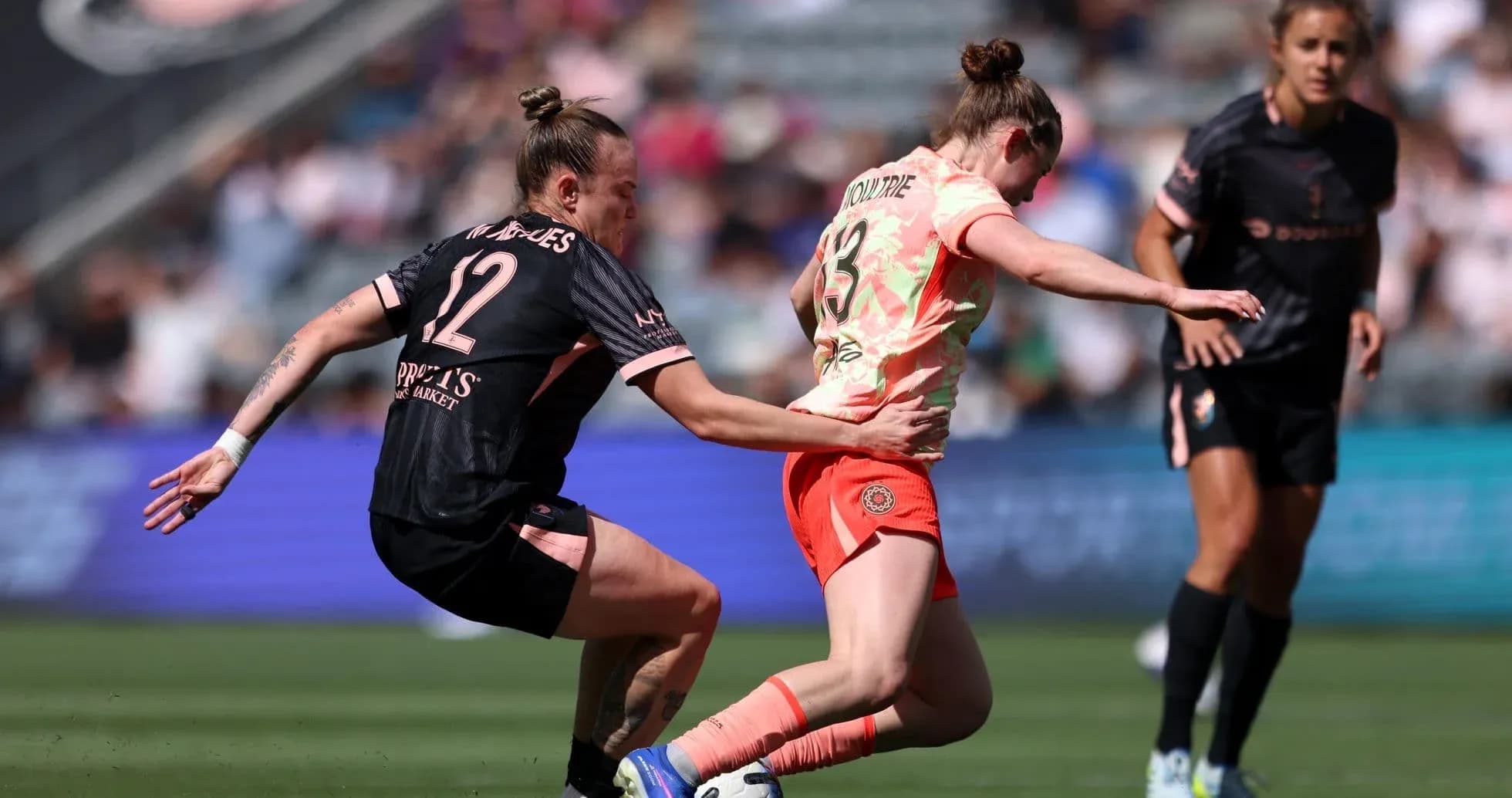
Further ahead, Portland’s own creative cluster of R. Turner, P. Tordin and the often-introduced O. Moultrie (4 goals and 4 assists, 24 key passes) usually gives them a technical edge. But in a game where Kansas City’s press was choreographed around LaBonta and Feist stepping to second balls, Portland’s trio were often forced to receive with their backs to goal, reducing their ability to combine in the half-spaces.
IV. Statistical Prognosis and What the Scoreline Says
From a season-wide lens, this result looks like an outlier against Portland’s defensive record, but the underlying profiles suggest it was always in play. Kansas City at home average 2.6 goals for and 0.6 against; Portland away average 1.4 goals for and 1.7 against. When you overlay those tendencies, a multi-goal home performance against a leaky away defense is entirely coherent.
The 3–1 full-time scoreline fits a narrative where Kansas City’s high-tempo, front‑foot 4‑2‑3‑1 overran Portland’s away structure, especially as legs and concentration faded. Portland’s season-long ability to keep clean sheets – 7 overall, with 5 at home – simply has not translated on their travels, and the absence of any penalty misses (1 taken, 1 scored) means their margin for error in open play is thinner.
Following this result, the tactical story is clear: Kansas City’s spine of LaBonta, Feist, Bethune, Cooper, Chawinga and Sentnor has evolved into one of the league’s most coherent attacking units, especially at CPKC Stadium. Portland remain a heavyweight, but their away defensive metrics and disciplinary edges leave them vulnerable against sides who can sustain pressure between 30–45 and again in the final quarter-hour.
If there were an xG ledger to accompany this match, it would almost certainly tilt toward Kansas City: more territory, more controlled entries, and higher-quality central shots generated by a system that is perfectly calibrated to exploit exactly the kind of away frailty Portland brought with them to Kansas City.