Charleston Battery Triumphs in USL League One Cup Penalty Shootout
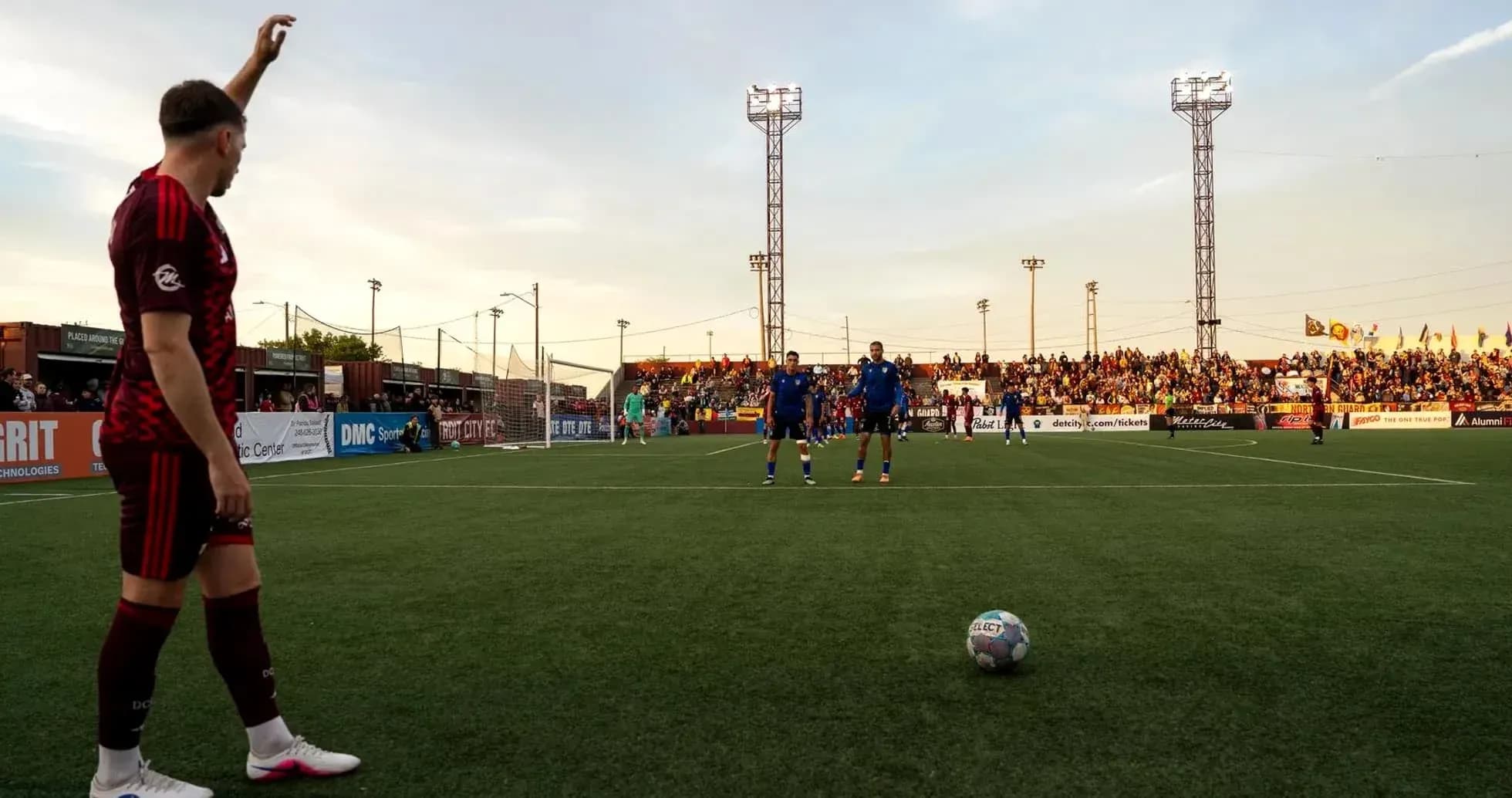
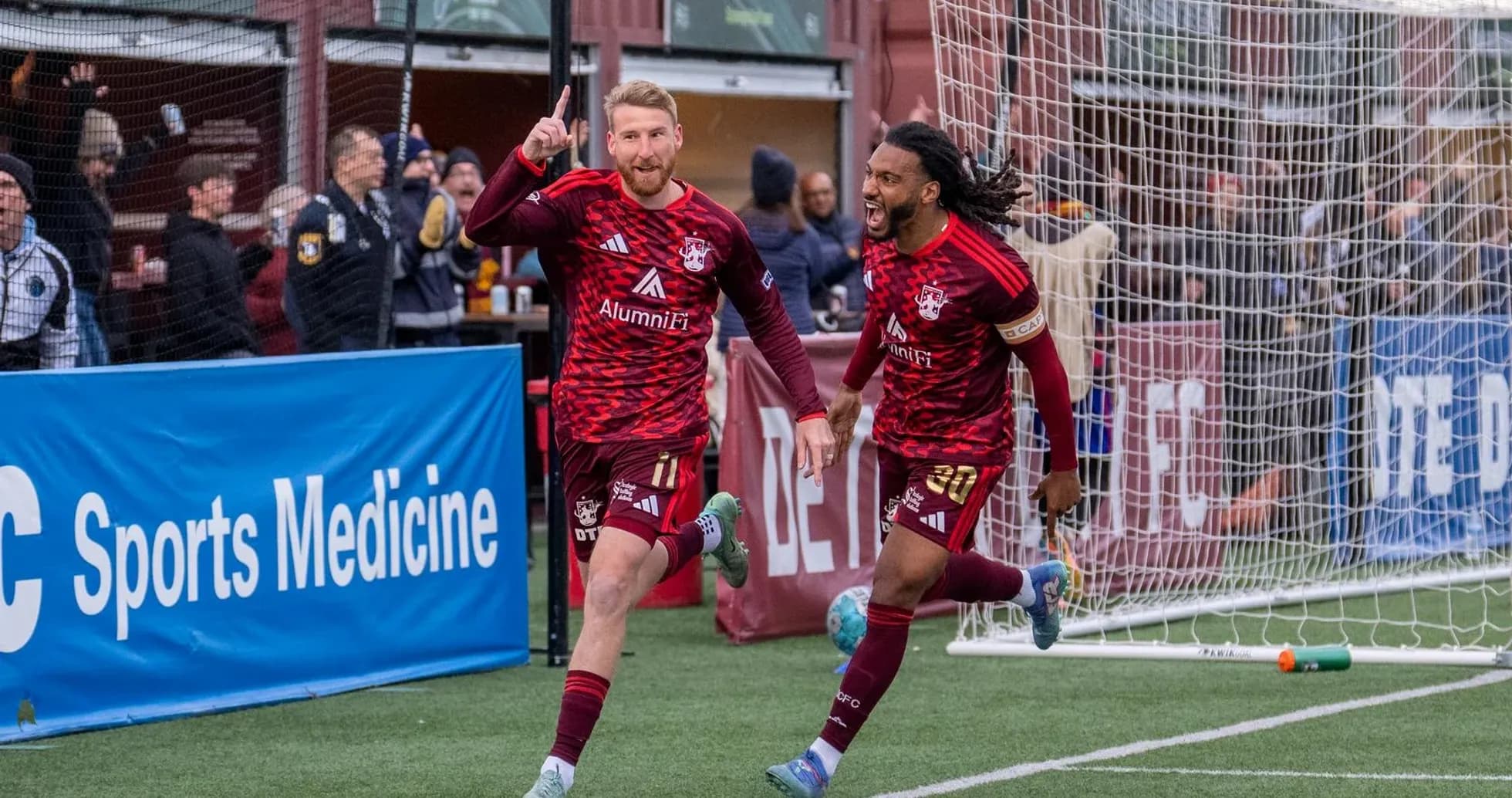
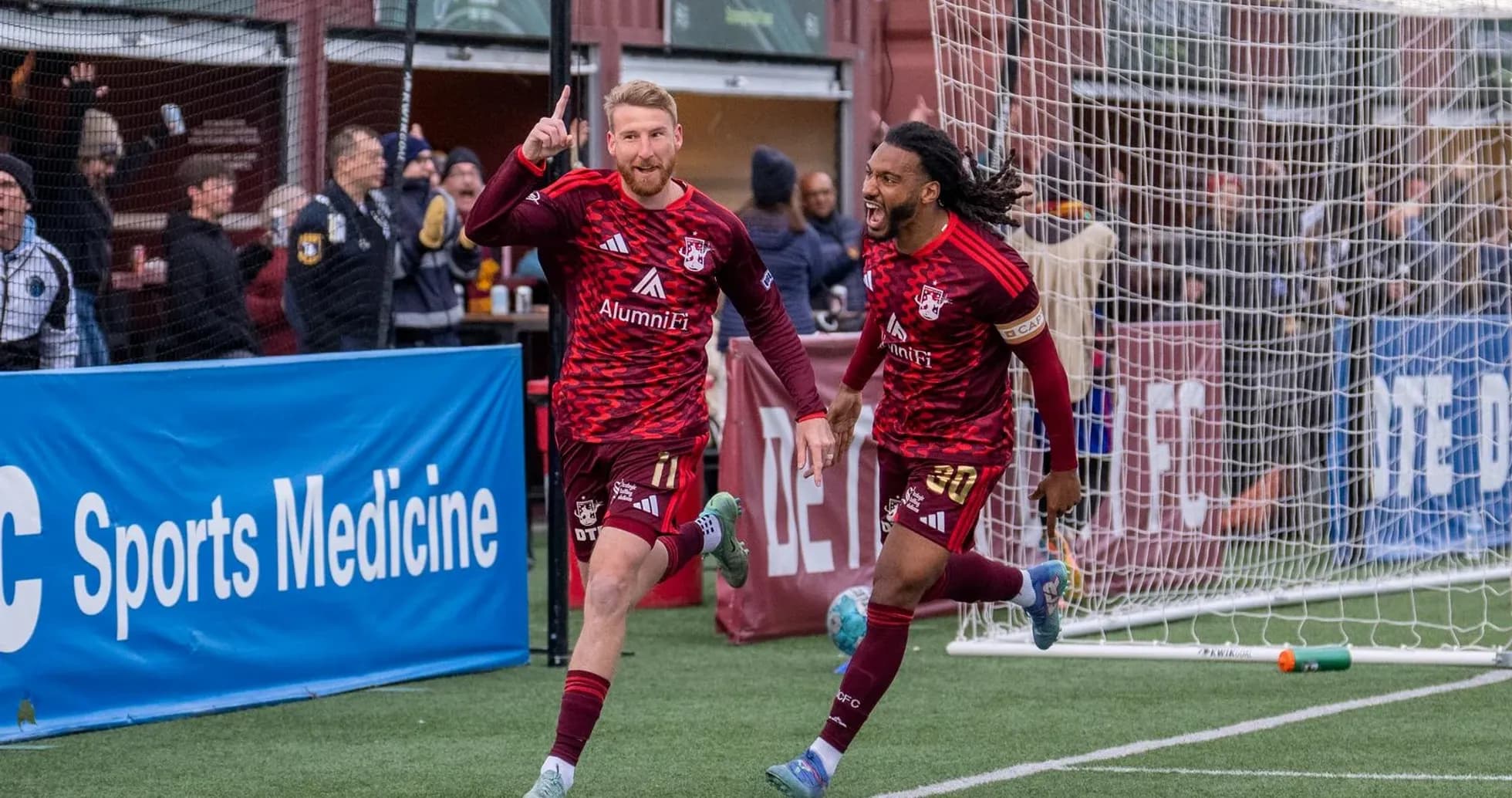
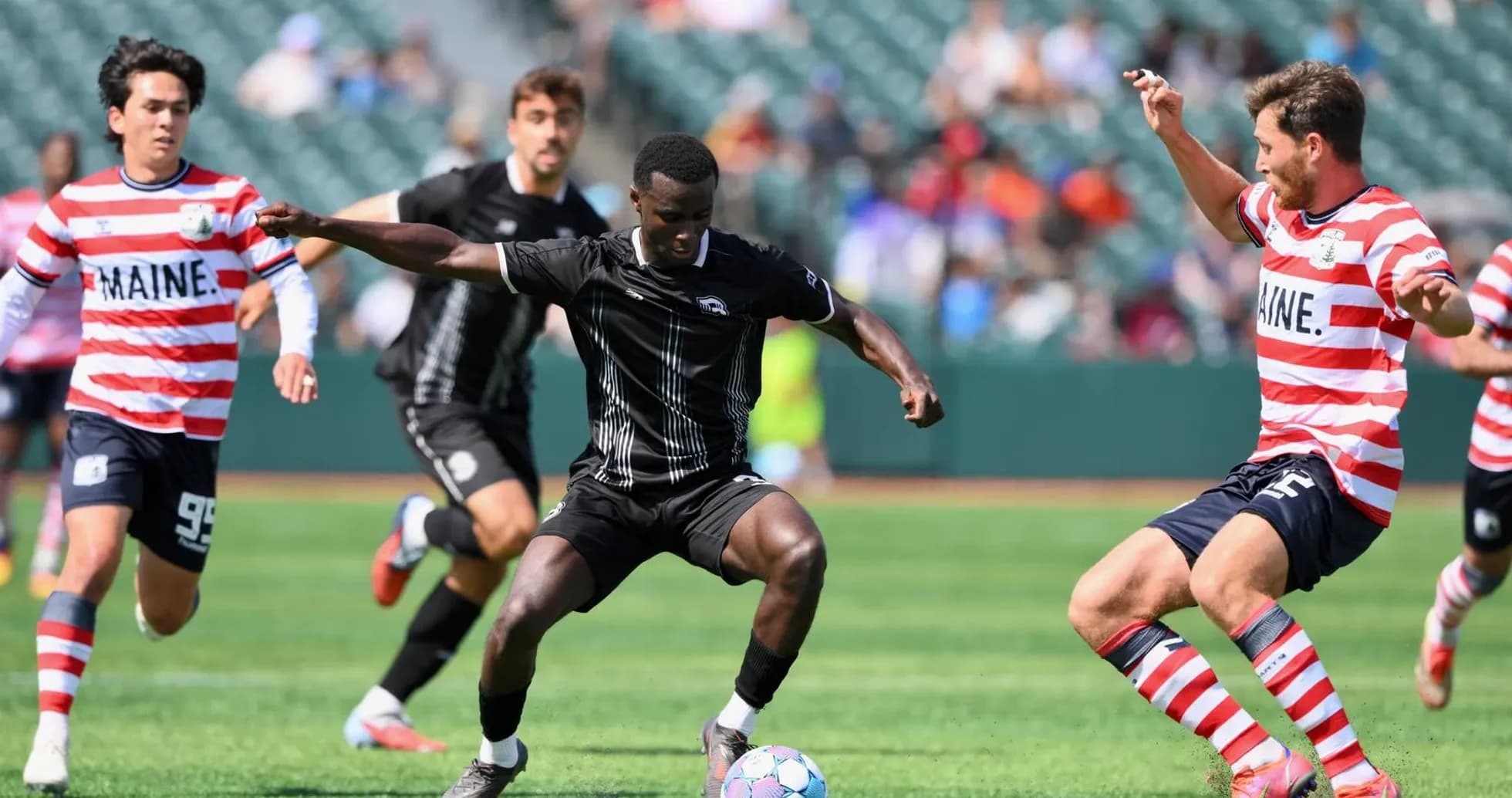
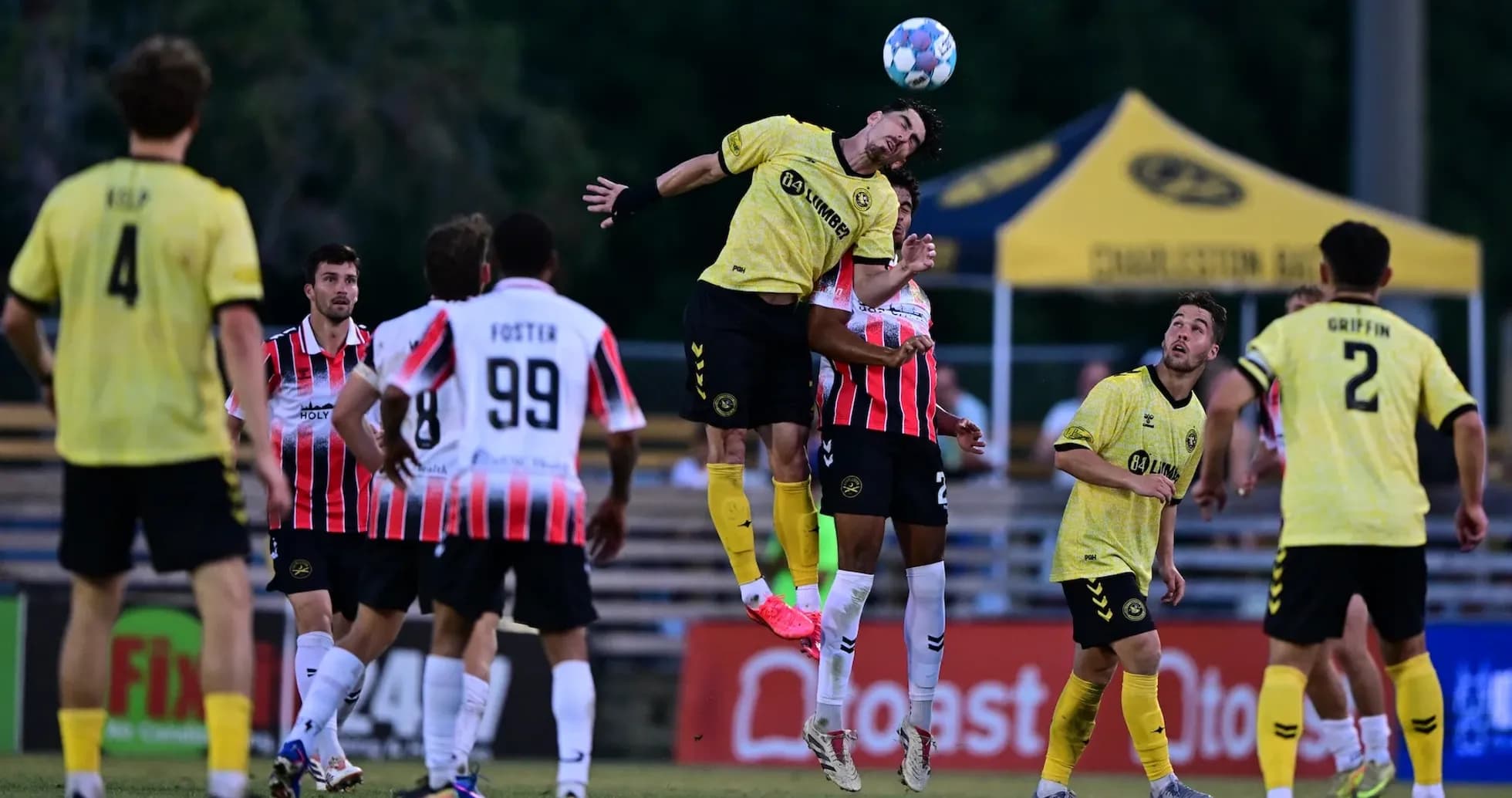
Under the lights at Patriots Point Soccer Complex, Charleston Battery and Pittsburgh Riverhounds played out 120 minutes that refused to yield a goal, before the group-stage narrative of the USL League One Cup twisted into a penalty shootout drama. Following this result, Charleston’s 4-2 success from the spot felt like a natural extension of a campaign in which they have set the pace in Group 6, while Pittsburgh’s exit underlined the gap between their home swagger and away fragility.
I. The Big Picture – contrasting seasonal DNA
Charleston arrived in this competition as the group’s benchmark. Heading into this game, they sat 1st in Group 6 with 8 points and a goal difference of 7, built on an overall record of 3 wins, 1 draw and 0 defeats. Across the campaign they had scored 10 and conceded 3 overall, a profile that blended attacking ambition with defensive control.
The underlying season statistics sharpen that picture. Overall, Charleston had played 3 fixtures, winning all 3. At home, they had played 1, winning 1, scoring 1 and conceding 0. On their travels, they had played 2, winning both, scoring 6 and conceding 1. Their goals-for averages were stark: 1.0 at home, 3.0 away, 2.3 overall. Goals against told an equally commanding story: 0.0 at home, 0.5 away, 0.3 overall. Two clean sheets in total, one at home and one away, framed a side that rarely allows chaos.
Pittsburgh’s group journey was more turbulent. Heading into this game, they were 3rd in Group 6 with 5 points and a goal difference of -1. Their overall record showed 1 win, 2 draws and 2 defeats, with 8 goals scored and 9 conceded overall. The split between home and away was stark: at home, 1 match played, 1 win, 3 goals scored, none conceded; away, 2 played, 2 defeats, 1 goal scored, 3 conceded. Their goals-for averages highlighted that duality: 3.0 at home, 0.5 away, 1.3 overall. Goals against averaged 0.0 at home, 1.5 away, 1.0 overall. The Riverhounds were a side of two identities: assertive in Pittsburgh, brittle on their travels.
II. Tactical Voids and Discipline – margins in a tight cup tie
With no formal list of absentees, both coaches appeared to lean heavily on their core groups. Ben Pirmann’s Charleston XI was built from back to front: J. Berner in goal, with a defensive unit including D. Martinez, G. Smith, J. Akpunonu and N. Messer. In midfield and the half-spaces, the energy of K. Pakhomov and S. Suber was paired with the creative instincts of M. Foster and E. Ycaza, while L. Blackstock and M. Berry offered vertical threat and penalty-box presence.
Rob Vincent’s Riverhounds mirrored that spine. M. Sheridan anchored the side, screened by a back line featuring P. Barnes, V. Souza, O. Mikoy and L. Kelp. Ahead of them, the central trio of E. Goldthorp, R. Mertz and D. Griffin had to balance pressing duties with progression, while C. Ahl, S. Bassett and T. Amann formed a flexible front line, able to rotate wide or drop between the lines.
Discipline was always going to be a quiet but decisive subplot. Charleston’s yellow-card distribution this season shows a clear spike between 46-60 minutes, where 50.00% of their cautions have arrived. That hints at a side that comes out aggressively after half-time, sometimes tipping into risk. Early and late windows (0-15 and 76-90) each accounted for 16.67% of their bookings, suggesting brief edges of over-exuberance at the start and as legs tire.
Pittsburgh’s card profile is similar but sharper. Their yellows also peak between 46-60 minutes at 42.86%, with additional cautions spread across 0-15 (14.29%), 31-45 (14.29%), 61-75 (14.29%) and 76-90 (14.29%). More telling is their red-card pattern: 100.00% of their reds this campaign have come in the 76-90 window, a sign that late-game stress and chasing positions can boil over. In a match that went to 120 minutes, that history made game management in the final quarter of normal time especially critical.
III. Key Matchups – Hunter vs Shield, and the Engine Room
Without explicit top-scorer data, the “Hunter vs Shield” duel is best framed collectively. Charleston’s attack, averaging 2.3 goals overall and 3.0 on their travels, met a Pittsburgh defence that, heading into this game, conceded 1.0 goals overall and 1.5 away on average. Even on neutral terms, that pointed to Charleston as the more likely aggressor, especially with the fluid front line of Blackstock and Berry supported by Foster and Ycaza between the lines.
On the flip side, Pittsburgh’s home scoring average of 3.0 contrasted sharply with their 0.5 away output. In this context, Ahl, Bassett and Amann were tasked with breaking down one of the competition’s stingiest defences, led by Berner and protected by the Martinez–Smith–Akpunonu–Messer unit. Charleston’s overall goals-against average of 0.3, with 2 clean sheets from 3, made them the clear “Shield” in this equation.
In the “Engine Room”, the clash was about rhythm. For Charleston, Pakhomov and Suber offered the legs and duels to win second balls and compress space, while Ycaza’s role as a connector was to slip passes into Berry and Blackstock’s runs. For Pittsburgh, Mertz’s intelligence and Griffin’s work rate had to counter that, with Goldthorp providing the vertical passing to release Bassett and Amann. The side that could keep its midfield compact without surrendering forward thrust would dictate where the game was played.
IV. Statistical Prognosis and the Shootout Verdict
From a statistical standpoint, the balance of probability always leaned towards Charleston. Their perfect record of 3 wins from 3, their failure to concede at home, and their total defensive average of 0.3 goals against overall suggested that even if xG tilted marginally either way on the night, they were structurally better equipped to control danger. Pittsburgh’s away profile – 2 defeats from 2, with 1 goal scored and 3 conceded – hinted that their margin for error would be slim.
Both sides entered with penalty records that were blank rather than perfect: 0 penalties taken, 0 scored, 0 missed. There was no historic edge from the spot; the shootout would be defined by mentality on the night rather than prior efficiency.
In the end, the narrative followed the numbers. Charleston’s defensive solidity absorbed Pittsburgh’s attempts over 120 minutes, and when the match was reduced to a series of kicks from 12 yards, the group leaders showed the composure befitting their status. A 4-2 triumph on penalties was less a twist than a confirmation: the side with the clearer identity, the tighter defence, and the more balanced attacking profile found a way through, even when the scoreboard refused to move in open play.