
Greenville Triumph's 3–1 Victory Over Loudoun United: A Statement Win
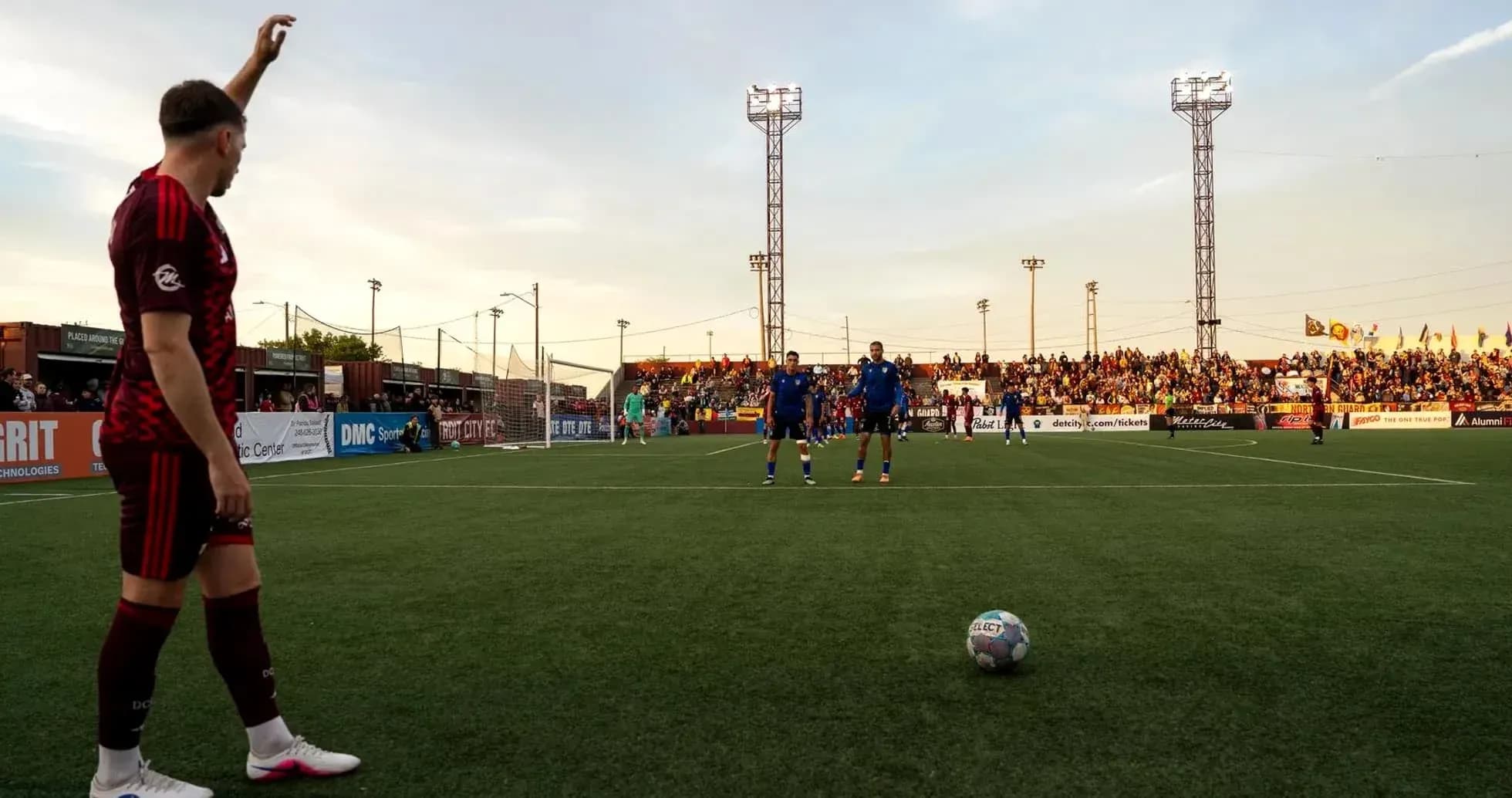
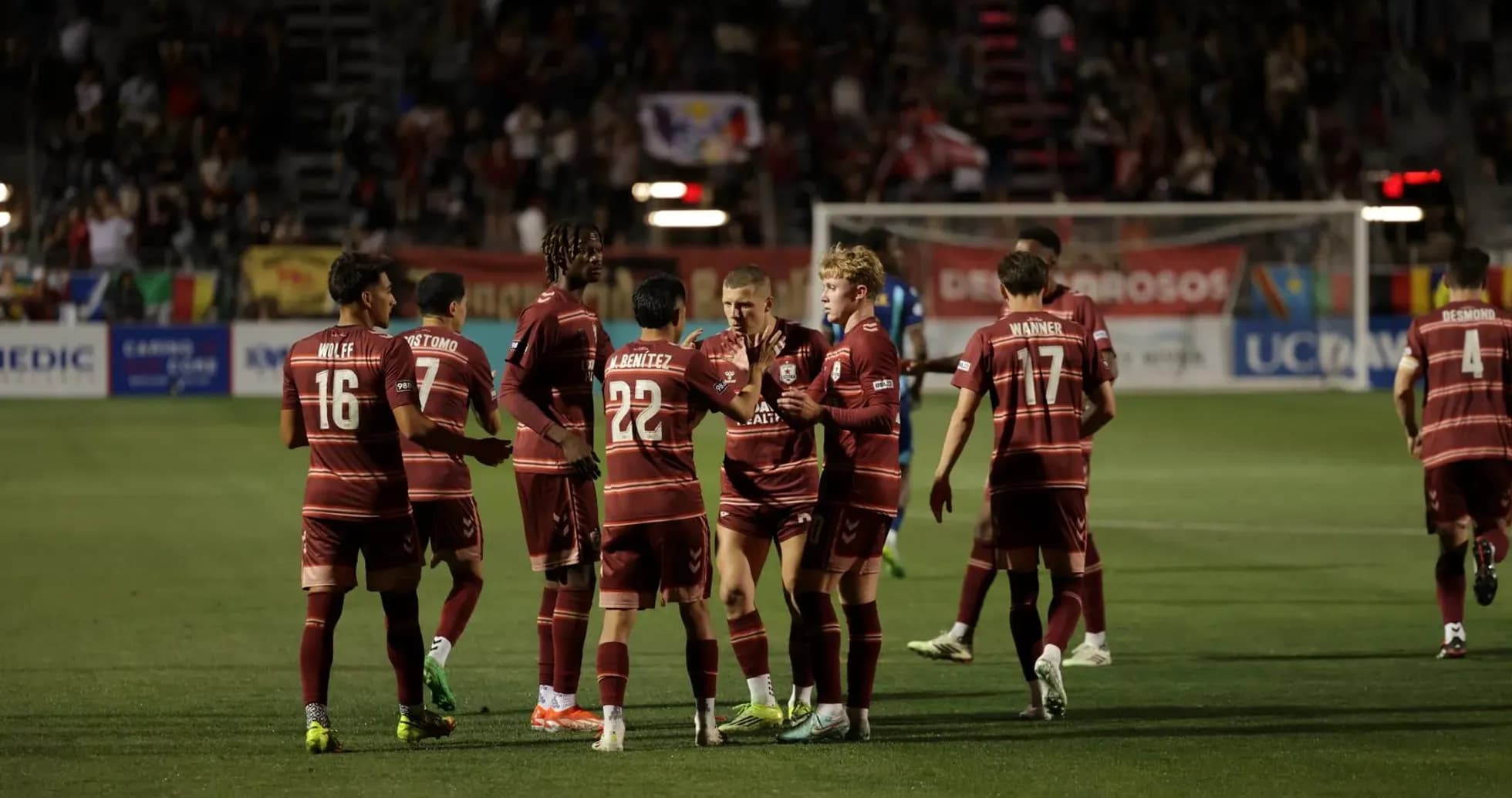
Under the lights at Paladin Stadium, Greenville Triumph’s 3–1 win over Loudoun United felt less like a routine group-stage result and more like a statement about how this squad intends to navigate the USL League One Cup. Heading into this game, both sides were chasing stability in Group 6, each carrying a negative goal difference and the knowledge that margins would be thin. Following this result, Greenville’s home identity, hinted at in early-season numbers, crystallised on the pitch.
Greenville arrived with a split personality in the data: on their travels they had failed to score, but at home they were ruthless. In total this campaign they had scored 3 goals and conceded 4 across 2 matches, yet all 3 goals for and only 1 against had come at Paladin Stadium. An average of 3.0 goals for at home against 1.0 conceded painted a clear picture: when they play in front of their own supporters, they open up, take risks, and usually find a way through.
Dave Dixon’s starting XI reflected that intent. With A. Knight wearing 13, Greenville had a solid base in goal, but the story was always going to be about how the outfield structure would tilt the game. The defensive core of B. Fricke, A. Patti and E. Lee provided the spine, with the experienced T. Polak offering width and composure. In front of them, the engine of C. Herrera and C. Evans, flanked by the work rate of D. Boyce, set the tempo. Higher up, the creative thrust of W. Akio and the physical presence of A. Liadi gave Greenville a dual threat: one to stretch Loudoun vertically, the other to pin their centre-backs and contest second balls.
Loudoun United, under Anthony Limbrick, came in with a more complex narrative. In total this campaign they had played 3 matches, scoring 4 and conceding 5. At home they averaged 1.5 goals for and 1.0 against, but away they were more fragile: 1.0 goal for and 3.0 against. Their away record – 1 goal scored, 3 conceded, 0 points – foreshadowed the difficulties they would face trying to tame Greenville’s home surge.
The Loudoun XI was built around a technically capable spine. J. Farr in goal is a confident distributor, while the defensive line of L. Piras, N. Adnan, A. Essengue, J. Erlandson and S. Mazzaferro offered a blend of youth and physicality. In midfield, the trio of J. Panayotou, J. Murphy and B. Akinyode formed the core of their “shield” and “launchpad” at once: Panayotou as the connector, Murphy as the shuttler, Akinyode as the enforcer screening the back line. Ahead of them, R. Aman and T. Ulfarsson were tasked with stretching Greenville’s back four and exploiting transitions.
The tactical voids in this fixture were less about missing personnel – the data offers no list of absentees – and more about psychological and structural gaps. Greenville’s season statistics show no clean sheets in total, and they had failed to score once on their travels. That fragility away contrasts sharply with their home confidence, suggesting a side still learning how to manage game states when not buoyed by the Paladin crowd. Loudoun, for their part, had yet to fail to score in total this campaign, but their away defensive record – 3 goals conceded in a single road outing – betrayed a back line that struggles when forced to defend deep for long stretches.
Discipline was a subtle but telling subplot. Greenville’s yellow-card distribution in total this campaign is heavily back-loaded: 75.00% of their cautions arrive in the 76–90' window, with another 25.00% between 16–30'. That late-game surge in cards hints at a team that finishes matches on the edge – pressing high, making recovery tackles, and occasionally paying the price. Loudoun’s cautions are more evenly spread but still spike in the middle third: 37.50% between 46–60', 25.00% from 76–90', and 12.50% in both 31–45' and 61–75', plus another 12.50% in 91–105'. It suggests a side that often has to reset its aggression right after halftime and again in the closing phases, a sign of tactical adjustments under pressure.
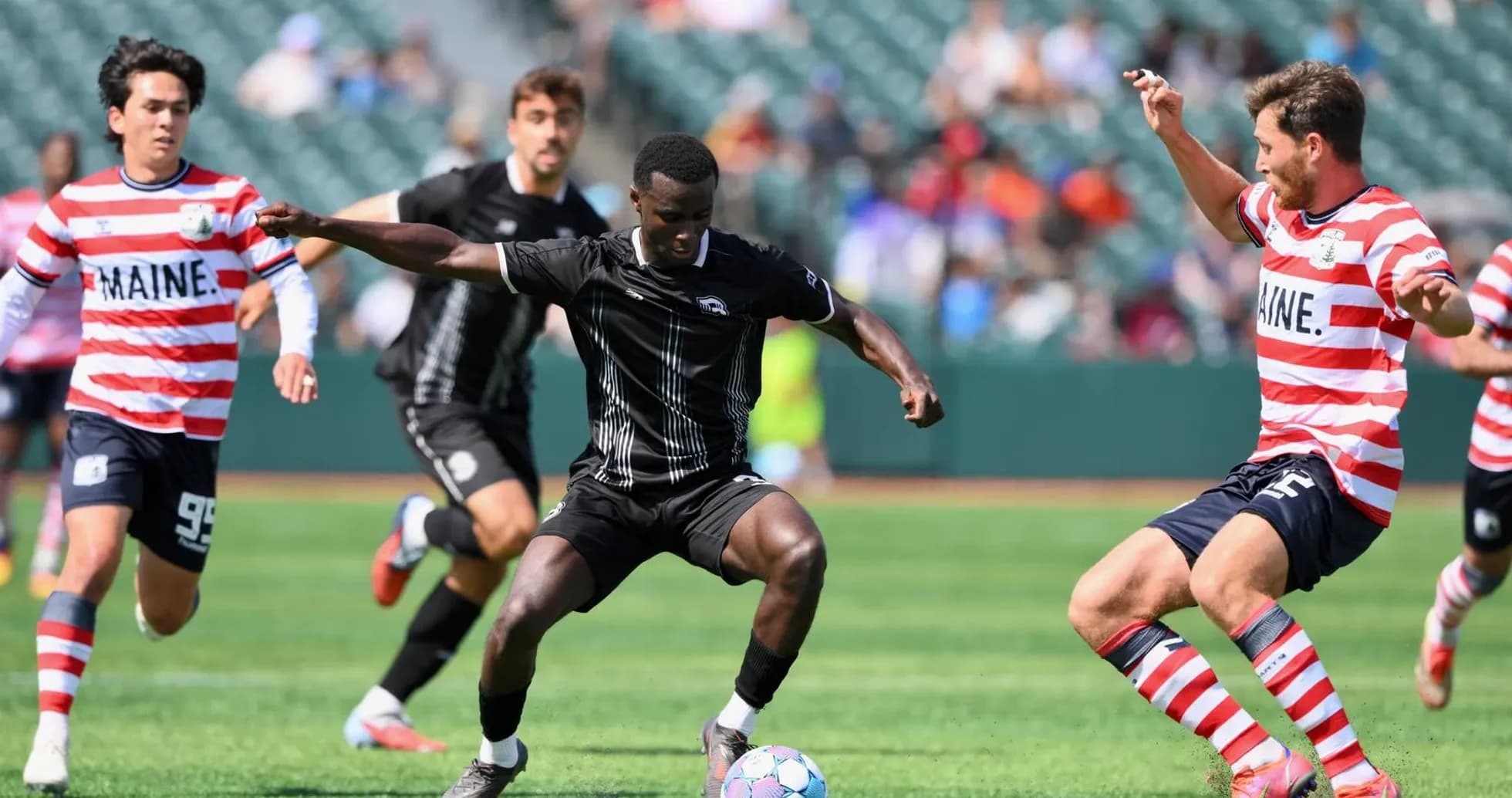
Within that framework, the key matchups defined the night. The “Hunter vs Shield” battle was embodied in Greenville’s attacking unit – particularly the movement of Akio and the penalty-box presence of Liadi – against a Loudoun defence that, on their travels, had already shipped 3 goals in one match. Greenville’s home scoring average of 3.0 was always likely to collide violently with Loudoun’s away average of 3.0 goals conceded, and so it proved in the 3–1 full-time scoreline.
In the “Engine Room”, Herrera and Evans squared off against Akinyode and Murphy. This duel dictated where the game was played. Greenville’s midfield, backed by the composure of Fricke stepping into passing lanes, repeatedly forced Loudoun to defend facing their own goal. Loudoun’s plan to break through Panayotou’s passing and Ulfarsson’s running was sporadically effective, but Greenville’s willingness to compress space between the lines suffocated those transitions.
From a statistical prognosis standpoint, Greenville’s overall goal difference heading into this game was -1 (3 scored, 4 conceded), identical to Loudoun’s -1 (4 scored, 5 conceded). Both sides were chasing equilibrium. Yet the underlying splits told the real story: Greenville at home were trending toward high-scoring wins, Loudoun away toward high-scoring defeats. Even without explicit xG numbers, the pattern of goals for and against, combined with disciplinary surges late in games, pointed toward an open contest that would tilt toward the side more comfortable in chaos.
Following this result, Greenville lean further into their identity as a front-foot home side: potent, occasionally loose at the back, but capable of overpowering visiting defences. Loudoun leave Paladin Stadium knowing that their technical base is sound, yet their away defensive structure remains the Achilles’ heel that Group 6 opponents will continue to target.