One Knoxville Triumphs Over Chattanooga Red Wolves in Cup Penalty Shootout
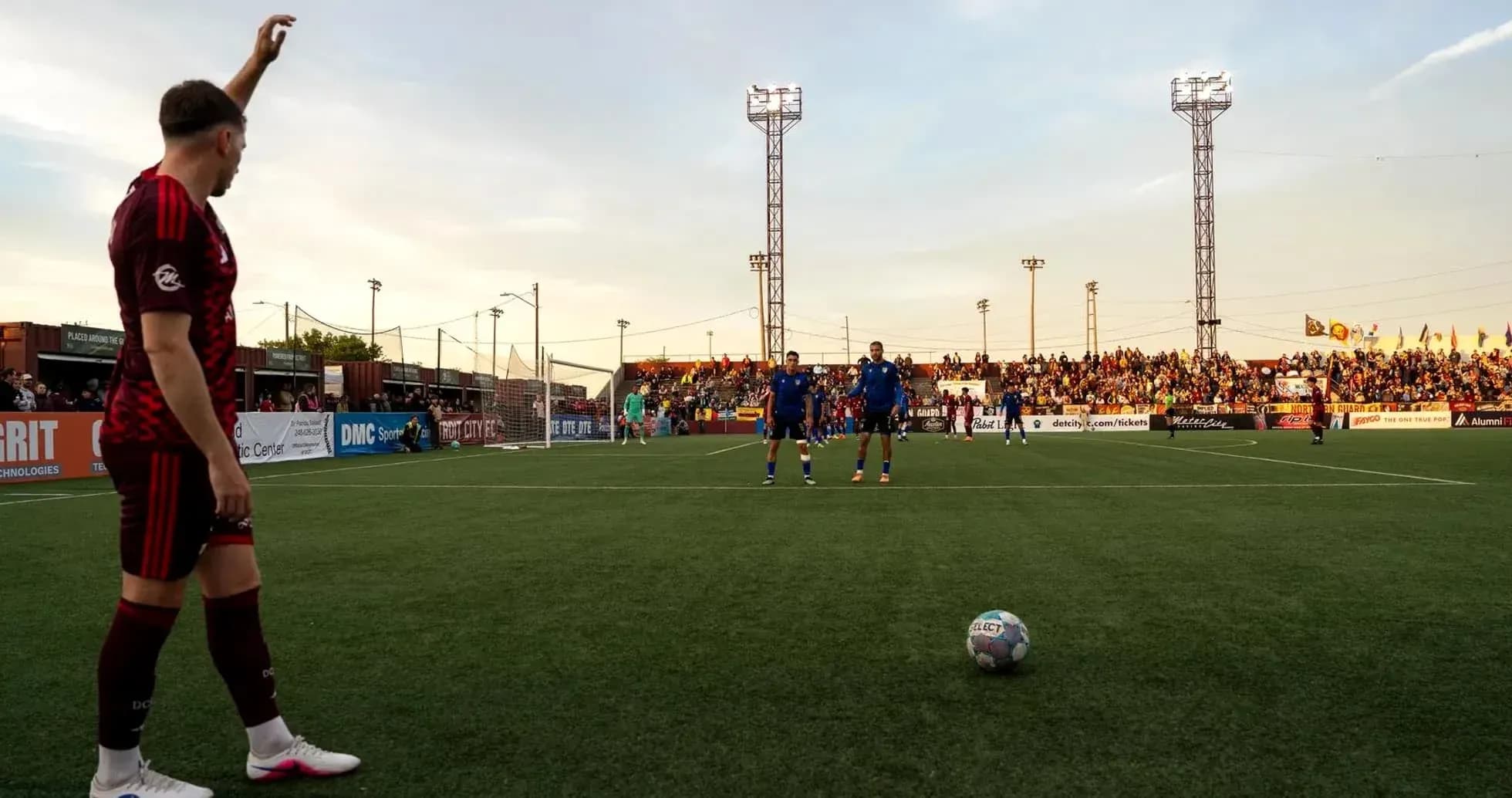
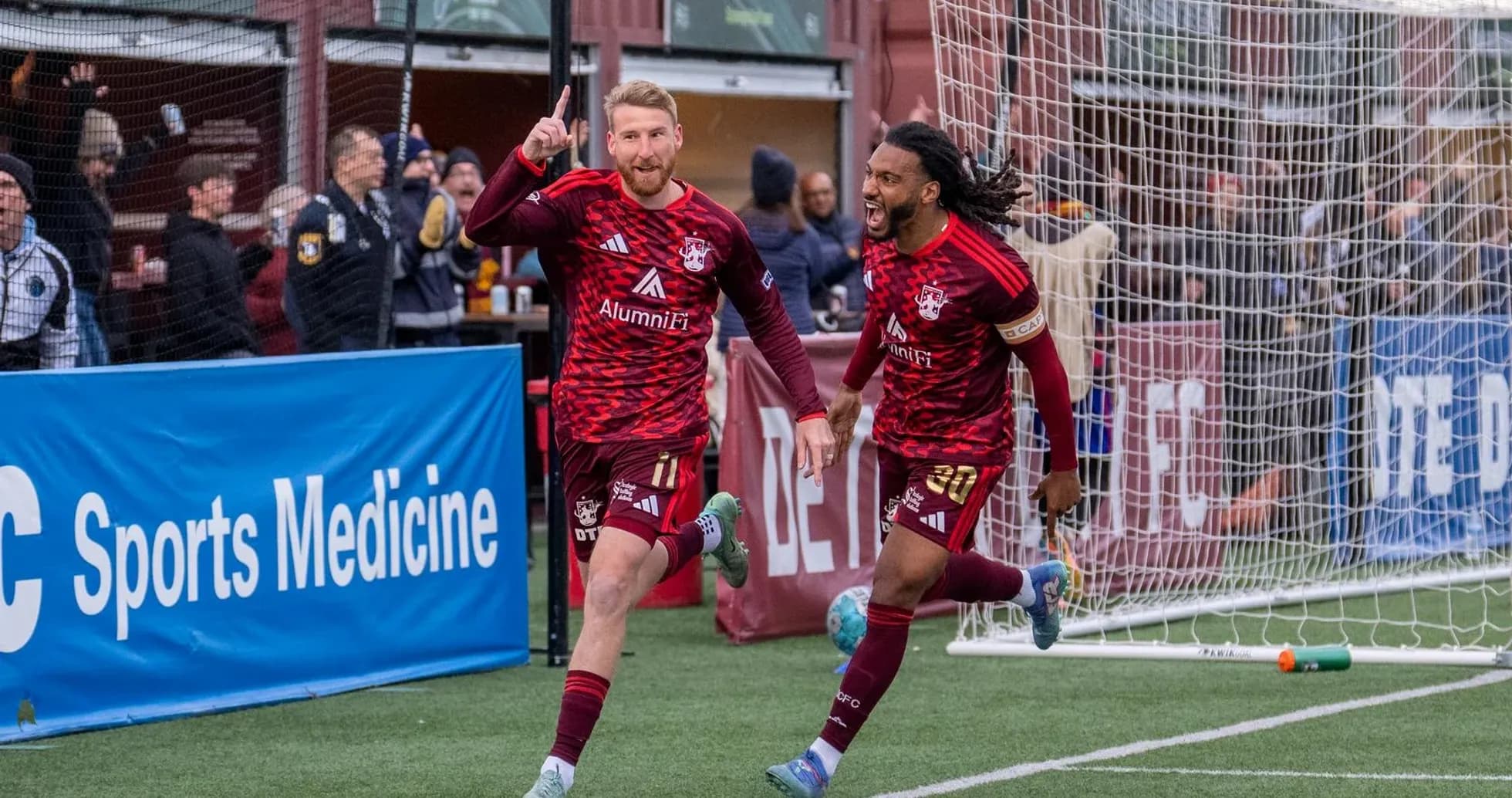
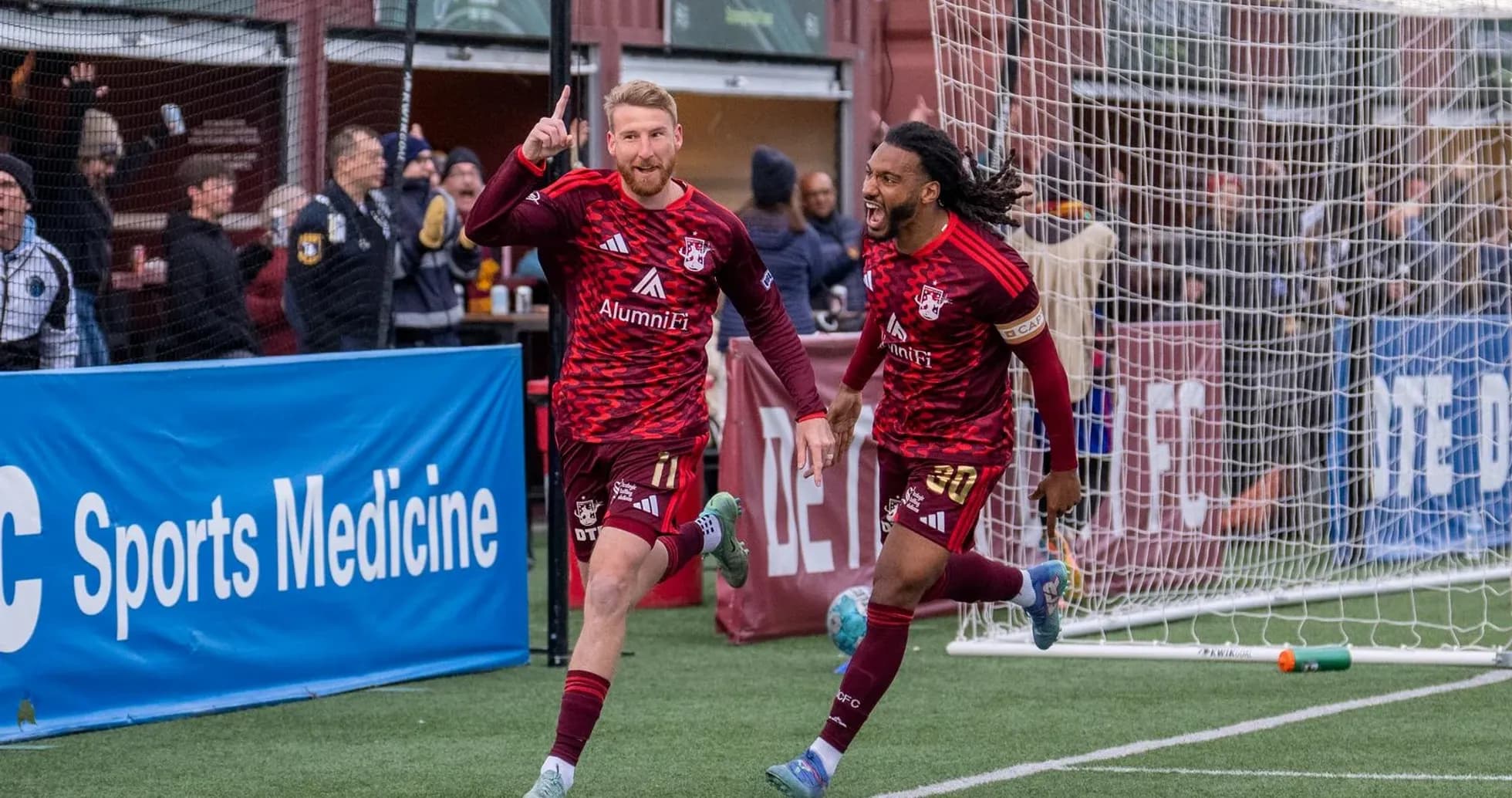
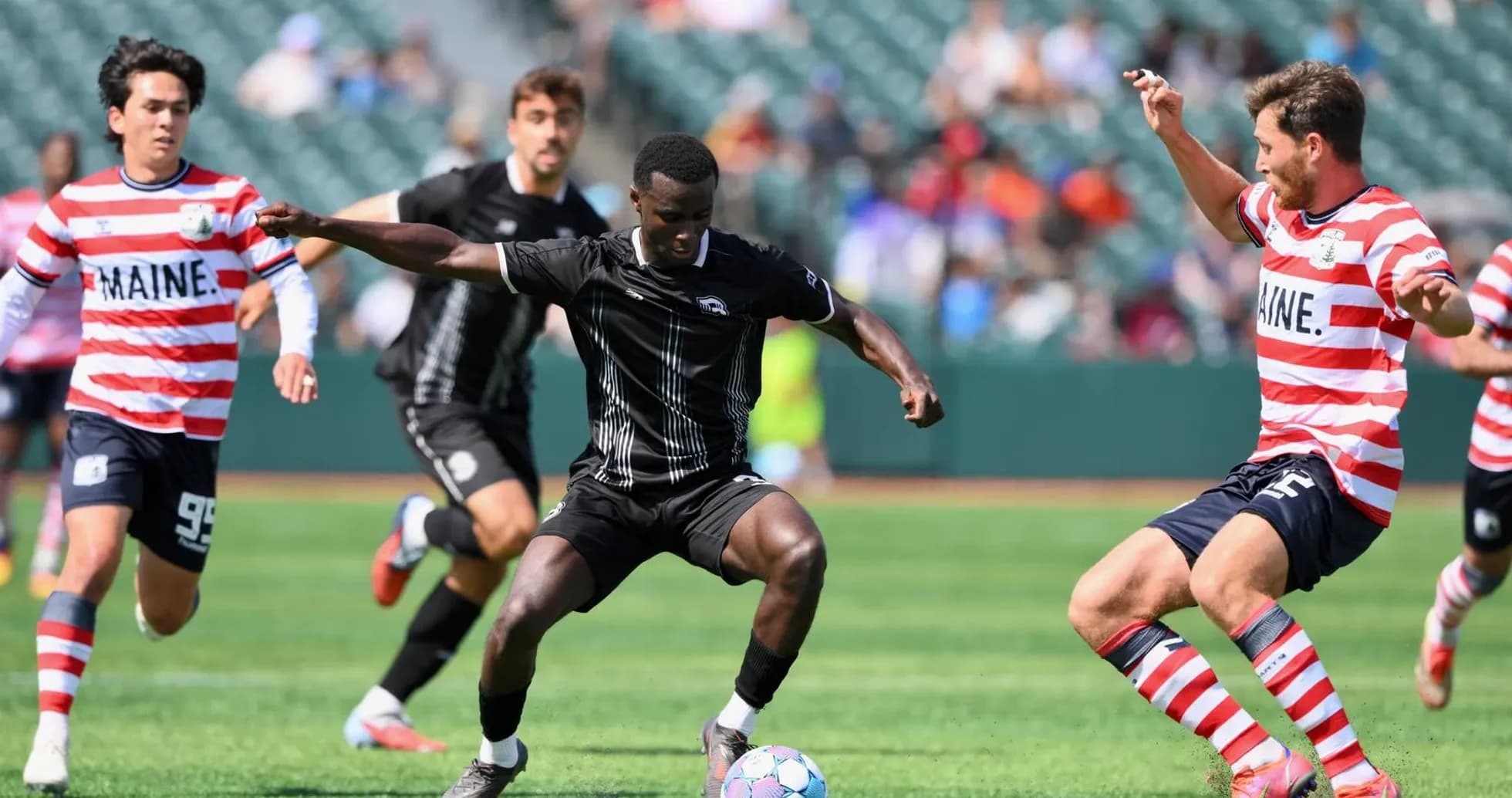
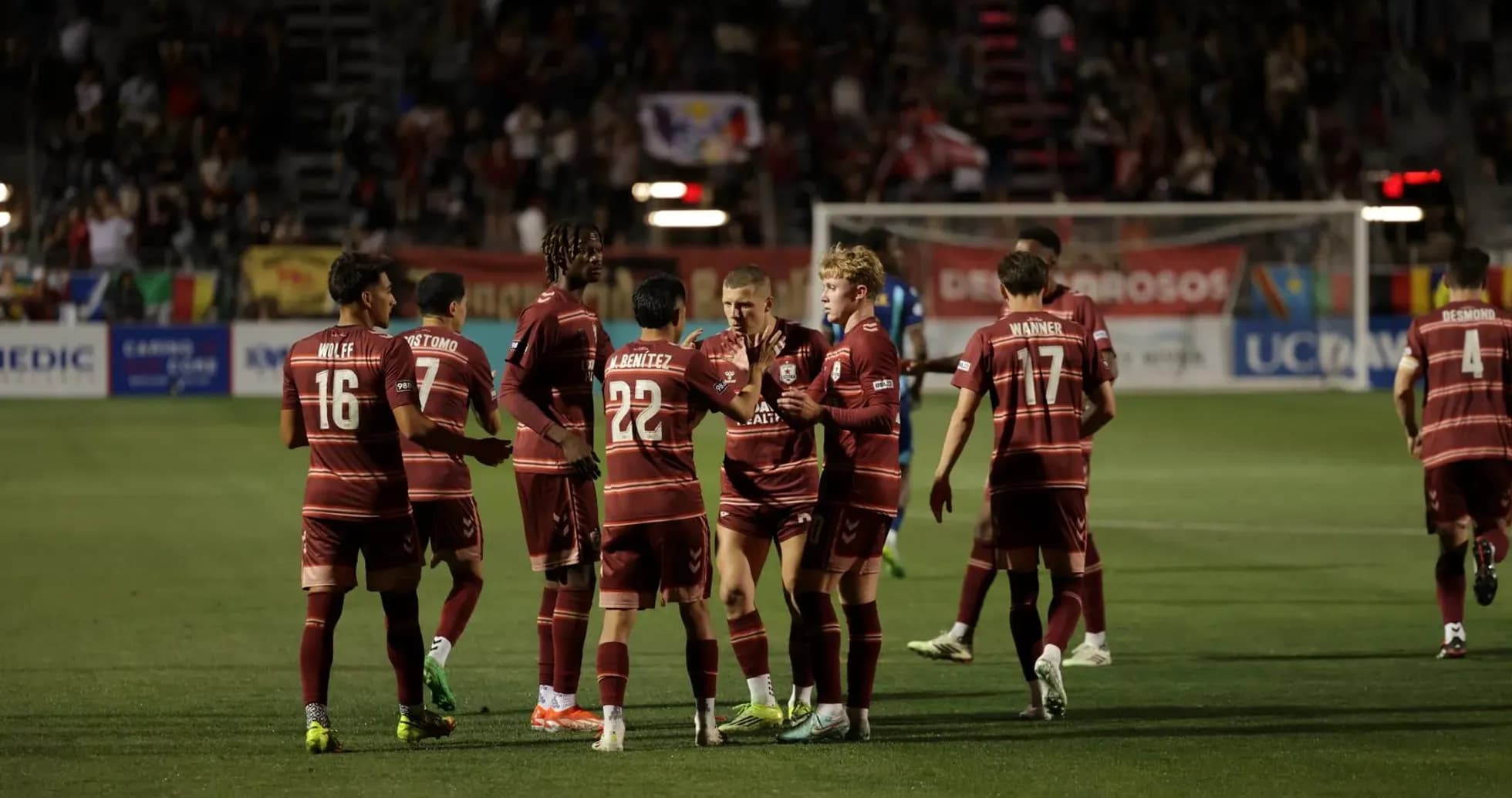
Under the lights at Regal Stadium, this USL League One Cup Group Stage tie between One Knoxville and Chattanooga Red Wolves turned into a 120‑minute trial of nerve and structure, finally tipped by a 5‑4 home success on penalties after a 1‑1 draw. It was a match that mirrored the group table and season trends: One Knoxville, ranked 3rd in Group 3, carrying a slightly sharper edge, and Chattanooga, 6th, fighting to escape a spiral of narrow defeats.
Heading into this game, the season’s statistical DNA already hinted at contrasting identities. One Knoxville had played 3 fixtures in the competition, winning 2 and losing 1, with 4 goals scored in total and 3 conceded. Their overall averages sat at 1.3 goals for and 1.0 against per match, a profile of a side that does enough going forward while keeping things relatively tight. At home, they were more modest: 2 goals scored and 2 conceded across 2 matches, exactly 1.0 goal for and 1.0 against per home game.
Chattanooga Red Wolves arrived with a far more fragile record. Across 3 fixtures they had lost all 3, scoring 2 and conceding 5, for a total average of 0.7 goals for and 1.7 against. On their travels, they had 1 away match behind them, drawing none and losing 1, with 1 goal scored and 2 conceded, for an away average of 1.0 goal for and 2.0 against. In the standings snapshot, their group goal difference of -3 was the numerical echo of that imbalance, with 8 goals for and 11 against overall.
Yet cup football often compresses narratives into individual duels, and this one began with the lineups. Ian Fuller’s One Knoxville XI was built around a spine of energy and vertical running. At the back, N. Lemen and J. Brown flanked the defensive unit alongside S. McLeod and Bull, a quartet tasked with protecting a side that had yet to keep a clean sheet in the competition. In midfield, J. J. Murphy and D. Williams offered the connective tissue, with H. Cordova and E. Conway providing the legs to turn defensive regains into counters. Ahead of them, the attacking trident of M. Goling, K. Linhares, and B. Diene promised movement across the front line rather than a fixed reference point.
On the opposite bench, Scott MacKenzie’s Chattanooga selection leaned on technical midfielders and wide threats. R. Jerez anchored things from the back, with J. Ramos and C. Engmann among those asked to handle Knoxville’s transitions. In the middle third, E. Kinzner, Y. Lelin, and A. Kelly‑Rosales formed a platform for creativity, with O. Hernandez and P. Hernandez tasked with stretching the game and feeding the clever movement of M. Bentley, who carried much of the visitors’ attacking hope.
Tactically, this was a contest between a home side that tends to play on the front foot and an away team still searching for balance. One Knoxville’s season card profile is revealing: every recorded yellow card this campaign has come late, split evenly between 61‑75 minutes and 91‑105 minutes, each window accounting for 50.00% of their cautions. That pattern suggests a team that raises the intensity as the match drags into its decisive phases, sometimes tipping over the disciplinary line as they chase or protect results.
Chattanooga’s discipline map told a different story: their yellows were spread through the regulation 90, with 12.50% in the opening 0‑15 minutes, 25.00% between 31‑45, a peak of 37.50% in the 46‑60 window, and a further 25.00% from 76‑90. The Red Wolves often emerge from the break aggressively, sometimes too aggressively, and then get dragged into late‑game scrappiness as they try to claw back deficits. That pattern played out here, as the match descended into a physical, attritional contest after halftime.
Without explicit minute‑by‑minute goal data, the game’s flow must be read through structure and substitution vectors. Fuller’s bench options — notably the presence of S. Zarokostas, N. Rosamilia, and D. Krioutchenkov — gave One Knoxville the capacity to refresh their front line and keep pressing deep into extra time. Each change was less about altering shape and more about maintaining tempo: fresh legs replacing tired runners, a continuous rotation that ensured the home side could still threaten in the 91‑105 window where their yellow‑card spike indicates maximum effort.
MacKenzie, by contrast, turned to the likes of G. Mercer and W. Wessels from the bench, seeking both a target and a stabiliser. But with no clean sheets this season and 5 goals conceded in 3 games, Chattanooga’s defensive platform was always likely to bend under sustained pressure. Even when they held out to 1‑1 over 120 minutes, the cumulative strain told in the shootout.
The “Hunter vs Shield” dynamic in this tie was subtle rather than headline‑grabbing. One Knoxville’s attack, averaging 2.0 goals on their travels and 1.0 at home, met a Chattanooga defence that had allowed 2.0 goals per away match and 1.5 at home, for a total of 1.7 against. In open play the visitors did enough to keep the scoreline level, but the underlying trends hinted that they were living on a knife‑edge, relying on last‑ditch interventions rather than a truly cohesive block.
In the “Engine Room,” Murphy and Williams for Knoxville squared up against Kinzner and Kelly‑Rosales. Here, the home side’s balance was decisive: they combined a slightly better overall goals‑against record with a midfield willing to do the ugly work. Chattanooga’s midfield, by contrast, was often stretched between protecting a vulnerable back line and supplying Bentley and the wide forwards.
From a statistical prognosis perspective, this felt like a match that should tilt narrowly toward the home side, and so it proved — not in the 90 minutes, but from the spot. Neither team had taken or missed a penalty in open play all season, with both sides’ penalty records showing 0 taken, 0 scored, 0 missed. The shootout at Regal Stadium was therefore a leap into the unknown for both squads, a pure test of composure rather than habit. One Knoxville emerged with a 5‑4 edge, an outcome that aligns with their marginally stronger defensive numbers and sharper recent form.
Following this result, the narrative is clear. One Knoxville confirm their status as a group contender: not flawless, still without a clean sheet, but capable of managing tight knockout‑style tension and finding a way through. Chattanooga Red Wolves, meanwhile, are left with the same haunting numbers: no wins in the competition, an overall goal difference trending negative, and a pattern of valiant, narrow defeats that speaks to character but also to structural flaws. At Regal Stadium, the margins were as thin as a penalty’s width — but the season’s deeper currents always seemed to be pulling the tie Knoxville’s way.