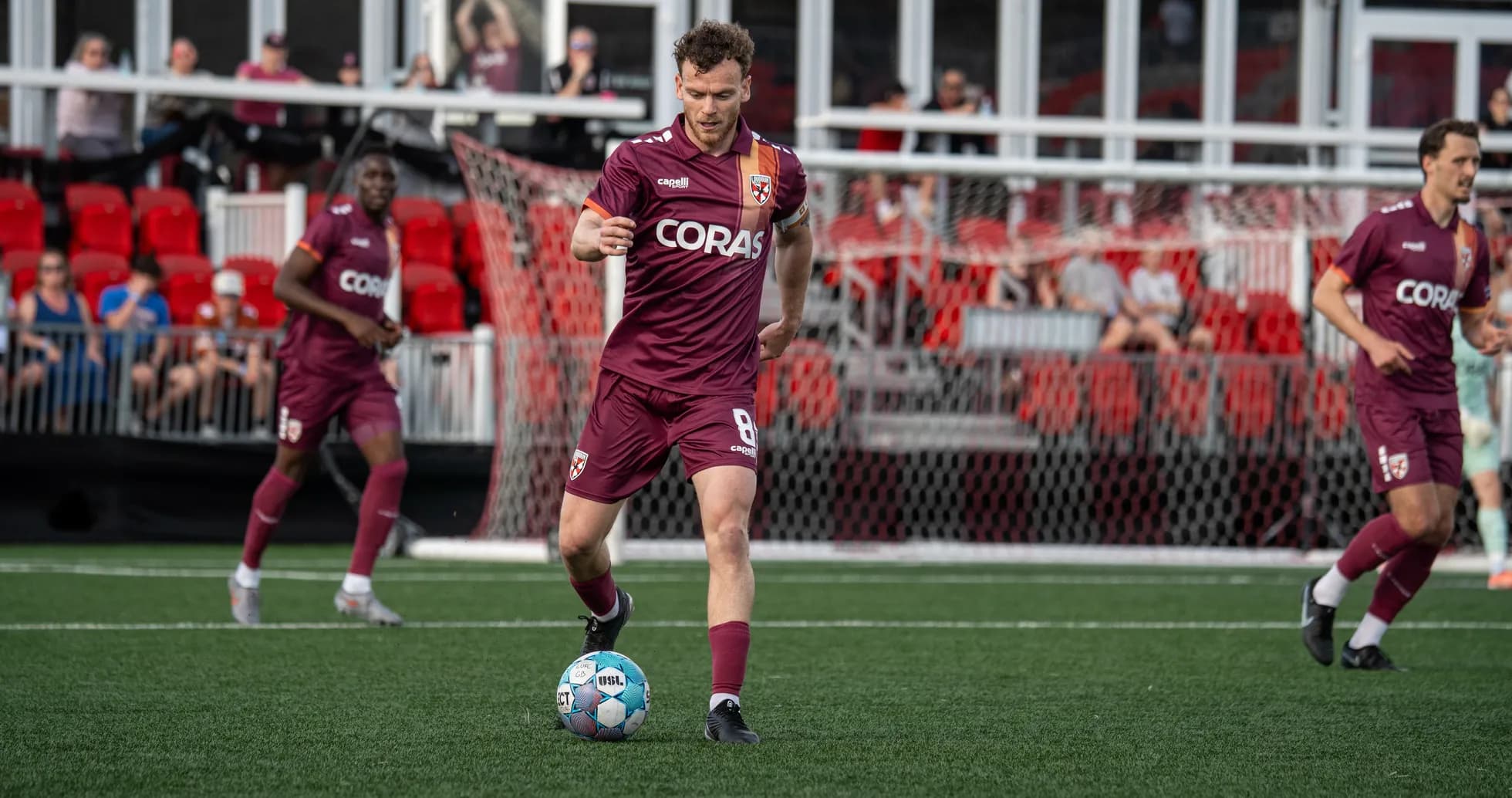
Birmingham Legion vs Loudoun United: Tactical Matchup Analysis
Birmingham Legion host Loudoun United at Protective Stadium in a mid-table USL Championship Group Stage fixture that already carries playoff-race weight: 10th vs 12th, with Legion on 12 points and Loudoun on 9, both needing a result to stay in touch with the top half and avoid being dragged toward the lower reaches of the conference.
Head-to-Head Tactical Summary
The recent head-to-head history is tight but slightly tilted toward Loudoun in terms of big away results. On 4 April 2026 at Segra Field, the sides drew 2-2, with a 1-1 score at half-time, underlining how evenly matched they are over 90 minutes. In 2025 they traded away wins: on 4 October 2025 at Segra Field, Birmingham Legion won 1-0 after leading 1-0 at half-time; earlier that year on 9 March 2025 at Protective Stadium, Loudoun United produced a 3-1 away victory, having led 2-1 at half-time. In 2024, the pattern was similar: on 14 September 2024 at Segra Field, Loudoun turned a 0-1 half-time deficit into a 4-2 home win, while on 7 April 2024 at Protective Stadium, Birmingham controlled a 3-1 home victory after a 0-0 first half. Overall, Birmingham have been strong at home in this matchup, but Loudoun have already shown they can win both home and away, often in games that swing significantly after the break.
Global Season Picture
- League Phase Performance: In the league phase, Birmingham Legion sit 10th in USL 1 with 12 points from 12 matches, scoring 13 and conceding 15 (goal difference -2). Their home record is cautious but competitive: 1 win, 4 draws, 2 losses with 5 goals for and 6 against. Loudoun United are 12th with 9 points from 11 matches, also on 13 goals scored but with a much leakier defense at 21 conceded (goal difference -8). Away from home they have 1 win, 1 draw, 2 losses, scoring 3 and conceding 7.
- Season Metrics: In the league phase, Birmingham Legion’s numbers point to a low-output but relatively controlled side: 12 goals for and 14 against across 11 tracked matches, averaging 1.1 scored and 1.3 conceded per game, with 3 clean sheets and 4 matches where they failed to score. Their card profile shows a tendency to pick up yellow cards late, especially from minutes 76–90 (9 yellows, 30.00% of their total) and a single late red in that same window, suggesting rising defensive stress in closing stages. Loudoun United, across the league phase, have a slightly higher attacking average (13 goals, 1.2 per game) but a much more fragile defense (21 conceded, 1.9 per game). They have 4 clean sheets but only 1 win, underlining issues converting solid phases into victories. Their yellow cards also spike late (12 yellows between 76–90, 36.36%), reflecting a team often chasing games and forced into risky challenges.
- Form Trajectory: In the league phase, Birmingham’s form string of DLDLD encapsulates a stalling trajectory: hard to beat but struggling to convert draws into wins, with just 1 victory in their last 5. Loudoun’s LLDWD sequence is more volatile: two defeats followed by a stabilizing W-D run, then another loss. They oscillate between competitive performances and heavy setbacks, with defensive inconsistency the recurring theme.
Tactical Efficiency
Without explicit xG or possession values in the comparison block, the tactical efficiency picture must be inferred from the season statistics. Birmingham Legion profile as a conservative, slightly more balanced side: their goals for and against averages (1.1 scored, 1.3 conceded in the league phase) point to a marginally negative but controlled “Attack/Defense Index” — they do not create or convert a high volume of chances, yet they also avoid chaotic, high-scoring matches, particularly at home (5 for, 6 against). Their late-card pattern suggests that defensive organization generally holds until the final quarter of games, where fatigue or game-state pressure leads to more fouls and risk.
Loudoun United’s implied index is skewed: their attack is comparable in raw output (1.2 goals per game) but their defense is clearly underperforming at 1.9 conceded per game in the league phase. The combination of only 1 win from 11 and 4 clean sheets indicates that when they defend well, they still struggle to convert that platform into victories, and when they open up to chase results, they become vulnerable. The head-to-head data reinforces this: Loudoun have produced explosive scoring swings (4-2 vs Birmingham in 2024, 3-1 away in 2025), but also allowed Birmingham to manage them in more controlled, lower-scoring encounters (0-1 home loss in 2025, 3-1 defeat in Birmingham in 2024).
In comparative terms, Birmingham’s attack is less explosive but more stable, while Loudoun’s defense is the clear outlier on the negative side of the index. That sets up a tactical contrast: Legion will likely lean on structure and risk management, whereas Loudoun must either accept a more open game to leverage their sporadic attacking peaks or tighten up significantly, which they have rarely sustained over a full league campaign.
The Verdict: Seasonal Impact
This fixture is a classic early-season pivot in the USL Championship playoff race. For Birmingham Legion, a home win would move them further clear of the lower mid-table pack, turning a string of draws into upward momentum and solidifying Protective Stadium as a points base. With only 2 wins from 12 in the league phase, failing to beat a direct rival below them would extend the pattern of stagnation and risk seeing teams above open a multi-result gap.
For Loudoun United, the stakes are sharper. Sitting 12th with a significantly worse goal difference, defeat would deepen the cushion between them and the central playoff-chasing cluster, while reinforcing the narrative of a porous defense that undermines any attacking progress. A draw keeps them in touch but does little to shift their trajectory; an away win, by contrast, would compress the mid-table, drag Birmingham back toward them, and provide a rare statement result that could reset confidence in both boxes.
In forward-looking terms, this match is unlikely to define the title race, but it is highly relevant for the final playoff spots and for avoiding a season spent locked in the bottom third. Birmingham can turn controlled mediocrity into a platform for a top-half push; Loudoun must use it to prove they can marry their occasional attacking surges with defensive resilience. The outcome will go a long way toward determining which of these two spends the rest of 2026 looking up at the playoff line — and which risks looking over its shoulder.