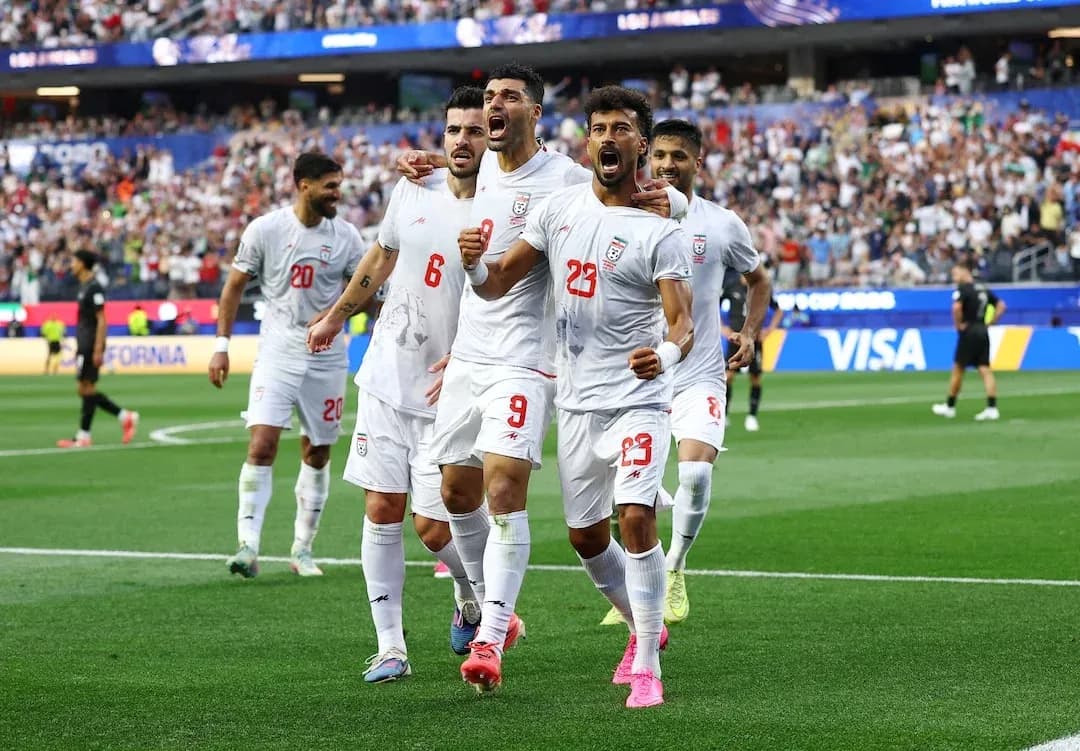
Iran and New Zealand Share Spoils in Thrilling World Cup Opener
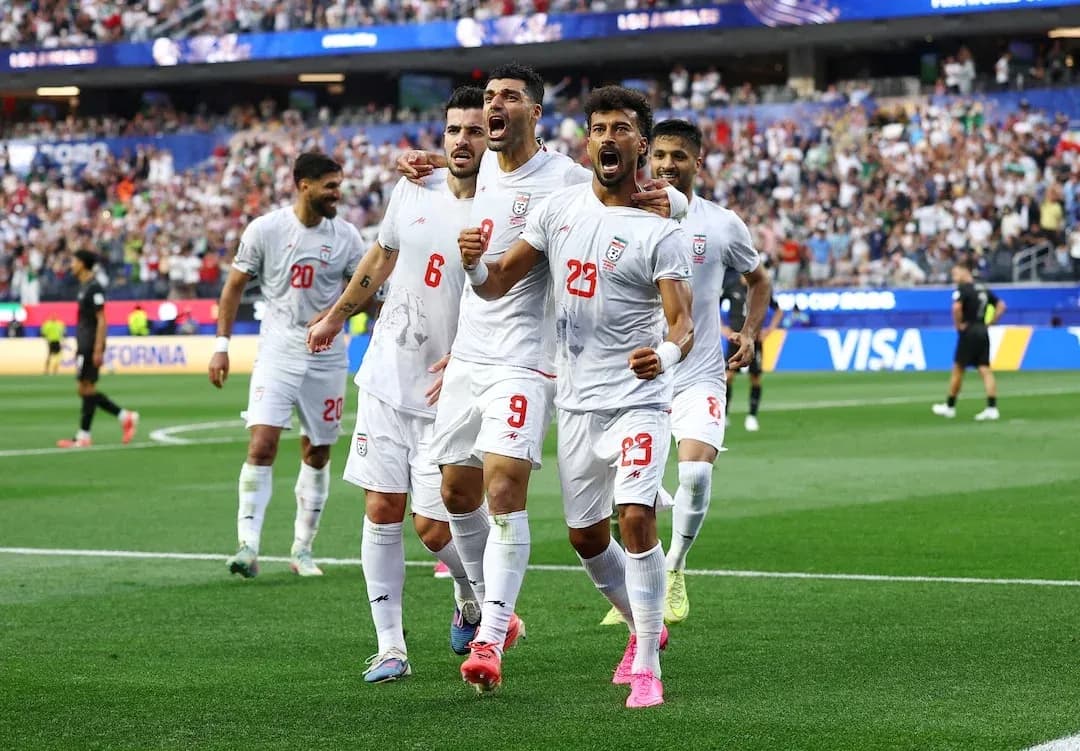
Under the roof of SoFi Stadium, Iran and New Zealand opened their World Cup journeys with a 2–2 draw that felt less like a cautious group opener and more like two sides revealing their tournament identities in full view.
I. The Big Picture – Group G takes shape
Heading into this game, both nations were blank slates at this World Cup. Following this result, New Zealand sit 1st in Group G with 1 point, Iran 2nd also on 1 point, separated only by tiebreak details after an identical overall record: 1 match played, 0 wins, 1 draw, 0 defeats, 2 goals scored and 2 conceded. The overall goal difference is 0 for both, perfectly mirroring the balance of a contest that swung back and forth.
Iran’s seasonal DNA, from this first outing, is that of a front‑foot home side. At home they have played 1, drawn 1, with 2 goals for and 2 against. Their home attacking average stands at 2.0 goals, matched exactly by a home defensive concession rate of 2.0. New Zealand’s early pattern is the mirror image away from home: on their travels they have played 1, drawn 1, scoring 2 and conceding 2, with an away average of 2.0 goals for and 2.0 against.
Tactically, this was a clash of shapes as much as styles. Amir Ghalenoei’s Iran lined up in a classic 4‑4‑2, a structure that promised width and direct supply into the front pair of Shahriar Moghanlou and Mehdi Taremi. New Zealand, in contrast, leaned into a modern 4‑2‑3‑1, with Chris Wood as the reference point and a fluid band of three behind him led by Sarpreet Singh and Elijah Just.
II. Tactical Voids and Discipline – Edges and absences
There were no formal absentees listed, so both coaches had the full breadth of their squads. That made selection choices particularly revealing. Iran’s bench was deep with attacking alternatives – Mehdi Ghayedi, Ali Alipour, Alireza Jahanbakhsh and Dennis Eckert Ayensa – yet Ghalenoei trusted his starting 4‑4‑2 to carry the attacking load, only later turning to experience in Ehsan Hajsafi to steady the flank.
Discipline, however, tilted the narrative. Iran’s season card profile already shows a sharp late‑game edge: 100.00% of their yellow cards have arrived between 76–90 minutes. Ehsan Hajsafi embodies that risk profile. In his 25 minutes, he collected 1 yellow card, committing 1 foul and drawing 1, a reminder that Ghalenoei’s late defensive adjustments carry bite as well as control. New Zealand, by contrast, emerge from this opener with a spotless disciplinary record: no yellow or red cards recorded in any time window so far. That contrast may matter as the group tightens and suspensions loom.
III. Key Matchups – Hunter vs Shield, Engine Room battles
Hunter vs Shield
The headline duel came down Iran’s right and New Zealand’s left: Ramin Rezaeian against the All Whites’ defensive block. Rezaeian, notionally a right‑back in the 4‑4‑2, played like a hybrid full‑back‑playmaker. He produced 1 goal and 1 assist, from just 1 shot on target, while also delivering 3 key passes. His 41 total passes at 73% accuracy underline how often Iran’s possession funneled through him.
Defensively, Rezaeian was no luxury outlet. He made 3 tackles and 2 interceptions, winning 7 of his 8 duels. That blend of output explains his 9.3 rating and his presence near the top of both the top scorers and top assists lists. For New Zealand, that flank was supposed to be secured by Liberato Cacace and the left‑sided center‑back pairing, but Rezaeian repeatedly found pockets to exploit, turning Iran’s right into a launchpad.
On the other side of the ball, New Zealand’s “hunter” was Elijah Just. From the left of the 4‑2‑3‑1, he stepped into the tournament as a breakout figure: 2 goals from 2 shots on target, a perfect finishing return. Just added 26 passes at 84% accuracy, 1 key pass, 1 successful dribble from 2 attempts, and won 5 of 11 duels. His movement between Iran’s left‑back Milad Mohammadi and left‑sided center‑back Ali Nemati repeatedly stressed the Iranian line, forcing Alireza Beiranvand into constant recalibration of his angles.
Just’s supply line came primarily from Chris Wood. While Wood did not score, his 2 assists, 3 shots (2 on target), and 4 key passes made him the fulcrum of New Zealand’s attacking identity. He occupied Shoja Khalilzadeh and Ali Nemati, pinned the center‑backs, and then released Just and the supporting midfielders into space. That interplay between Wood’s hold‑up and Just’s timing is the clearest attacking pattern New Zealand take forward.
Engine Room – Control vs Disruption
In midfield, the battle between Iran’s double axis of Saeid Ezatolahi and Saman Ghoddos, and New Zealand’s Joe Bell and Marko Stamenic, framed the tempo. Ezatolahi’s role as a screen in front of the back four was to protect against Wood’s drops and Singh’s between‑the‑lines positioning, while Ghoddos offered the progressive touches to connect with Mohebi and Aria Yousefi on the flanks.
New Zealand’s double pivot answered with discipline. Bell, stationed centrally, had to track Taremi when he drifted into pockets, while Stamenic balanced his defensive duties with the need to feed Singh, Callum McCowatt and Just. The fact that both teams ended with 2 goals for and 2 against overall is a testament to the midfield stalemate: neither engine room could fully suffocate the other’s creative hubs.
IV. Statistical Prognosis – What this draw really says
Following this result, both teams share an identical statistical profile: overall, 1 draw from 1 match, 2.0 goals scored per game, 2.0 conceded, no clean sheets, and no failures to score. Neither side has yet taken or missed a penalty, so there is no edge from the spot.
The clearest differentiators lie in the micro‑data. Iran’s reliance on late‑game aggression, underlined by that 76–90 minute yellow‑card spike, suggests their intensity can rise as legs tire – but it also hints at vulnerability to disciplinary accumulation. New Zealand’s clean disciplinary slate, paired with a structured 4‑2‑3‑1, points to a side that can maintain shape and composure under pressure.
From an Expected Goals perspective – even without explicit xG numbers – the shot and chance profiles hint at a balanced contest. Iran’s efficiency through Rezaeian and the front two suggests they can continue to outperform modest shot volumes if their right side remains this productive. New Zealand, with Wood creating 4 key passes and Just converting both of his efforts on target, look like a team whose xG will be concentrated in high‑quality central and half‑space locations rather than speculative efforts.
The tactical forecast for the rest of Group G, then, is of two dangerous, flawed sides. Iran bring a dynamic right flank, a hard‑working midfield, and late‑game ferocity, but must tighten a defense that concedes at the same 2.0 home rate as it scores. New Zealand carry a clear attacking spine in Wood and Just within a disciplined 4‑2‑3‑1, yet their away defensive average of 2.0 conceded shows they are equally open when stretched.
If both maintain this attacking output while trimming even a fraction off those defensive concessions, this opening 2–2 at SoFi Stadium may be remembered as the night Group G’s two most entertaining sides first announced themselves.