Mikel Arteta Faces Right-Back Dilemma with Ben White Injury
Mikel Arteta has spent most of this season solving problems before anyone else even spotted them. Now, with the finish line in sight and the stakes at their highest, he has one he can’t dodge.
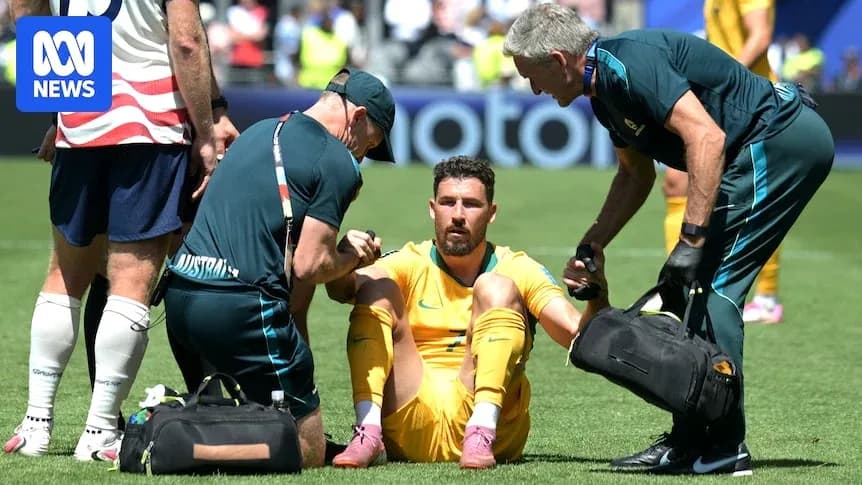
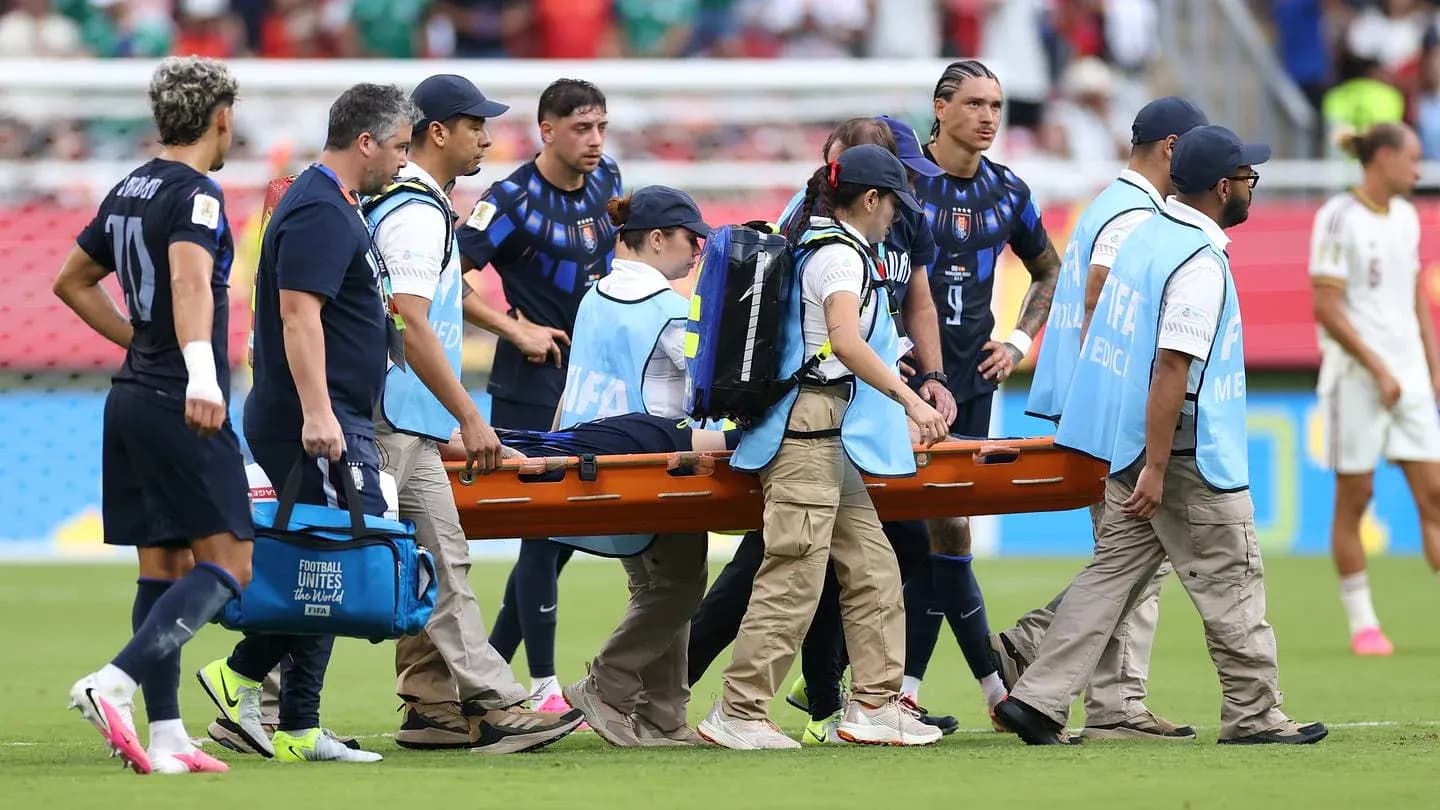
Ben White’s knee injury in Sunday’s win over West Ham United has ripped a hole in Arsenal’s back line at the worst possible time. Jurrien Timber has already been out since mid-March. Suddenly, the manager who has spent months fine‑tuning details is staring at a very blunt question: who plays right-back in a title run-in and a Champions League final?
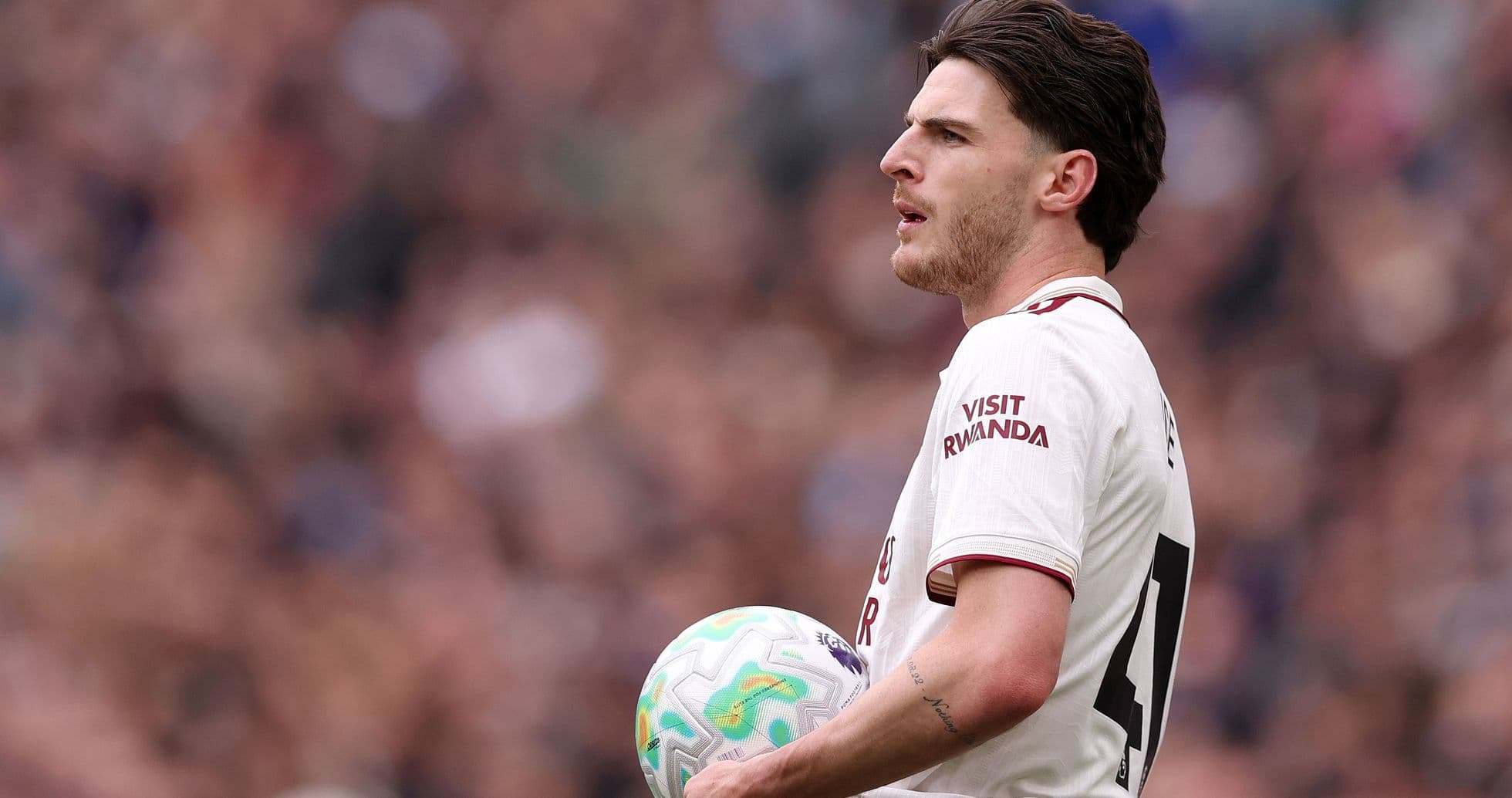
For now, the answer has been Declan Rice.
When White went down at the weekend, Rice slid out to the right flank to steady the defence before Cristhian Mosquera was eventually introduced. It was a move born of necessity, but not without logic. Rice has been the heartbeat of Arsenal’s midfield all season, yet his skill set screams “problem-solver” rather than pure playmaker. Arteta leaned on that.
This is not a role entirely alien to English football’s elite midfielders. On The Good, The Bad and The Football podcast, Paul Scholes and Nicky Butt were quick to draw a line back to Roy Keane’s days at Manchester United.
“Roy Keane played right-back for two-thirds of a season,” Butt recalled.
Scholes pushed the comparison further. “He played there loads because United had Bryan Robson and Paul Ince. Roy played there loads and was brilliant. Declan Rice looks like he would suit playing at right-back to me. He can play there. He’s not a big creator anyway.”
That last line cuts to the heart of the debate. Rice has been immense for Arsenal, but not as a classic No 10 threading passes through packed defences. His numbers tell a different story: five goals and 11 assists across 53 appearances in all competitions, impressive returns for a midfielder whose primary job has been to anchor, drive, and dominate rather than to orchestrate every attack.
He has powered Arsenal’s surge towards a first Premier League title since 2004, setting the tempo, winning duels, and dragging his team up the pitch. Now his versatility might be the quality that defines their season.
The table is brutal in its clarity. Arsenal sit on 79 points from 36 games, five clear of Manchester City, but Pep Guardiola’s side have a game in hand. One slip, maybe even one draw, could be fatal. Every selection call carries weight.
So Arteta stands at a crossroads before Monday’s home game against Burnley. Does he trust Mosquera in the back four and keep Rice where he has been so influential, patrolling the centre of the pitch? Or does he lock in Rice at right-back, betting that his athleticism and reading of the game can protect a patched-up defence without completely blunting Arsenal’s midfield?
There is no safe option, only trade-offs.
Mosquera offers balance on paper: a natural defender in the back line, Rice retained in his best zone, the structure that has carried Arsenal this far largely intact. But this is the sharp end of a gruelling campaign, where inexperience can be exposed in a single moment.
Shift Rice to right-back, though, and you lose some of that midfield authority that has suffocated opponents all year. Arsenal’s press, their control, their ability to pin teams in – all of it has Rice’s fingerprints on it. Move him, and the whole picture changes.
And yet, as Scholes hinted, Rice at right-back is not some wild experiment. It is a throwback to a time when elite midfield generals were asked to plug gaps for the good of the team. Keane did it. Others of that era did too. Champions adapt.
The calendar offers no breathing space. After Burnley at home, Arsenal close their Premier League campaign away at Crystal Palace. Then comes Budapest and Paris Saint-Germain in the Champions League final on May 30, a meeting with the holders that demands absolute clarity in every position.
Arteta’s decision in these next few days will echo through all of it. Does he double down on the system that made Arsenal title contenders, or does he bend it around the one player who can seemingly do everything?
In a season defined by fine margins, the answer at right-back might decide whether this campaign is remembered for what Arsenal almost did – or what they finally won.