Jose Mourinho's Stance Amid Real Madrid Turmoil
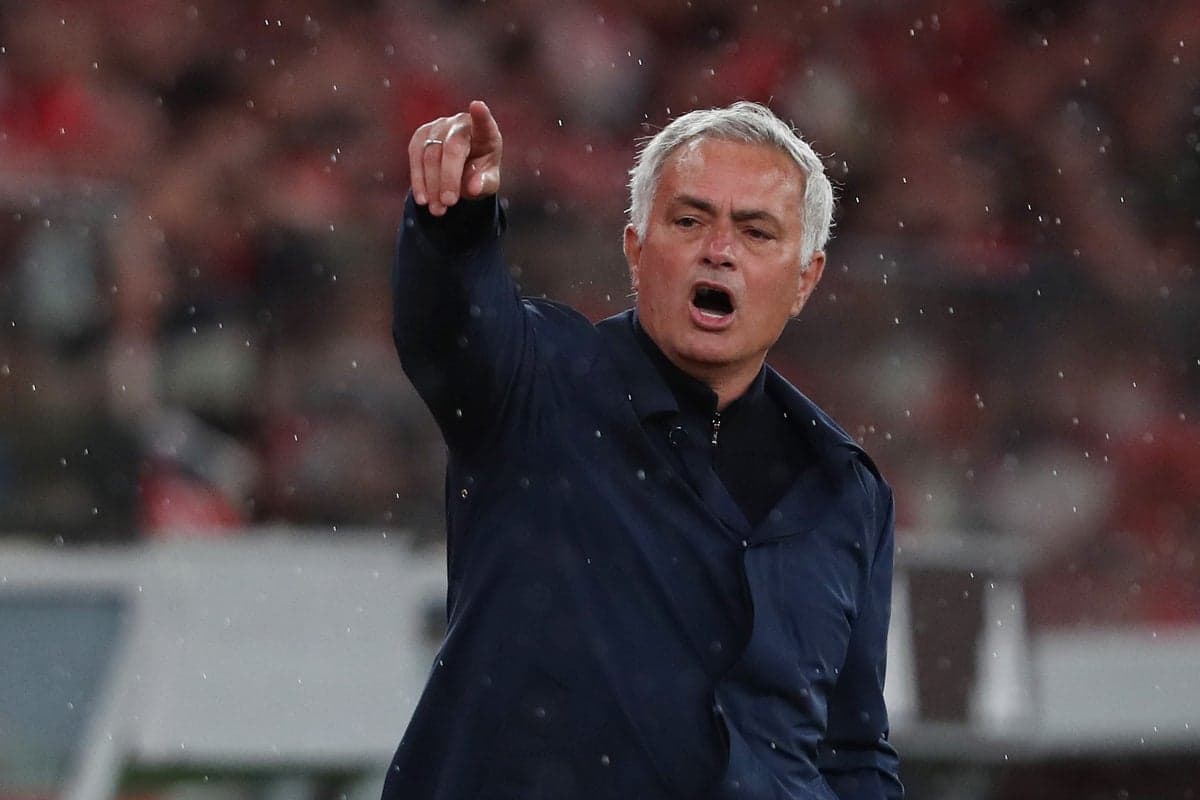
Jose Mourinho has drawn a hard line in Lisbon. Real Madrid’s turmoil, Benfica’s Champions League fate, the noise around his future – none of it, he insists, will dictate his next move.
The 63-year-old is again at the centre of a Madrid storm. Reports in Spain have pushed him to the front of the queue to replace Alvaro Arbeloa at the Bernabeu after a bruising season for Los Blancos. The timing is classic Mourinho: back in work, back unbeaten, back in the conversation.
Since taking over at Benfica in September, he has rebuilt quickly and ruthlessly. His side have not lost a league game under his watch, and with one fixture left they remain alive in the fight for a Champions League place. Yet Monday night’s draw with Braga cut deep. Two points now separate Benfica from second-placed Sporting Lisbon heading into Saturday’s decisive meeting with Estoril.
The stakes are obvious. Second place means a Champions League route; third could mean a different European path and a different financial landscape. For most coaches, that kind of swing shapes everything.
Mourinho says it will not shape him.
Facing questions after the Braga stalemate, he cut off the Madrid narrative with familiar precision. “You’re talking about Real Madrid, I’m not talking about Real Madrid,” he said. “I’m talking about Benfica, and the work we’ve been doing won’t change because we’re second or third. That’s not what’s going to influence my future.
“Obviously, Benfica wants to play in the Champions League, and so do I as a coach, but it has no influence whatsoever.”
It was a reminder of the leverage he holds. Mourinho knows Madrid. He knows the Bernabeu. He knows the scale of the mess he would be walking into.
From 2010 to 2013, he turned Real Madrid into a snarling, relentless machine, breaking Barcelona’s domestic dominance with a league title and adding a Copa del Rey. That spell ended in acrimony, but also in the kind of intensity that still appeals to a club desperate for control.
This season, control has deserted them. Sunday’s defeat to Barcelona did more than sting pride; it handed the league title to their greatest rivals and underlined the fragility of Arbeloa’s project. Dressing-room unrest has spilled into public view, the atmosphere around the squad fraying as results have turned.
Europe has offered no refuge. For the second straight year, Real Madrid crashed out of the Champions League at the quarter-final stage. Arsenal ended their run last season. This time Bayern Munich finished the job, a 6-4 aggregate defeat that exposed structural flaws at both ends of the pitch and left the club staring at another year without the trophy that defines them.
That is the backdrop against which Mourinho’s name has surged back into prominence. A club searching for authority. A coach whose entire career has been built on imposing it.
Yet in Lisbon, he is playing a different hand. By separating his future from Benfica’s league position, he sends a message to both sides of the equation. To Benfica: he is not a fair-weather project manager, swayed by one result or one table finish. To Madrid: if they want him, they are not buying a man scrambling for Champions League exposure. They are buying a coach who believes he can get there with or without them.
Saturday against Estoril will still feel like a final. Benfica want the Champions League. Mourinho wants it too. But he has made one thing clear: his next step, whether it leads back to the Bernabeu or keeps him in Lisbon, will be on his terms, not on the bounce of a ball on the final day.