Southampton Faces Disciplinary Investigation Over Spying Allegations
Southampton’s play-off campaign now carries a shadow that has nothing to do with form, tactics or injuries.
The club have asked for extra time to complete an internal review after being charged by the English Football League with spying on Championship play-off rivals Middlesbrough – a case that could yet reshape the promotion race.
A spy at Rockliffe
The allegation is stark. Middlesbrough say a member of Southampton’s coaching staff was caught watching and recording a Boro training session at Rockliffe Park on Thursday, just 48 hours before the first leg of their semi-final at Riverside Stadium, which ended 0-0.
The EFL has accused Southampton of “observing, or attempting to observe, another club's training session within 72 hours of a scheduled match” and of failing to act “with the utmost good faith” towards another club.
At no point have Southampton denied the central claim.
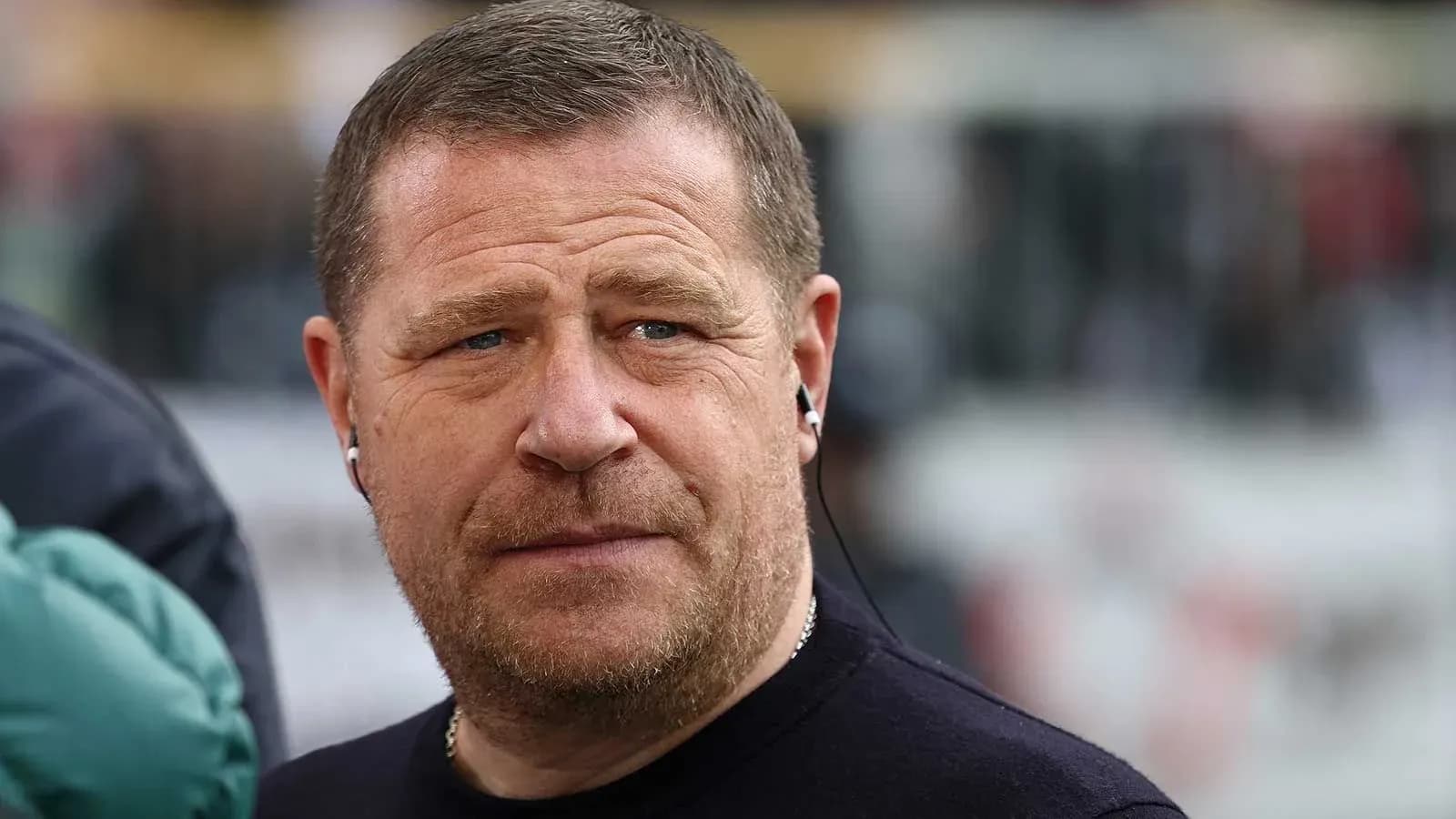
The tension around the case spilled into public view on Saturday. Saints manager Tonda Eckert walked out of his post-match news conference early after repeatedly refusing to answer whether he had sent a performance analyst to watch Middlesbrough train. The silence said plenty.
EFL pushes for speed, Southampton ask for time
Under normal circumstances, Southampton would have 14 days to respond to the charges. These are not normal circumstances.
With the play-off final set for 23 May at Wembley and the second leg against Middlesbrough at St Mary’s on Tuesday night, the EFL has asked an independent disciplinary commission to stage “a hearing at the earliest opportunity”. The league does not decide the punishment itself, but it is pushing hard for clarity.
Southampton, though, want space to investigate their own house.
“The club is fully co-operating with the EFL and the disciplinary commission, while also undertaking an internal review to ensure that all facts and context are properly understood,” said CEO Phil Parsons.
“Given the intensity of the fixture schedule and the short turnaround between matches, we have requested time to complete that process thoroughly and responsibly.
“We understand the discussion and speculation that has followed over recent days, but we also believe it is important that the full context is established before conclusions are drawn.”
Time, however, is exactly what the EFL feels it does not have.
Punishments on the table – from fines to expulsion
The stakes are enormous. The independent disciplinary commission has a full range of sanctions available: a fine, a points deduction, even removing Southampton from the play-offs entirely.
That last option is the nuclear scenario, but the fact it exists changes the whole mood of this tie. The second leg at St Mary’s is being played under the possibility – however remote – that the winners on the pitch might not be the ones heading to Wembley. Middlesbrough could yet argue for reinstatement if Southampton are thrown out.
Any decision would also carry a right of appeal. Delay that too long, and the integrity of the entire play-off process comes into question.
A points deduction is another live option. Yet if Southampton go up and the punishment bites only on a future Premier League campaign, Middlesbrough will have every reason to ask whether justice has really been done.
The EFL cannot punish a Premier League club directly, but it can recommend a sanction. The Premier League board would then decide whether any deduction applies, and when – potentially in the 2026-27 season. That sort of lag only adds to the sense of unease.
Leeds, Bielsa and the rule that changed everything
This is not English football’s first brush with a spying scandal. Leeds United were fined £200,000 in 2019 after a member of Marcelo Bielsa’s staff was found acting suspiciously outside Derby County’s training ground before a league game.
Back then, there was no specific rule against watching another club’s training sessions. Leeds were punished for failing to act with “good faith” towards another team. Bielsa then openly admitted he had sent staff to watch every opponent that season.
That case forced the EFL to move. Rule 127 was introduced, explicitly banning any attempt to observe an opponent’s training in the days leading up to a match.
This is where Southampton’s situation becomes more serious. They have been charged under both the old “good faith” provision and the newer, targeted rule. That dual charge alone suggests a fine may not satisfy the authorities.
There is also the context. Leeds were preparing for a standard league fixture in mid-season. Southampton stand accused of spying before a play-off semi-final – a match worth tens of millions and potentially a route back to the Premier League. That can easily be framed as an aggravating factor.
How much senior staff knew, what exactly was filmed or recorded, and how that information was used will matter. Those details might soften the blow, but they won’t remove it. Whoever was at Rockliffe Park still represented Southampton.
A cloud over the play-offs
This is not just about one club’s conduct. It cuts to the credibility of the competition.
The play-offs are sold as football’s great drama – jeopardy, tension, and a clear sense that what happens on the pitch is all that counts. Now the narrative is split. One story is the football itself; the other is a disciplinary case that could re-write the cast list for Wembley.
There is also a wider backdrop. Spying in football is no longer a quirky sideshow. At the 2024 Olympics women’s tournament in Paris, Fifa deducted six points from Canada for using a drone to spy on New Zealand. Three members of Canada’s staff, including the head coach, were banned from all football for a year.
The message from the authorities, domestic and global, has hardened. Clubs know where the line is. Crossing it carries real risk.
Southampton insist they need more time to understand exactly what happened. The EFL insists it needs a verdict before the season’s showpiece is played.
One club wants the clock to slow down. The league wants it to speed up. The play-offs sit in the middle, waiting to see whether this semi-final is simply a battle for Wembley – or the opening act in a disciplinary fight that could define the promotion race long after the final whistle.