Real Betis vs Elche: Tactical Insights from La Liga Clash
Under the Seville dusk at Estadio de la Cartuja, Real Betis edged Elche 2–1 in a La Liga contest that felt like a snapshot of their seasons in miniature. Following this result, the table context remains stark: Betis, 5th with 57 points and a goal difference of 12 (56 scored, 44 conceded in total), continue to stride towards the Champions League places, while 16th‑placed Elche, on 39 points and a total goal difference of -9 (47 for, 56 against), still live on the knife‑edge between safety and danger.
I. The Big Picture – Structure and Seasonal DNA
Manuel Pellegrini rolled out a 4‑3‑3, a nod to one of Betis’s favoured blueprints this season. In total they have used 4‑3‑3 in 10 league games, though 4‑2‑3‑1 has been their staple. Here, the front three of Antony, Cucho Hernández and A. Ezzalzouli stretched Elche horizontally, while a midfield triangle of Pablo Fornals, Sofyan Amrabat and Giovani Lo Celso controlled the central corridors.
Across the season, Betis’s numbers frame the identity we saw: in total they average 1.6 goals for per game, conceding 1.2. At home they have been particularly potent, with 32 goals in 18 matches at 1.8 per game, and only 18 conceded at exactly 1.0 per match. This blend of controlled aggression and relative defensive security underpinned the way they managed the game once ahead.
Elche, by contrast, arrived with a 3‑5‑2 under Eder Sarabia, one of several shapes they have rotated through. In total they have used 3‑5‑2 most often (12 times), a system designed to protect a vulnerable back line while keeping two outlets up front. The season data tells the story of a split personality: at home they average 1.6 goals for and 1.1 against, but on their travels they drop to 1.0 scored and leak 2.1 per game. The away record – 1 win, 4 draws and 13 defeats from 18 – hung over them like a cloud, and this match did little to dispel it.
II. Tactical Voids – Absences and Discipline
Both managers had to navigate notable absences. Betis were without M. Bartra (heel injury), A. Ortiz (hamstring) and A. Ruibal (suspended after a red card). Bartra’s absence removed an experienced organiser from the back line, pushing the responsibility for defensive leadership onto D. Llorente and V. Gómez. That, in turn, made Amrabat’s role as a screening midfielder even more critical, shielding a back four missing its most seasoned voice.
Elche’s injury list was equally disruptive: A. Boayar (muscle injury), R. Mir (hamstring) and Y. Santiago (knee injury) all missed out. The loss of R. Mir stripped Sarabia of a different profile up front – a more direct, penalty‑box‑focused option – forcing him to lean heavily on André Silva and Grady Diangana as dual threats.
Disciplinary trends shaped the risk profiles. Betis, heading into this game, showed a pronounced late‑game yellow‑card surge: 26.39% of their total yellows arrive between 76–90 minutes, and a further 18.06% between 91–105. It is a side that becomes combative and occasionally ragged as the clock ticks down. Elche mirror that volatility: 22.97% of their yellows fall in minutes 61–75 and 21.62% in 76–90, with an additional 13.51% from 91–105. For a 3‑5‑2 that relies on aggressive stepping out from the back, that edge can easily tilt into self‑destruction.
Red‑card history sharpened those concerns. D. Affengruber, starting on the right of the Elche back three, has already seen red once this season, despite a strong defensive profile that includes 25 blocked shots and 48 interceptions. On the Betis side, Antony carries a red card in his season log, underlining his combustible edge in duels and transitions.
III. Key Matchups – Hunter vs Shield, Engine Room vs Enforcer
Hunter vs Shield
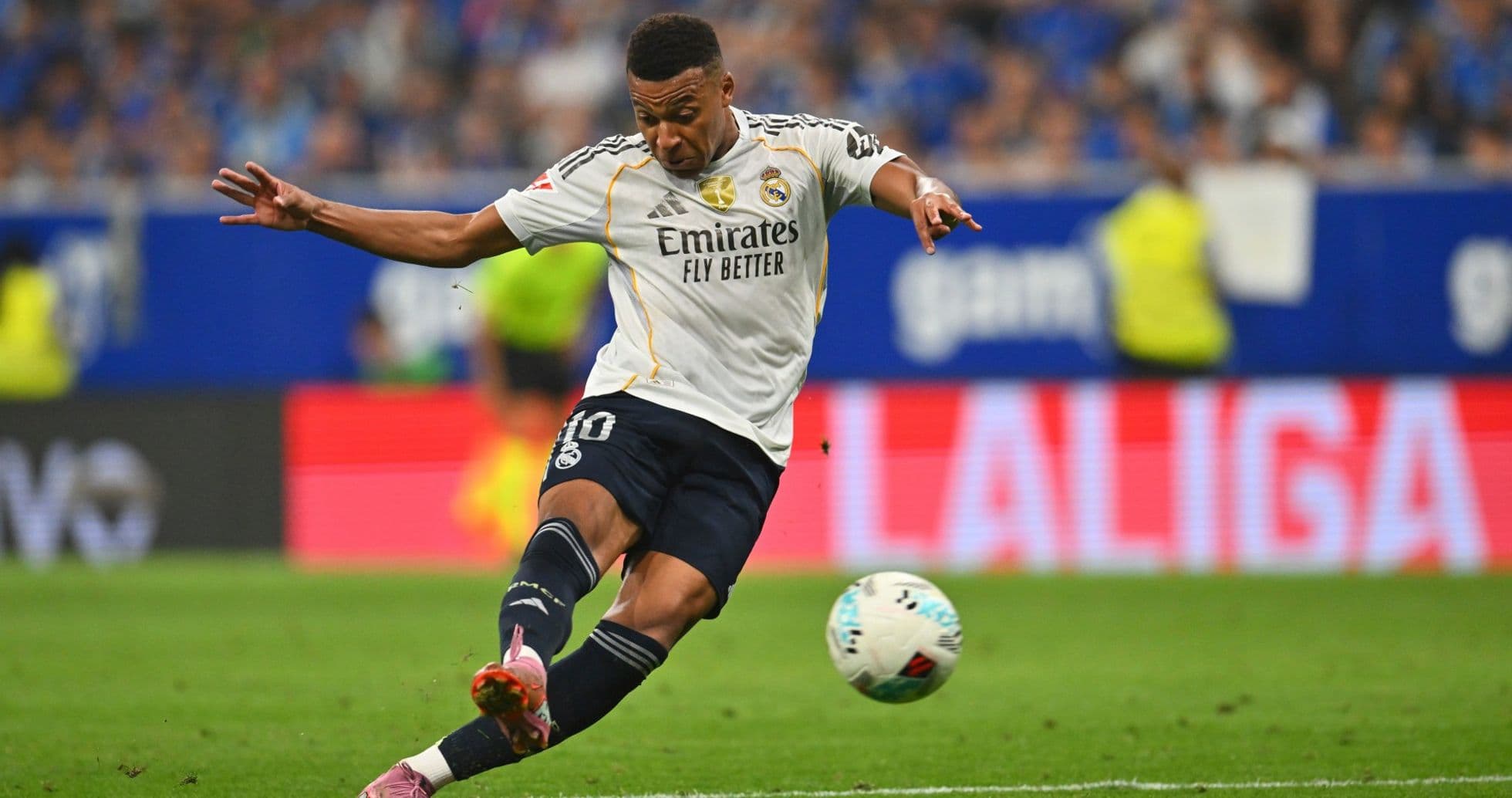
The game’s clearest narrative duel pitted Betis’s attacking trident against an Elche defence that has struggled away all year. Cucho Hernández, with 11 league goals and 3 assists in total, came in as Betis’s leading scorer. His 63 shots (25 on target) and 33 key passes speak to a forward who both finishes and links. Alongside him, Ezzalzouli’s 9 goals and 8 assists, plus 83 dribble attempts with 39 successes, make him one of La Liga’s most relentless one‑v‑one threats. Antony, with 8 goals and 6 assists, adds another high‑volume dribbler and creator (51 key passes, 62 shots).
Set against that, Elche’s total defensive record – 56 goals conceded in 36 matches, including 37 on their travels – framed a structural mismatch. Affengruber’s individual numbers (70 tackles, 25 blocks, 173 duels won) highlight a defender capable of heroic last‑ditch work, but the system around him has often been porous once stretched horizontally. Betis’s wide forwards repeatedly dragged the outside centre‑backs into uncomfortable zones, opening seams for Cucho to dart into.
At the other end, André Silva carried Elche’s main goal threat, with 10 goals in total and an impressive 28 shots on target from 41 attempts. His duel with V. Gómez and D. Llorente was a classic “fox vs wall” confrontation: Silva thrives on small pockets and near‑post runs, while the Betis pair, supported by Amrabat, aimed to keep him playing with his back to goal, away from the penalty spot where Elche’s rare away chances usually materialise.
Engine Room – Playmaker vs Enforcer
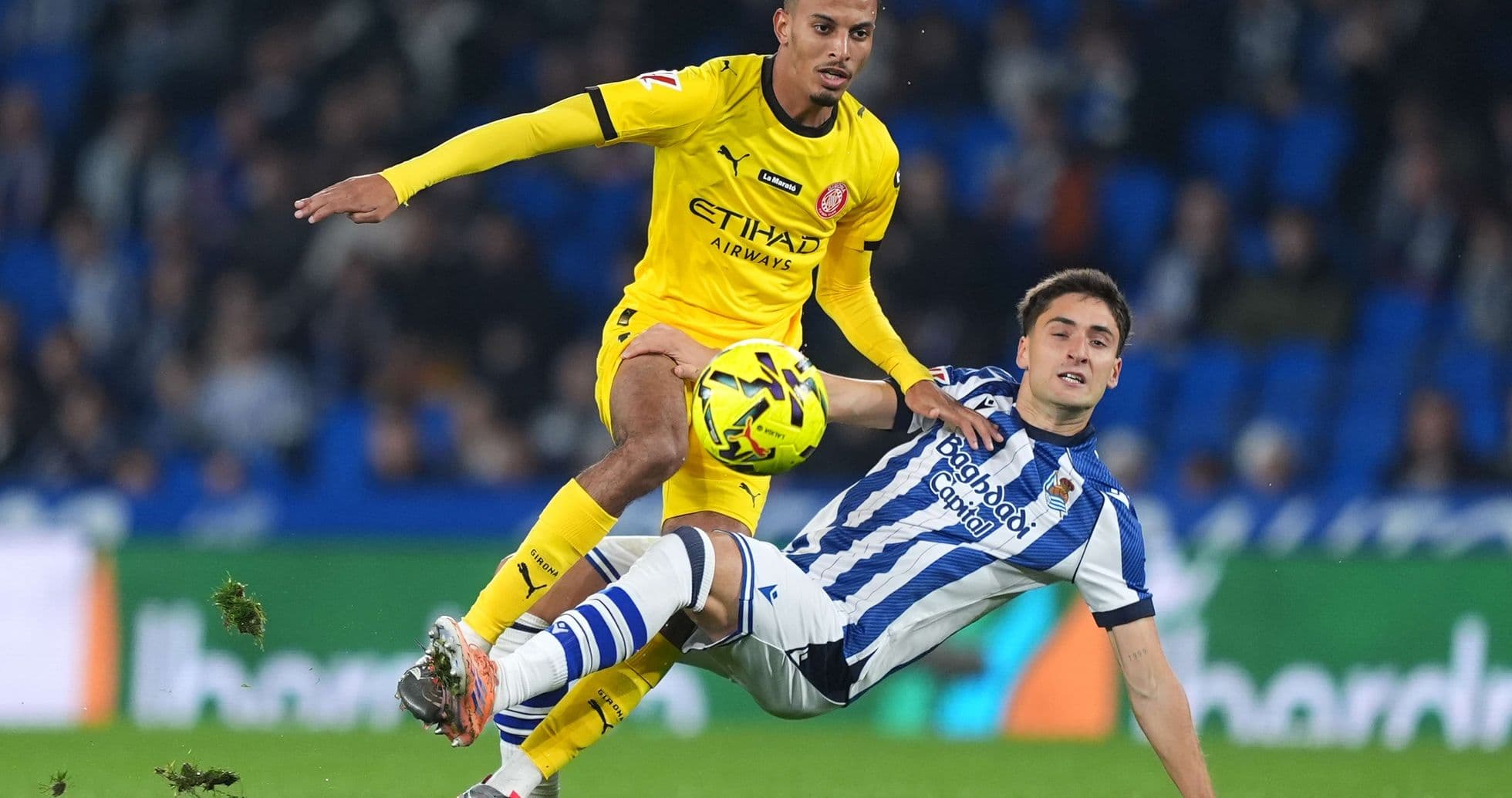
The midfield battle revolved around Betis’s creators and Elche’s ball‑carriers. Fornals, with 8 goals and 6 assists and a remarkable 83 key passes from 1,721 total, orchestrated between the lines, flanked by Lo Celso and underpinned by Amrabat. His ability to receive between Elche’s midfield and defence repeatedly forced Aleix Febas and M. Aguado to decide whether to step out or hold shape.
Febas, one of La Liga’s most industrious midfielders, brought 73 tackles, 25 interceptions and 90 dribble attempts (53 successful) into this contest, but also 10 yellow cards in total. His role as Elche’s engine and ball‑carrier is double‑edged: when he breaks lines, Elche can connect quickly with Silva and Diangana; when he mistimes a press, the space behind him becomes the runway Fornals and Ezzalzouli crave.
Amrabat’s presence as Betis’s enforcer was crucial. With Betis conceding only 18 goals at home in 18 matches, his positional discipline is a key reason their home defensive average sits at 1.0 goals against per game. In this match he repeatedly dropped into the back line to form a temporary three when full‑backs Héctor Bellerín and Júnior Firpo advanced, denying Elche the easy counter‑attacking lanes that have occasionally saved their away days.
IV. Statistical Prognosis – xG Logic and Defensive Solidity
Even without explicit xG values, the underlying metrics point towards a Betis‑leaning shot quality profile. Heading into this game, Betis’s total scoring average of 1.6 per match, combined with Elche’s total concession rate of 1.6 – and a particularly alarming 2.1 against on their travels – suggested that Betis were likely to generate the higher‑value chances, especially from wide overloads and cut‑backs.
Betis’s home goal difference of +14 (32 scored, 18 conceded) contrasts sharply with Elche’s away goal difference of -19 (18 scored, 37 conceded). That 33‑goal swing between Betis at home and Elche away is the statistical spine behind the 2–1 scoreline: even when Elche compete and find moments through Silva or Diangana, the structural weight of the season tilts the balance.
From a penalty standpoint, both sides came in with perfect records in total – Betis scoring 2 from 2, Elche 4 from 4 – and no penalties missed, removing the lottery element from the equation and keeping the focus on open‑play construction.
Following this result, the tactical and statistical picture remains consistent: Betis are a controlled, creatively rich home side whose wide forwards and playmakers bend fragile defences until they break. Elche, brave in structure and reliant on the industry of Febas and the finishing of André Silva, continue to fight against an away profile that gives them too little margin for error. In Seville, that margin vanished again, and the numbers always hinted it would.