World Cup Injury Alarm: Messi and Stars Racing Against Time
The World Cup is a month away, and the biggest storyline isn’t tactics, form, or dark horses. It’s the treatment table.
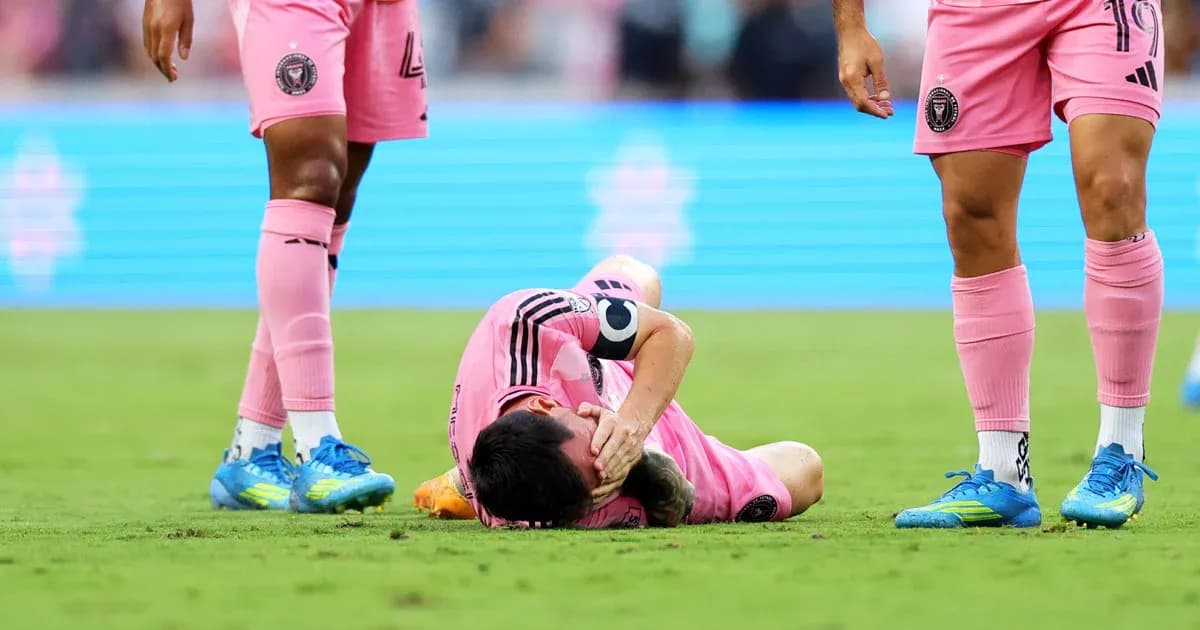
Lionel Messi, the face of Argentina’s title defense and still the tournament’s biggest global draw, walked off for Inter Miami on Sunday after reaching for his left hamstring. One hand on the back of his leg, one eye on the clock. Time is suddenly the most precious commodity in world football.
He is not alone.
Stars Racing the Clock
Kylian Mbappé and Mohamed Salah have already had their scares. Both picked up injuries in the run-up to the tournament but have recovered in time, a huge relief for France and Egypt and for a World Cup co-hosted by the United States, Canada and Mexico that badly needs its headliners on the pitch, not in the stands.
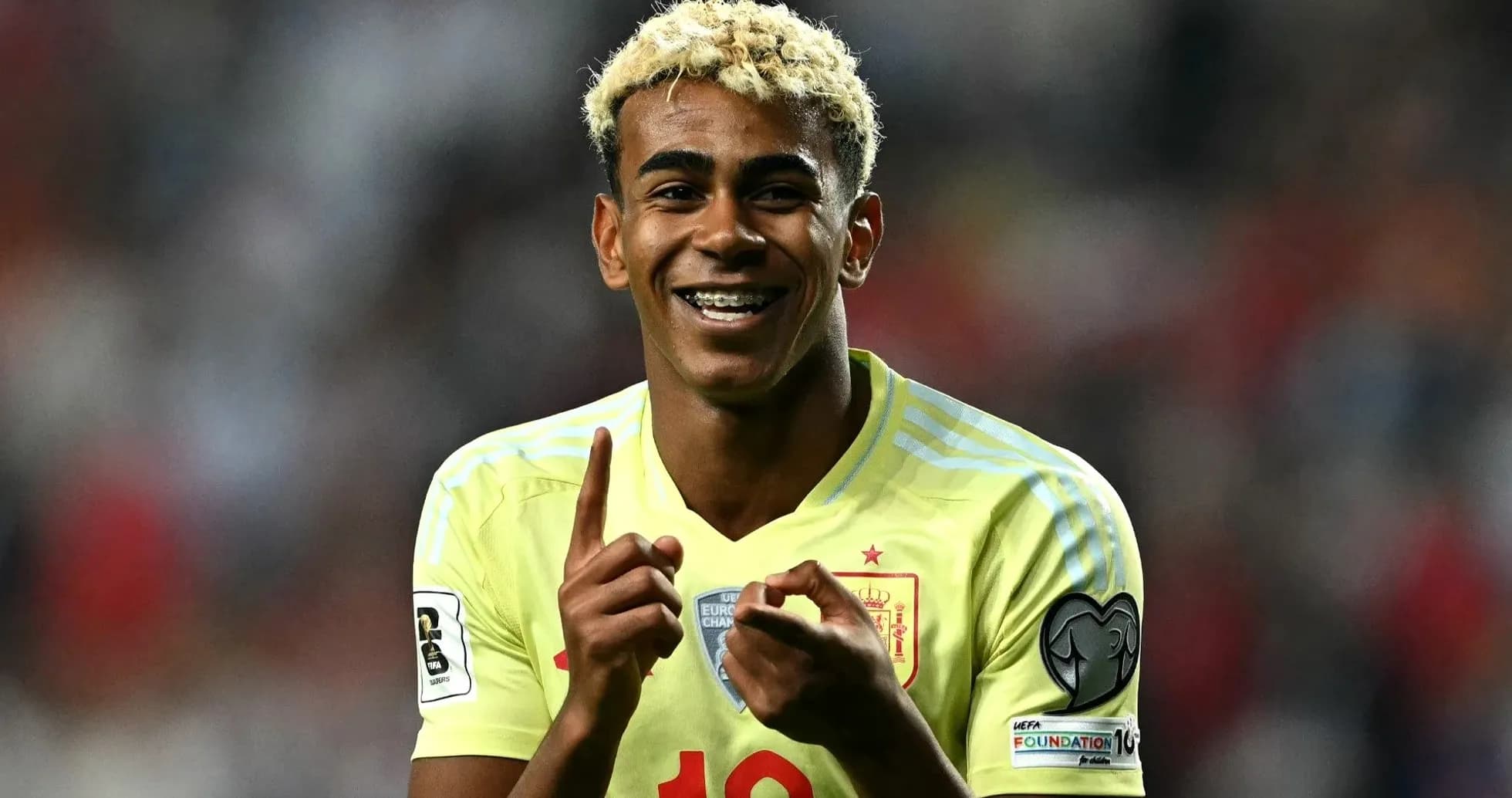
Spain have lived the same anxiety with Lamine Yamal, the teenager already carrying the tag of “superstar” at Barcelona. A muscle injury in his left leg kept him out of the final weeks of the season, but the expectation is that he will be ready when the World Cup kicks off. Spain will hold their breath until he steps onto the grass.
Others won’t get that chance at all.
Definitively Out: World Cup Dreams Cut Short
The list of confirmed absentees grows by the week, and it cuts across continents and contenders.
For France, Hugo Ekitike’s World Cup ended in April. An Achilles injury, the kind that doesn’t care about calendars, is expected to keep the striker out for more than six months. It rules him out of the tournament and likely the start of his Liverpool career next season.
Brazil, already under scrutiny every time a major tournament approaches, have been hit hard. Rodrygo and Éder Militão are both ruled out, the former with an ACL injury and the latter with a hamstring problem. For a nation that measures itself by World Cups, losing two players of that stature is a brutal blow.
Germany’s Serge Gnabry, a key attacking option for Bayern Munich and the national team, will miss out after damaging his adductor in training. The Netherlands have lost Xavi Simons to an ACL injury, a cruel setback for one of Europe’s most exciting young midfielders.
England’s Ben White is sidelined with a medial ligament problem. The United States have seen center back Cameron Carter-Vickers and forward Patrick Agyemang both ruled out with Achilles injuries, stripping depth from a squad that had been quietly building momentum.
Argentina are not spared either. Joaquín Panichelli’s ACL injury takes him out of contention, another reminder that even the defending champions are walking a fine line.
The confirmed absentees so far:
- Argentina: Joaquín Panichelli (ACL)
- Brazil: Éder Militão (hamstring), Rodrygo (ACL)
- England: Ben White (medial ligament)
- France: Hugo Ekitike (Achilles)
- Germany: Serge Gnabry (adductor)
- Netherlands: Xavi Simons (ACL)
- United States: Cameron Carter-Vickers (Achilles), Patrick Agyemang (Achilles)
These aren’t fringe names. They’re starters, game-changers, tactical pillars. And they’re watching this World Cup from home.
Walking the Tightrope
This is not a freak year. It’s the product of a calendar stretched to breaking point.
Players and coaches have been sounding the alarm for months. Seasons bleed into summers, summers bleed into new competitions. The relaunched, expanded Club World Cup landed just a year before this World Cup. The Champions League has been enlarged. Domestic leagues and cups refuse to give an inch.
Arsenal manager Mikel Arteta described it bluntly: “an accident waiting to happen.” The accidents are now happening, in every major league, in every major squad.
Doubts, Masks and Race-Against-Time Recoveries
Some players will make it. Some won’t. For now, they live in the grey area.
Algeria are sweating on goalkeeper Luca Zidane, son of Zinedine Zidane, after a facial injury from a collision last month left his participation in doubt. It is the kind of injury that can clear quickly—or linger awkwardly, demanding masks and caution.
Argentina must monitor Cristian Romero, who is nursing a knee injury. Tottenham have not provided a recovery timeline, which only feeds the uncertainty around one of Lionel Scaloni’s most important defenders.
Co-hosts Canada have their own scare. Alphonso Davies, the heartbeat of the national team and one of the world’s most dynamic left backs, injured his hamstring in Bayern Munich’s Champions League semifinal defeat to Paris Saint-Germain, just over a month before the World Cup. His recovery will shape not just Canada’s ambitions, but the mood of a host nation.
Croatia, masters of survival at major tournaments, have endured a mixed build-up. Luka Modrić fractured his cheekbone last month, yet returned for AC Milan well before the World Cup, another reminder of his stubborn defiance of age and setbacks. Joško Gvardiol, a defensive cornerstone, rejoined training with Manchester City in early May after four months out with a broken leg. His timing looks better than anyone could have hoped when the injury first struck.
Morocco, semifinalists at the last World Cup, are monitoring Achraf Hakimi, who has been sidelined with a right thigh injury at Paris Saint-Germain. His pace and directness are non-negotiable parts of Morocco’s identity; without him, they are a different team.
The United States face anxious days as well. Midfielder Johnny Cardoso sprained his right ankle in training with Atletico Madrid five weeks before the tournament. Center back Chris Richards tore ankle ligaments while playing for Crystal Palace. Both injuries raise questions about fitness, sharpness, and how much risk a national coach is willing to take on players who are not at full tilt.
A Tournament Under Strain
The World Cup is supposed to be the pinnacle, the stage where the very best arrive in peak condition. Instead, the modern game is sending many of them there patched up, exhausted, or not at all.
Messi’s hamstring, Davies’ sprint capacity, Hakimi’s thigh, Romero’s knee—these are no longer just medical bulletins. They are plot lines that could reshape a tournament spread across a continent.
The ball will roll next month regardless. The question is how many of the world’s finest will still be standing when it does.