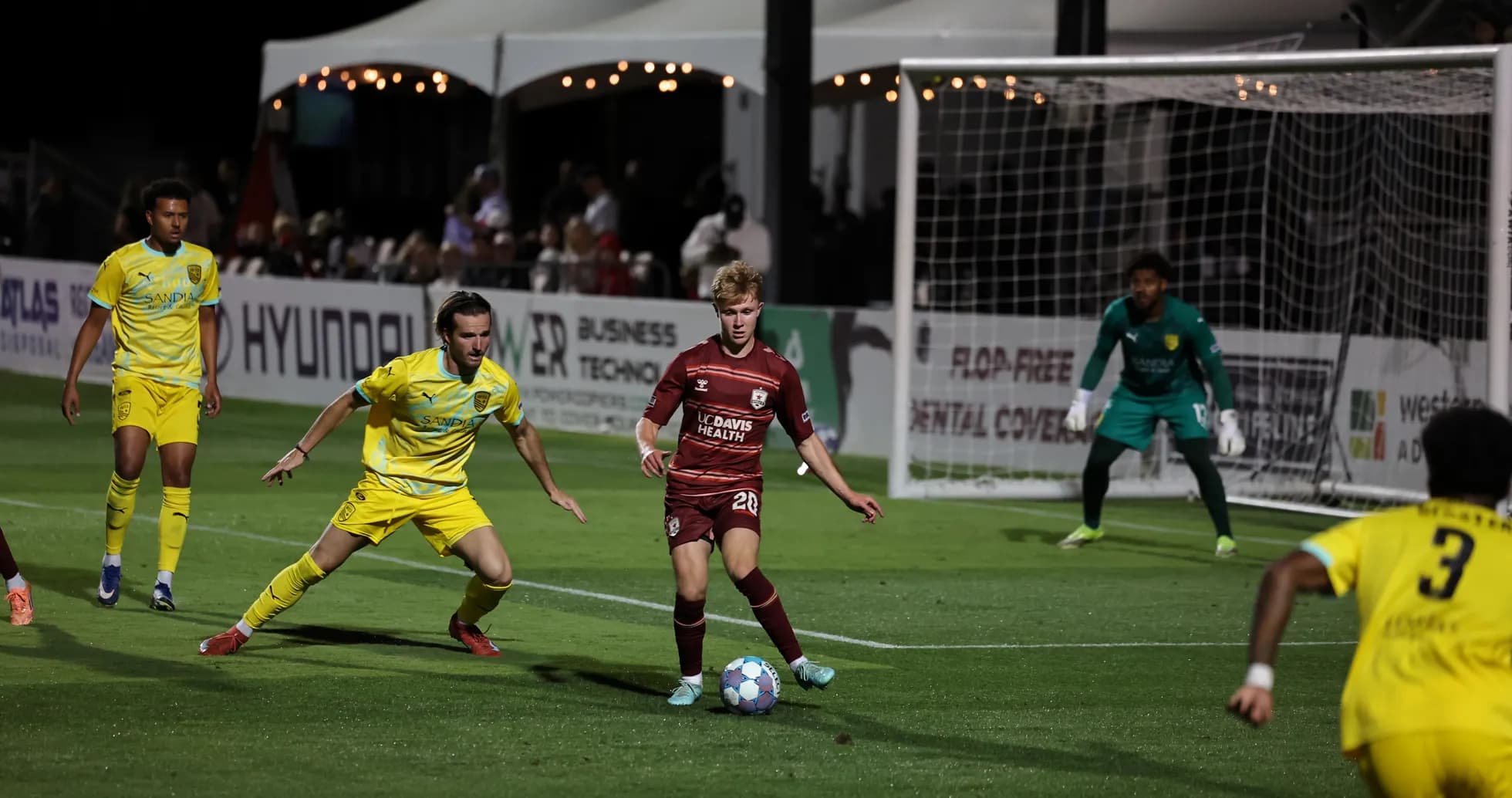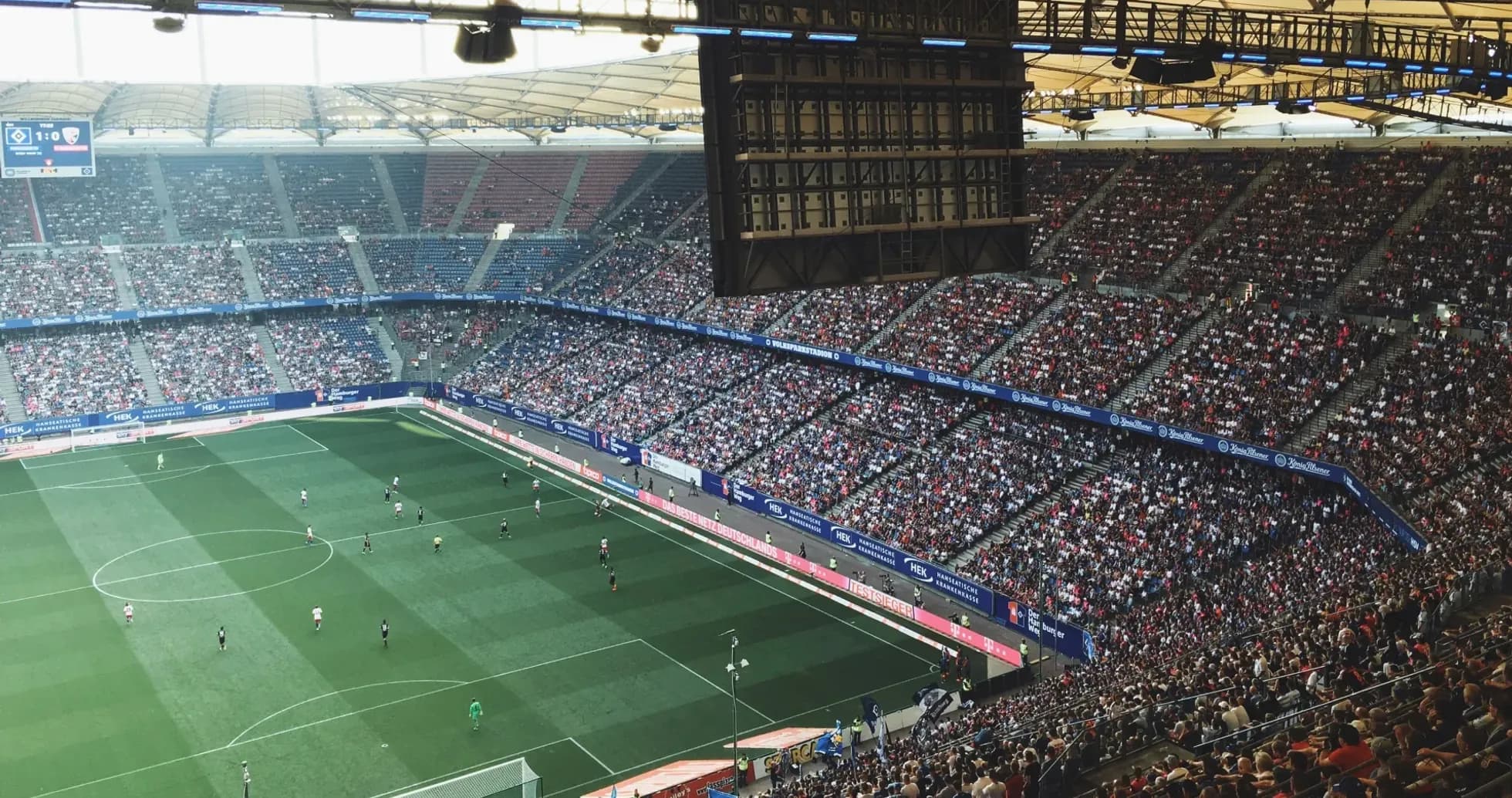

Orange County SC Edges Las Vegas Lights 3–2 in Thrilling Match
Under the Las Vegas lights at Cashman Field, the league leaders came to town and survived a scare. Orange County SC, top of the USL 1 group heading into this game with 23 points and a goal difference of 5, edged an open, chaotic contest 3–2 against an 11th‑placed Las Vegas Lights side still searching for consistency but quietly building a formidable home persona.
For Las Vegas, this was another night that encapsulated their seasonal split personality. Overall this campaign they have 4 wins, 3 draws and 6 defeats from 13 matches, scoring 20 and conceding 23 for a goal difference of -3. Yet at home they had been far more controlled: 3 wins, 2 draws and just 1 defeat from 6, with only 5 goals conceded. That home defensive record—0.8 goals against at home on average versus 2.6 on their travels—collided with the most balanced and efficient attack in the conference. Orange County arrived with 18 goals in total, split between 7 at home and 11 on their travels, and a defensive record that speaks of control rather than chaos: just 13 conceded overall, with 9 on the road.
The lineups underlined two very different identities. Devin Rensing’s Las Vegas XI, with M. Stajduhar in goal, leaned on a back unit of B. Pope, N. Jones, A. Guillen and T. Antonoglou that has been strong at home but fragile away. In front of them, the midfield core of C. Pinzon, M. Ybarra and K. Scott was tasked with knitting together transitions, while O. Anderson and J. Rodriguez flanked the penalty‑box instincts of M. Arteaga.
Across the halfway line, Danny Stone’s Orange County SC came as a fully‑formed unit, the league’s benchmark for structure. A. Rando started in goal, shielded by G. Doody, T. Brewitt, G. Tubbs and N. Ciotta. Ahead of them, the blend of L. MacKinnon’s width, S. Kelly’s work rate, N. Benalcazar’s control, C. Hegardt’s creativity, O. Sylla’s dynamism and Y. Bazini’s movement gave the visitors multiple reference points between the lines.
If there was a tactical void for Las Vegas, it lay in the invisible data: their disciplinary and emotional management over 90 minutes. Heading into this game they had already collected a spread of yellow cards that spikes late—22.73% of their yellows come between 76–90 minutes—and a single red card, also in that 76–90 window. Orange County share a similar late‑game edge: 38.10% of their yellows arrive in the 76–90 minute band, with their only red card this season also in that period. This match, decided in the margins, always threatened to tilt on who would keep their heads when the clock moved past 75 minutes.
Las Vegas also carried the weight of a split penalty story. Overall this campaign they have earned 2 penalties, scoring 1 and missing 1, a 50.00% conversion rate that quietly shapes decision‑making in the box. Orange County, by contrast, have yet to take a penalty—0 in total, 0 scored, 0 missed—so their threat is almost entirely open‑play driven.
Within that framework, the “Hunter vs Shield” matchup was clear. The “Hunter” was not a single name but Las Vegas’s collective home attack: 8 goals at home from 6 matches, an average of 1.3 per game, driven by the mobility of Anderson and Rodriguez around Arteaga. The “Shield” was Orange County’s away defence, conceding only 9 on their travels at an average of 1.3 per game. In the end, the leaders bent but did not break, conceding twice but trusting their structure and transitions to find three goals of their own.
In midfield, the “Engine Room” duel shaped the rhythm. M. Ybarra and K. Scott were asked to disrupt the measured distribution of N. Benalcazar and the creative angles of C. Hegardt. Las Vegas’s season‑long numbers suggest a side that can control spells of play but struggles to sustain it: overall they concede 1.8 goals per game, and even at home, despite that strong record, their biggest defeat in front of their own fans is a 2–3 scoreline—exactly the margin that unfolded here. Orange County, whose biggest away win this campaign is 3–2, again found that same pattern: absorb, counter, and trust their front line to outscore.
The benches hinted at alternative scripts that never fully materialised. Rensing had the direct running of B. Mines, the defensive presence of B. Ofeimu and the energy of N. Sessock and A. Okyere to change the game state. Stone, meanwhile, could call on the penalty‑box instincts of E. Zubak, the creativity of M. Palomino and the fresh legs of T. Kadono, J. Johnson or F. O’Brien. Each substitution vector—[IN] replaced [OUT]—would have been about one core question: who could manage the late‑game chaos better?
From a statistical prognosis perspective, this result fits the season’s underlying currents. Orange County’s overall defensive average of 1.0 goals against per match was always likely to be stretched by a Las Vegas side that scores 1.5 per game in total, but their superior balance—1.4 goals for and only 1.0 against overall—tilted the probabilities their way. Las Vegas, for all their home resilience, still carry the burden of that -3 goal difference and a form line that swings—DLLWLDLWLWDWL—too violently to sustain a promotion push.
Following this result, the narrative is clear. Las Vegas Lights remain a dangerous home side capable of troubling anyone under the Nevada sky, but their margins are thin and their discipline fragile. Orange County SC, meanwhile, leave Cashman Field with three points that feel entirely in character: composed under pressure, structurally sound, and ruthless enough in both boxes to justify their place at the top of USL 1.