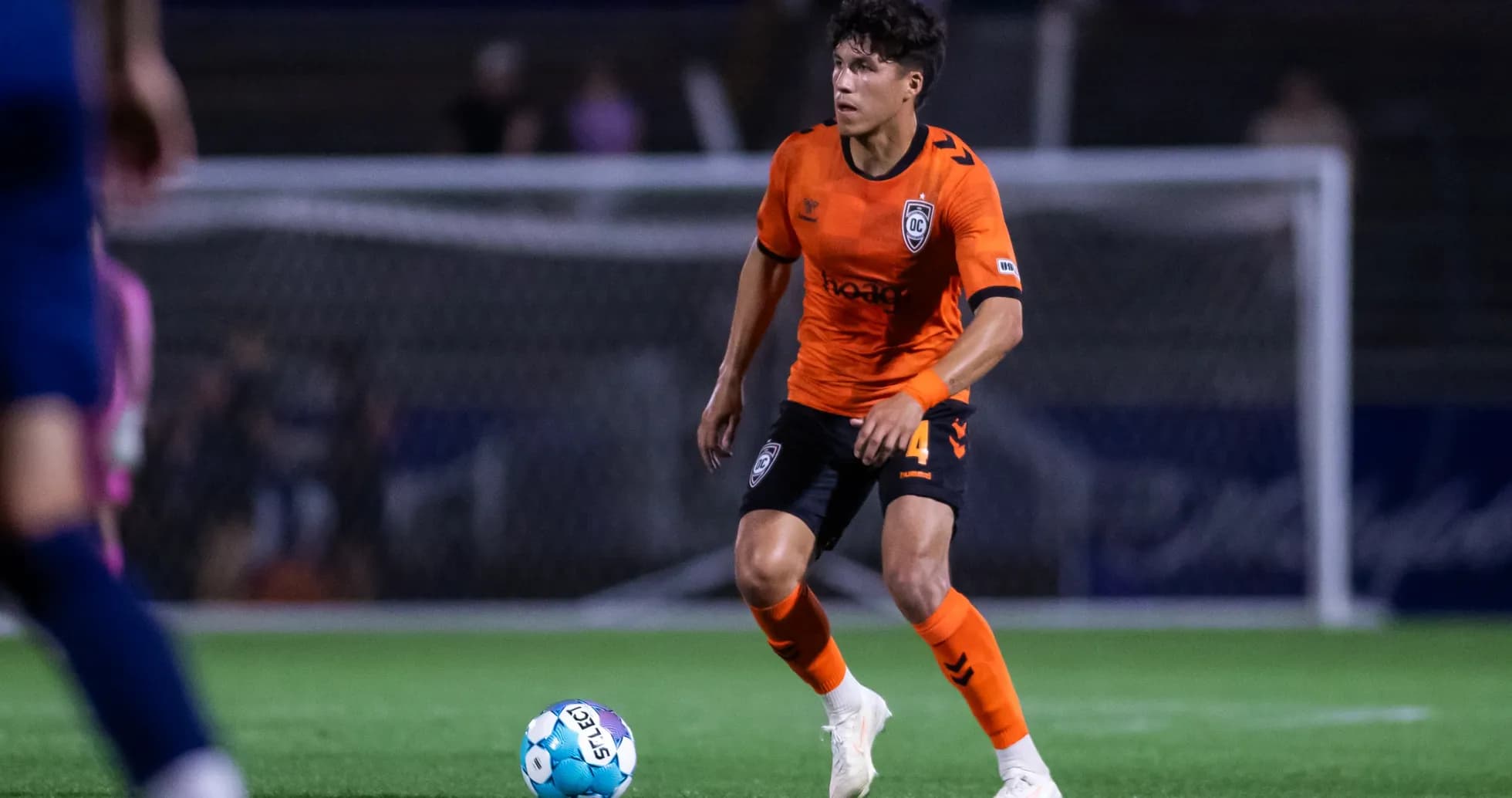
New Mexico United and Orange County SC Battle to 1–1 Draw
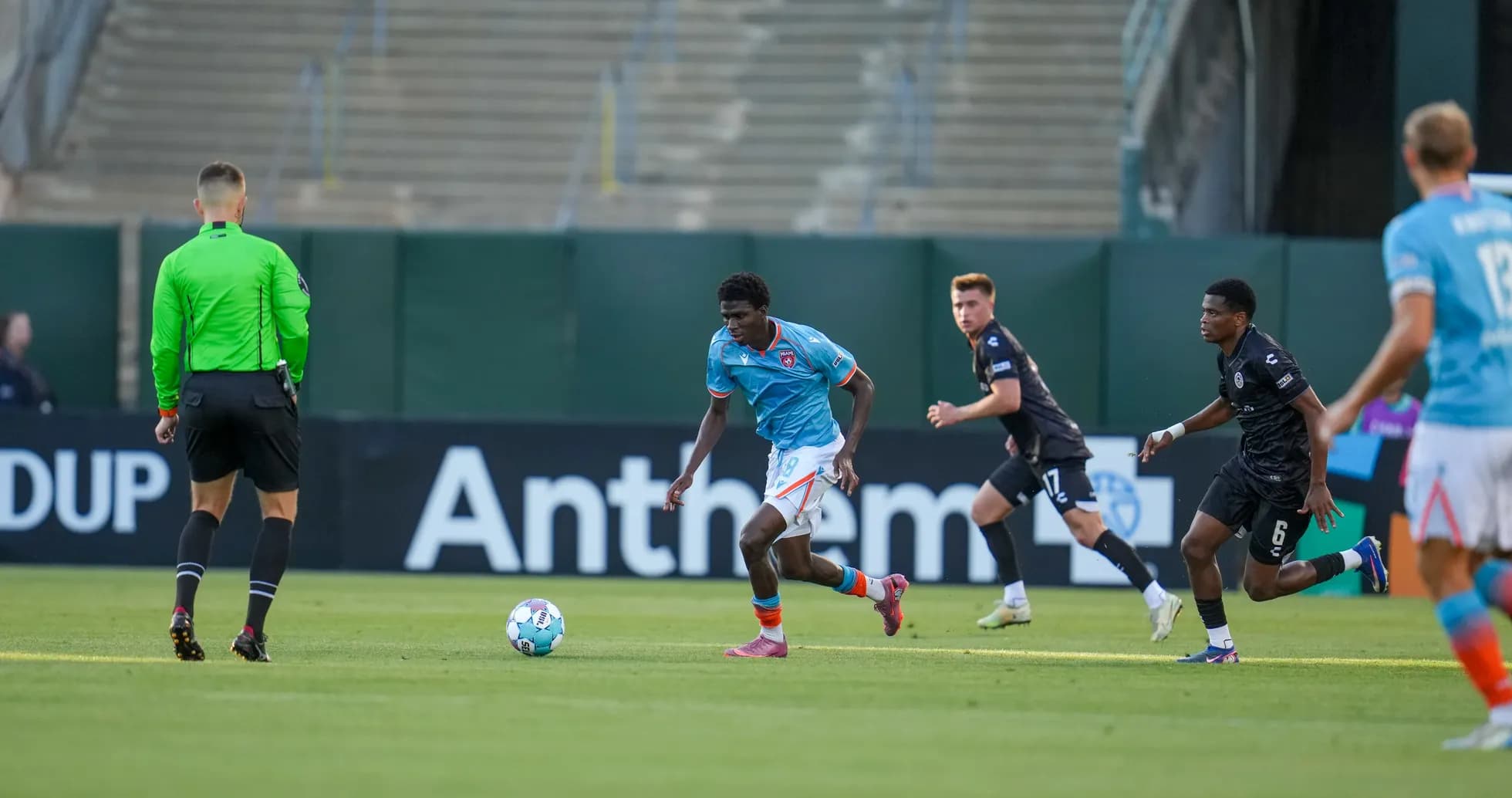
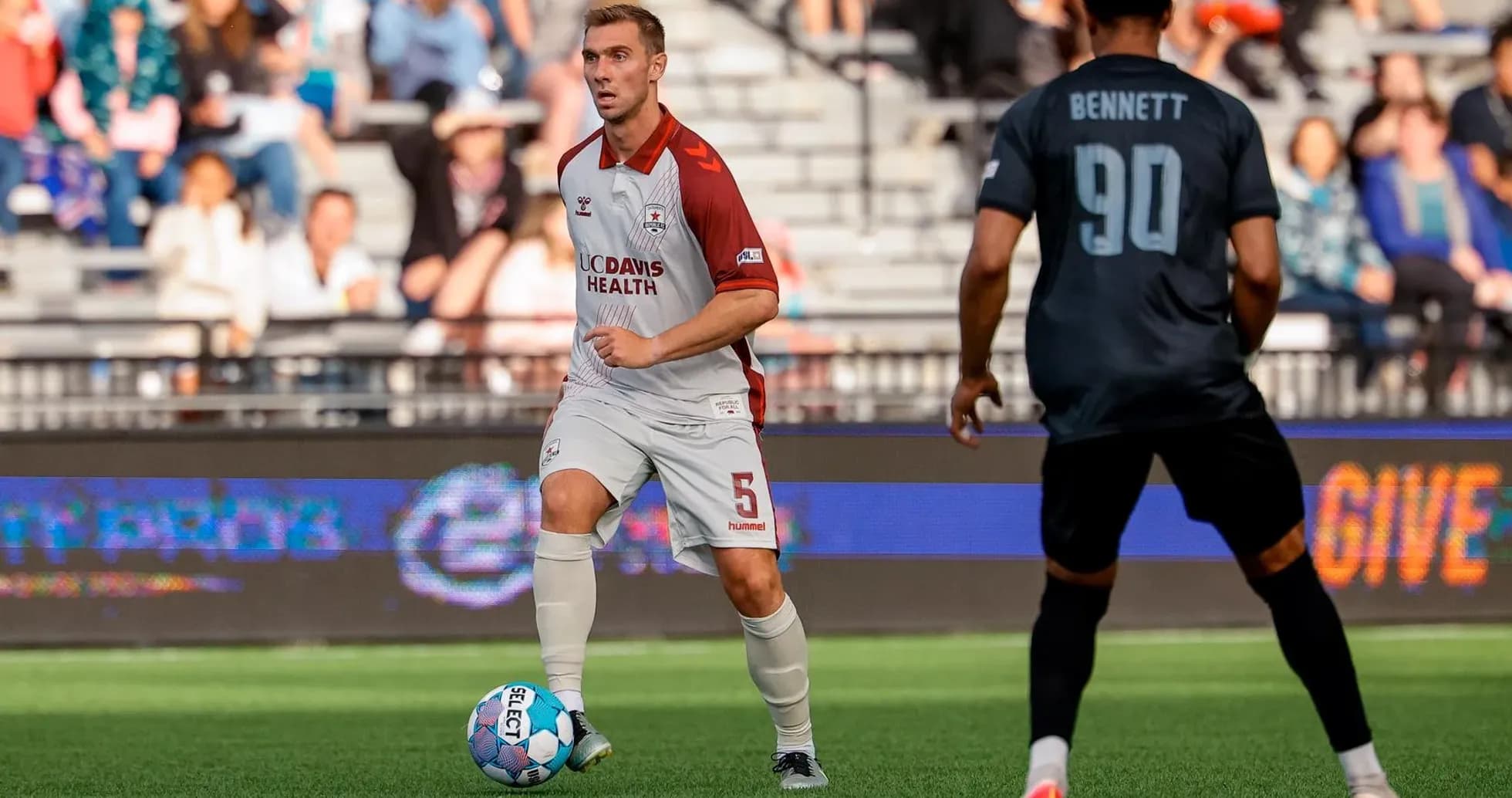
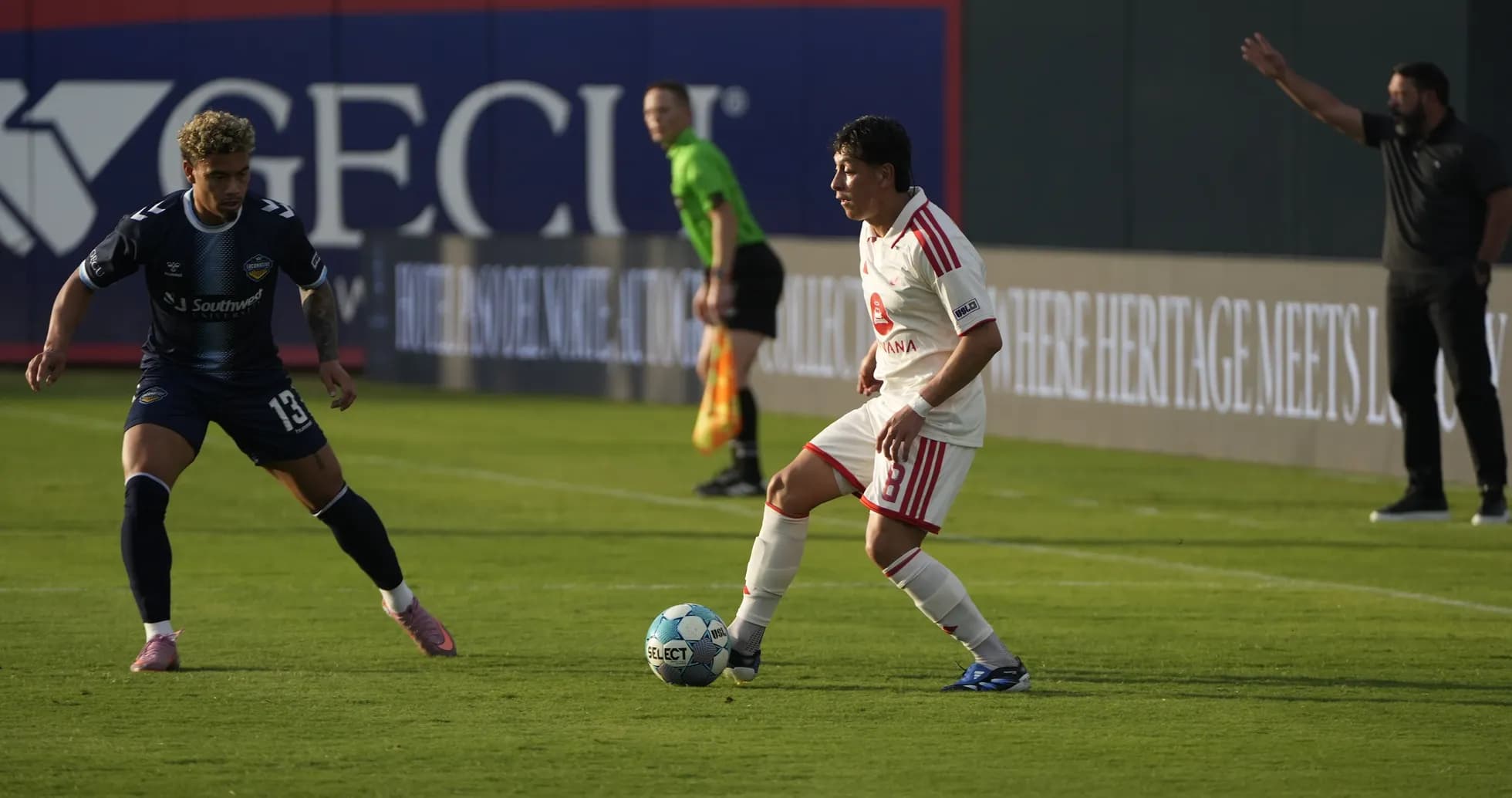
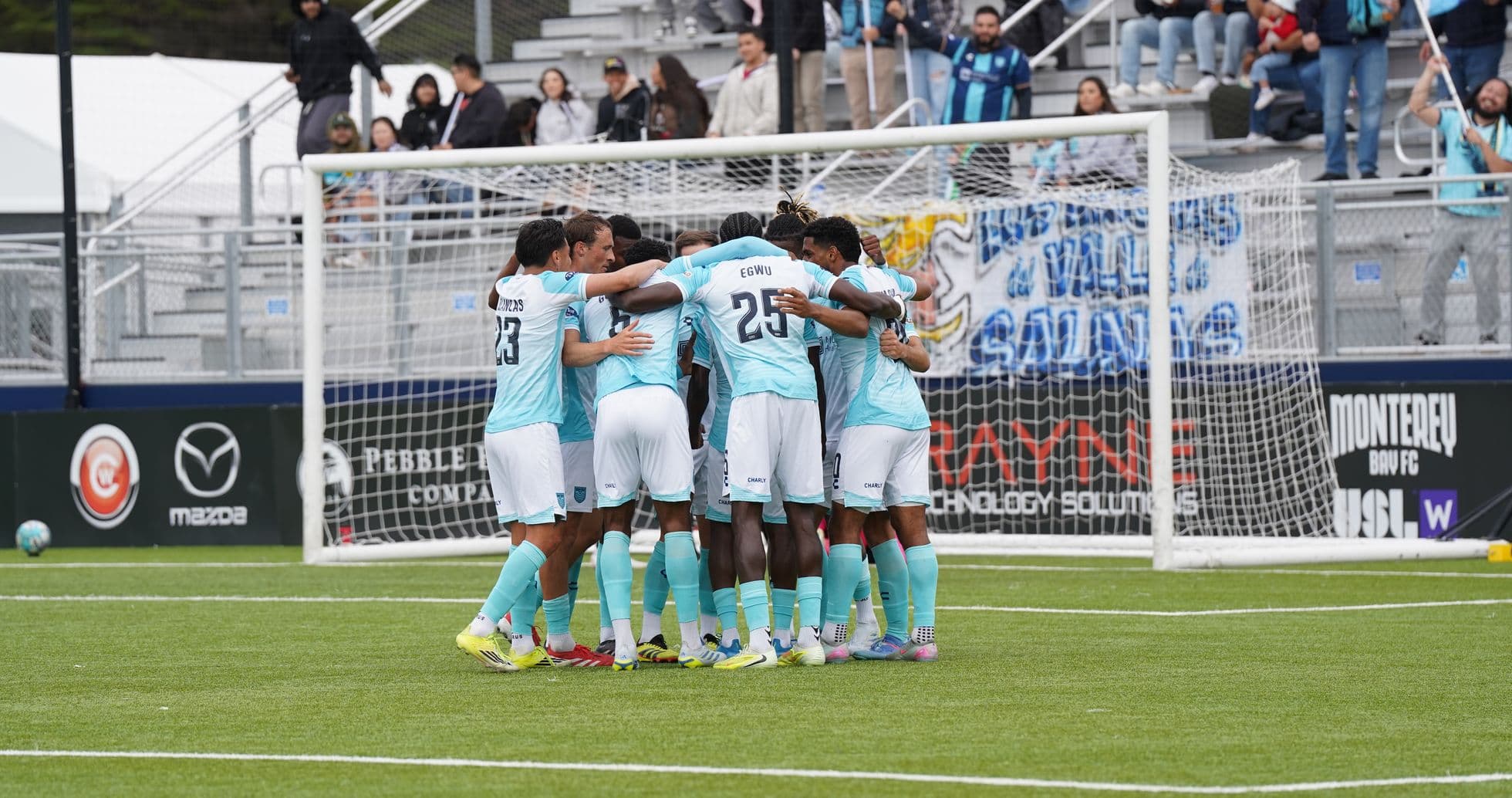
Under the Albuquerque lights at Rio Grande Credit Union Field at Isotopes Park, New Mexico United and Orange County SC played out a 1–1 draw that felt less like a stalemate and more like a collision of contrasting identities. Following this result, the table tells one story, the pitch another: Orange County remain the more polished contender, sitting 2nd with 20 points and a goal difference of 4, while New Mexico, 9th with 15 points and a goal difference of -1, continue to live on the knife edge between promise and volatility.
This was a Group Stage fixture in the USL Championship season, but the rhythms were closer to a knockout tie. New Mexico arrived with a home record built on aggression and risk: at home they average 1.7 goals for and 1.2 against, a profile of a side that leans into chaos. Orange County, on their travels, bring a more measured efficiency, scoring 1.3 and conceding 1.2 away. The 1–1 scoreline at half-time and full-time reflected that balance: New Mexico’s willingness to open the game up, Orange County’s calm insistence on staying within their structure.
Dennis Sanchez’s XI for New Mexico was a blend of technical control and direct running. With no formal formation data given, the shape still revealed itself through the personnel: K. Shakes and G. Hurst offered the attacking reference points, supported by the ball-carrying of Z. Bailey and the intelligence of G. Zelalem. Out wide and in the back line, N. Hamalainen and C. Gloster gave the hosts their width, while K. Keller and D. Harris anchored the defensive core.
Opposite them, Danny Stone’s Orange County side looked like a classic away outfit built to suffer and strike. A. Rando in goal, shielded by G. Doody, T. Brewitt, G. Tubbs and R. Doghman, formed a back line designed to absorb pressure. Ahead of them, the midfield trio of N. Benalcazar, S. Kelly and C. Hegardt offered structure and passing angles, while L. MacKinnon and O. Sylla flanked Y. Bazini in attack, ready to exploit transitions.
Tactically, the absences column was blank, and that shaped the contest: both managers had close to full decks, allowing them to lean into their season-long identities. The disciplinary backdrop from the season added a layer of tension. New Mexico’s yellow-card profile is spread but notably spiky: 22.86% of their yellows arrive between 61–75 minutes and 20.00% between 76–90 minutes. Orange County are even more combustible late on, with 28.57% of their yellows in the 61–75 window and a striking 38.10% between 76–90 minutes, plus their only red card of the season also coming in that final quarter. It meant that as this game ticked into the closing stages, both benches knew the contest could pivot on discipline as much as on tactics.
Hunter vs Shield
The “Hunter vs Shield” duel played out in the clash between New Mexico’s home attack and Orange County’s away defence. Heading into this game, New Mexico had scored 10 times at home across 6 fixtures, while conceding 7. Their biggest home win, 3–1, underlined their capacity to overwhelm visitors when they find rhythm. Orange County’s away numbers are less spectacular but more stable: 8 goals scored and 7 conceded in 6 away matches, with 2 clean sheets on their travels contributing to 5 clean sheets overall. The 1–1 draw felt like the statistical midpoint: New Mexico created enough to justify their attacking averages, but Orange County’s defensive organisation prevented the game from tilting into a shootout.
Engine Room
In the “Engine Room”, the contest was subtler but decisive. Zelalem’s presence for New Mexico offered a passing hub, linking the deeper line of Harris and Keller with the runners ahead, particularly Bailey and N. Reid-Stephen. For Orange County, Benalcazar and Kelly were the enforcers and metronomes, tasked with breaking New Mexico’s rhythm and feeding Hegardt, who operated as the creative hinge. The lack of detailed minute-by-minute xG data forces us to read the game through patterns rather than decimals, but the flow suggested that when Zelalem found time on the ball, New Mexico could push Orange County back; when Benalcazar and Kelly disrupted those lanes, the visitors transitioned quickly into the spaces behind Hamalainen and Gloster.
Substitutions, though not time-stamped in the data, were always going to be about changing that midfield balance and refreshing the flanks. New Mexico’s bench options such as M. Vargas, J. Rennicks and L. Archimede offered different profiles of forward threat, while C. Wilkerson and T. Blackett could reshape the back line’s physicality. For Orange County, the likes of M. Palomino, B. Cambridge and T. Kadono gave Stone the tools to either chase a winner or lock in the draw, depending on the game state.
From a statistical prognosis standpoint, this result fits both teams’ seasonal arcs. New Mexico’s overall goals for average of 1.1 and goals against of 1.2 underline a side that lives in tight margins; a 1–1 home draw is almost a pure expression of that profile. Orange County’s overall averages of 1.3 goals for and 0.9 against, combined with a record of 5 wins, 5 draws and only 2 losses in total, point to a team that is hard to beat rather than relentlessly dominant. A point on the road, keeping their overall goals against to 11 while nudging their total goals for to 15, reinforces their status as a pragmatic contender.
Following this result, the narrative is clear. New Mexico United remain a dangerous, imperfect host: capable of unsettling anyone at Isotopes Park, but still searching for the control that turns draws into statements. Orange County SC leave Albuquerque with their promotion push intact, their defensive structure validated, and their identity as a resilient traveller further entrenched. In a long Group Stage, this is the kind of 1–1 that may not make the highlight reels, but often defines who is still standing when the 1/8-finals arrive.