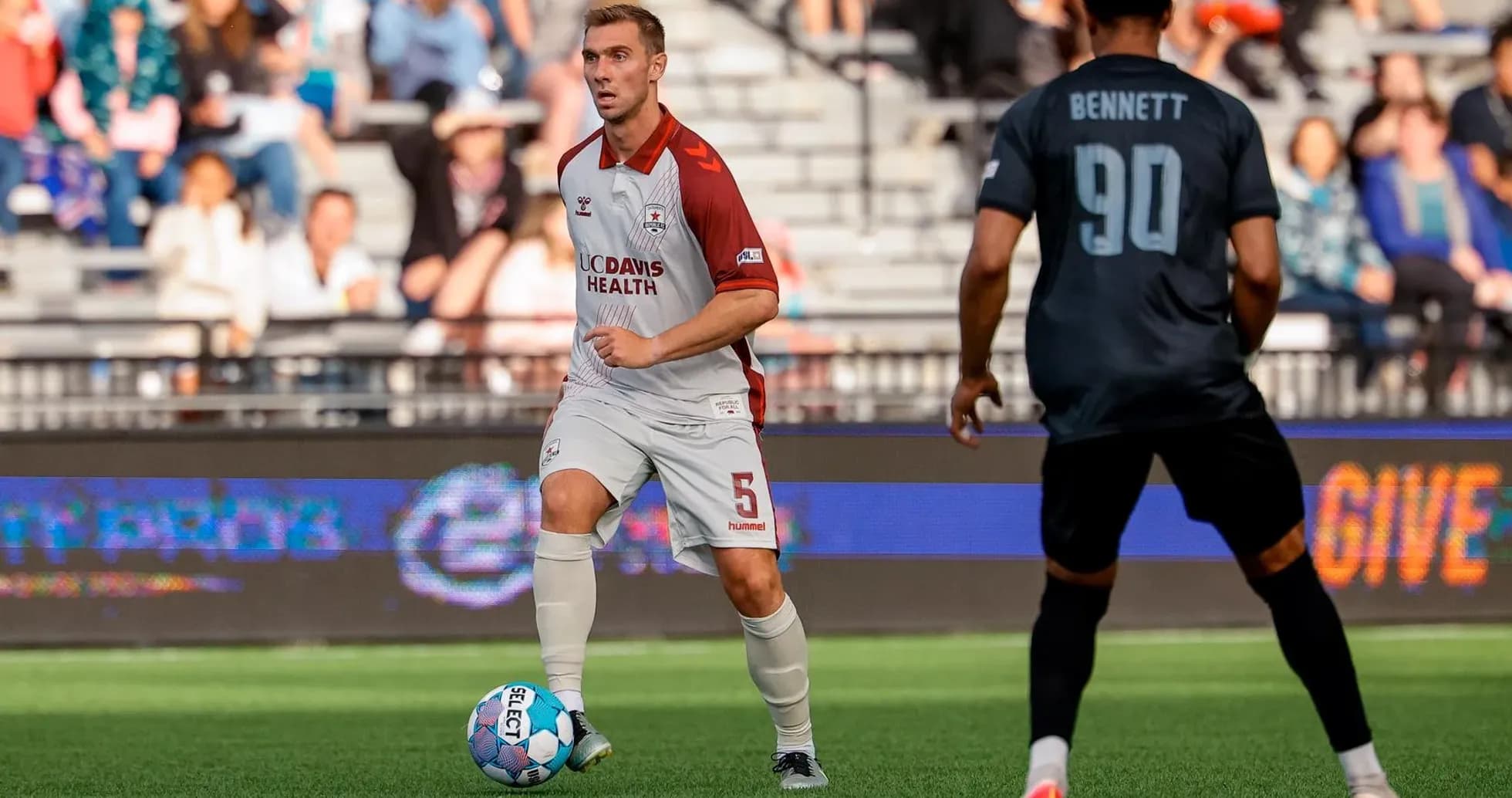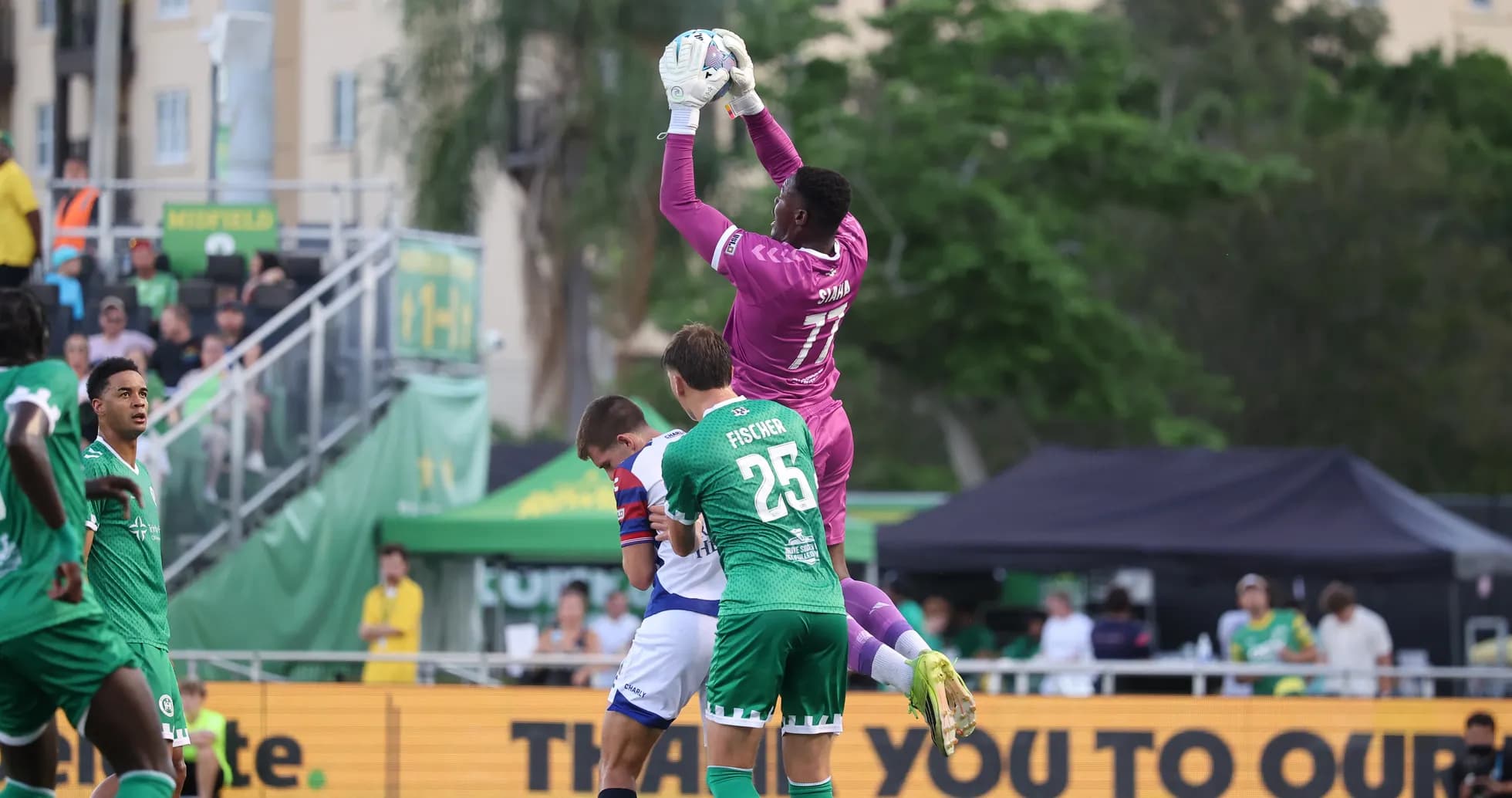

Louisville City and Brooklyn Draw in Thrilling Encounter
Under the Louisville lights at Lynn Family Stadium, a promotion contender and a struggler met and refused to separate. Louisville City, third in USL 1 heading into this game with 21 points and a goal difference of 2, were held 2–2 by an 11th‑placed Brooklyn side still searching for an identity on their travels. It was a result that echoed both clubs’ seasonal DNA: Louisville’s volatility, Brooklyn’s fragility, and just enough resilience on each side to prevent the other from landing a decisive blow.
I. The Big Picture – Two Paths Crossing
Louisville came into the night as a team that lives on the edge. Overall this campaign they had scored 24 and conceded 22 from 14 matches, their goal difference of 2 underlining how thin the margins have been. At home, they had been almost perfectly balanced: 11 goals for and 11 against across 7 games, averaging 1.6 goals scored and 1.6 conceded at Lynn Family Stadium. Their form line of “DWDLL” in the standings hinted at inconsistency, but the deeper seasonal form streak of “WWWWLDWLLLLDWD” showed a side capable of both long winning runs and alarming slides.
Brooklyn arrived with a very different story. On their travels they had yet to win, with 0 victories, 2 draws and 4 defeats away from home. They had scored 7 away goals but leaked 17, an away average of 1.2 scored against a punishing 2.8 conceded. Overall, they had 13 goals for and 22 against from 12 matches, giving them a goal difference of -9 and leaving them stuck in 11th. Their recent form “DDLLL” suggested a team trying to halt a downward drift rather than one ready to surge up the table.
Against that backdrop, a 2–2 draw felt like a meeting point between Louisville’s attacking ambition and Brooklyn’s defensive vulnerability, with neither side able to fully impose its will.
II. Tactical Voids and Discipline – Edges Left Exposed
There were no listed absentees for either side, which meant both coaches could lean into their preferred cores. For Louisville, that spine began with goalkeeper D. Faundez and ran through defenders like S. Totsch and B. Dayes, out to full‑backs K. Adams and A. McFadden, and into a midfield built around the energy of T. Davila and Z. Duncan. Wide threats A. Dia and M. Akale supported the central presence of R. Serrano and striker C. Donovan.
Brooklyn’s structure was anchored by L. Burns in goal, with a back line featuring T. Vancaeyezeele, C. Frogson, V. Latinovich and Gabriel Alves. In front of them, the experience of T. McNamara and the industry of M. Pinto provided a platform for creative figures like S. Stojanovic and P. Mangione, while C. Olney JR and M. Anderson added movement and directness.
Disciplinary trends shaped the risk profile. Louisville’s season‑long yellow‑card map showed a clear second‑half spike: 26.09% of their cautions came between 46–60 minutes, and 21.74% between 76–90, with another 17.39% in the 61–75 window. That pattern painted a picture of a side that grows increasingly stretched and combative as games wear on. Brooklyn, meanwhile, had a late‑game disciplinary edge of their own: 19.23% of their yellows came between 46–60 and another 19.23% between 61–75, but their most striking figure was a dramatic 23.08% of yellows in the 91–105 range, accompanied by 2 red cards in that same 91–105 band. For a team already fragile away from home, that kind of late indiscipline is a tactical void in itself.
III. Key Matchups – Hunter vs Shield, Engine Room vs Enforcer
Without official top‑scorer data, the “Hunter vs Shield” duel for Louisville was more collective than individual. The attacking unit of Serrano, Donovan, Akale and Dia had to test a Brooklyn defence that, on their travels, had been porous: 17 away goals conceded, including heavy defeats with scorelines like 4–1. Louisville’s overall attacking average of 1.7 goals per match (1.9 on their travels, 1.6 at home) suggested that creating chances would not be the problem; converting them consistently and then protecting the lead would.
On the other side, Brooklyn’s “Hunter” role fell to their front line of Anderson, Olney JR and the supporting runs of Mangione and Stojanovic. They were up against a Louisville back line that, while competitive, still conceded 1.6 goals per match overall and had managed only 3 clean sheets in total this campaign. Brooklyn’s overall scoring rate of 1.1 goals per game and their best away win potential (they had not yet actually won away) made them more opportunistic than dominant, but the numbers said they would likely find at least one opening.
The “Engine Room” battle was defined by the interplay between Louisville’s midfield pair of Davila and Duncan and Brooklyn’s central axis of McNamara and Pinto. Louisville’s tendency to surge forward in waves, combined with their late yellow‑card spikes, hinted at a high‑tempo, risk‑embracing approach. Brooklyn’s need, given their away defensive record, was for McNamara and Pinto to act as enforcers—slowing transitions, drawing fouls in safer zones, and shielding a back four that had already absorbed 17 away goals.
IV. Statistical Prognosis – xG Narrative and Defensive Solidity
While explicit xG values were not provided, the season‑long scoring and conceding patterns offer a clear probabilistic narrative. Heading into this game, Louisville’s profile—1.6 goals scored and 1.6 conceded at home—screamed of a match likely to feature both teams on the scoresheet. Brooklyn’s away line of 1.2 scored and 2.8 conceded reinforced the expectation of a multi‑goal contest tilted towards the hosts.
Defensive solidity clearly leaned Louisville’s way. Overall, they had conceded 22 from 14 (1.6 per match), compared with Brooklyn’s 22 from only 12 (1.8 per match), and Brooklyn’s away numbers were significantly worse. Yet Louisville’s failure to keep more than 3 clean sheets in total, coupled with Brooklyn’s capacity to occasionally produce a decisive attacking display (such as their 3‑0 home win), meant the visitors were always likely to punch back at least once.
The 2–2 full‑time scoreline fits that statistical script almost perfectly: Louisville’s attack did enough to hit their expected range, but their defence again could not shut the door. Brooklyn, for all their away frailties, found the spaces they needed, and the late‑game disciplinary and structural vulnerabilities on both sides ensured that the match never settled into a controlled, low‑event pattern.
Following this result, Louisville remain a high‑ceiling, high‑variance contender whose promotion push will hinge on tightening a defence that mirrors its attack in both productivity and chaos. Brooklyn leave Lynn Family Stadium with a valuable point that reflects their stubbornness more than their solidity, but until their away goals‑against column begins to shrink, they will continue to live on the wrong side of the fine margins that define the USL Championship’s Group Stage.