Mexico Dominates Ecuador in World Cup Round of 32
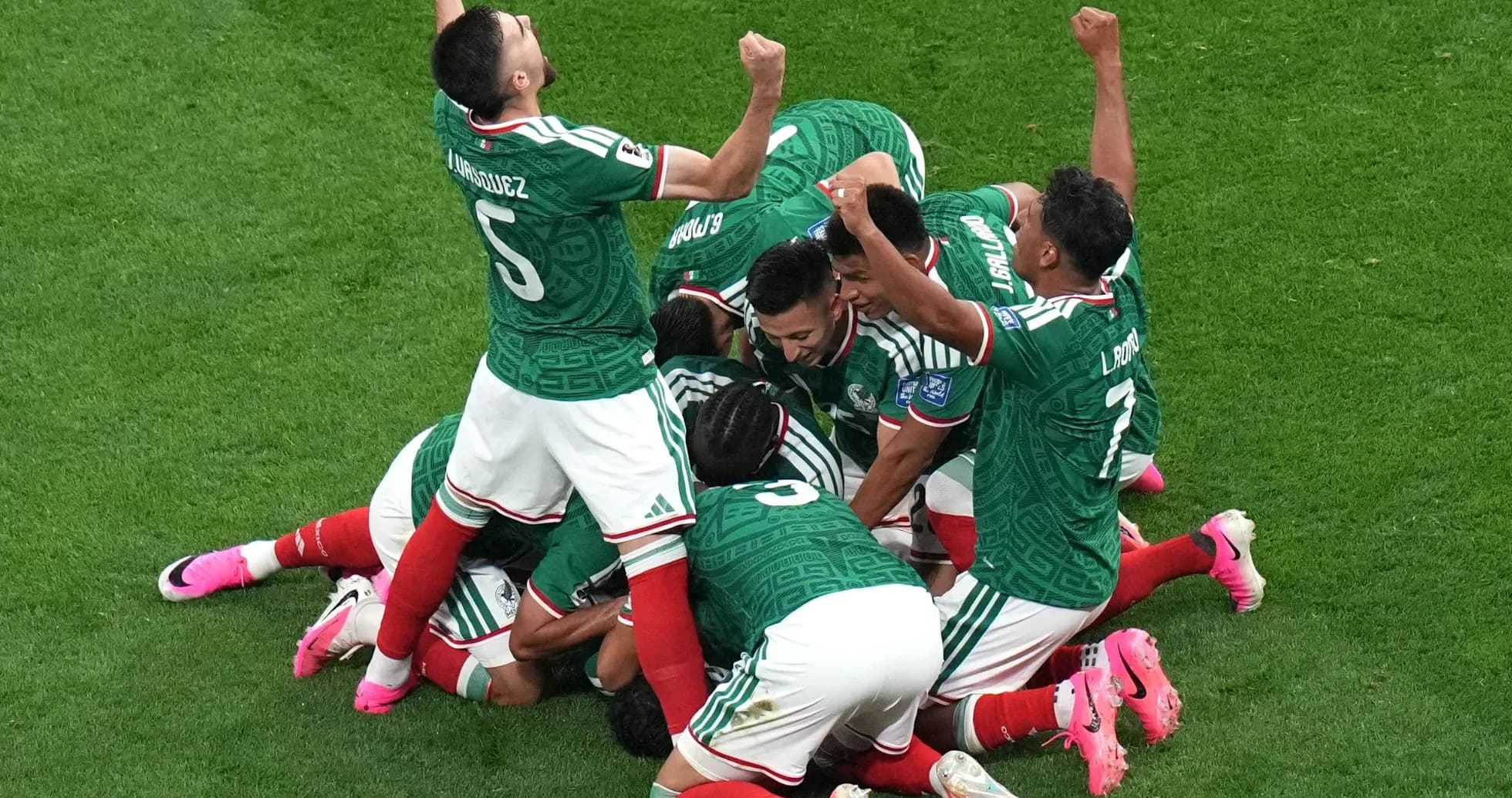
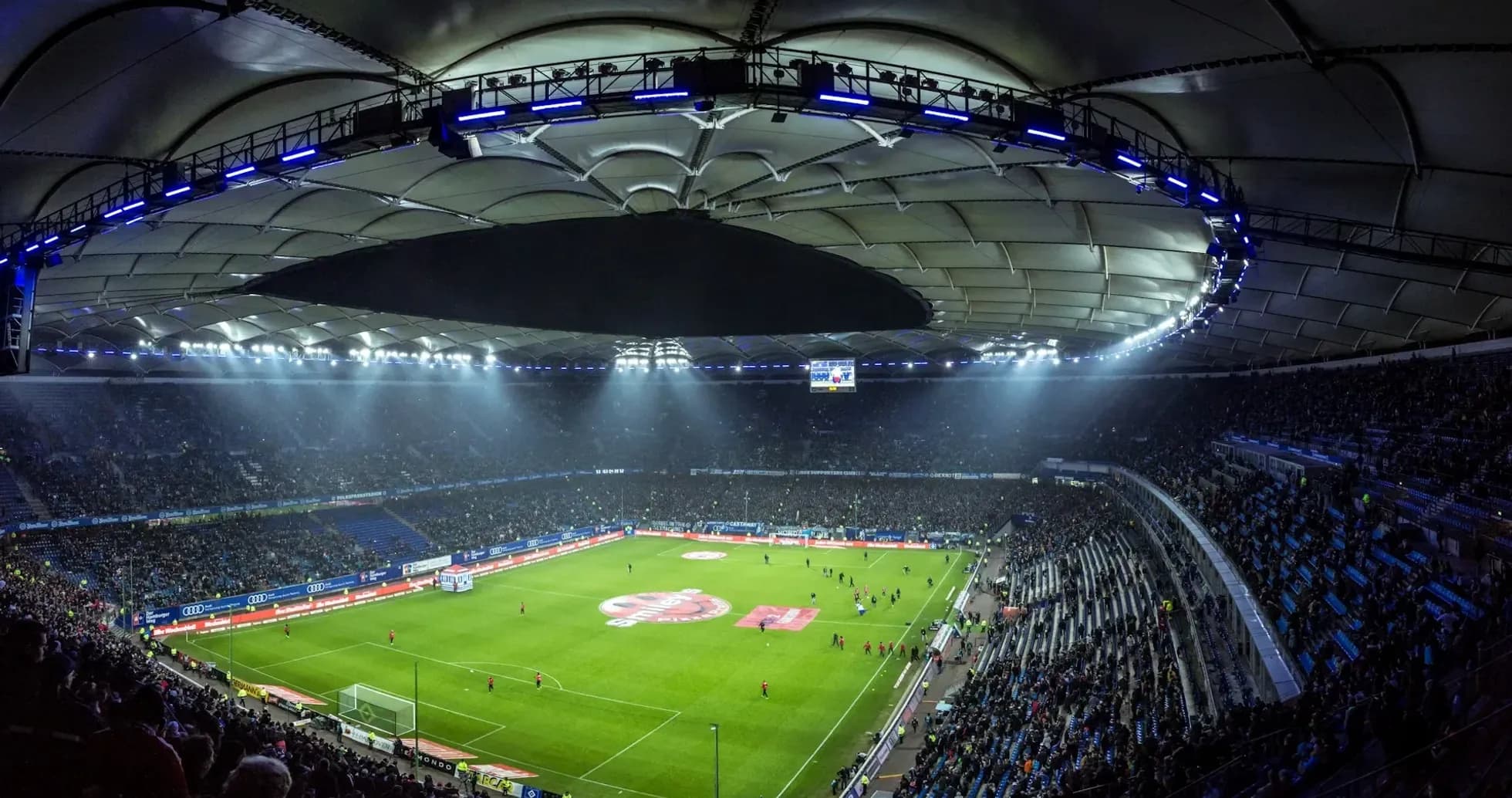
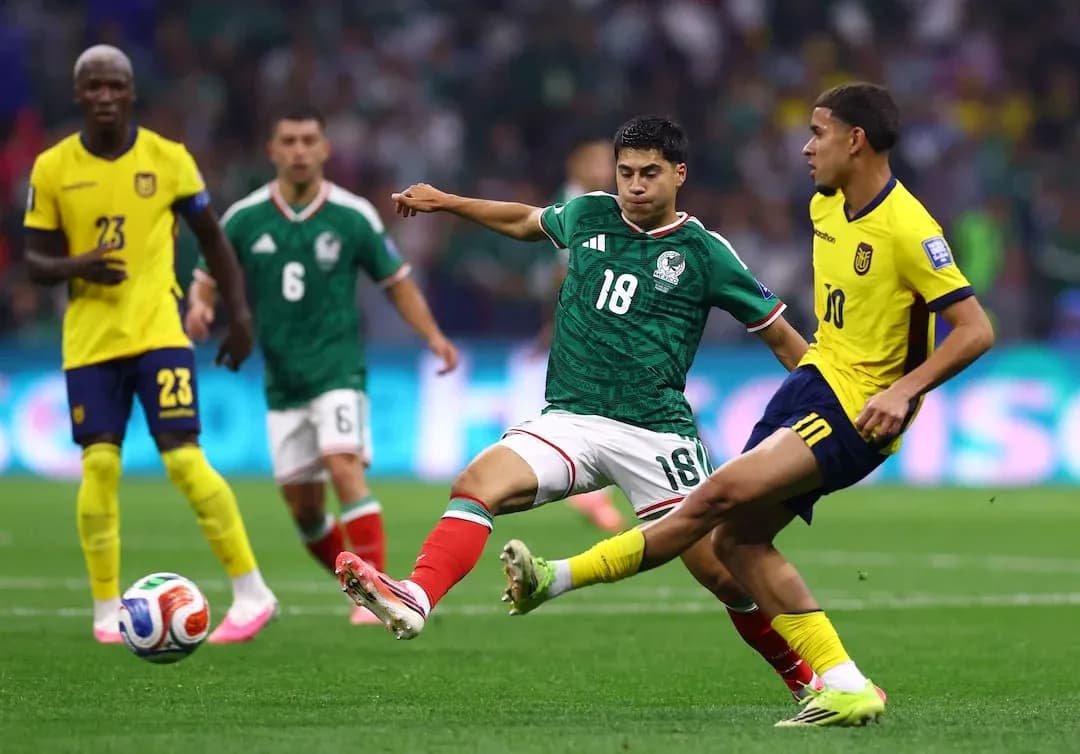
Under the Mexico City night sky at Estadio Banorte, the World Cup Round of 32 brought together two sides whose group‑stage stories could not have been more different. Mexico arrived as Group A winners, perfect through three matches with 9 points and a goal difference of 6, their tournament built on control and clean sheets. Ecuador slipped through Group E with 4 points and a goal difference of 0, a side oscillating between resilience and fragility. Over 90 minutes, that contrast hardened into a 2–0 Mexican win, the scoreline echoing the structural gap between a fully formed contender and a team still searching for its final shape.
Mexico's Formation and Strategy
Javier Aguirre’s Mexico lined up in a familiar 4‑3‑3, the system that has underpinned their unbeaten run. At home in this World Cup, they had already played 3 matches, winning all 3, scoring 5 goals and conceding none. Overall, across 4 fixtures, they had scored 8 and not yet been breached, with a total average of 2.0 goals for and 0.0 against. That statistical backbone framed their approach: a compact back four, a hard‑working midfield trio, and a front line designed to stretch and manipulate Ecuador’s defensive block.
In goal, R. Rangel was the quiet custodian of a remarkable defensive record, shielded by a back line of J. Gallardo, J. Vasquez, C. Montes and J. Sanchez. Montes, who has already taken a red card earlier in the tournament, played with a certain controlled aggression, stepping into duels decisively but with the memory of that dismissal never far away. Ahead of them, the midfield triangle of L. Romo, E. Lira and G. Mora offered balance: Romo as the shuttling connector, Lira as the positional anchor, and Mora as the link to the forwards.
But the true creative weight of this Mexican side sits higher. On the right, R. Alvarado, the tournament’s leading creator with 3 assists in total and 10 key passes, again operated as a hybrid winger‑playmaker. His 140 total passes at an 82% success rate tell of a player who both respects possession and dares to break lines. Opposite him, J. Quiñones, Mexico’s top scorer with 3 goals and 1 assist, brought a different menace: direct, powerful, and relentlessly vertical. Officially listed as a midfielder in the broader tournament data, he played here as a left forward, cutting inside to join R. Jimenez between the lines and in the box.
Ecuador's Approach
Ecuador, under Sebastian Beccacece, answered with a 4‑4‑2 that tried to compress central spaces and spring forward through G. Plata and E. Valencia. In theory, the double pivot of M. Caicedo and P. Vite could contest Mexico’s midfield trio; in practice, the balance was fragile. Caicedo’s energy was invaluable, but the wide midfielders J. Yeboah and N. Angulo were often pinned back by Mexico’s full‑backs and wingers, leaving Ecuador’s front two isolated.
Defensively, Ecuador came into the knockout phase with a split personality. At home in the tournament, they had conceded just 1 goal in 2 matches, but on their travels they had allowed 3 in 2, for a total of 4 conceded and a total average of 1.0 goal against per game. Their away attack was blunt: 0 goals in 2 away fixtures, a total average of just 0.5 goals scored per match overall. That attacking anemia collided with Mexico’s total defensive perfection, and the result was predictable: Ecuador struggled to generate clear chances, while every Mexican surge seemed to carry weight.
The Duel: Quiñones vs Ecuador's Defense
The “Hunter vs Shield” duel was always going to revolve around J. Quiñones and the Ecuadorian back line. Quiñones, with 9 total shots and 5 on target in the tournament, attacked the channel between P. Hincapié and W. Pacho, forcing them into constant decisions: step out to meet him or hold the line and risk being overloaded by Gallardo on the overlap. Hincapié, who already leads the red‑card charts with 1 dismissal and also has a yellow to his name, walked a fine line. His 12 tackles, 2 blocked shots and 4 interceptions across the campaign underline his importance, but his disciplinary profile meant Mexico could target his side, asking questions with early diagonals and quick combinations.
On the opposite flank, A. Franco embodied Ecuador’s defensive edge and its risk. He tops the yellow‑card standings with 2 bookings and has committed 7 fouls so far, yet he also boasts 8 tackles, 1 blocked shot and 4 interceptions. Against Alvarado and Gallardo, Franco was dragged into repeated one‑v‑one situations. Mexico’s plan was clear: use Alvarado’s intelligence between the lines to pull Franco out of the back four, then exploit the space with underlapping runs from Romo or Mora.
The Engine Room Battle
The “Engine Room” battle pitted Mexico’s collective midfield against Caicedo’s individual dynamism. Lira’s positional discipline allowed Romo to press higher, often joining Jimenez to form a front two out of possession, while Mora shadowed Vite, cutting off Ecuador’s preferred passing lanes into the forwards. Without a consistent route through the middle, Ecuador’s attacks devolved into longer passes toward Valencia and Plata, easily read by Montes and Vasquez.
Discipline and Tactical Nuances
Discipline had always threatened to shape this tie. Mexico’s card profile is concentrated: 50.00% of their yellow cards come between 16–30 minutes and another 50.00% between 61–75, while their only red card in the tournament before this match arrived in the 91–105 window. Ecuador’s yellows, by contrast, are scattered across 31–45, 46–60, 61–75 and 76–90, each band accounting for between 12.50% and 25.00% of their cautions, with a red also in the 91–105 range. In a knockout match where the margins tighten, that tendency to pick up cards in the heart of the game hampered Ecuador’s ability to raise the press or commit numbers forward when chasing.
Conclusion
By full time, the 2–0 scoreline felt like the natural extension of the underlying numbers. Mexico’s total attacking average of 2.0 goals per match met an Ecuador side that concedes 1.5 on their travels and had failed to score in 2 away fixtures. A Mexican defense that has yet to concede in 4 games faced an Ecuadorian attack averaging just 0.5 goals per match overall. Even without explicit xG data, the statistical currents all flowed in one direction: a controlled Mexican win, built on structure, discipline and the cutting edge of Quiñones and Alvarado.
Following this result, Mexico’s identity as a tournament heavyweight is reinforced: perfect form, four clean sheets, and a tactical framework that maximizes their key weapons while minimizing risk. Ecuador exit with glimpses of promise—Caicedo’s engine, Hincapié’s interventions, Franco’s bite—but also with a clear verdict from the numbers and the night: in this Round of 32, Mexico’s machine was simply more complete.