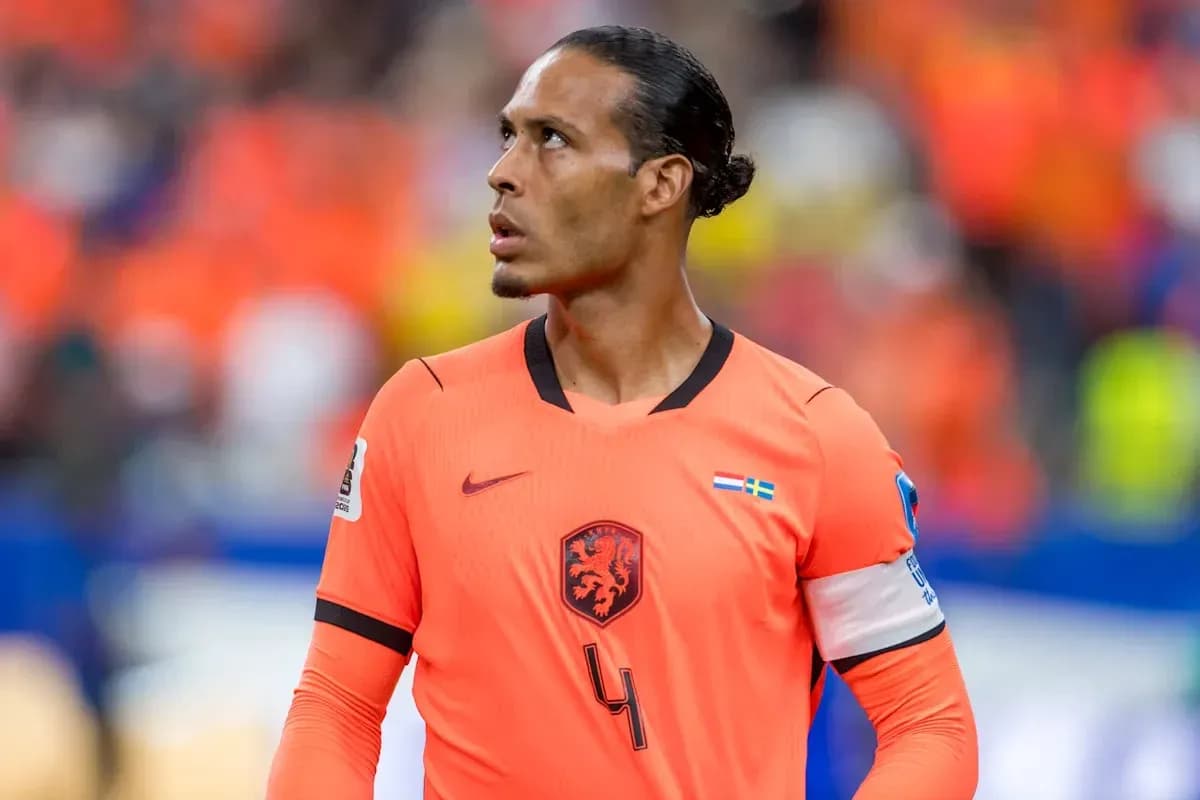
Virgil van Dijk Faces Criticism After Netherlands World Cup Exit
Virgil van Dijk has rarely looked as exposed as he does now – not on the pitch, but in the court of opinion back home. The Netherlands’ World Cup exit to Morocco has unleashed a wave of anger, and at the centre of it stands their captain.
A late Moroccan equaliser, extra time, then the cruelty of penalties. That was the bare outline of a dramatic night. What followed has been far more unforgiving.
Driessen’s brutal verdict
De Telegraaf, never shy of a strong line, set the tone. Columnist Valentijn Driessen delivered a blistering assessment that cut straight through the usual post-tournament platitudes.
“Ronald Koeman and Virgil van Dijk have betrayed everything our national team stands for,” he wrote, a sentence that landed like a hammer blow in Dutch football’s public square.
Driessen accused Koeman and his captain of failing the team tactically and defensively. In his view, the shift to a back three during the tournament was not a bold strategic tweak but a forced concession – a reaction, he argued, to Van Dijk’s inability to properly marshal the defence in the group stage.
The criticism didn’t stop at systems and shapes. When Morocco’s stoppage‑time equaliser flew in, Driessen went straight for the Liverpool defender’s role in the move. He blamed Van Dijk for losing his man at the critical moment, allowing the attack to unfold and the cross to be finished.
Then came the final, unforgiving line: Van Dijk’s “time is up.”
For a player who has come to symbolise Dutch defensive authority in the modern era, it was a stunning public verdict – and a clear reflection of how bitterly this exit has been received by many in the Netherlands.
One lapse, huge consequences
Strip the game back and one moment stands out. Morocco chasing the game deep into stoppage time, bodies thrown forward, the Dutch clinging on. Van Dijk, usually so assured in those frantic final minutes, failed to shut down the decisive run into the box. The cross came in, the chance was taken, and the match was dragged into extra time.
For a defender who has built his reputation on reading danger early, dominating the area and imposing calm, it was a rare but costly lapse.
Yet to reduce an entire World Cup elimination to a single defensive mistake is to ignore the fine margins that define tournament football. The Netherlands had chances to kill the tie long before that ball hit the net. They did not take them. Morocco stayed alive and punished them.
Across much of normal time, Van Dijk still looked like the leader this team leans on. He won his duels, cleared his lines, and helped keep Morocco at arm’s length for long stretches. The narrative turned on that one late sequence, and with it the tone of the inquest.
Injury changes the picture
After the match, Ronald Koeman added a crucial piece of information. Van Dijk, he revealed, had not been fully fit as the game wore on. The defender’s calf, the coach said, had been “bothering him badly.”
Despite that, Van Dijk stayed on through extra time, unwilling to step aside with a World Cup semi-final within reach.
At this level, a compromised calf is not a minor detail. For a central defender asked to cover wide spaces, turn, sprint, and recover repeatedly, even a slight loss of mobility and sharpness can be decisive – especially late in a draining knockout tie.
Yet the captain chose to push through the discomfort, to remain on the pitch and carry the responsibility that comes with the armband. That decision speaks to his mentality, even if it also invites the question: did bravery tip over into risk for both player and team?
Reputation under the microscope
Van Dijk has spent more than a decade climbing to the summit of European defending. Champions League titles, Premier League glory with Liverpool, and a reputation built on consistency, authority and calm under pressure. One bruising night cannot erase that record.
But international football is emotional. When a tournament ends abruptly, the spotlight always swings towards the biggest names, and captains rarely escape unscathed. The harsher voices, like Driessen’s, see this as the end of an era. Others will point to the wider failings of the team and the thin margins that decided the tie.
What is certain is that Van Dijk’s response will now be watched closely.
The defender heads into a period of recovery, physically and mentally, after an exhausting World Cup and a draining exit. Rest, rehabilitation and a reset before the new domestic season now become essential.
For the Netherlands, a new international cycle awaits. For Van Dijk, the next time he pulls on that orange shirt, every step, every duel, every decision will be judged against the backdrop of this night and those words: is his “time up”, or does he still have one more commanding chapter left in him for his country?