The Mental Toll of the World Cup Calendar: Insights from Vincent Gouttebarge
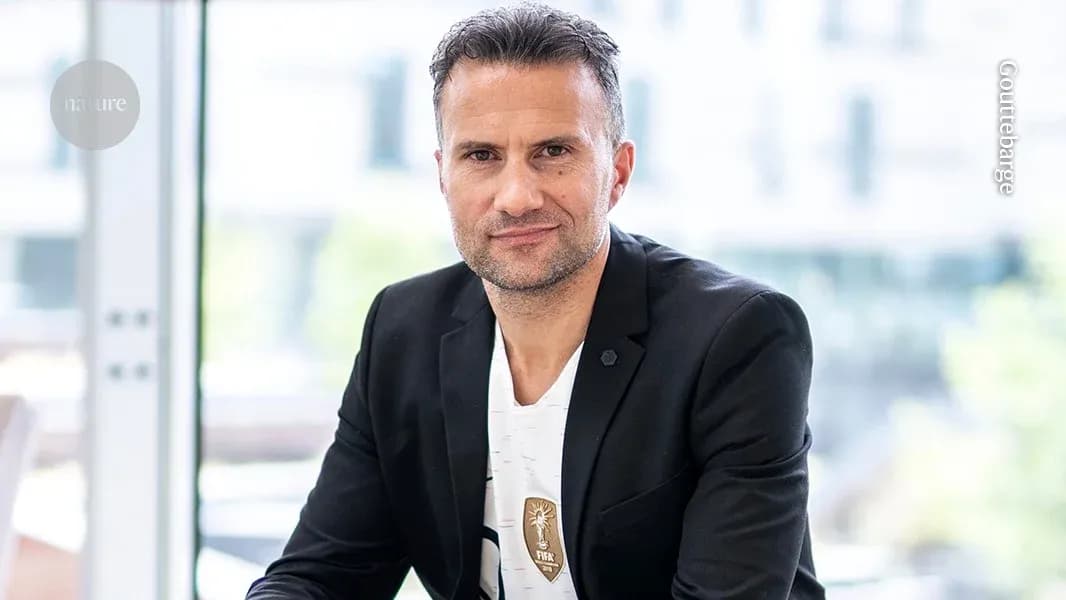
Vincent Gouttebarge knows what it feels like when the body breaks down and the mind starts to fray. Before he became one of the most influential medical voices in world sport, he spent more than a decade in professional dressing rooms in France and the Netherlands, riding the same emotional rollercoaster as the players he now studies.
He retired in 2007. The boots went away; the medical journals came out.
Today, Gouttebarge is medical director at FIFPRO, the global players’ union, and chairs the International Olympic Committee’s Mental Health Working Group. He also splits his time between research roles at the University of Pretoria and Amsterdam University Medical Centre. In short, he sits at the crossroads of science, policy and the brutal reality of elite football.
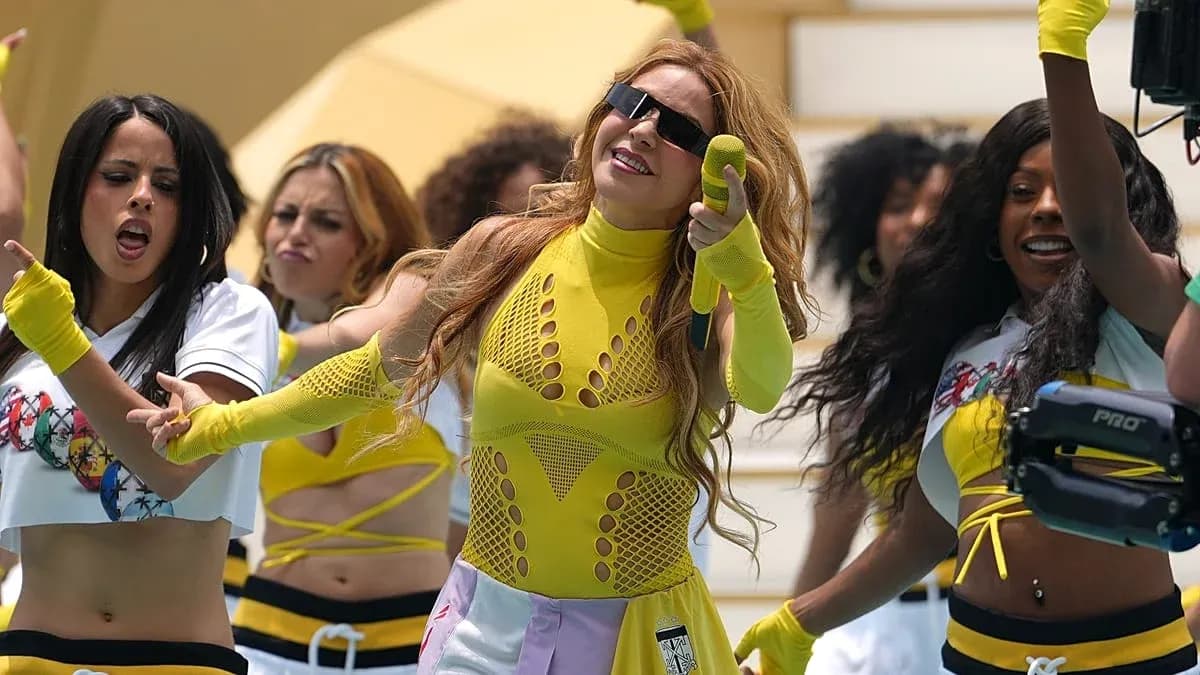
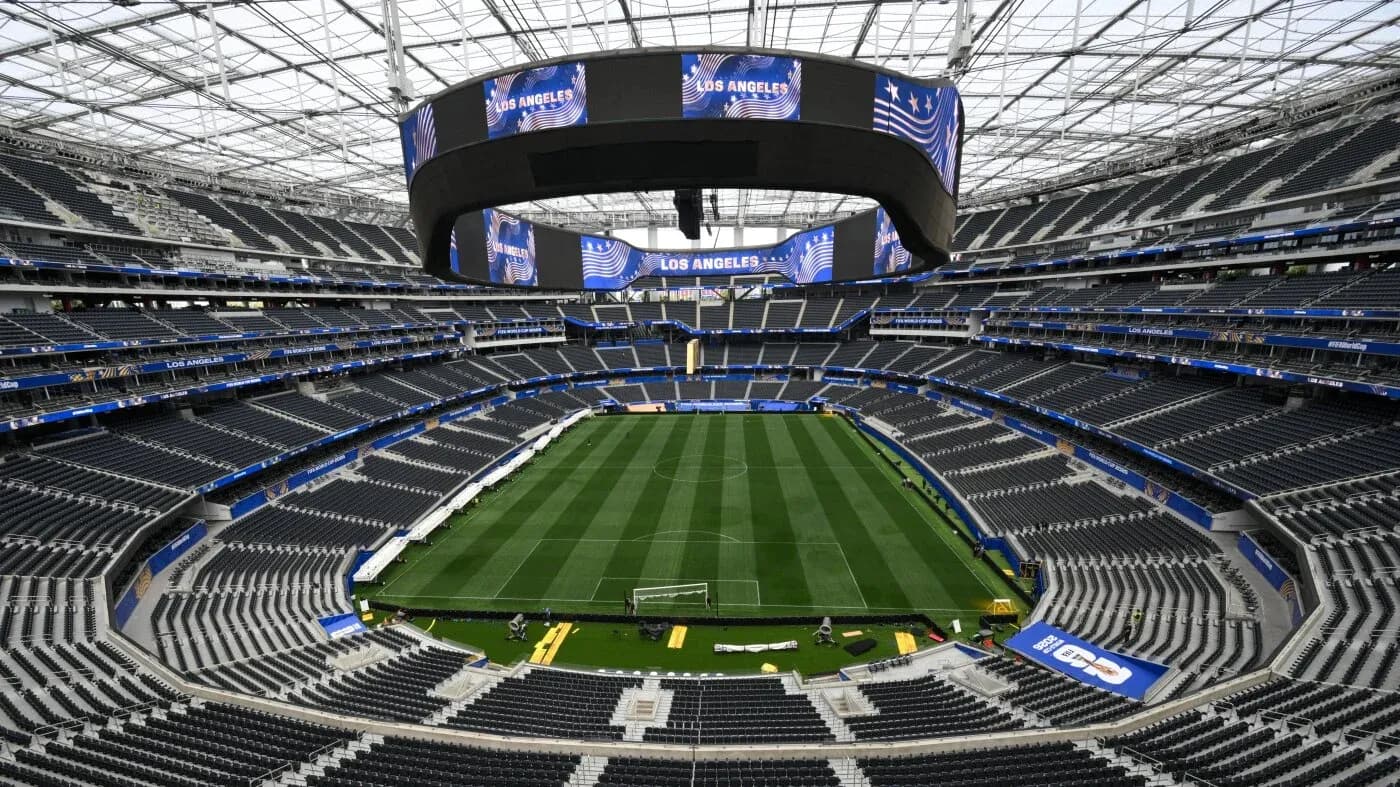
As the 2026 men’s World Cup kicks off across the United States, Canada and Mexico, the spectacle will again be sold as a festival of joy and national pride. Gouttebarge sees something else layered underneath: a relentless schedule, mounting psychological strain and a sport still struggling to treat mental health with the same seriousness as a torn ligament.
“Footballers are not superheroes,” he stresses. The industry often behaves as if they are.
The Hidden Weight Behind the World’s Biggest Stage
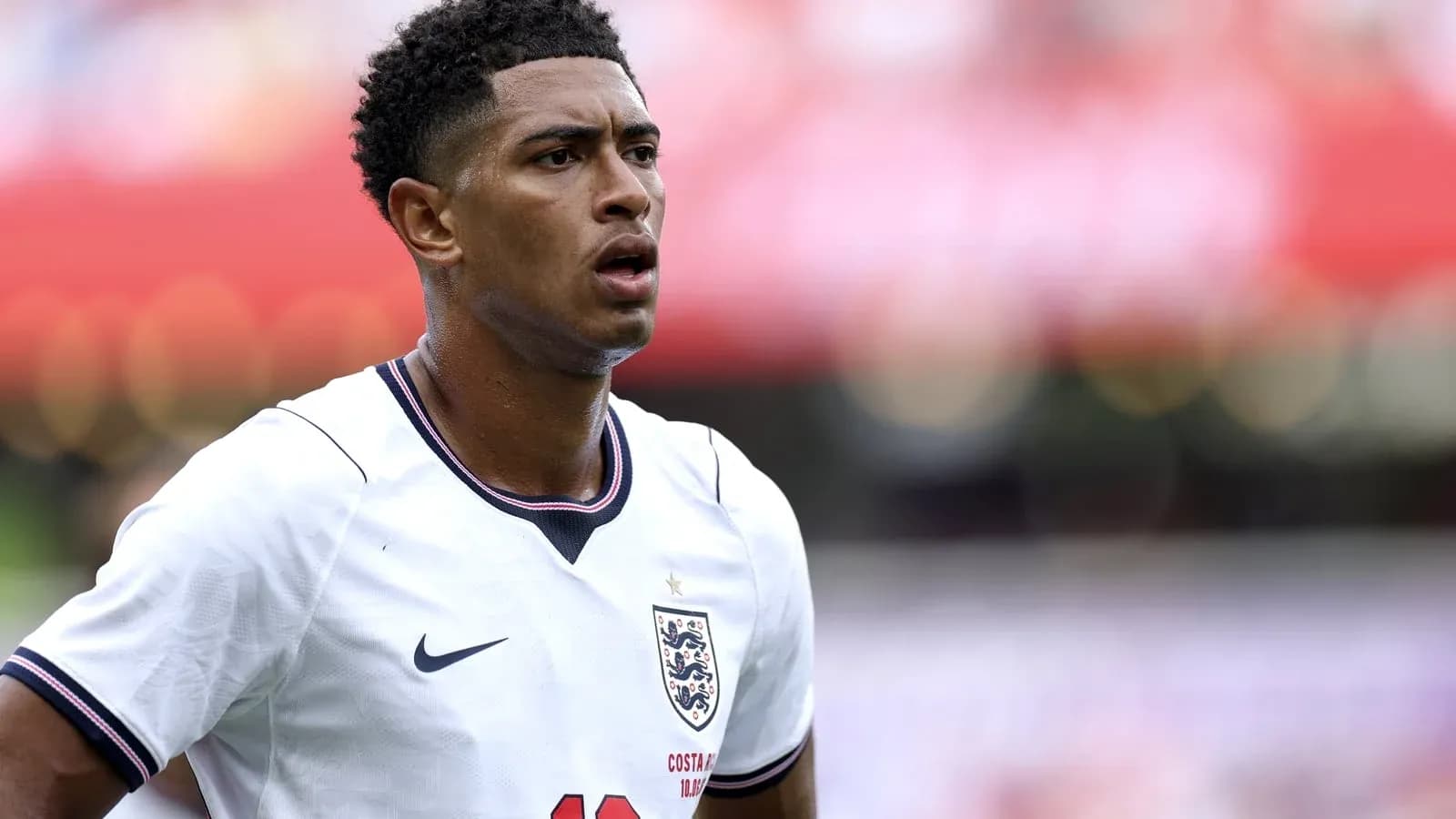
From the outside, a World Cup call-up looks like a dream. For many players, it is. A career-defining moment. A lifetime of work validated in one squad announcement.
But the glow doesn’t tell the whole story.
How the tournament unfolds can shape a player’s mental state for months. Are they starting or stuck on the bench? Are they part of a winning run or a group-stage exit? Every minute – or the absence of minutes – carries a psychological cost.
Then comes the comedown.
There is barely time to process what has happened. Once the trophy is lifted and the cameras move on, players are rushed back to their clubs. If they are lucky, they might snatch one or two weeks off. Many don’t even get that. One season bleeds into the next with almost no buffer.
There is no real recovery period. Not physically. Not mentally.
A Calendar That Pushes Players to the Edge
The modern match calendar has become a central battleground. Domestic leagues, continental competitions, expanded international tournaments – all fighting for space, all demanding the same players, all year round.
At the elite level, Gouttebarge points out, some players face two or even three matches a week, stacked back-to-back, with no genuine day off. The strain is obvious on the legs and lungs. Less visible is the emotional and cognitive fatigue that builds with every game, every flight, every team meeting.
In 2024, FIFPRO and the World Leagues formally called on FIFA to rethink the schedule and build in more recovery time between major competitions. The plea was not about tactics or performance. It was about health.
And that’s before you even touch the constant noise of social media. Criticism, abuse, pressure – not just on matchdays, but every day, holidays included. The game no longer switches off. Neither can the players.
When Injury and Mental Health Collide
Gouttebarge’s research, running since 2012, paints a clear picture. In professional football and across elite sport, mental-health symptoms are common. These are not vague impressions; they are self-reported adverse thoughts, feelings and behaviours gathered through epidemiological studies.
Diagnosing specific clinical disorders in this environment is almost impossible for research purposes – the process is too time-consuming, the access too limited. So he focuses on patterns.
Some stressors look familiar to anyone outside the game: family issues, relationship problems, financial pressures, everyday adversity. Professional footballers still live normal lives away from the pitch.
But those pressures collide with sport-specific triggers. Injury stands at the top of that list.
The evidence shows a bidirectional relationship: poor mental health can make a player more vulnerable to musculoskeletal injury. A serious injury, in turn, is often the most significant adverse life event in an athlete’s career. Long spells away from training and competition don’t just hurt the body; they attack identity, purpose and confidence.
Unexpected poor performances add another layer. A bad game is no longer a bad night; it can become a viral talking point, replayed and dissected, feeding self-doubt and anxiety.
The Stigma That Still Silences Players
For all the progress, football remains a conservative sport. The stigma around mental health has not vanished; it has simply been pushed into subtler corners.
In Europe, Gouttebarge believes the game is moving in the right direction. Conversations are more open. Clubs and federations are more willing to listen. But the work is far from finished.
Across South America, Africa and parts of Asia – regions where football is a cultural force – speaking about depression or anxiety is still widely viewed as weakness. A threat to a player’s reputation. A risk to their place in the team.
An ankle injury? A hamstring tear? Players talk about those freely at press conferences. They show scans, discuss recovery timelines, joke about being “nearly there.”
Depression or anxiety? That’s different. Many players fear the reaction of their coach. They worry that once a label is attached, it will follow them into every selection meeting, every contract discussion. They fear being quietly dropped from the starting XI.
Gouttebarge argues that change has to come from both directions. From the bottom up, with mental-health literacy programmes and education for players and coaches. From the top down, with structural reforms.
At national federation level, medical committees traditionally feature sports physicians, orthopaedic surgeons, cardiologists. Mental-health professionals are rarely part of that inner circle. For him, that is no longer acceptable.
Education That Actually Moves the Needle
In 2018, FIFPRO rolled out a mental-health education programme for players. It was not a gold-standard randomized controlled trial, but it offered something crucial: evidence that targeted education can shift attitudes and behaviour.
After the programme, players showed better understanding and healthier responses to mental-health challenges than before. The message was simple but powerful – mental health should sit on the same agenda line as musculoskeletal injury, not several rows below it.
Invest a little time. Explain the risks. Normalize the conversation. The benefits, Gouttebarge insists, are real.
Isolation as Punishment – and Its Cost
One practice still grates on him more than most: the quiet exile of unwanted players.
It is a familiar story. A new coach arrives. The squad is too big. A handful of players are told to train alone or shunted off to work with the youth team, far from the main group.
From a trade-union perspective, it is a clear problem. These players have signed contracts. They have the same professional rights as their teammates.
From a mental-health perspective, it is even more troubling.
Social support is one of the strongest protective factors in elite sport. Strip that away and you heighten the risk of mental-health issues. Deliberately isolating a player from their workplace environment – their peers, their daily routine, their sense of belonging – is a form of institutional neglect.
In most industries, such treatment would spark outrage. In professional football, it still happens with depressing regularity. Gouttebarge lays that at the door of poor leadership at club level.
As the World Cup unfolds across three nations and the calendar continues to swell, his warning hangs in the air: if football wants its stars to shine longer and brighter, it must finally treat their minds with the same urgency as their muscles.