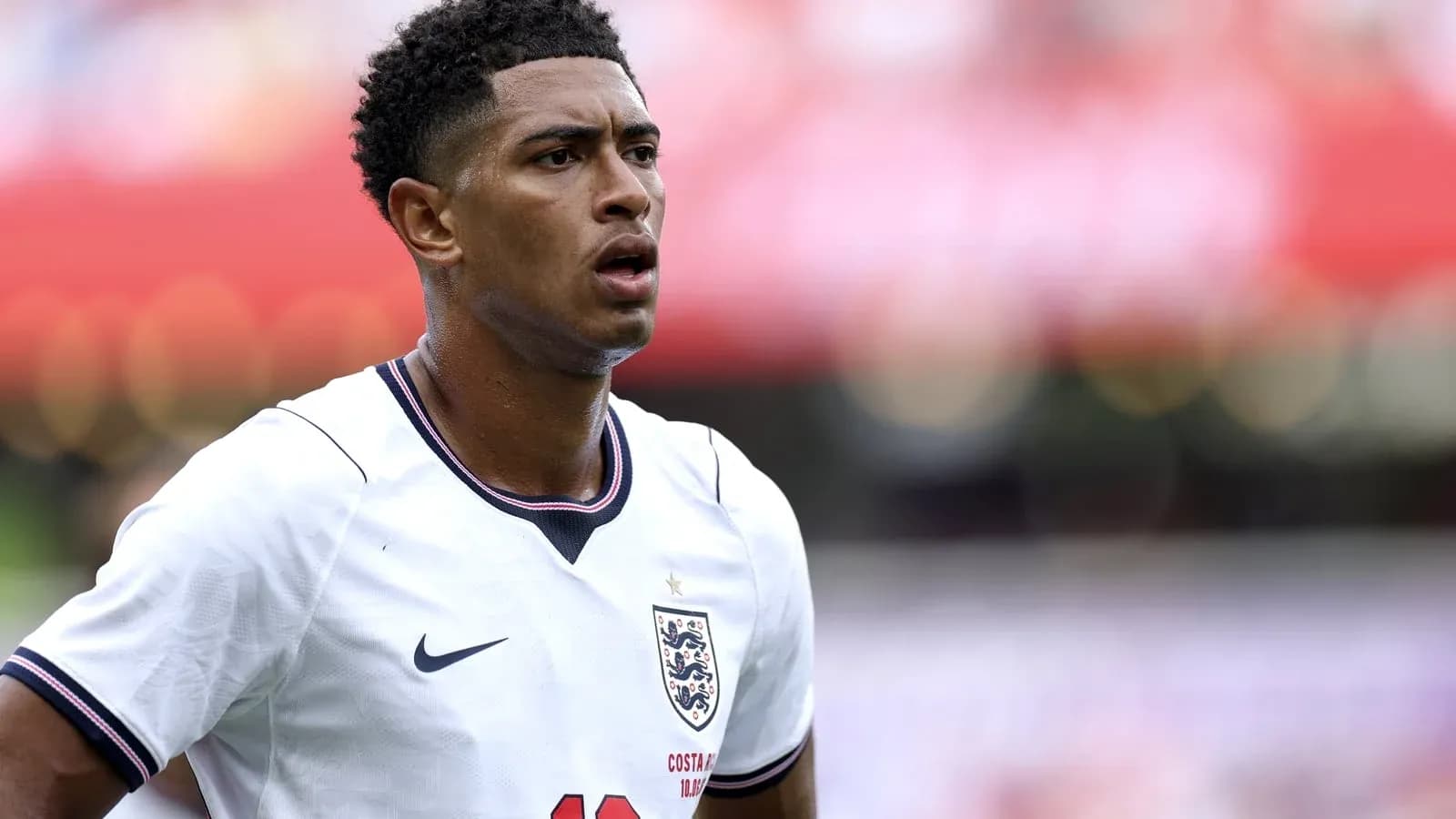
Jude Bellingham Reflects on England's Euro 2024 Journey
Jude Bellingham does not dress it up. England reached the Euro 2024 final, came within one game of ending decades of hurt, and yet something, he says, was broken long before Spain picked them apart in Berlin.
From England’s World Cup base in the United States, the Real Madrid midfielder painted a stark picture of a campaign that looked respectable on paper but felt hollow inside the camp.
“At the Euros I think we got a few things wrong off the pitch, I don’t feel the group connected as well as it could have for a number of reasons,” he admitted.
England arrived in Germany as one of the favourites, bracketed with two or three nations expected to go the distance. They almost did. The route there, though, was laboured and joyless, a slog that left players and fans alike unconvinced.
“We weren’t playing well, which doesn’t help, so even when we were winning, we didn’t get the feeling that we were as happy as we should be,” Bellingham said.
Those words cut through the usual tournament spin. This was not a tale of gallant failure or cruel fate. It was a dressing room that never quite clicked.
A final reached, a connection missing
Gareth Southgate’s side staggered through the knockout rounds. They needed Bellingham’s outrageous, last-gasp overhead kick against Slovakia in the last 16 just to stay alive. They required penalties to edge past Switzerland in the quarter-finals. Then a late winner to squeeze by the Netherlands in the semi-finals.
On highlight reels, Bellingham’s overhead in Gelsenkirchen already sits alongside England’s great tournament moments. For the man who scored it, the memory is more complicated.
“I still remember how I was feeling at the time. It always makes me feel a bit uncomfortable because it was such a bad situation,” he said. “We weren't playing well.”
He had grown up watching England fall apart on big nights, eliminated by teams they were expected to beat. As the clock ticked into added time against Slovakia, that history weighed on him.
“I remember as a kid watching World Cups and Euros where we crashed out against teams we shouldn’t have gone out to and I remember thinking, ‘Wow, I’m about to be a part of one of those moments’. It shakes up the whole of English football.”
The goal changed everything in that instant. It did not fix what he felt was wrong behind the scenes.
Tuchel’s “brotherhood” and a reset
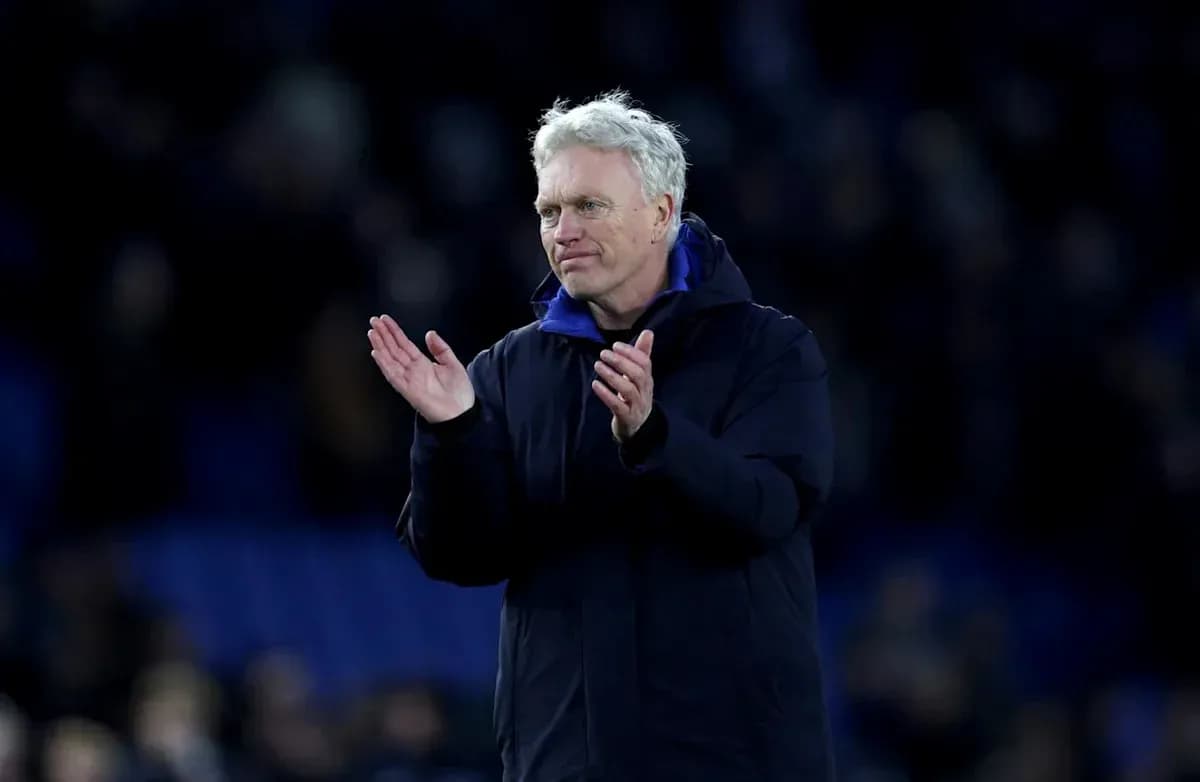
Two years on, there is a new man in charge and a very different message. Thomas Tuchel has spoken openly about building a “brotherhood” in this squad as he chases the World Cup this summer. The word is deliberate. So is the contrast.
Bellingham’s reflections on Euro 2024 make clear why that theme has been hammered home. The football stuttered, the performances rarely flowed, and, in his view, the bonds within the group never reached the level needed to carry a team through a major tournament.
Now, in the United States, the environment around England feels like a live experiment in how quickly a manager can reshape a culture. The quality is there. The question is whether the connection will be too.
A straight fight for No 10
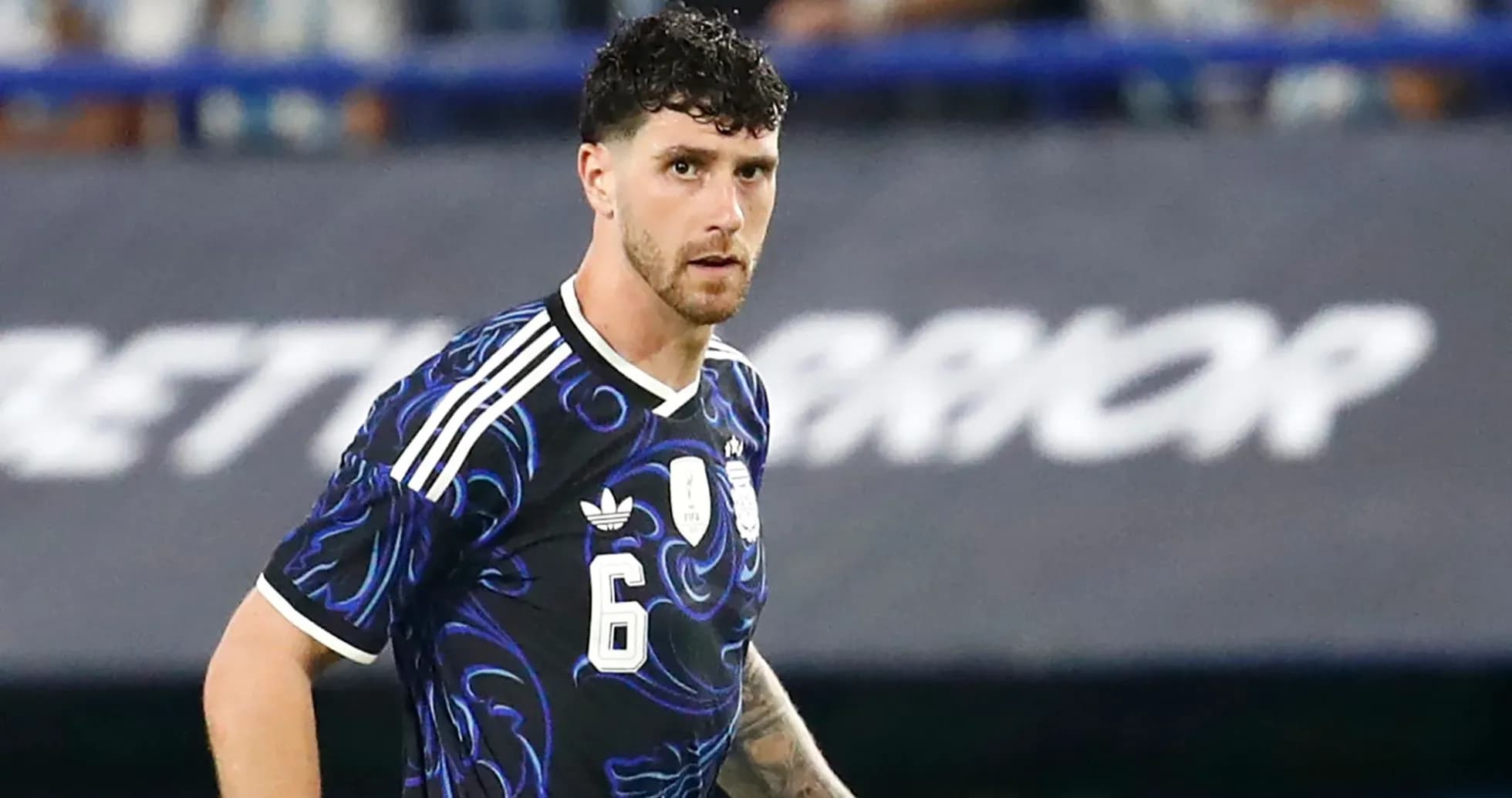
For Bellingham, there is another battle to contend with: his place in Tuchel’s starting XI.
England open their World Cup campaign against Croatia on Wednesday, and Tuchel has, by Bellingham’s own account, framed the selection for the No 10 role as a head‑to‑head contest between him and Morgan Rogers.
The twist? The two contenders are close. They grew up in the same area of the West Midlands, played junior football together and have stayed tight ever since.
Bellingham strengthened his case with a commanding display in the final warm-up win over Costa Rica on Wednesday, a performance that looked every inch like a player staking his claim. Yet he insists there is no bitterness, no fracture, in a duel that would test many friendships.
“As a person, he is a top guy, he can get along with anyone, can have conversations with anyone,” Bellingham said of Rogers. “He can be a bit loud. We have debates that turn into arguments a lot. But we get on like brothers, to be fair.”
Tuchel’s clarity has been ruthless at times.
“The manager has made it very clear in a lot of the times where he has spoken that we are playing for the same position,” Bellingham revealed.
That stance has softened slightly as Tuchel experiments, seeing Bellingham and Rogers in different roles across the front line. The competition remains, though, and Bellingham’s response is telling.
“I know that has eased up a bit more now that he sees me playing more positions and Morgs playing more positions, but I honestly have no ill feelings when he is playing and I’m not playing.”
No sulking. No public agitation. Just a player who understands the stakes and the standards.
Tuchel wants a brotherhood. In the space between Bellingham’s honest assessment of the past and his unflinching embrace of the present fight, you can see exactly the kind of dressing room England must build if this World Cup is to end differently from the last.