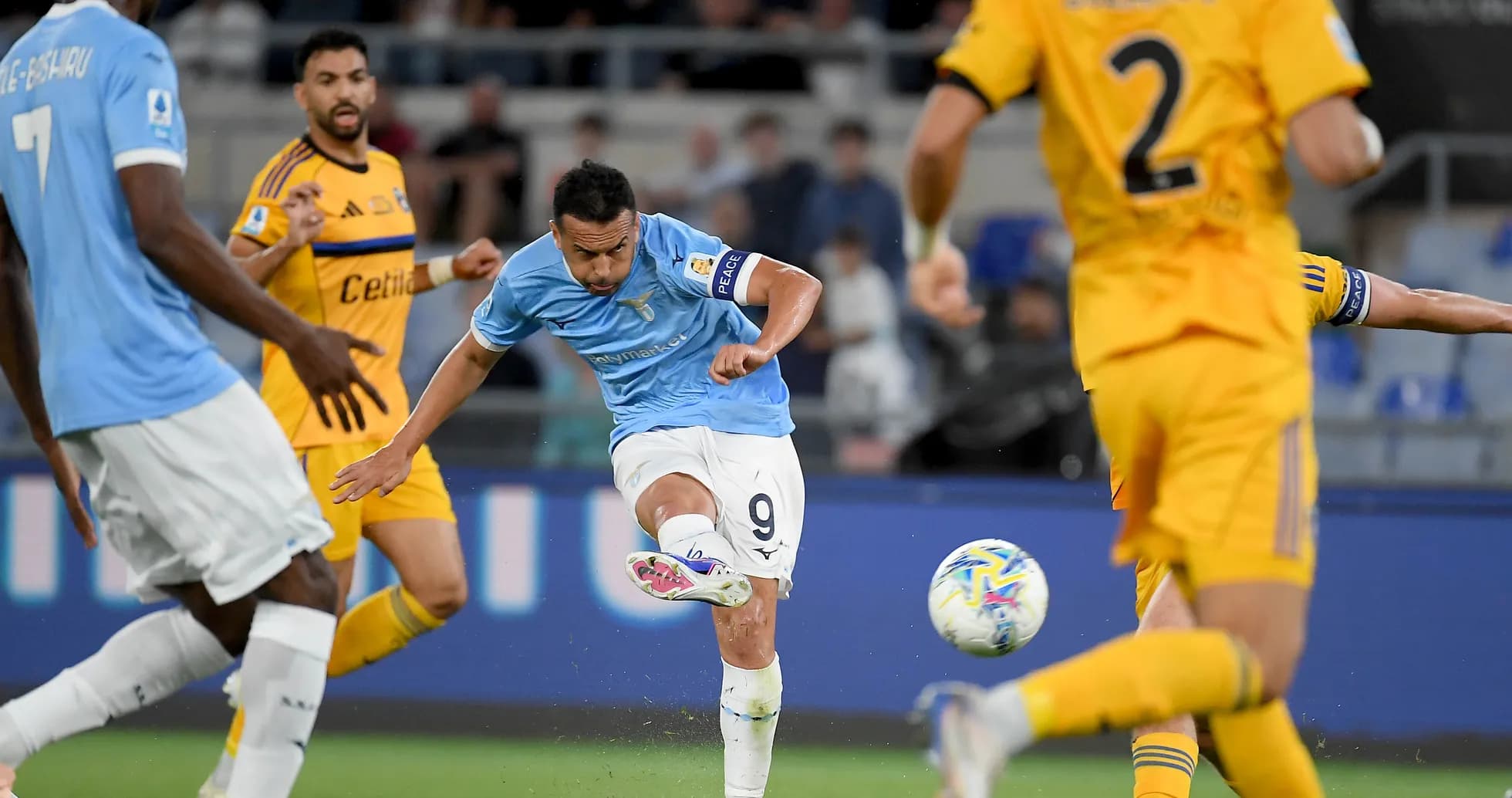
Lazio Secures 2–1 Victory Over Pisa in Serie A Finale
Under the soft May light of the Stadio Olimpico, Lazio closed their Serie A season with a 2–1 win over Pisa, a result that neatly encapsulated the campaign’s hierarchy as much as the match itself. Following this result, the league table snapshot tells its own story: Lazio finishing 9th with 54 points and a narrow overall goal difference of +1 (41 scored, 40 conceded), Pisa bottom on 18 points with a stark -45 (26 for, 71 against). One side consolidates mid-table status; the other sinks to relegation with scars all over their defensive record.
I. The Big Picture – Structure and Seasonal DNA
Maurizio Sarri stayed faithful to Lazio’s seasonal blueprint, rolling out the familiar 4-3-3 that has been used in 36 league matches. A. Furlanetto started in goal behind a back four of A. Marusic, Mario Gila, A. Romagnoli and L. Pellegrini. The midfield trio of F. Dele-Bashiru, T. Basic and R. Belahyane underpinned a fluid front three: M. Cancellieri wide, T. Noslin central, Pedro drifting in from the opposite flank.
The structure mirrored Lazio’s statistical profile. Heading into this game, at home they averaged 1.4 goals for and 1.3 against per match, a marginally positive but fragile edge. Their 8 home wins, 6 draws and 5 defeats in 19 matches spoke of a side capable of control but prone to lapses, often relying on defensive organisation rather than overwhelming firepower.
Pisa arrived in Rome with their season already defined by damage limitation. Oscar Hiljemark’s 3-5-2, with A. Semper in goal, a back three of A. Calabresi, S. Canestrelli and R. Bozhinov, and a hard-working midfield five led by M. Aebischer and E. Akinsanmiro, was a pragmatic response to a brutal reality: on their travels they had failed to win once, with 0 away victories, 8 draws and 11 defeats. The away averages were stark – 0.9 goals scored, 2.4 conceded – the defensive frailty baked into their -45 overall goal difference.
II. Tactical Voids – Absences and Discipline
Both squads were reshaped by absences that subtly altered the tactical script.
Lazio were without I. Provedel, a key presence in goal, due to a shoulder injury, pushing Furlanetto into the spotlight. Higher up the pitch, the absence of M. Zaccagni (knee injury) removed one of their primary one‑v‑one threats and a player who had combined dribbling volume with edge – he had even missed a penalty this season, a reminder that Lazio’s otherwise perfect 4-from-4 spot-kick record was blemished at individual level. In midfield, N. Rovella’s suspension for a red card and the bans for N. Tavares and K. Taylor trimmed Sarri’s options for rotation and late-game control.
Pisa’s voids were equally structural. A. Caracciolo, their yellow-card magnet and defensive pillar with 10 bookings and 24 successful blocks this season, was out through suspension. His absence ripped leadership and aerial dominance from the back line, forcing Bozhinov and Canestrelli into more exposed duels. Further up, injuries to F. Coppola, M. Marin and M. Tramoni, plus D. Denoon’s ankle problem, stripped Hiljemark of technical variety and depth, while Lorran was omitted by coach’s decision. Pisa, a side already stretched by a season-long struggle, arrived with their spine partially removed.
Disciplinary trends framed the risk profile. Lazio’s yellow cards peaked late, with 25.64% of their bookings arriving between 76–90 minutes and a red-card spike in the same window (55.56% of their dismissals). Pisa mirrored that late-game volatility: 25.64% of their yellows also came in the final 15 minutes. This match was always likely to become more fractured as fatigue and frustration set in.
III. Key Matchups – Hunter vs Shield, Engine Room Battles
Without a clear league top scorer in the data, Lazio’s “hunter” was collective rather than individual: a front three designed to stretch Pisa’s back three horizontally. Noslin’s movement between the lines and into the channels targeted the space behind M. Leris and S. Angori, wing-backs tasked with simultaneously containing wide threats and supporting S. Moreo and F. Stojilkovic up front.
The true “Shield” for Lazio was their central defensive pairing. Romagnoli, one of Serie A’s top red-card recipients this season, walked a fine line between aggression and control. His 6 yellow cards and 1 red underlined a defender willing to step into the fire; alongside him, Mario Gila brought calm authority, with 17 successful blocks and a high passing volume (1820 passes at 90% accuracy). In this match, that duo faced a Pisa attack that, across the season, had failed to score in 21 of 38 games overall and only once kept a clean sheet away. Lazio’s centre-backs could afford to hold a higher line, compressing the pitch and trusting their reading of Moreo’s runs and Stojilkovic’s physicality.
In the “Engine Room”, the confrontation was more nuanced. Lazio’s trio of Dele-Bashiru, Basic and Belahyane had to outthink Pisa’s central axis of Aebischer, Akinsanmiro and I. Vural. Aebischer, one of Pisa’s statistical standouts, arrived with 1530 completed passes at 85% accuracy and 34 key passes; his ability to progress the ball under pressure was Pisa’s best route out of Lazio’s press. Opposite him, Basic’s task was to disrupt that rhythm while still feeding Cancellieri and Pedro between Pisa’s lines. The absence of Rovella made Lazio’s midfield slightly more direct, leaning on Dele-Bashiru’s ball-carrying rather than intricate circulation.
IV. Statistical Prognosis – xG Shape and Defensive Solidity
Even without explicit xG values, the season-long patterns sketch the underlying probabilities that this 2–1 scoreline broadly followed.
Lazio, with 41 goals from 38 matches and an overall scoring average of 1.1 per game, are not an attacking juggernaut, but at home they tilt the field: 27 goals in 19 matches, the 4-3-3 and 15 clean sheets overall hinting at a side that prefers to manage games through structure. Pisa, conceding 45 goals away and 71 overall, were always likely to yield multiple high-quality chances once their block was stretched.
The removal of Caracciolo weakened Pisa’s capacity to defend their box, especially against crosses and cut-backs. Without his 24 blocks and 50 interceptions, the remaining back three had to step out more often, exposing the half-spaces where Noslin and Pedro operate best. Lazio’s late-card profile suggested a risk of losing control in the final quarter, but Pisa’s chronic lack of cutting edge – just 26 goals overall and an away average of 0.9 – meant that even if the visitors generated some late xG, the probability of a full comeback was slim.
In narrative terms, the match played out as the numbers predicted: Lazio, structurally superior and at home, built a first-half platform (2–1 by the interval) and then leaned on the Gila–Romagnoli axis to see it through. Pisa’s 3-5-2, without its most combative defender, could not consistently shield Semper, and their season-long attacking anemia resurfaced when it mattered most.
Following this result, Lazio’s season closes as a study in controlled moderation, a team whose defensive solidity just about outweighed its attacking limitations. Pisa, by contrast, depart Serie A as a cautionary tale: a side whose tactical effort and individual flashes from players like Aebischer could not mask a structural imbalance between an overworked defence and an underpowered attack.