France vs England: World Cup 2026 3rd Place Final Preview
No venue has been assigned yet, no city named, but the stage is already set in the imagination: on 18 July 2026, France and England meet in the World Cup 3rd Place Final, a heavyweight clash with pride, legacy and a place in history on the line. For France, it is a chance to cap a powerful campaign with one more statement from a side that has swept through its group and unleashed Kylian Mbappé on the tournament. For England, it is about proving they can still deliver on the biggest stage, leaning on the goals of Harry Kane and the all‑action brilliance of J. Bellingham to leave this World Cup with something tangible to show.
Season Context
France arrive as group winners and one of the tournament’s most ruthless attacks. They topped Group I with 9 points from 3 matches, scoring 10 goals and conceding just 2. A perfect record (3 wins from 3) and a goal difference of +8 underline how convincing they have been in the group phase, with their firepower backed by a defence that has largely kept opponents at arm’s length.
England also finished first in their section, taking control of Group L with 7 points from 3 games. Two wins and one draw, with 6 goals scored and only 2 conceded, show a side that has been efficient rather than explosive, but still clearly superior within their group. A goal difference of +4 reflects a team that can hurt opponents but has occasionally left the door slightly ajar at the back.
Form & Momentum
Both teams share the same recent pattern on paper: France’s form line reads LWWWW, while England’s is also LWWWW. For France, that means one setback followed by a surge of four straight victories, driven by an attack that averages roughly 3.3 goals per group game (10 goals in 3 matches) and a defence conceding fewer than one per outing (2 in 3). That combination makes them look relentlessly aggressive but still well‑balanced.
England mirror that recovery arc: an initial stumble followed by four consecutive wins, with a more controlled scoring rate of 2 goals per group match (6 in 3) and the same defensive record as France in the group (2 conceded in 3). They look slightly more measured, but their broader World Cup run still shows an attack producing 14 goals across 7 matches and a defence that has been tested more often (8 conceded in 7).
Head-to-Head Patterns
Recent history between these two nations in major tournaments leans subtly towards France, and the memories are fresh. On 10 December 2022, they met in the World Cup Quarter-finals at Al Bayt Stadium, where France edged a tense encounter 2-1 away to England (World Cup, season 2022, December 2022). That night reinforced the sense that France can find an extra gear in knockout football when the margins are tight.
Going further back, their paths crossed in the Euro Championship group phase on 11 June 2012 at Donbass Arena (Donets’k), ending in a 1-1 draw with France as the nominal home side and England as the visitors (Euro Championship, season 2012, June 2012). It was a reminder of how finely balanced this rivalry can be when both sides are cautious and compact.
There was also a 3-2 win for France in a high‑scoring clash in June 2017 at Stade de France (Paris), but that came in Friendlies and sits outside the competitive narrative that will matter most here. The competitive pattern suggests tight margins, with France just about holding the psychological edge from their World Cup triumph in 2022.
Tactical Preview
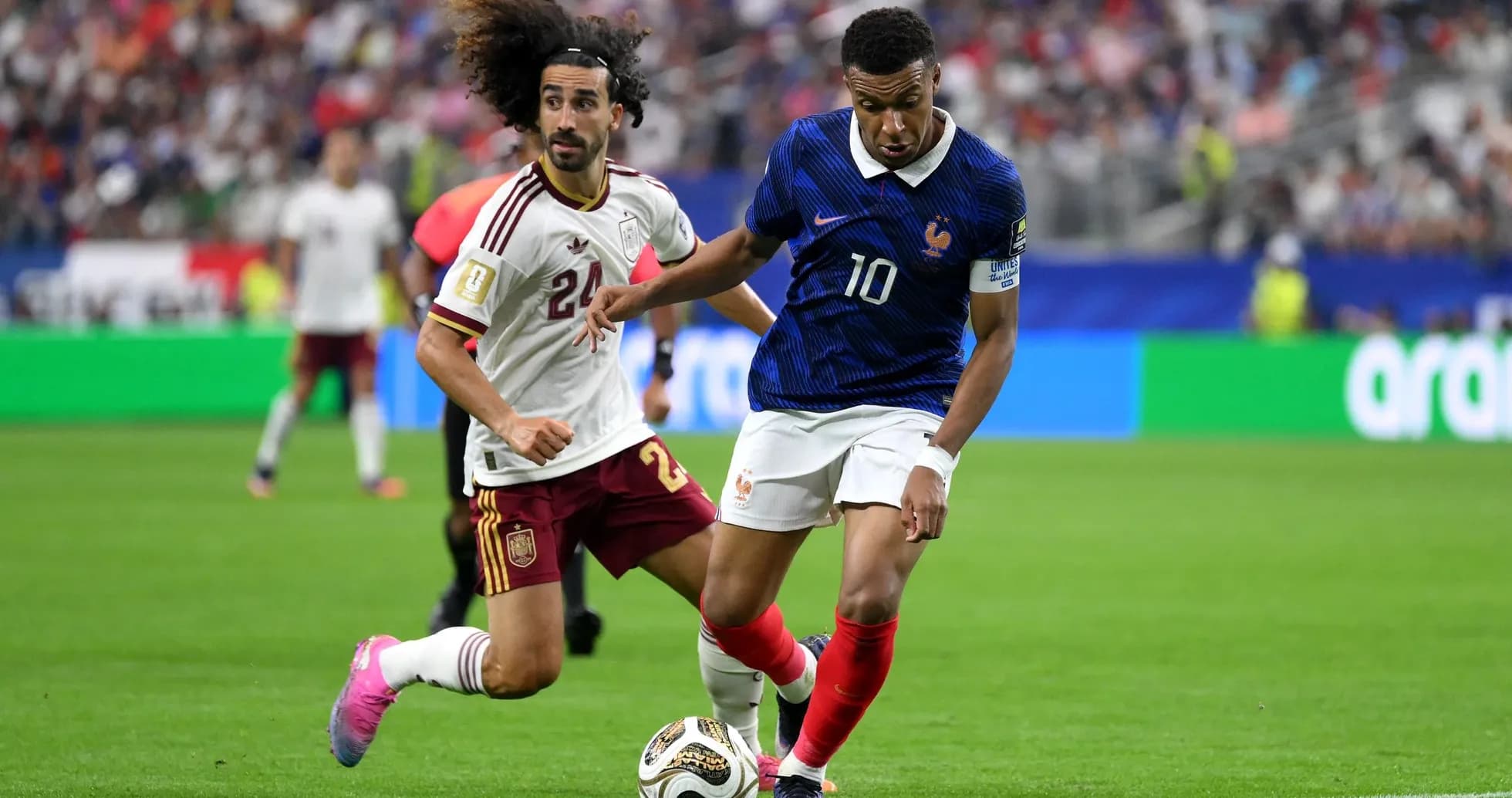
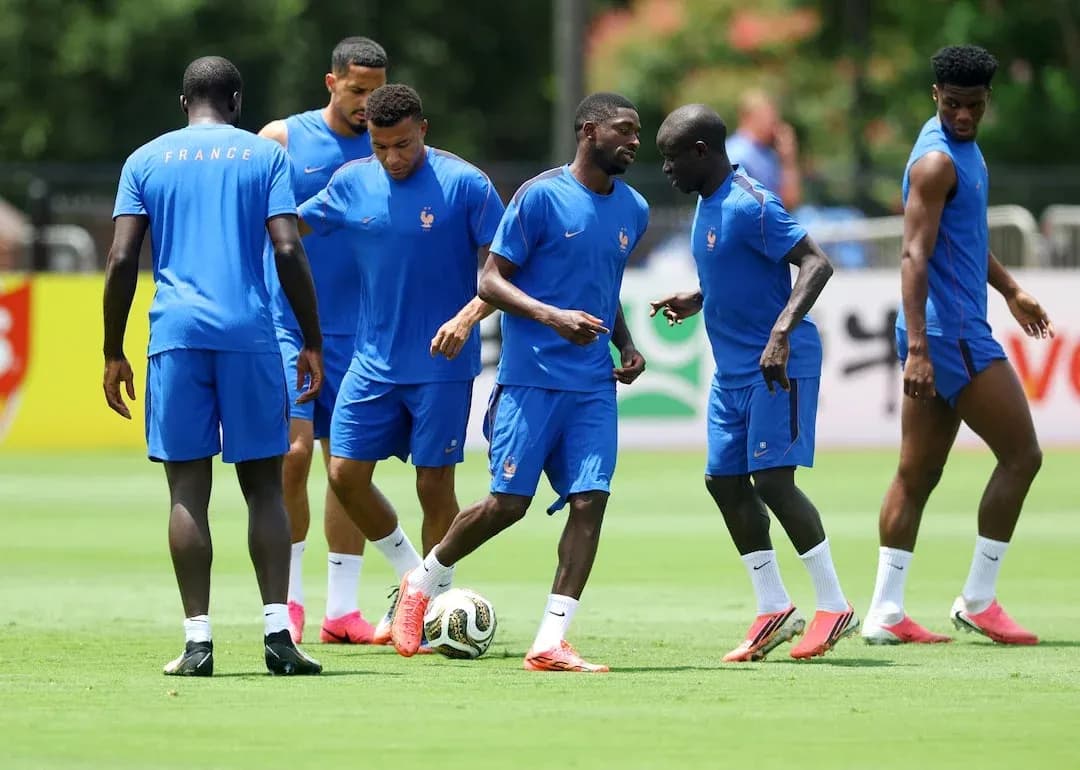
France’s World Cup data points to a clear identity: a front‑foot side in a 4-2-3-1 structure that has been used 7 times. Across 7 matches in this tournament, they have scored 16 goals and conceded only 4, numbers that support a description of them as both potent and controlled. Mbappé, with 8 goals and 3 assists in 7 appearances, is the obvious spearhead, taking 30 shots with 19 on target, while O. Dembélé adds incision from wide areas with 5 goals and 2 assists. Behind them, M. Olise has emerged as a creative hub, leading the assist charts with 5, and his 355 completed passes at 86% accuracy suggest France can sustain possession and probe patiently when needed.
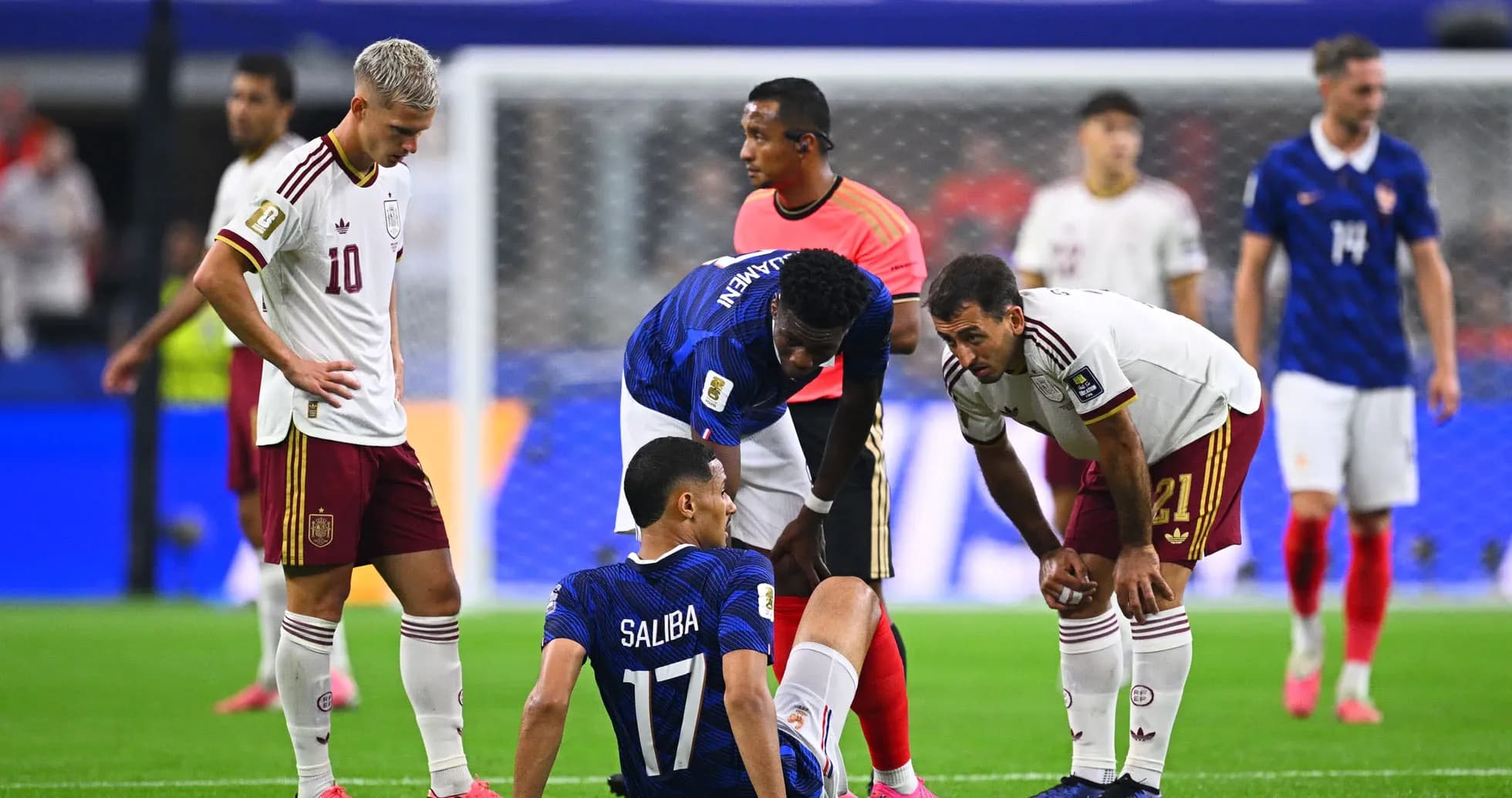
Out of possession, France’s defensive record in this World Cup run (4 goals conceded in 7 games) hints at a back line that generally controls space well. With four clean sheets registered across their campaign, they are comfortable defending higher up the pitch, trusting their centre‑backs and double pivot to snuff out counters. The penalty data – 2 awarded, with 1 scored and 1 missed – underlines that they create box pressure, even if their conversion from the spot has not been flawless.
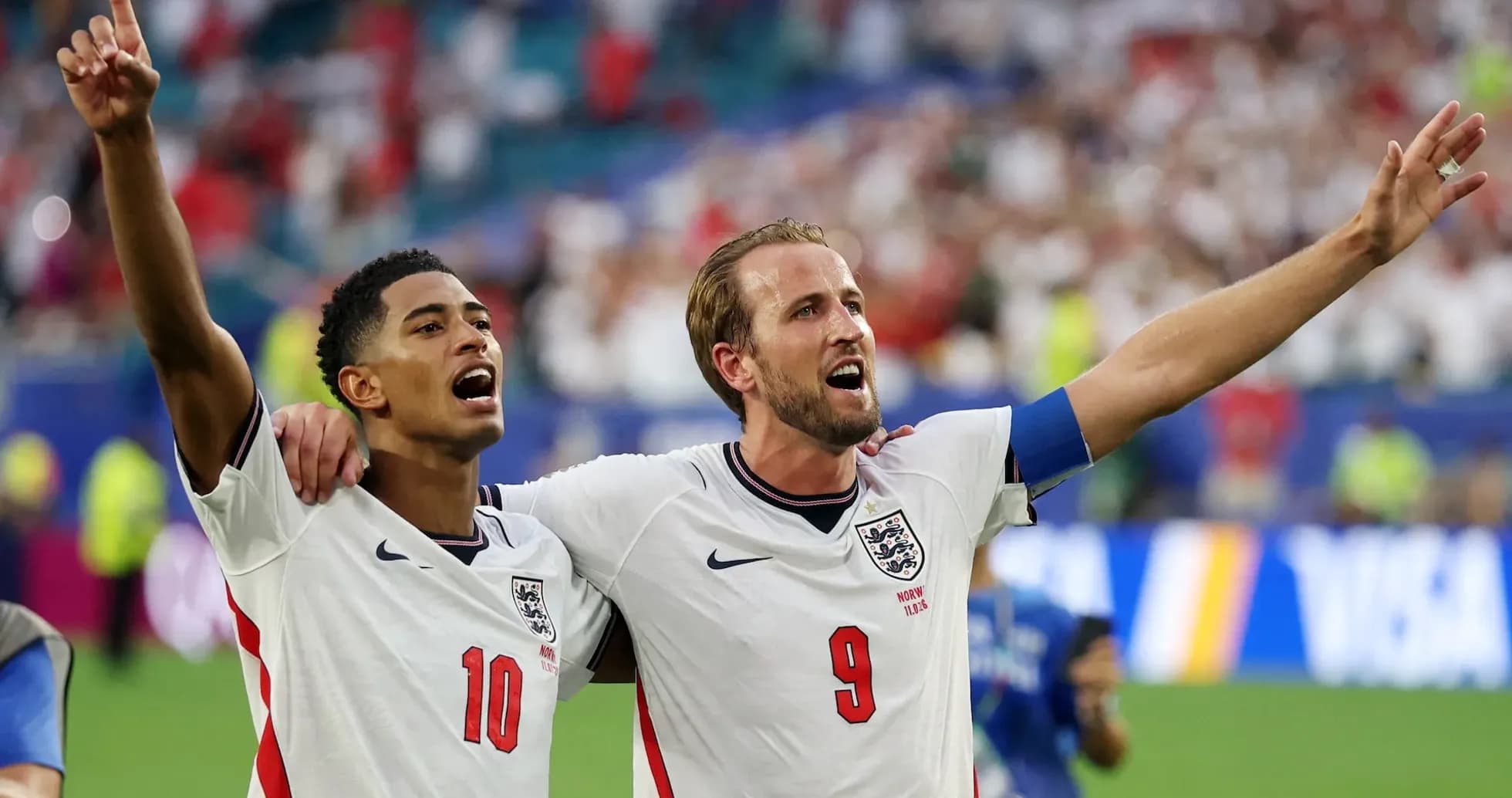
England, too, have leaned heavily on a 4-2-3-1, using it in 6 of their 7 matches, occasionally shifting to a 4-1-4-1 when game state demands more control in midfield. Their tournament totals of 14 goals for and 8 against across 7 matches show a more open profile than France’s: they score freely but can be dragged into end‑to‑end exchanges. The dual threat of J. Bellingham and H. Kane is central to their plan. Bellingham has 6 goals and 1 assist, combining penalty‑box arrivals with ball‑carrying from deep, while Kane matches him with 6 goals and 1 assist, plus 2 penalties converted from 2 attempts.
England’s wide players add another layer. A. Gordon has 3 assists and 1 goal, while B. Saka has also produced 3 assists in limited minutes, giving England pace and one‑v‑one threat on both flanks. However, their defensive discipline has been tested: 8 goals conceded and only 2 clean sheets, plus a red card for J. Quansah and 2 yellows for D. Rice, suggest that when pressed, they can be forced into last‑ditch defending and fouls in dangerous areas. Against France’s direct runners and combination play around the box, that could be a key battleground.
Statistical Snapshot
- Competition: World Cup, season 2026 — 18 July 2026.
- Venue: No venue assigned, no city listed.
- Prediction: Win or draw — Double chance : France or draw.
- Win Probabilities: Home 45% / Draw 45% / Away 10%.
- Model: France 61.3 — England 38.8.
Betting Verdict
The prediction model leans clearly towards France avoiding defeat, with a double‑chance angle (France or draw) backed by a 45% home win probability and 45% chance of a draw against just 10% for an England victory. France’s superior defensive record in this World Cup (4 conceded in 7 matches versus England’s 8 in 7), combined with the individual form of Mbappé (8 goals) and Dembélé (5 goals), strengthens the case that they are slightly more reliable over 90 minutes. England’s attack, powered by Bellingham and Kane on 6 goals each, is dangerous enough to keep this close, but their higher concession rate and disciplinary issues tilt the balance. In a fixture that history suggests will be tight, siding with France on the double chance, rather than a straight winner, aligns best with both the numbers and the head‑to‑head narrative from recent tournaments.