Thomas Tuchel's Gamble at the World Cup: A Bold Call Turns Disastrous
Thomas Tuchel came to this World Cup as England’s gambler-in-chief. He picked a squad few others would have dared to select, rode out a backs-to-the-wall win over Mexico, and started Morgan Rogers in a semi-final on what he openly called “a feeling from the coach”.
For an hour, the dice fell his way. Then one roll too many sent England spinning out of a World Cup final.
A bold call that looked like genius
The script was almost perfect. Rogers, the surprise inclusion, tore down the left, whipped in a cross, and Anthony Gordon arrived to bury it. Tuchel’s latest hunch, vindicated on the biggest stage. England were ahead of the reigning champions and, briefly, ahead of their own history.
They have been here before. Too often. England have now scored first in seven of the 13 knockout ties they have lost over the last 30 years. They are still the only team this century to lead a World Cup semi-final and fail to reach the final — and they have now managed that twice.
This time, the collapse had a clear turning point.
The hinge: minute 71
With Argentina rattled and England leading 1-0, the numbers told one story, the mood another. In the 15 minutes after Gordon’s goal, England saw just 17 per cent of the ball and managed only nine touches in the Argentina half. The team that had dared to front up to the world champions began to retreat, almost instinctively.
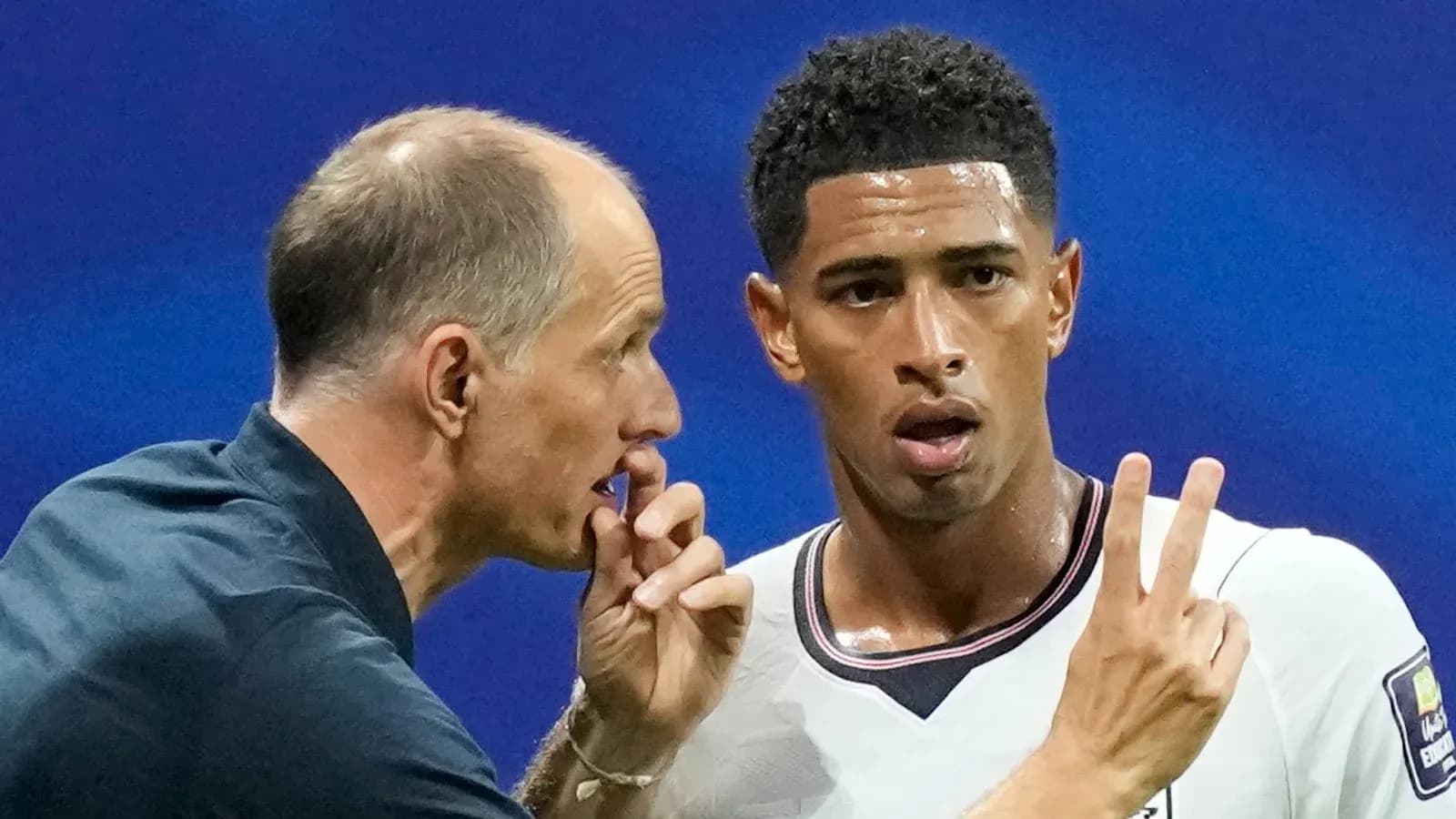
Tuchel’s answer arrived in the 71st minute: Ezri Konsa on, Gordon off, a switch to a back five. It was a change that looked conservative the moment the board went up, and disastrous by the time the final whistle blew.
On paper, it was logical enough. Protect the lead. Add another centre-back. Use Djed Spence and Reece James as aggressive wing-backs in the 3-4-3 system that has defined much of Tuchel’s career. In practice, it stripped England of their most direct outlet and deepened the fear already creeping through the side.
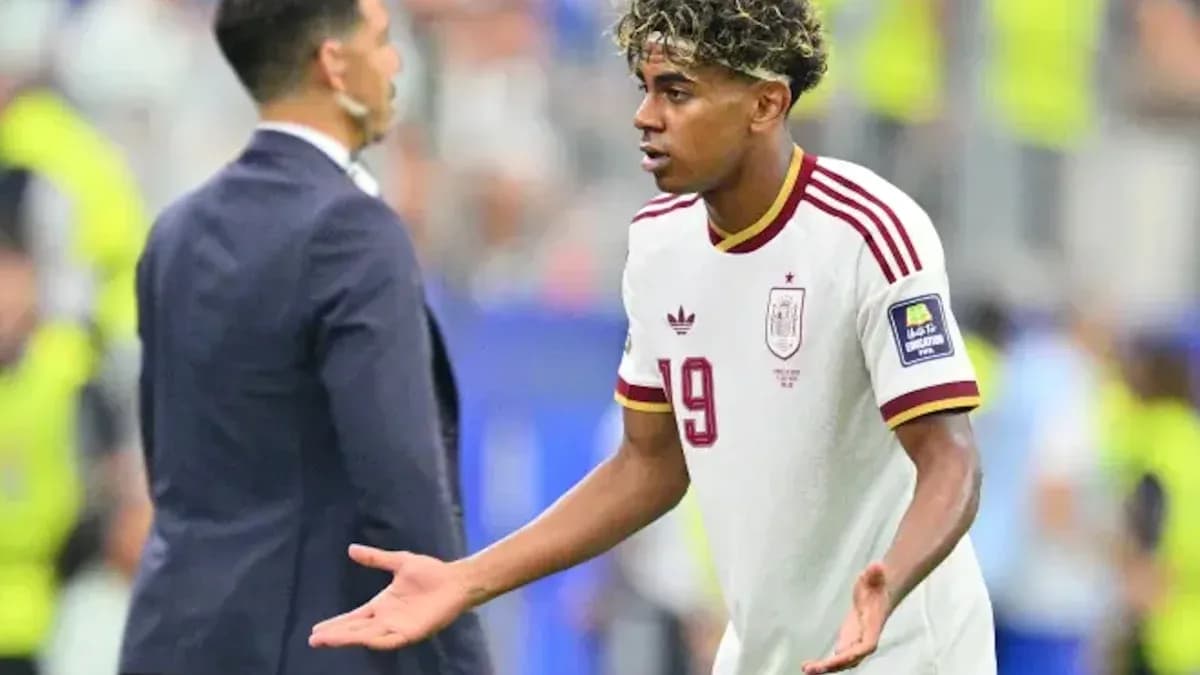
Gordon, England’s sharpest runner in behind, was gone. Rogers, now notionally playing off Harry Kane alongside Jude Bellingham, almost vanished from the contest. Between the tactical reshuffle and Lautaro Martinez’s winner, he had a single touch.
Across those 21 minutes, England’s share of possession slumped to 7.2 per cent. Eight touches in the opposition half. Not one cross delivered. Spence and James, meant to be the escape route, touched the ball once between them in Argentina’s half for the rest of the game.
The freeze had set in.
Giving the ball to the wrong man
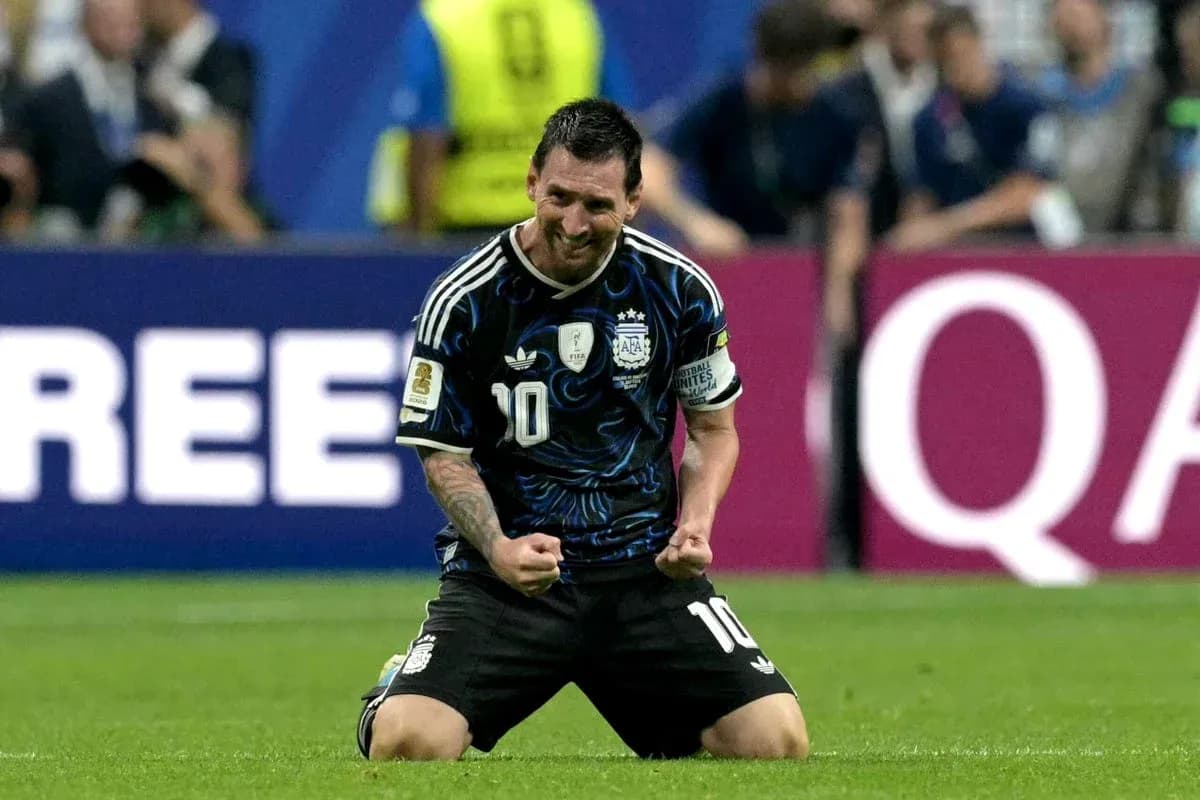
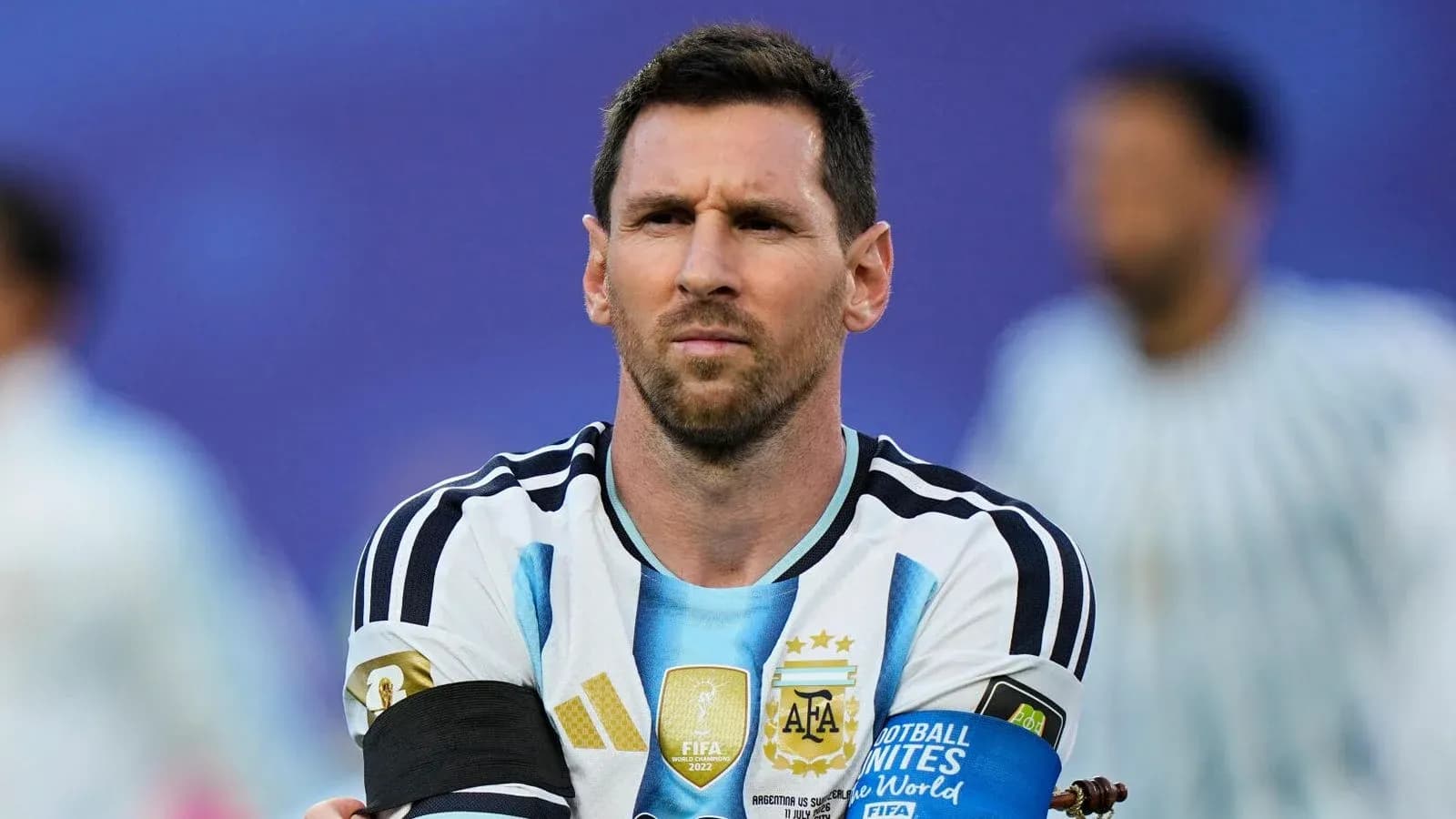
If you invite Argentina to have the ball, you invite Lionel Messi to decide your fate. England did exactly that.
Wave after wave of sky-blue pressure followed Konsa’s introduction. England could not keep the ball, could not get out, could not breathe. Even defensively, the extra centre-back brought no relief. Konsa did not win possession back once, but lost it five times.
Argentina, by contrast, had clarity. This was not Mexico, slinging hopeful crosses into the box. This was a team built on passing, rhythm, angles — with Messi waiting for his moment. He found it, twice, turning provider for both Argentina goals while England sank deeper and deeper into their own penalty area.
Tuchel had been hired to break this very pattern. Under Gareth Southgate, England routinely beat the sides they were expected to beat and stumbled when they were underdogs. Tuchel’s arrival was supposed to change the ceiling, not repaint the same one.
A coach who did not blink – until he did
There had been reasons to believe he might. That rousing half-time team talk against Croatia. The bold attacking changes that turned that game. The gutsy, reshaped rearguard that saw off Mexico with 10 men at the Azteca. These were the moments that fed the idea Tuchel’s in-game management could be the missing piece Southgate never quite found.
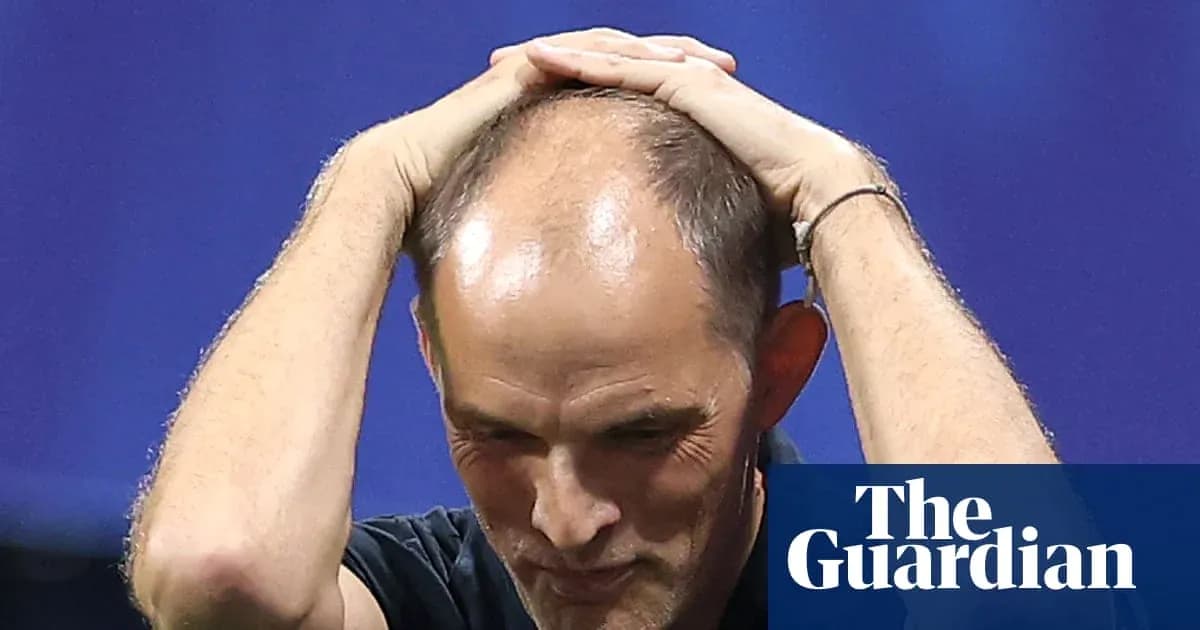
This time, though, the coach who usually reacts quickly seemed paralysed. As Argentina’s grip tightened, Tuchel did not rip up his plan. He doubled down on it.
Dan Burn came on. Nico O’Reilly followed. Fresh legs, yes, but not the kind of attacking surge the situation screamed for. The tide was running one way and England’s response was to reinforce the sandcastle.
Maybe that Mexico win emboldened him. Maybe Tuchel believed this group could once again dig in, suffer, and emerge with the result. That calculation might work against a side flinging crosses. It rarely works against a side that passes through you, with the greatest playmaker of all time threading the needle.
The gamble that will linger
Tuchel has already committed to seeing out his two-year contract extension, with Euro 2028 on the horizon. Time may soften the edges of this defeat. The memories of Croatia, of Mexico, of that front-foot England he briefly unlocked will resurface. The argument that his risk-taking can still carry this team further will not disappear overnight.
But the image that will follow him into the next cycle is stark: Gordon’s number going up, the back five dropping in, Messi stepping forward. One throw of the dice too far. One step back into the defence-first football Tuchel had promised to leave behind.
For now, that is what will haunt him — and England — until the next chance comes around.