Golden Boot Race: Messi and Mbappe in 2026 World Cup Showdown
“Sometimes in football, you have to score goals.”
Thierry Henry tossed that line out in 2008 with a shrug. Eighteen years on, at a World Cup swollen by extra teams, extra games and a flood of goals, it feels like the only law that really matters.
Four matches remain in the 2026 tournament. The trophy is the obsession, of course, but running just beneath the surface is another race – the sprint for the Golden Boot. History says it rarely belongs to a champion. Not since Ronaldo’s eight for Brazil in 2002 has the top scorer stood on the podium with the World Cup in his hands.
Just Fontaine’s 13-goal avalanche in 1958 still towers over everyone. No one has come close. Yet with 16 more teams and 40 more games than Qatar 2022, the net has bulged more than ever. The numbers are swollen, the margins thin, and the leading cast is star-studded.
How the Golden Boot is decided
In this era, finishing level on goals is not enough. Since 1992, assists separate players tied at the top. It mattered in 2010 when David Villa, Diego Forlan and Wesley Sneijder all finished on five, alongside Thomas Muller. Muller walked away with the prize because he had three assists to their one.
FIFA tightened the rules again in 2006. If goals and assists are identical, the award goes to the player who needed the fewest minutes on the pitch. Ruthlessness, in every sense, is rewarded.
Messi vs Mbappe: the heavyweight duel
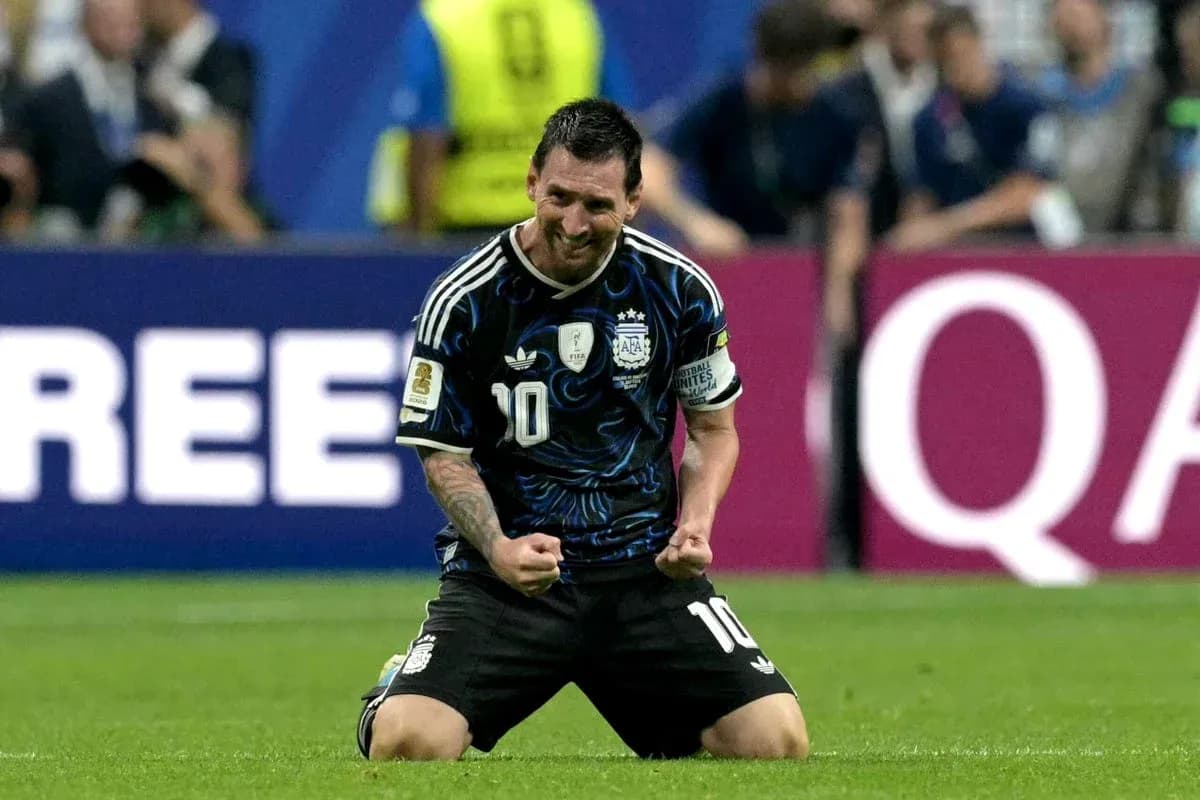
- Lionel Messi (Argentina) – 8 goals
(4 assists – 712 minutes)
Messi’s campaign began with frustration. He thought he had opened his account against Algeria, only for VAR to slice it away for offside. He responded the way only he can: drifting infield, then whipping a 20-yard shot inside the post, a familiar left-footed signature on a new World Cup.
Once he had his first, the dam burst. A spilled Alexis Mac Allister effort handed him a simple second, Luca Zidane’s fumble punished without mercy. The hat-trick goal was pure Messi theatre – a bending strike from the edge of the box, shaped like a pass to a phantom runner behind the goal, Zidane rooted to the spot.
The fourth arrived against Austria after a rare blemish. He had already missed a penalty, but when Facundo Medina fired the ball into him, the Inter Miami forward met it first time and passed Miroslav Klose on the all-time World Cup scoring charts. A late close-range finish, following up his own blocked shot, made it five in two games.
Even rotation could not cool him. Rested from the start against Jordan, he stepped off the bench and curled in an 80th-minute free kick to extend his lead. Goal seven came in the round of 32 against Cape Verde. Goal eight, the most dramatic yet, was a late equaliser against Egypt that kept Argentina alive and dragged him level at the top of this race.
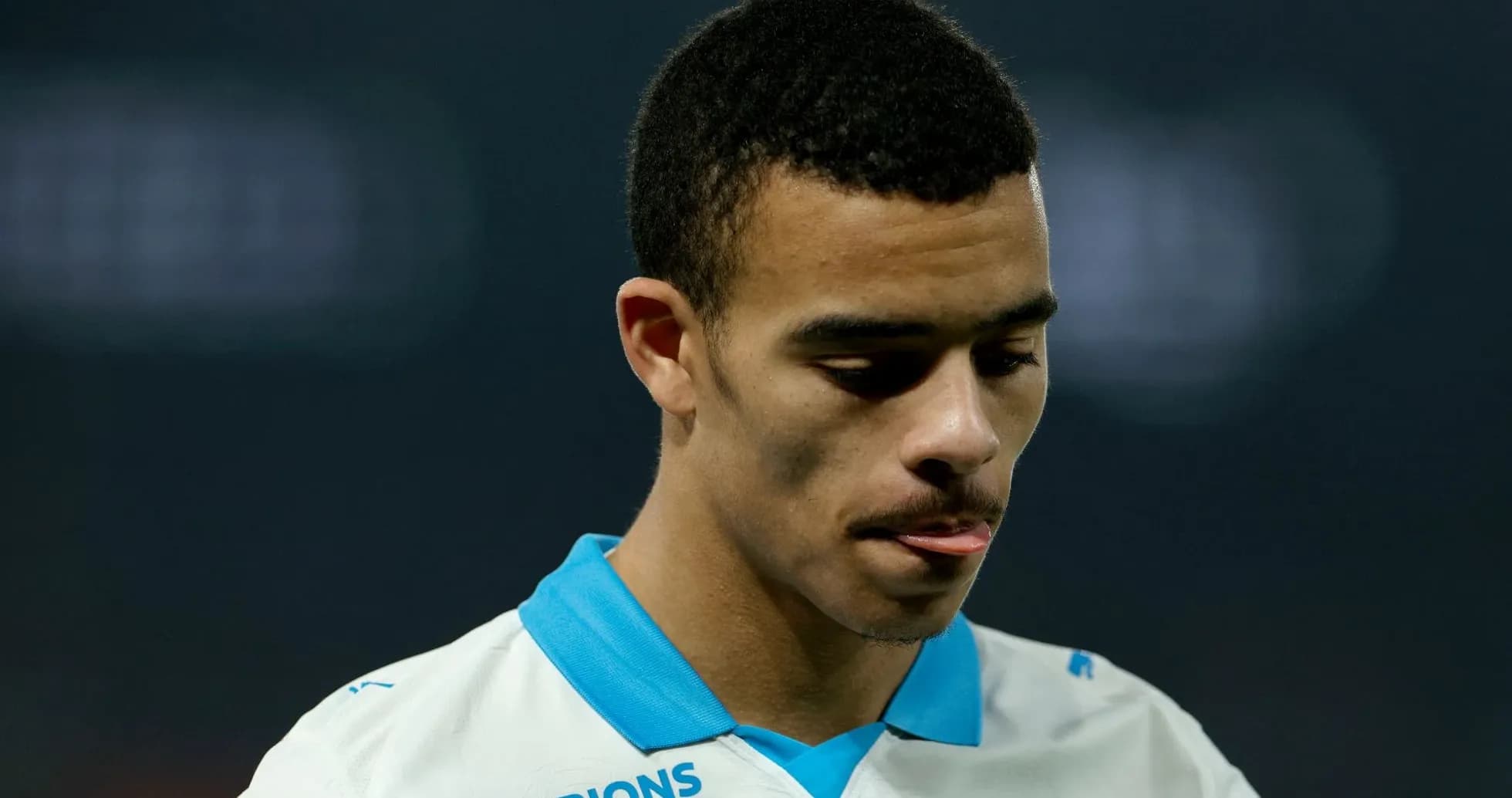
- Kylian Mbappe (France) – 8 goals
(3 assists – 666 minutes)
Mbappe began like a man determined to own this World Cup. Two goals against Senegal set the tone, all explosive movement and unerring finishing.
He struck first again against Iraq, a long-range drive to break the deadlock. After a long weather delay in Philadelphia, he returned to the pitch and doubled the lead, refusing to let the rhythm of his tournament be interrupted.
The knockouts brought a familiar stage and the same relentlessness. Two crisp finishes against Sweden in the round of 32, a penalty tucked away against Paraguay, another goal against Morocco in the quarter-final. Each strike felt like a step toward a second Golden Boot.
Then Spain shut the door. France failed to score in a 2-0 semi-final defeat, leaving Mbappe stuck on eight with only the third-place play-off to come. He stands level with Messi on goals, just behind on assists, and with fewer minutes played. Every touch on Saturday could tilt the tiebreakers.
Haaland, Bellingham, Kane: the chasing pack
- Erling Haaland (Norway) – 7 goals
(0 assists – 537 minutes)
Norway’s first World Cup in a generation became the Erling Haaland show almost instantly. Two goals against Iraq announced his arrival: the first a trademark six-yard-box finish from David Moller Wolfe’s low cross, the second forced in after he hunted down the goalkeeper and bullied the ball over the line.
He didn’t slow. Against Senegal, he swept in a composed third of the tournament, then added a fourth with a deft volley. When the stakes rose, so did his influence. His fifth, a late close-range winner against Ivory Coast in the round of 32, dragged Norway through.
Then came Brazil. Haaland scored twice in a seismic upset, his sixth and seventh of the tournament, the second a surprise finish that stunned the favourites. Norway are out now, his tally frozen at seven, but he has planted a flag at his first World Cup.
- Jude Bellingham (England) – 6 goals
(1 assist – 574 minutes)
Jude Bellingham has turned from midfield engine into penalty-box predator. He scored in both of England’s group wins, first in the 4-2 victory over Croatia and again in the 2-0 defeat of Panama, timing his runs and finishing with authority.
The knockout rounds pushed him into another gear. Two more against Mexico in the last 32, then another brace in the quarter-final against Norway, shoved him into the Golden Boot conversation alongside the centre-forwards.
He edges his captain Harry Kane in the rankings only on minutes played – 574 to Kane’s 627 – but his emergence as a genuine scoring force has changed the face of England’s attack.
- Harry Kane (England) – 6 goals
(1 assist – 627 minutes)
Kane’s World Cup began in familiar fashion: two goals against Croatia, clinical and composed, as England hit four. He laboured in the goalless draw with Ghana, yet when the group tightened, he found the net again against Panama.
The knockout phase is where Kane usually writes his story. He scored twice in the second half against DR Congo in the round of 32, dragging England through with the kind of penalty-box authority that has defined his career. Another spot-kick against Mexico pushed him to six, level with Bellingham and lurking just behind the headline acts.
Supporting cast with serious numbers
- Ousmane Dembele (France) – 5 goals
(2 assists – 492 minutes) - Mikel Oyarzabal (Spain) – 5 goals
(1 assist – 519 minutes) - Vinicius Junior (Brazil) – 4 goals
(1 assist – 505 minutes) - Ismaila Sarr (Senegal) – 4 goals
(1 assist – 419 minutes) - Julian Quinones (Mexico) – 4 goals
(1 assist – 440 minutes)
Before this World Cup, Ousmane Dembele had gone 19 major tournament appearances without a goal. Then something clicked. He scored France’s third against Iraq, a neat finish that broke the drought, and followed it with a first-half hat-trick against Norway, a whirlwind performance that showcased his full attacking range.
His fifth arrived in the quarter-final against Morocco, capping a personal renaissance in front of goal. For a player long defined by potential, this has been a tournament of delivery.
Spain’s campaign shook off an early stumble with a 4-0 win over Saudi Arabia, and Mikel Oyarzabal led the response. He scored twice in that game, sharp and ruthless.
He repeated the trick in the round-of-32 win over Austria, another brace in a 3-0 victory that underlined his importance to Luis de la Fuente’s side. His fifth, a penalty to open the scoring against France in the semi-final, carried the weight of a nation’s hopes. Spain are still alive, and so is his outside shot at the Golden Boot.
Vinicius Junior started by rescuing Brazil from embarrassment. Trailing to Morocco in their opener, he lashed in an emphatic equaliser, whipping his finish beyond the goalkeeper to calm the nerves.
He struck again in the rout of Haiti, adding gloss to a dominant display after two goals from Matheus Cunha. Against Scotland, he pounced on Scott McKenna’s mistake, sliding his third in as calmly as if it were a training drill. His fourth, a simple back-post header from a teasing Bruno Guimaraes cross, underlined how dangerous he has become attacking the far post.
Brazil are gone, but Vinicius leaves with a World Cup scoring record that matches his club reputation.
Ismaila Sarr lit up Senegal’s second group game against Norway with two very different goals. The first, an awkward, clipped finish as he fell to the turf, somehow looped in. The second was far more orthodox, a clean strike in a 3-2 defeat that showcased his composure.
He added a third against Iraq in the final group match, then a fourth in the round of 32 against Belgium, carrying Senegal’s threat almost single-handedly at times. His tournament is over, but his impact was unmistakable.
Julian Quinones wrote his name into the record books with the first goal of this World Cup, opening the scoring in Mexico’s 2-0 win over South Africa. He struck again in a 3-0 victory over Czech Republic, then once more as Mexico edged Ecuador in the last 32, always seeming to appear when his team needed a breakthrough.
He added a fourth against England, another reminder that his 33 goals in 31 Saudi Pro League games were no anomaly. The stage was bigger, the defenders better. The finishing touch stayed the same.
Behind them, 11 players sit on three goals, their own bids ended or hanging by a thread.
Chasing history
The Golden Boot has existed officially as the Golden Shoe since 1982, but the World Cup’s top scorers have been honoured since the 1930s. The modern era has given us Ronaldo’s eight in 2002, Harry Kane’s six in 2018 and Kylian Mbappe’s eight in 2022, a haul that included a hat-trick in a losing final – something only Geoff Hurst had ever done before, and he left with the trophy in 1966.
Now Messi and Mbappe are locked together again on eight, with Bellingham, Kane, Haaland and Oyarzabal lurking in their shadows. The margins are tiny: assists, minutes, the bounce of a ball in a semi-final or a third-place play-off.
Sometimes in football, you have to score goals. Over the next four games, someone will take that old line and turn it into a defining legacy.