Thomas Tuchel's Future After England's World Cup Exit
England’s World Cup dream died in Atlanta, but Thomas Tuchel’s job is not going with it.
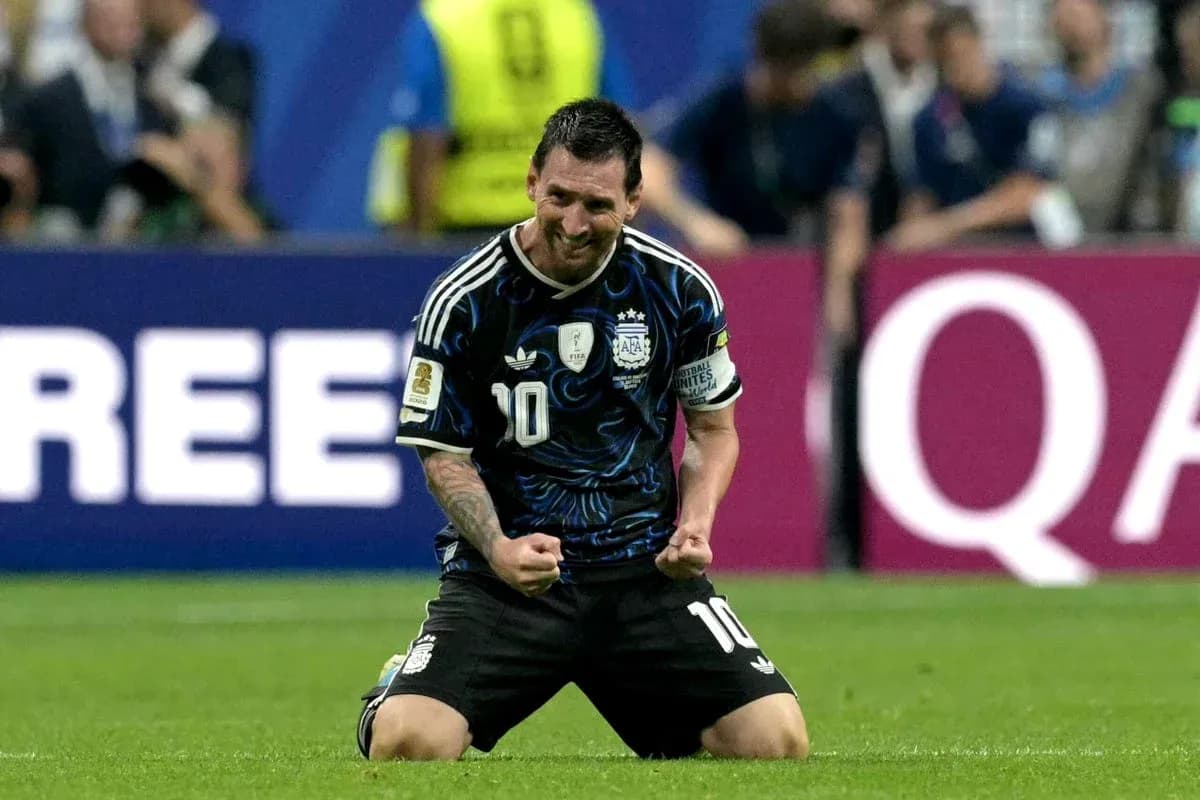
A 2-1 defeat to Argentina at the Atlanta Stadium on Wednesday stopped the Three Lions one step short of the World Cup final, a bitter end to a campaign that had gathered real momentum. Anthony Gordon’s strike on 55 minutes had England within touching distance of the showpiece. Then the night turned.
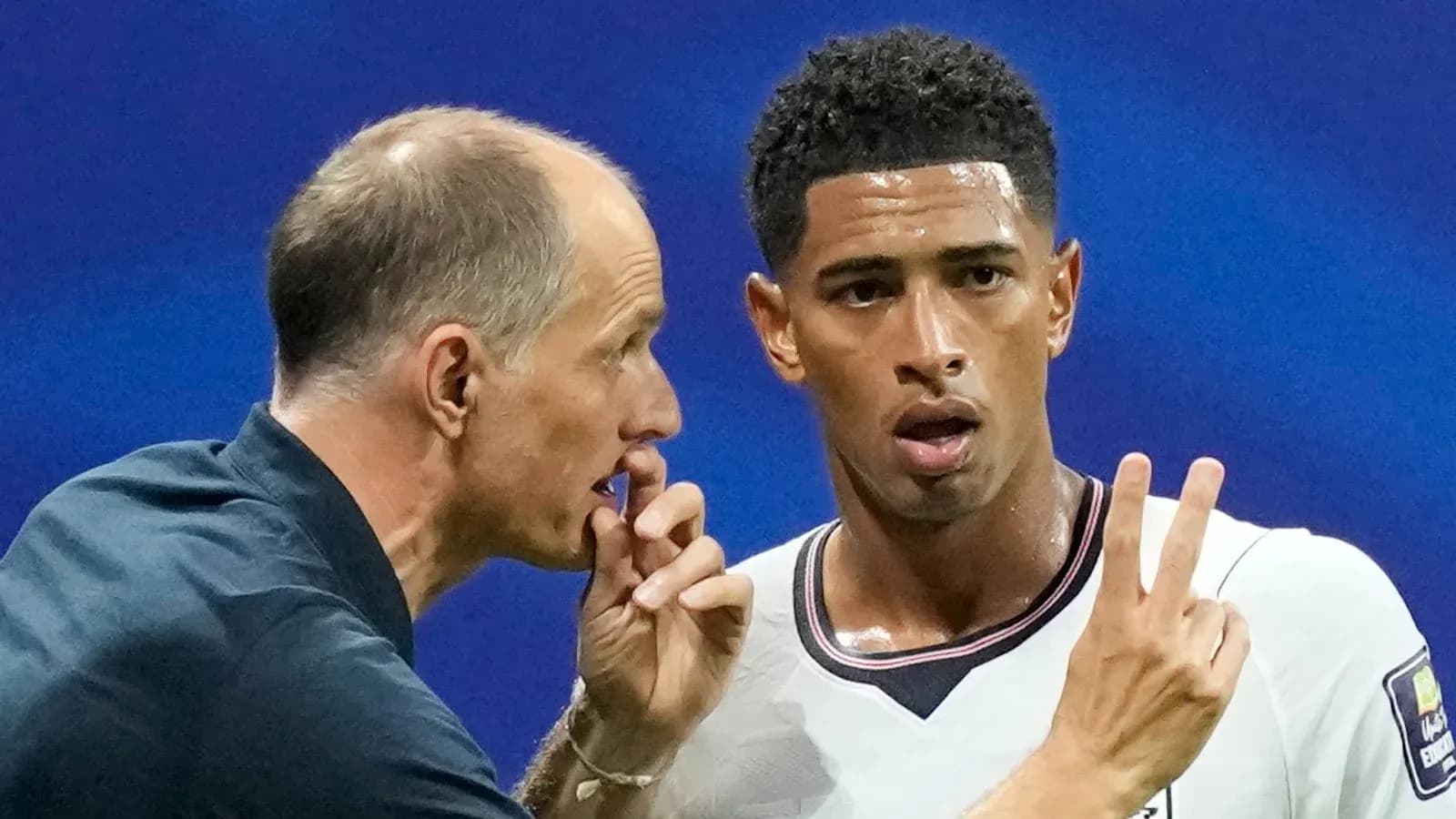
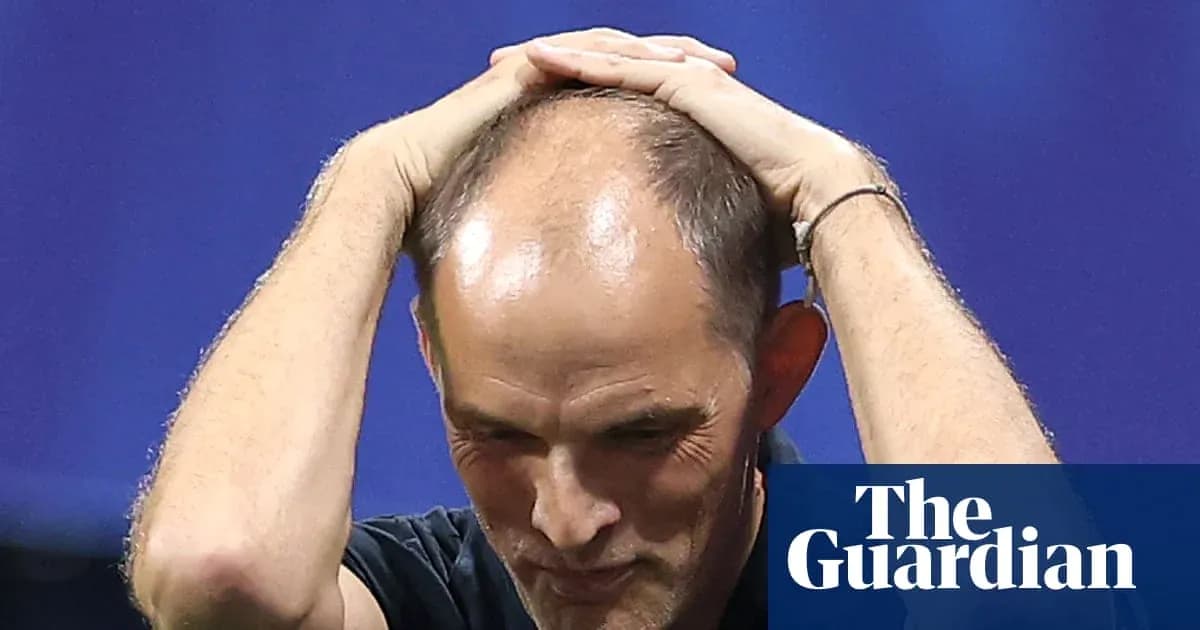
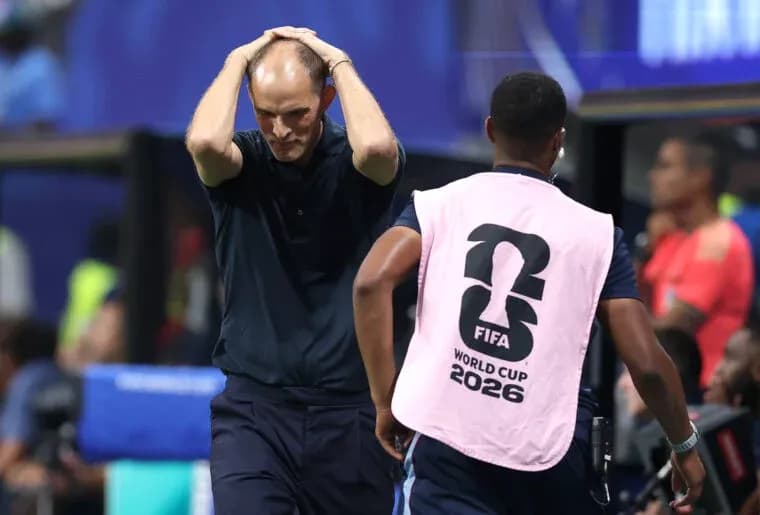
Tuchel, appointed in January 2025 and extended through to Euro 2028, walked into the tunnel under a storm of criticism. Fans and pundits questioned his decision to shut up shop after Gordon’s breakthrough, accusing the German of retreating into caution just when England had Argentina on the ropes. The defensive reshuffle invited pressure. The pressure told.
Yet the fallout has not shaken the corridors of power at the Football Association. According to BBC Sport, Tuchel still has the firm backing of the FA and is expected to remain in charge for the next cycle, steering England into Euro 2028 as planned. No emergency meetings. No hunt for a saviour. Just a cold-eyed belief that this project is still on course.
Broader Arc of England’s Tournament
That stance is rooted in the broader arc of England’s tournament.
They arrived at this World Cup as one of the bookmakers’ darlings, a squad stacked with talent and expectation. The opening statement against Croatia matched the noise: a wild, attacking 4-2 win that showcased their firepower and seemed to justify the hype.
Then came the wobble. Performances against Ghana and Panama lacked the same fluency and authority. The results kept England moving, but the display raised questions about balance, control, and whether Tuchel’s ideas had truly bedded in. For a moment, the campaign felt fragile.
Knockout Stages
The knockout stages changed the mood.
England tightened up, sharpened their structure and began to look like a team built for the sharp end of a World Cup. They dealt with DR Congo, then delivered a standout performance at the Estadio Azteca, producing a tactical and technical masterclass to beat Mexico in one of their most complete displays under Tuchel. That win, in particular, hinted at a side growing into the tournament rather than fading from it.
Norway posed another stern examination. England passed it with authority, handling the occasion and the opponent with a maturity that suggested this group had learned how to manage big games rather than simply ride waves of emotion.
All of that fed into the semi-final in Atlanta, where Gordon’s second-half goal appeared to send them striding towards the final. At that moment, the narrative looked set: Tuchel, the meticulous planner, guiding England to the brink of history.
Instead, the shift in approach after the goal will linger as the defining argument of his World Cup. England dropped deeper, lines compressed, ambition drained from their play. Argentina seized the initiative, turned the match, and slammed the door on England’s hopes.
The exit hurts. The criticism is loud. But the FA’s response is clear: this was not the end of a cycle, only the most painful chapter so far. Tuchel stays, the project continues, and Euro 2028 now looms as the next hard verdict on whether this faith will be rewarded or exposed.