Cavalry FC Dominates Pacific FC 3–0 in CPL Match
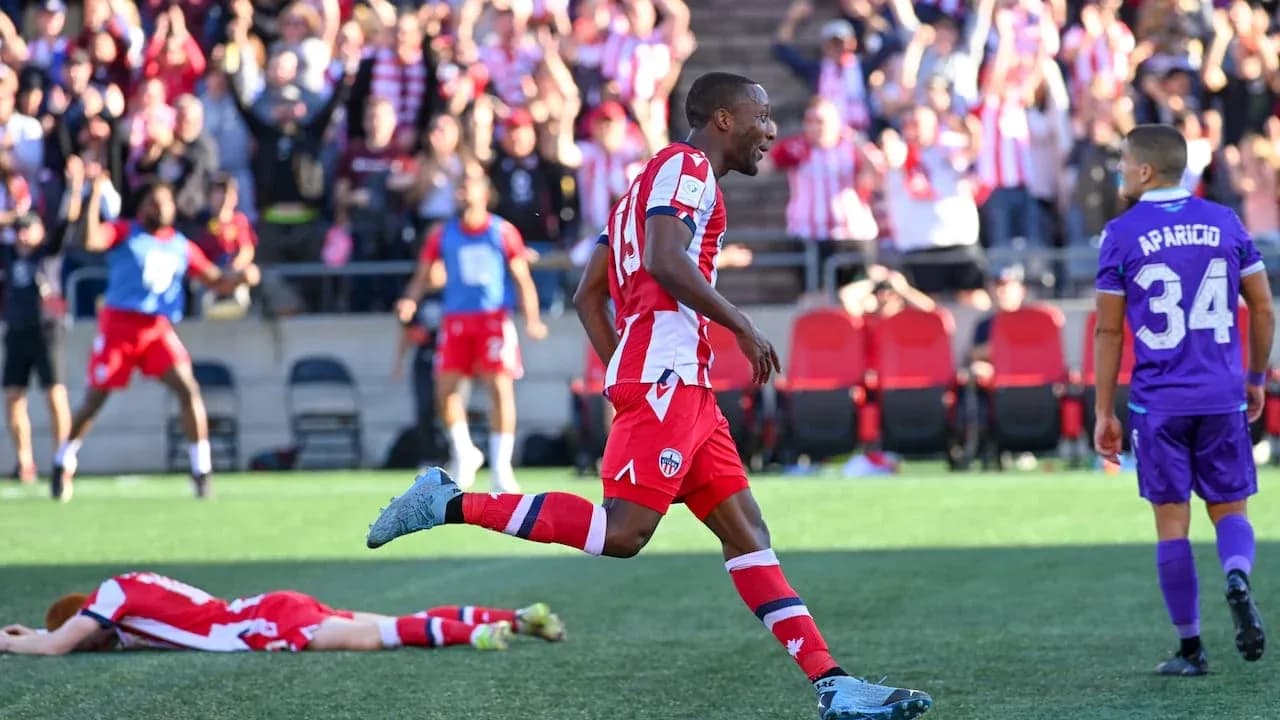
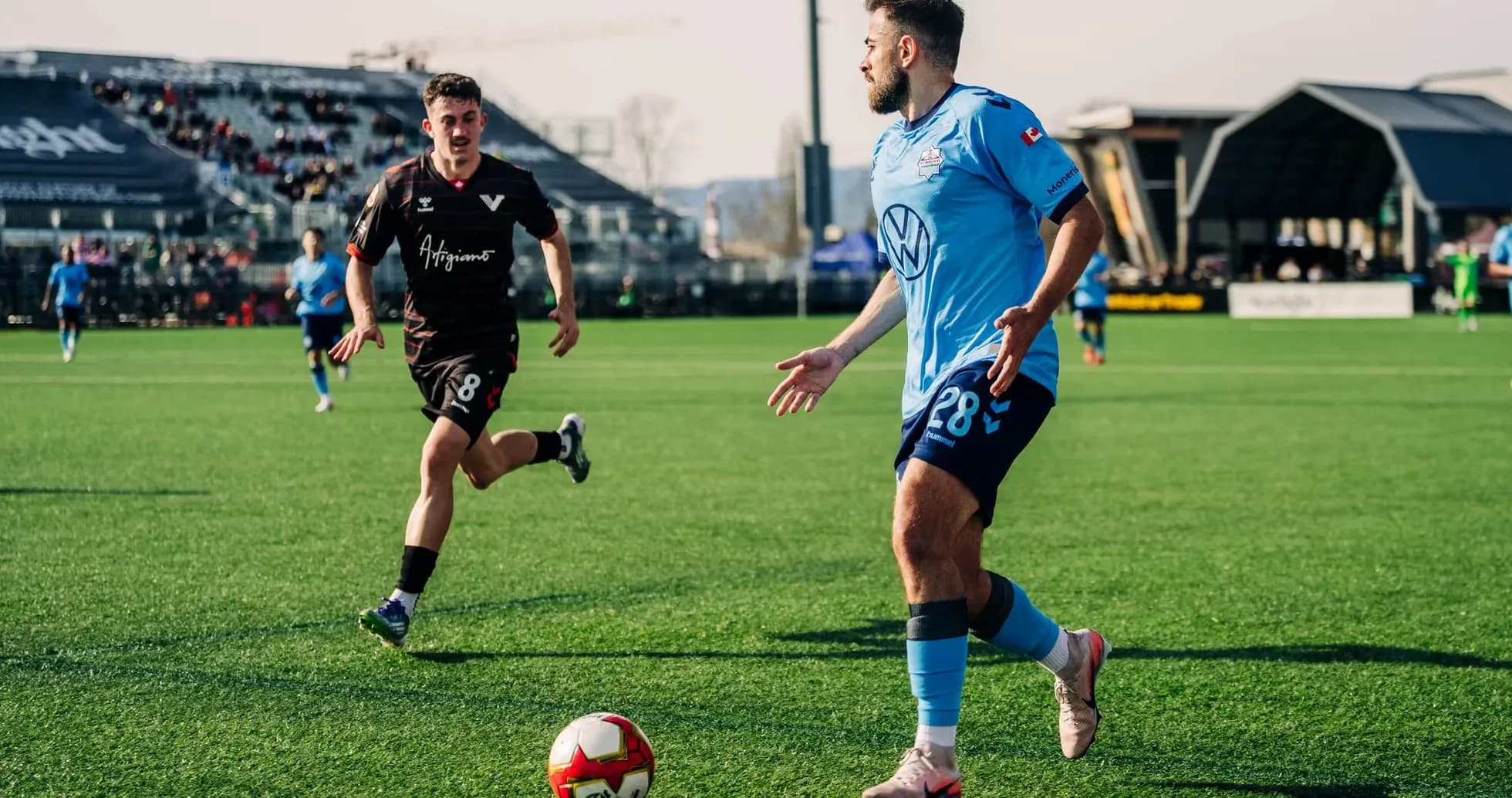
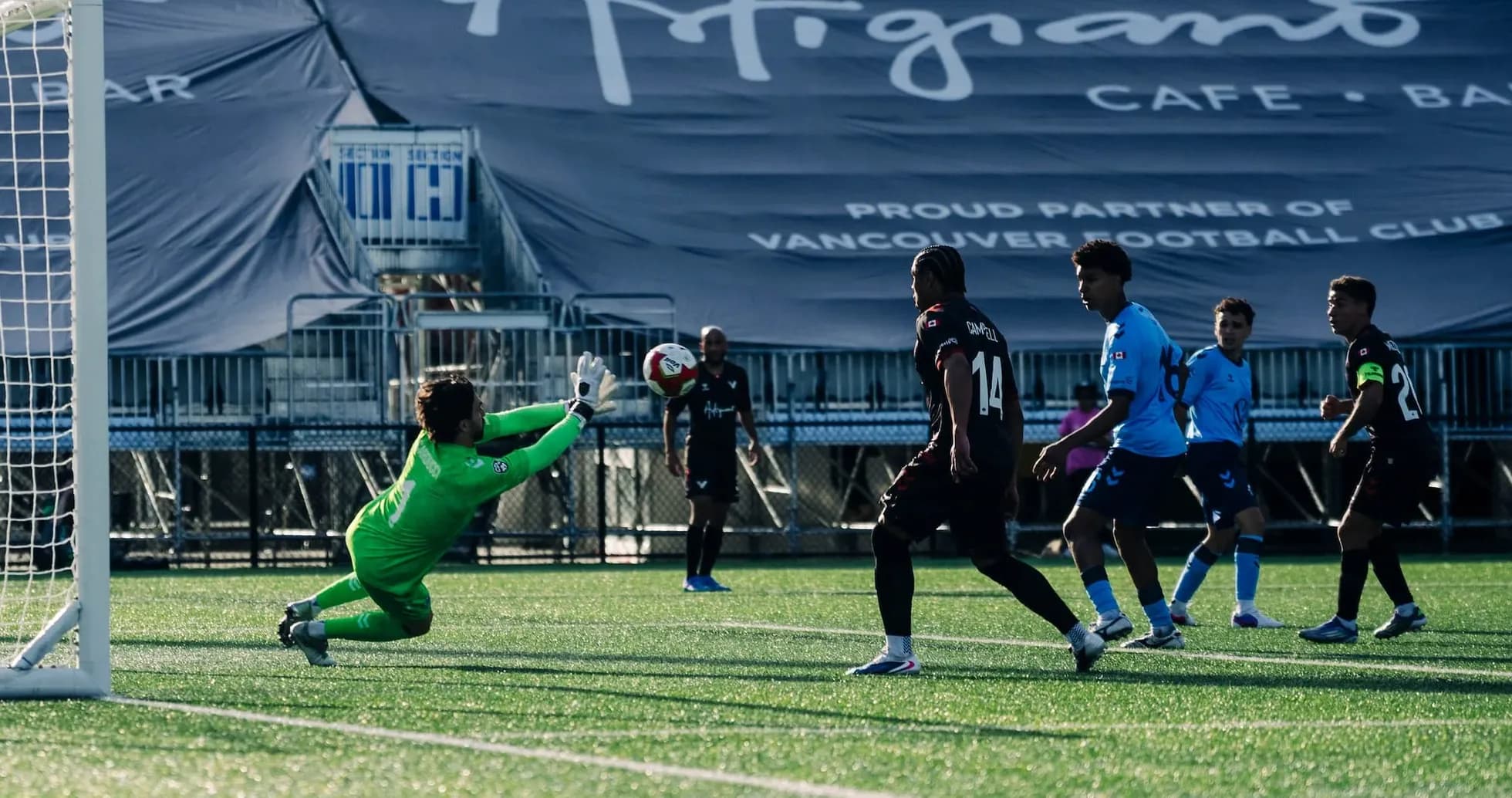
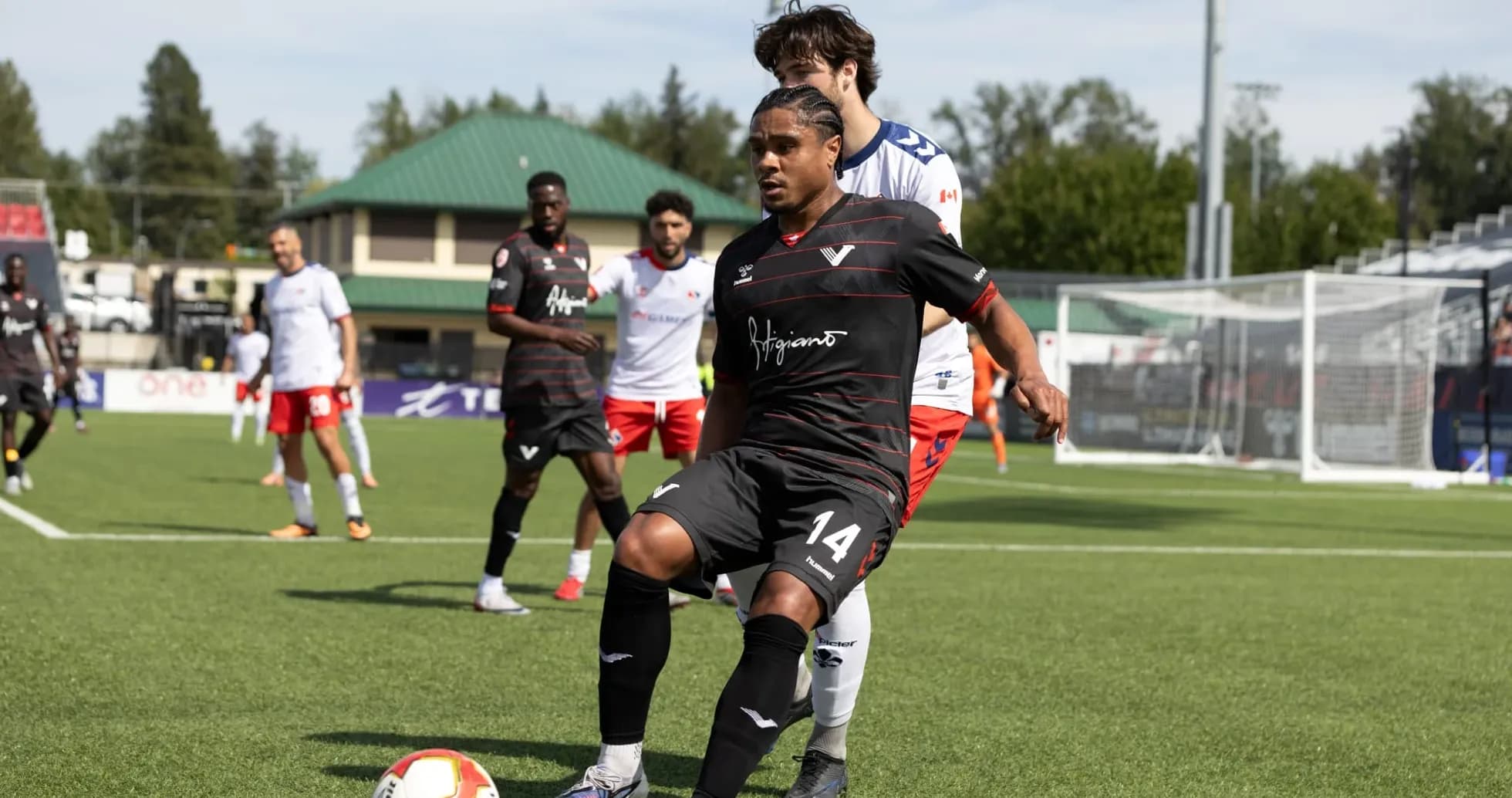
Under the lights at ATCO Field, Cavalry FC turned a top‑versus‑bottom clash into a statement win, sweeping aside Pacific FC 3–0 in Canadian Premier League group-stage action. Heading into this game, the league table had already drawn a sharp contrast: Cavalry sat 1st with 17 points from 7 matches, unbeaten with 5 wins and a goal difference of 9, while Pacific arrived in Calgary rooted to 8th, with just 1 point and a goal difference of -9 after 7 outings.
The numbers framed the narrative. Overall this campaign, Cavalry had scored 12 and conceded 3, a defensive record built on control and concentration. At home, they had been even more ruthless: 7 goals for and only 2 against across 3 fixtures, averaging 2.3 goals for and 0.7 against at ATCO Field. Pacific, by contrast, were a side in free fall. Overall they had 6 goals for and 15 against; on their travels they had scored 2 and conceded 5 in 2 matches, averaging 1.0 goal for and 2.5 against away.
The 3–0 scoreline in Calgary did not come out of nowhere; it felt like the logical extension of both teams’ seasonal DNA. Cavalry’s win extended an already impressive form line (WWDDWWW in all league fixtures), while Pacific’s struggles (LLDLLLL) deepened into something more systemic.
Tactical Voids and Discipline
With no official list of absentees provided, both coaches leaned heavily on their core groups. Tommy Wheeldon sent out a Cavalry XI built around a stable defensive spine: goalkeeper N. Ingham behind a back line that included A. Pearlman, D. Klomp and L. Laing, with the creative axis of S. Camargo and the wide threat of G. Ntignee supporting centre-forward T. Warschewski.
James Merriman’s Pacific side, meanwhile, featured E. Himaras in goal, a defensive unit anchored by top‑rated centre-back D. Konincks and the tall presence of J. Belluz, with C. Greco‑Taylor also starting. Higher up, the responsibility fell on the likes of J. Heard, T. Gomulka and A. Daniels, while R. Kratt and Y. R. Toualy offered running lanes, and the bench held attacking options such as A. Díaz and Bul Juach.
Discipline was always going to be a sub‑plot. Heading into this game, Cavalry’s yellow cards tended to spike after the break, with 26.67% of their cautions arriving between 61–75 minutes and another 20.00% from 76–90. Pacific’s profile was even more volatile: 28.57% of their yellows came between 61–75 minutes, while a remarkable 42.86% were shown in the 91–105 window, reflecting late‑game frustration and fatigue. On the red‑card front, Pacific were already walking a tightrope, with J. Heard having been sent off once this season and Belluz carrying a yellow‑plus‑second‑yellow record. For Cavalry, Pearlman’s presence on both the yellow‑ and red‑card leaderboards underlined his combative style, even if he had not yet seen a straight dismissal.
This disciplinary backdrop informed the match tempo. Cavalry could afford to press and provoke duels knowing they had depth and control, while Pacific had to balance aggression with the risk of once again finishing with fewer than eleven.
Key Matchups
Hunter vs Shield
The headline duel was always going to involve Cavalry’s leading scorer, Tobias Warschewski. Heading into this game, he had 2 goals from 6 appearances, 12 shots with 7 on target, and a penalty record of 1 scored from 1 taken. His role as the spearhead in Cavalry’s 4‑2‑3‑1 or 4‑4‑2 shapes made him the “hunter” in this narrative.
Opposite him stood Pacific’s “shield”: a back line whose season had been anything but secure. Overall, Pacific had conceded 15 goals in 7 matches, and away from home they were allowing an average of 2.5 goals per game. Yet within that troubled unit, there was a standout: centre-back Diego Konincks. With a rating of 7.27, 173 passes at 90% accuracy, 4 tackles, 1 blocked shot and 5 interceptions, Konincks was the one defender in purple who combined composure with bite.
Warschewski’s movement between the lines, supported by the dribbling threat of Ntignee (21 attempts, 10 successful) and the late‑arriving runs of H. Paton, asked constant questions of Pacific’s central pairing. For Belluz and Konincks, the challenge was not only to win duels but to manage the spaces between them, especially in the dangerous 61–90 window where Cavalry’s attack historically surges: 25.00% of their goals had come between 61–75 minutes and another 25.00% from 76–90.
Engine Room
If the box‑to‑box battle had a face, it was Harrison Paton for Cavalry against a rotating Pacific midfield anchored by T. Gomulka and supported by players like R. Juhmi off the bench. Paton entered the match as one of the league’s most complete midfielders: 1 goal, 126 passes at 85% accuracy, 10 tackles and 40 duels contested, winning 20. His yellow‑card tally of 2 underscored his edge in the challenge.
On the flanks and between the lines, Sergio Camargo added guile. His 129 passes at 81% accuracy and 8 dribble attempts (5 successful) made him the link‑man between Cavalry’s double pivot and the front line. Behind them, Pearlman’s 11 tackles and 1 blocked shot gave Cavalry a defender willing to step into midfield and break Pacific’s rhythm.
For Pacific, J. Heard brought energy but also risk, given his existing red card this season, while Juhmi’s 5 tackles and 4 interceptions from limited minutes hinted at a player capable of disrupting Cavalry’s passing lanes. Yet the structural issue remained: Pacific’s midfield often had to firefight in front of a back line that was already under siege.
Statistical Prognosis
Following this result, the numbers tell of a gulf that is tactical as much as it is psychological. Cavalry’s overall goal difference of 9 before kick‑off had been built on a platform of 1.7 goals scored and only 0.4 conceded per game. Their late‑game scoring spikes between 61–90 minutes meshed perfectly with Pacific’s tendency to unravel as matches wore on, especially in the final quarter‑hour.
Pacific, by contrast, were conceding 2.1 goals per game overall and had yet to keep a clean sheet. Their attack, averaging 0.9 goals per game, lacked the volume and variety to threaten a defence marshalled by Klomp and Didic, with Laing offering athletic cover and Ingham a secure last line.
In xG terms, the profiles suggest a Cavalry side that consistently generates high‑value chances—reflected in their under/over splits, with 4 of 7 matches finishing over 1.5 goals for them—against a Pacific team that allows frequent, good‑quality opportunities and rarely shuts the door. The 3–0 in Calgary fits that pattern: Cavalry’s multi‑phase threat, from early combinations to late surges, overwhelmed a Pacific side still searching for balance and belief.
The tactical verdict is stark. Cavalry look every inch a playoff‑bound, semi‑final‑calibre team, their structure and discipline underpinning their attacking fluency. Pacific, meanwhile, remain trapped in a cycle where defensive frailty and late‑game indiscipline undermine any attacking promise. Until Merriman can tighten the spaces around Konincks and recalibrate the midfield screen, fixtures like this will continue to tilt decisively in favour of the league leaders.