Atlético Ottawa Triumphs Over Forge in Tactical Showdown
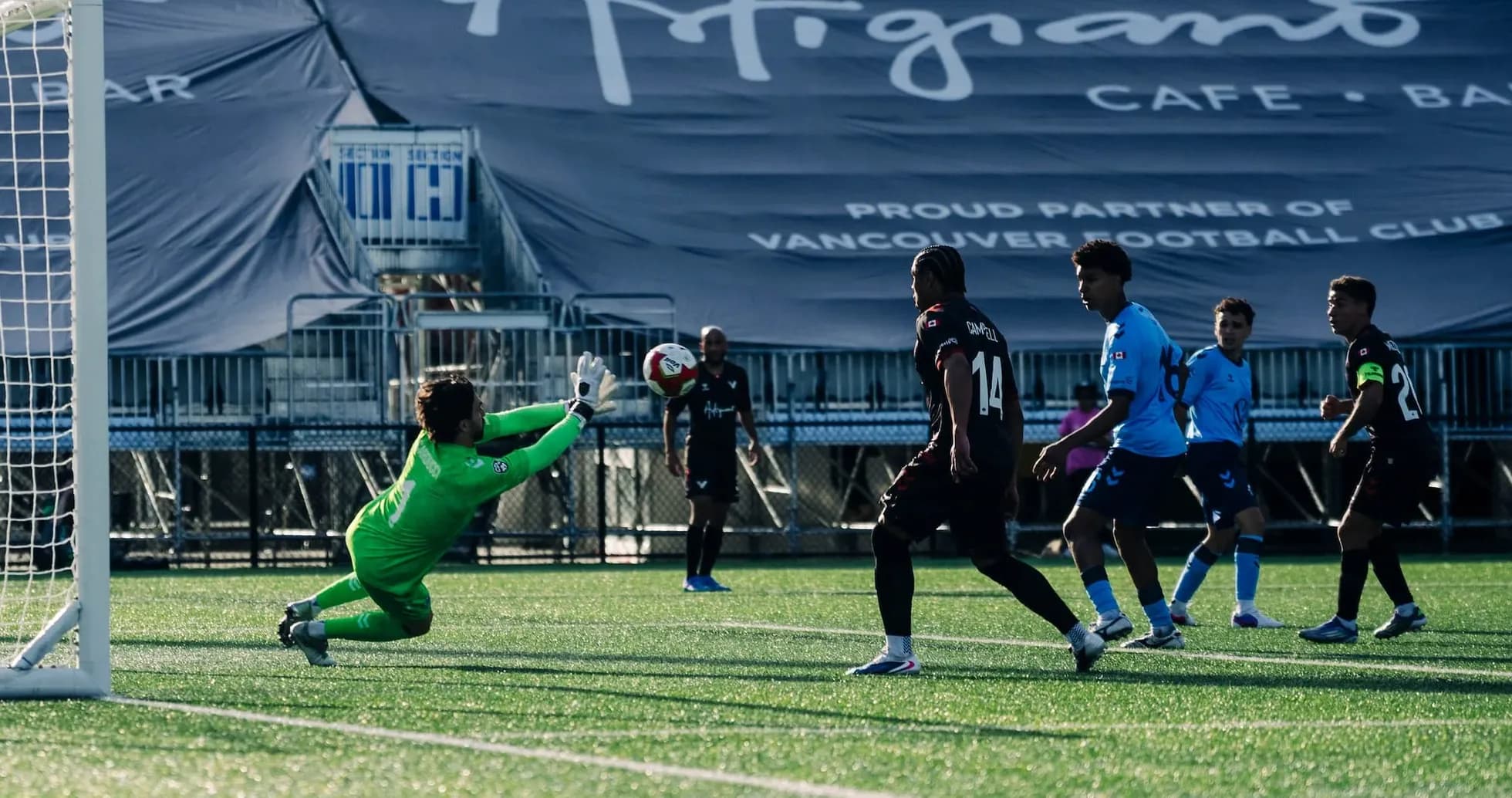
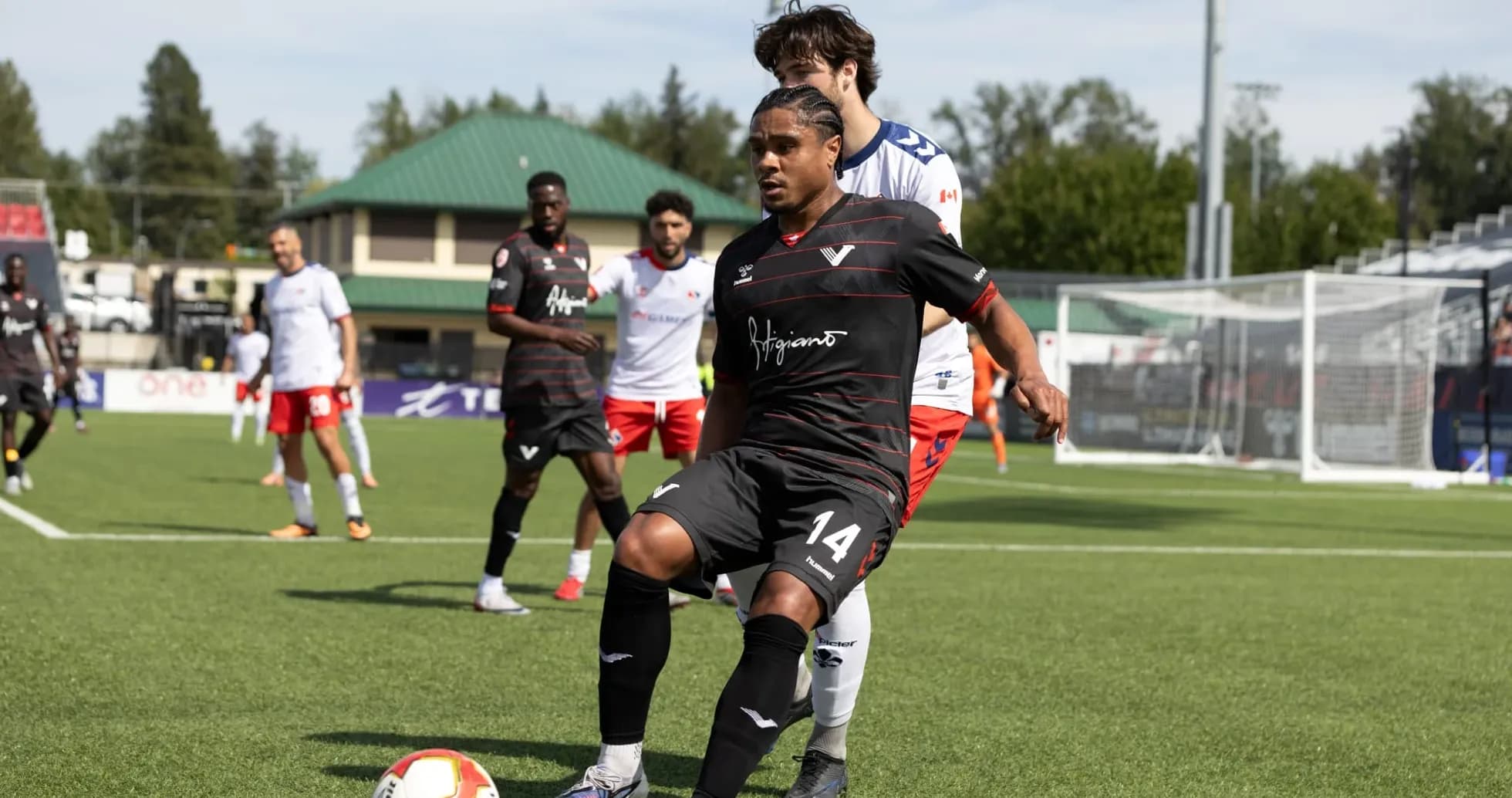
Under the late afternoon light at TD Place Stadium, this Group Stage meeting in the Canadian Premier League finished with a narrow but telling twist: Atlético Ottawa 2, Forge 1 after 90 minutes under the watch of referee F. Stasolla. Following this result, a clash that had looked, on paper, like a test of Ottawa’s resilience against one of the league’s most balanced sides turned into a statement about how quickly a squad’s tactical identity can harden at home.
Pre-Match Context
Heading into this game, the standings framed the narrative clearly. Forge sat 2nd with 16 points, powered by a total goal difference of +6 (9 goals for, 3 against). Their defensive record was the benchmark of the league: overall they had conceded just 0.4 goals per match on average, with a remarkable 0.0 at home and 0.8 on their travels. Atlético Ottawa, by contrast, were 4th with 10 points and a total goal difference of -4 (7 for, 11 against). Yet the split between their performances at home and on their travels told the real story: at home they averaged 1.3 goals for and only 0.7 against, away they slumped to 0.8 scored and 2.3 conceded.
Ottawa's Tactical Setup
That split set the tone for this fixture. Ottawa’s starting XI, led by coach Diego Mejia, leaned into energy and verticality. In T. Crampton they had a young goalkeeper asked to be calm behind a back line featuring R. Mbomio, A. S. Abatneh N., and the card-prone but combative D. Aguilar. Aguilar, who had already collected 2 yellow cards in just 121 league minutes, is emblematic of Ottawa’s edge: aggressive, willing to step out of line, and occasionally living on the disciplinary brink.
Ahead of them, the creative burden fell on M. Aparicio and J. Villal in midfield, with the wide and forward zones entrusted to E. Garcia, G. Antinoro, J. Assi and the mercurial B. Tabla. Aparicio’s profile is fascinating: 180 passes at 82% accuracy, 6 tackles, 1 block and 8 interceptions in the league, but also 3 yellow cards. He is both metronome and risk, the man who dictates tempo and the one most likely to test the referee’s patience. Ottawa’s yellow card distribution this season shows a clear pattern: 30.77% of their cautions have arrived between 46-60 minutes, with another 23.08% in each of the 76-90 and 91-105 ranges. This is a side that emerges from the break with intensity and then leans into chaos late on.
The bench underlined Mejia’s tactical options. W. Timóteo, one of the league’s best-rated defenders, offers calm distribution (80 passes at 83% accuracy) and genuine defensive value: he has already blocked 3 shots this season, a detail that matters when protecting narrow leads. K. Habibullah, with 1 assist in just 39 minutes and a perfect 3 successful dribbles from 3 attempts, is the late-game disruptor, ideal for exploiting tired legs in wide areas.
Forge's Approach
On the other side, Bobby Smyrniotis’ Forge arrived with the aura of a complete machine. Their preferred shapes, 4-2-3-1 and 4-3-3, lean heavily on a secure base and layered possession. The back line of R. Rama, D. Nimick, A. Batisse and M. Jevremovic is built on composure and range. Nimick, in particular, has been one of the league’s standout defenders: 157 passes at 87% accuracy, 4 tackles, 1 blocked shot and 4 interceptions. He is the shield that steps out, wins duels (8 of 11 so far) and then progresses play.
In front of them, the double pivot and midfield engine of B. Paton and A. Aromatario is where Forge normally win games before they are even created. Paton brings 106 passes at 80% accuracy, 14 tackles and 3 interceptions, plus a goal and an assist; Aromatario adds 186 passes at 80%, 11 tackles and 12 interceptions, and is a magnet for contact with 9 fouls drawn and 7 committed. This is the “engine room” battle line: against Aparicio and Villal, Paton and Aromatario were tasked with throttling Ottawa’s transitions and forcing them wide.
Further forward, the “Hunter vs Shield” duel was centred on Brian Wright. With 2 goals in 214 minutes, 7 shots (2 on target) and 1 penalty won and scored, he came into the fixture as one of the league’s more efficient forwards. Forge’s total attacking average of 1.3 goals per match, combined with Ottawa’s total concession rate of 1.6, suggested that Wright would find chances. Yet Ottawa’s home defensive average of just 0.7 conceded hinted at a different reality in front of their own supporters.
Discipline and Tactical Implications
Discipline was always going to be a sub-plot. Forge’s yellow cards cluster between 46-60 minutes (33.33%) and 31-45 and 61-75 (22.22% each), while their only red card this season has come between 46-60. Rama, with 2 yellows and a yellow-red combination already, is a walking pressure point at right-back. For Ottawa, the trio of Aparicio, Aguilar and the combative front line risked drawing Forge into that same dangerous post-interval window.
Following this result, the statistical prognosis tilts subtly in Ottawa’s favour at TD Place. Overall, they still carry a negative goal difference and a modest total scoring rate of 1.0 per match, but at home they now look like a side whose 3-4-3 base can suffocate even the league’s most balanced attack. Forge remain, in total, the more solid defensive unit, yet this 2-1 scoreline is a reminder that their away concession rate of 0.8 is not invulnerable, especially against a side that spikes in intensity immediately after half-time and thrives in late-game turbulence.
As the group stage narrative unfolds, this match will be remembered less as an upset and more as a tactical inflection point: Ottawa confirming that TD Place is a fortress built on disciplined aggression and timely substitutions, Forge discovering that even their elite structure can be bent when the engine room is matched and the Hunter is forced to chase shadows instead of goals.