World Cup Storms and Symbolism: Key Matches and Moments
The World Cup caravan rolled through North America on Sunday with storylines crackling everywhere – on the pitch, in the skies above Philadelphia and even at the turnstiles in Boston.
France–Iraq braced for “apocalyptic” night in Philadelphia
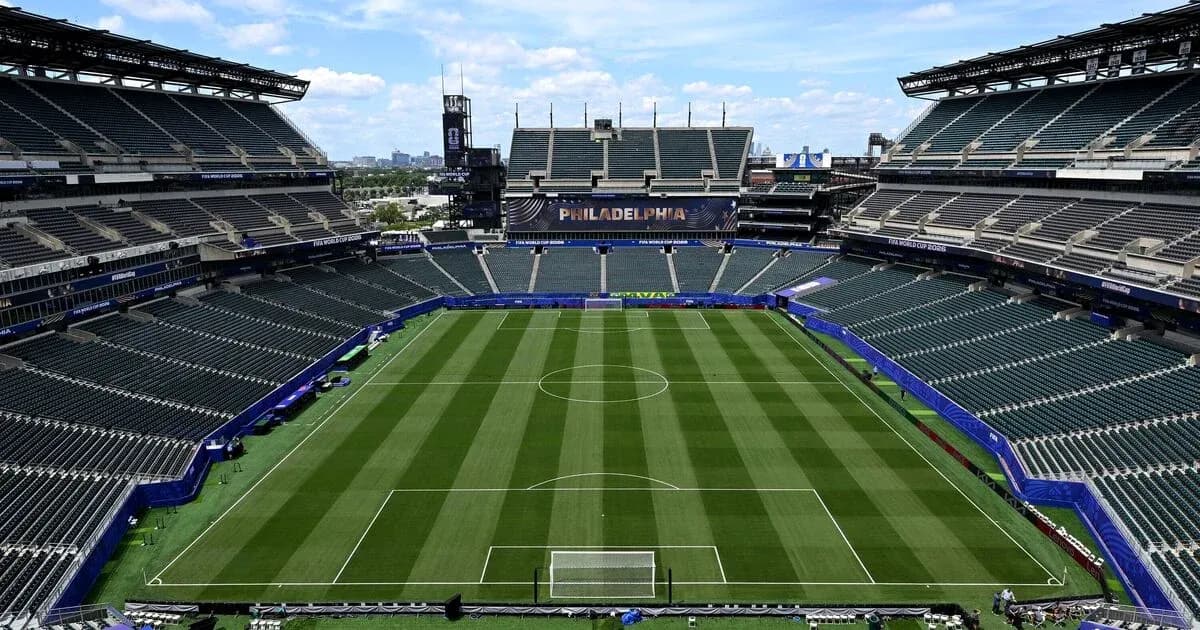
France’s group clash with Iraq in Philadelphia, scheduled for a 10pm kick-off, is staring down the barrel of serious disruption as a vicious weather system bears down on the city.
Local forecasts warn of “apocalyptic” conditions, with several thunderstorms tipped to turn severe, bringing damaging winds, intense lightning and even a risk of isolated tornadoes. Under FIFA protocol, a single lightning strike within eight miles of the stadium will stop the match in its tracks.
At that point, it stops being a football problem and becomes a safety operation.
“They'll start to evacuate the stadium to the main concourse and seek emergency shelter,” explained Lauren Lambrugo, chief operating officer of Philadelphia Soccer 2026. “And then it has to wait 30 minutes prior to them bringing everybody back on the field.”
If the storm cells keep reloading, that 30‑minute clock keeps resetting. A marquee World Cup fixture could yet be reduced to a waiting game.
Egypt finally arrive on the World Cup stage
While Philadelphia watched the skies, Vancouver watched history.
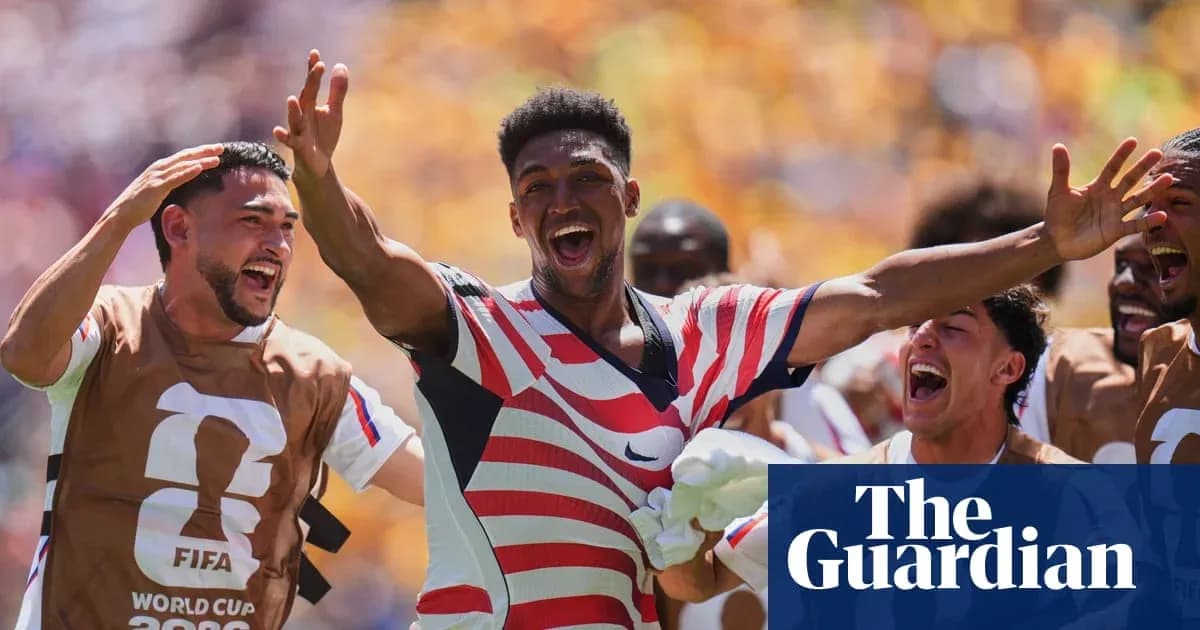
Egypt, so often present but never victorious on this stage, finally broke their World Cup hoodoo with a 3-1 comeback win over New Zealand – a night that will live with a generation of Egyptian fans.
It began badly. Finn Surman’s towering first-half header, the kind you see in coaching manuals, put New Zealand in front and left Mohamed Salah staring at another grim chapter in the Pharaohs’ World Cup story.
Then the second half detonated.
Ziko dragged Egypt level just before the hour, reward for a spell of one-way traffic. The equaliser changed the air in the stadium. New Zealand, composed and tidy before the break, suddenly looked stretched.
The pressure told. Salah, inevitably, stepped through the door he’s been rattling for years at this tournament. A neat one-two, a low finish, and Egypt were not just back in the game – they were in charge.
Trezeguet’s third, a crisp strike to make it 3-1, turned a nervy chase into a procession. New Zealand, who had that elusive first win in their hands at half-time, were left still waiting after a ninth World Cup match without victory.
In Vancouver’s streets, the celebrations underlined what it meant. Footage showed Salah, the former Liverpool talisman, singing and dancing among fans, soaking in a milestone his country had chased for decades.
Cape Verde refuse to blink against Uruguay
Hundreds of miles away in Miami, Cape Verde’s debut tournament continued to defy the scriptwriters.
They went toe-to-toe with Uruguay and walked away with a 2-2 draw that could easily have been more. For a nation new to this stage, they are playing like they’ve been here for years.
Kevin Pina lit the touchpaper with a thunderous free-kick from around 30 yards, a laser that stunned Uruguay and set social media ablaze. Marcelo Bielsa’s side responded with the force of their reputation: a quickfire double flipped the match on its head.
Ronald Araujo levelled, reacting first after a header came back off the post, and then turned provider with a knockdown for Canobbio to slide Uruguay 2-1 ahead. The South Americans looked to have restored order.
Cape Verde refused to accept the script. With Uruguay wobbling, Helio Varela pounced on a defensive calamity, beating the stranded Fernando Muslera to roll the ball into an empty net just three minutes after coming on.
The equaliser capped another fearless display and left Uruguay’s campaign on edge. Bielsa has already seen his squad reportedly fracturing; now the table is doing him no favours either. With two draws from two, Uruguay likely need a result against Spain in their final group game, and even that might not be enough if Cape Verde beat Saudi Arabia.
As it stands, victory for Cape Verde in that parallel fixture would send the tournament newcomers through. Uruguay, missing Giorgian de Arrascaeta and Ronald Araujo through injury for at least the rest of the group stage, are running out of margin for error.
Spain reassert authority, Yamal makes his mark
Spain, by contrast, found exactly the performance they needed.
Stung by a goalless stalemate against Cape Verde, the European champions ripped into Saudi Arabia in Atlanta, racing into a 3-0 lead and cruising to a 4-0 victory that never looked in doubt.
The transformation had a familiar catalyst. Lamine Yamal returned to the starting XI and instantly shifted the mood. Within minutes, Mikel Oyarzabal slid a teasing ball across the box and Yamal arrived to tap in his first World Cup goal.
Spain looked like Spain again – sharp, hungry, ruthless.
Oyarzabal, criticised for his display in the opener, flipped the narrative with two goals of his own before the first hydration break. A tidy finish from close range, then another to make it three and effectively kill the contest inside 25 minutes.
After the interval, the intensity eased but the scoreboard did not. Marc Cucurella’s effort forced an own goal from Hassan Al Tambakti, the eighth own goal of these finals, to seal a 4-0 rout. A late fifth was chalked off for offside after a lengthy VAR review, but the damage was already done.
For Yamal, it was a landmark night. “It's special,” he told DAZN. He spoke of watching the last World Cup in class at school and now, at the first time of asking, scoring at one. The arc of his career feels like it’s only just begun.
Spain now have one foot in the knockouts. The question is no longer whether they’ll get there, but how far this blend of established champions and fearless youth can go.
Belgium and Iran share frustration in Los Angeles
Not every match delivered fireworks.
In Los Angeles, Belgium and Iran trudged off after a 0-0 draw that left both on two points from two games in Group G and left Roy Keane unimpressed.
On ITV duty, the former Ireland captain didn’t bother sugar-coating it. He described the standard of passing, movement and decision-making as “rubbish” and suggested Iran, paradoxically, coped better when they had less of the ball.
There were flashes. Mehdi Taremi thought he had given Iran the lead, only for VAR to rule him offside. Belgium threatened late, Maxim De Cuyper spurning a clear opening with a tame first-time effort straight at Alireza Beiranvand.
Drama did arrive, but not the kind either coach wanted. Nathan Ngoy saw red for denying Taremi a clear goalscoring opportunity just past halfway, a dismissal confirmed by VAR. Reduced to ten men, Belgium still carved out chances in a frantic goalmouth scramble, yet Iran’s defenders hurled themselves at everything to preserve the stalemate.
The draw leaves both sides walking a tightrope heading into their final group fixtures: Belgium face New Zealand, Iran meet Egypt. There is little room left for missteps.
Anthem boos and a divided Iran
Iran’s football remains entangled with politics off the pitch.
The national anthem was booed for a second successive World Cup match, a soundtrack to a team caught between competing expectations at home and abroad. Captain Alireza Jahanbakhsh tried to steer the conversation back towards unity and performance.
He spoke of playing for “all the Iranians in Iran, outside Iran, with whatever ideology, whatever preferences they have,” stressing that the team’s job is to “put our heart on the pitch” and make people happy, regardless of their views.
Outside the stadiums, dissenting voices are making themselves heard. Iranian supporters in Los Angeles have used the World Cup as a platform, calling for political change and insisting the national team does not represent them. For Iran, every match in this tournament carries a weight far beyond the scoreline.
England: flags, fitness and firm lines
England’s camp, based in Kansas City and heading to Boston for their clash with Ghana, has been juggling issues of a very different kind.
The Football Association found itself dealing with a flag controversy after an England banner featuring a submarine was refused entry to the opener against Croatia. FIFA’s regulations on military imagery are clear, and the flag fell foul of those rules. Barrow FC, whose imagery inspired the design, responded with a tongue-in-cheek post blurring out the submarine.
On the pitch, there was better news. Bukayo Saka trained fully on Sunday, easing fears over his Achilles problem and handing Thomas Tuchel a welcome selection headache. The Arsenal winger, who has been managing the issue during his club’s title run-in, sat out Saturday’s group session but joined the closed workout ahead of Tuesday’s game.
Tuchel had suggested he might hold Saka back until the final group fixture against Panama. Now, with the winger adamant he is fit and England able to qualify with a win over Ghana, the temptation to use him earlier will be hard to resist.
The manager is taking no chances with discipline either. Defender Dan Burn revealed that the squad is operating under a strict curfew, with some players forced to leave a concert early to meet the deadline. Burn, who spent a friends-and-family day with his wife and then attended an Ella Langley country gig in full cowboy attire, joked about the lack of photographic evidence – but the message was clear: Tuchel wants control.
Injury concerns linger. Declan Rice remains a doubt after hobbling off against Croatia, while Saka’s workload still needs careful handling. England know a win against Ghana in Boston will not only secure a place in the knockouts but could also lock down top spot. The margin for error is slim; the stakes are high.
Doku’s dilemma and a backlash in Belgium
No player has sat more squarely at the junction of personal life and professional duty this week than Jeremy Doku.
The Manchester City winger missed Belgium’s draw with Iran due to a chest infection, yet the debate around him has centred on his stated desire to leave the World Cup camp for the birth of his first child in July.
“It’s my first child, so I would definitely want to be there,” he said. “If you ask me what I want, my answer is that nobody wants to miss the birth of their first child. But I also know that football involves many other considerations.”
He acknowledged the federation’s support and framed the situation as a conversation rather than a demand: “We’ll see what we can do.”
Not everyone responded with empathy. L’Equipe presenter France Pierron sparked outrage by dismissing the idea of leaving a World Cup as turning down “a truly special moment” to attend what she crudely described as a “disgusting” birth where “the father is useless.” She has since apologised and been suspended, according to reports in France.
Inside the game, there is more understanding. England forward Ollie Watkins, a father of two, backed Doku’s stance.
“It only happens once, your first child,” he said. “Welcoming them into the world is a blessing, and you don't get that opportunity (again). There are a lot of times when you're away from family and friends during the season, and it's a very difficult period, so to miss that would be tough.”
Watkins added: “I don't think it's anyone else's business. If he goes back and does that, that's fair enough.”
The debate won’t vanish overnight. It cuts to the heart of modern football’s demands and the limits of sacrifice, at a tournament where every decision is magnified.
Storms, stakes and the road ahead
So the World Cup rolls on into another day: France waiting to see if lightning lets them play, Uruguay staring down Spain with their campaign on the line, Spain purring again, Egypt finally tasting victory, and England trying to navigate flags, fitness and expectation.
The margins are tightening. The weather is turning wild. The stories are getting sharper.
And somewhere above Philadelphia, the storm clouds are gathering, ready to decide whether one of the tournament’s biggest nights kicks off on time at all.