
United States Dominates Australia with 2–0 Lead at Half
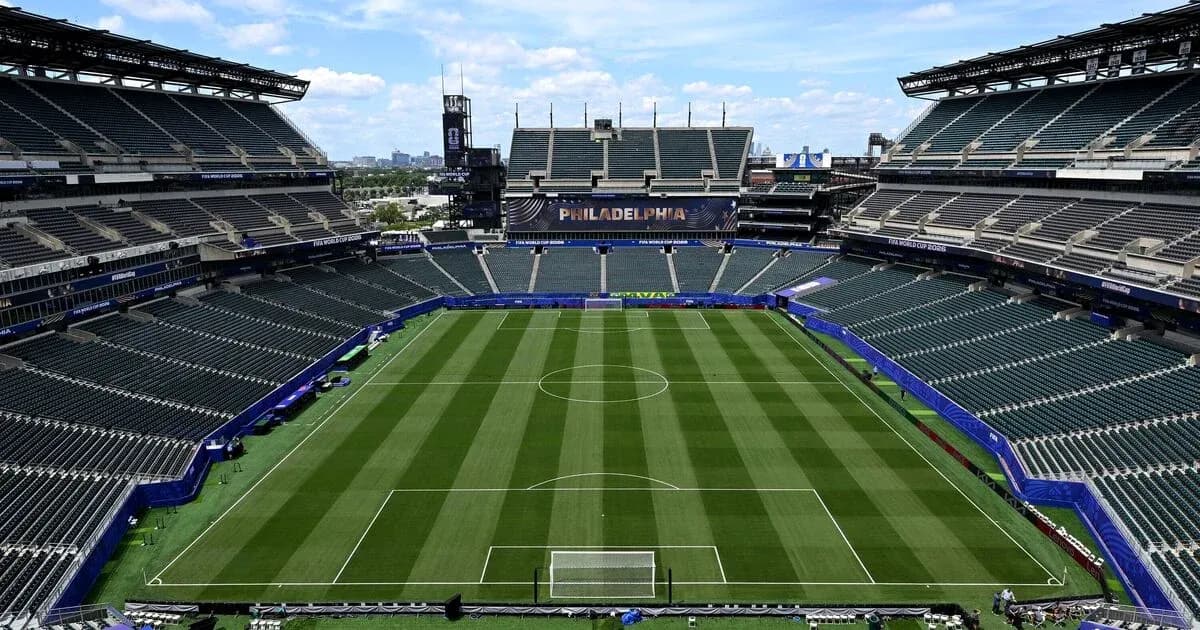
The United States walked into the Lumen Field dressing room with a 2–0 halftime lead over Australia and, more importantly, with the look of a team that believes it belongs at the sharp end of this World Cup.
For 10 minutes, it didn’t feel that way. The opening spell was tight, cagey, both sides trading possession and testing each other’s nerve rather than their goalkeepers. Australia tried to settle into a rhythm, to slow the tempo, to drag the game into something more controlled.
Then the American press bit.
One wave of pressure became two, then three. Australia’s back line started to turn toward its own goal a little more often, touches grew heavier, passing lanes narrower. The U.S. intensity, the constant movement off the ball, began to tilt the pitch.
The breakthrough came in the 11th minute, and it came from that pressure. Folarin Balogun drove dangerously into the box, asking the kind of question defenders hate to answer at full speed. Cameron Burgess got there, but not cleanly, diverting the ball into his own net as he tried to cut out the danger. It went down as an own goal, but it belonged to the relentlessness of Team USA’s front line.
From there, the Americans played like a side that sensed vulnerability.
They attacked down the flanks with purpose, stretching Australia horizontally and forcing the Socceroos’ midfield to chase shadows. Weston McKennie dictated the tempo, snapping into challenges and springing attacks, the kind of midfield performance that sets a tone for everyone behind and ahead of him.
All of this without Christian Pulisic.
If the absence of the injured star threatened to hang over the night, his teammates refused to let it define them. The width, the energy, the willingness to run at defenders – it all kept Australia pinned back and struggling to build anything coherent on the counter.
Australia did find the occasional break, a few forays forward that hinted at danger. But they rarely turned those moments into clear chances. Each time they tried to accelerate, they ran into a wall of white shirts or misfired on the final ball. The pace and aggression of the U.S. made the Socceroos look rushed, uncomfortable, a step off.
The second goal, just before the interval, felt like the natural consequence of that pressure.
Sergino Dest sparked the move, surging into space and igniting another American attack. The ball eventually found Alex Freeman, who finished the sequence by steering it into the net. For a moment, confusion reigned. A deflection off an Australian defender muddied the picture, and players on both sides glanced toward the referee.
VAR stepped in, checked the contact, and confirmed what the U.S. bench already believed. Goal. The roar around Lumen Field told its own story – not just celebration, but the release that comes with validation.
At 2–0, the scoreline matched the pattern of the half.
The United States had imposed its game: high energy, sharp movement, and constant attacking intent down the wings. Australia, forced to absorb and react, rarely escaped the grip of that tempo. The counters they did mount flickered rather than burned, lacking the composure to truly test the American back line.
Now the equation is simple. With a two-goal cushion and control of the midfield, Team USA has carved out a commanding position in this Group D clash. The question for the second half is no longer whether they can hurt Australia.
It’s whether they can turn a statement half into a statement win on the World Cup stage.