Pochettino Balances Loyalty to Argentina and Duty to USA
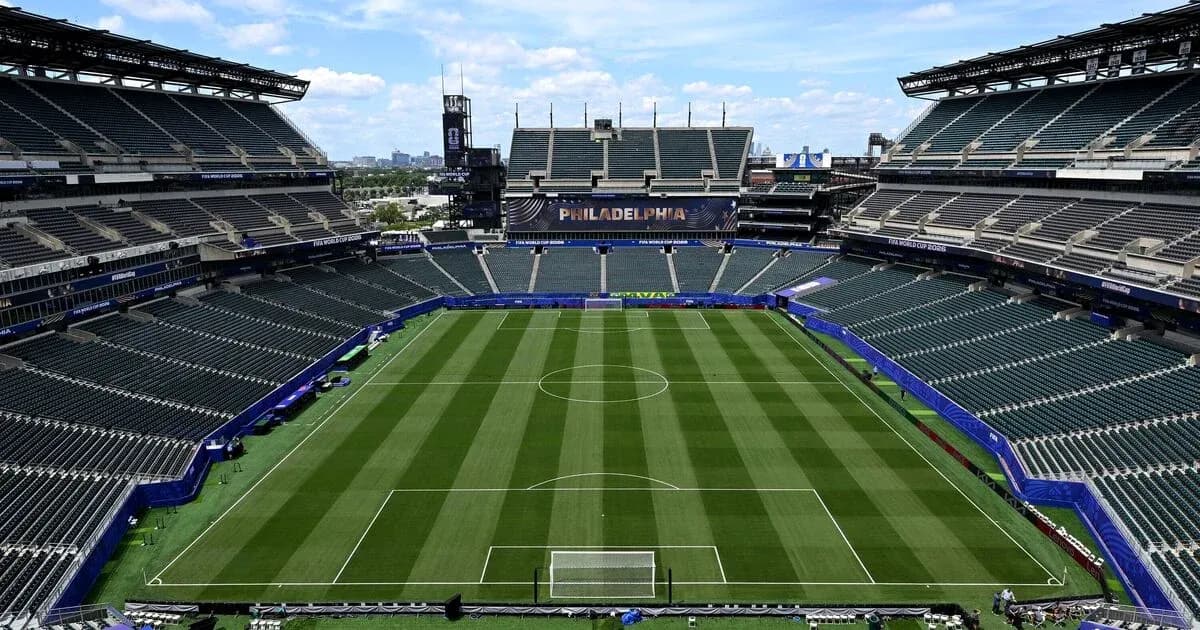
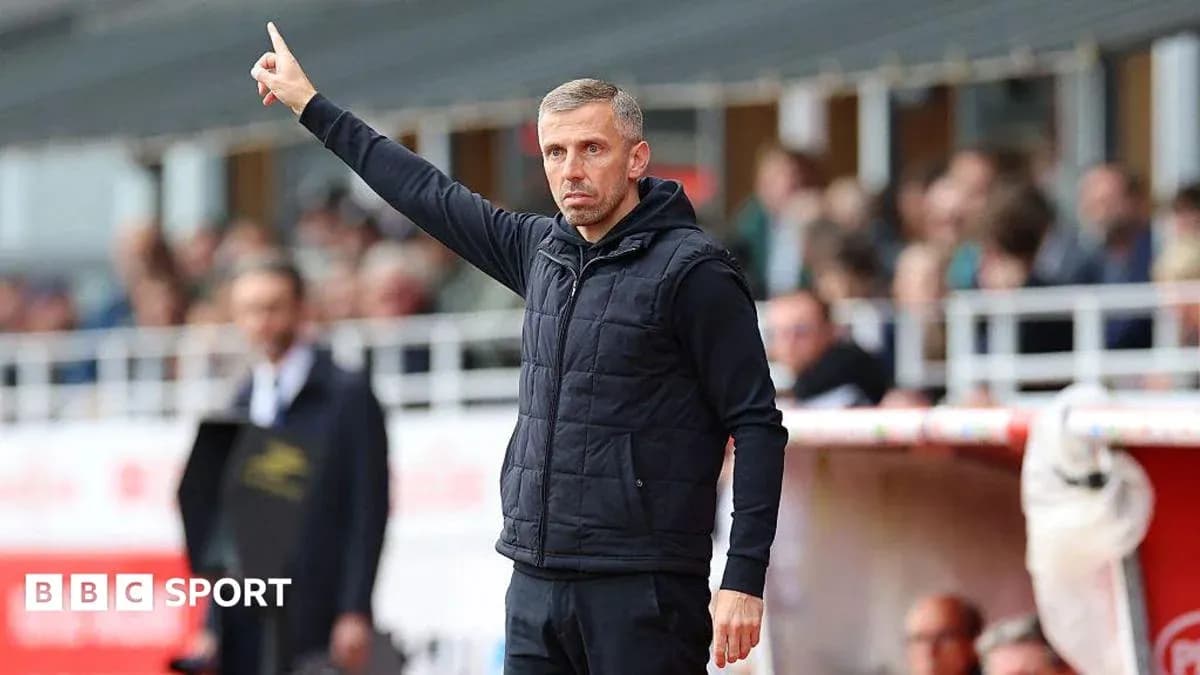
Mauricio Pochettino will walk out at Lumen Field as the face of the U.S. Men’s National Team at this World Cup. But he does so with Argentina still stitched into his identity – and Lionel Messi never far from his thoughts.
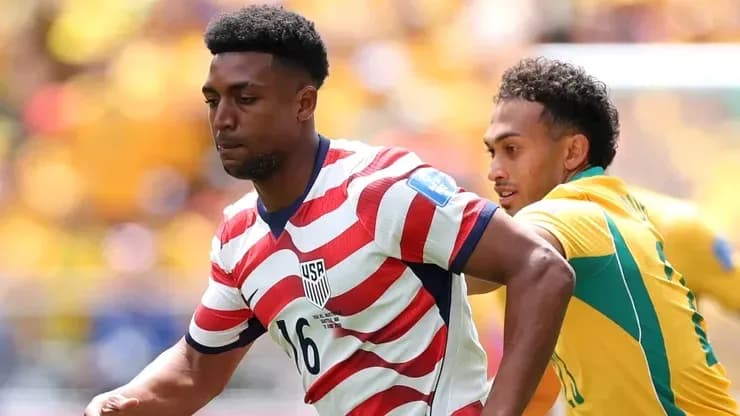
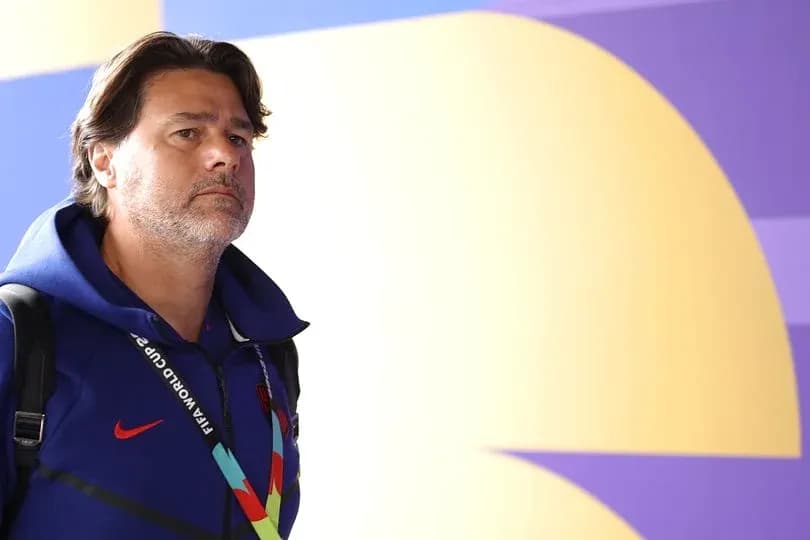
On the eve of the USA’s second Group D game against Australia in Seattle, the 54-year-old head coach cut a thoughtful figure. This was not just about tactics or lineups. It was about loyalty, emotion, and a private family struggle playing out under the harshest public glare.
Pochettino’s split heart
“I am Argentinian, and I really enjoy the performance of Argentina, but I'm going to give my life for the USA,” Pochettino told reporters. No smile. Just a firm statement of intent.
That tension sits at the heart of his World Cup story. A former Argentina international, a man who shared a dressing room with Messi at Paris Saint-Germain, now tasked with leading the United States as it tries to punch above its traditional weight on the biggest stage.
Argentina, the reigning world champions, are again among the favorites. The USA are still chasing their breakthrough moment. Pochettino stands between those worlds, and he knows it.
Messi’s burden, laid bare
In recent days, the conversation around Messi has shifted from goals to grief.
After Argentina’s 3-0 win in their World Cup opener against Algeria, cameras caught the 38-year-old in tears after scoring the first of his three goals. Speculation exploded. Was it just the emotion of another World Cup? Or something darker?
On Thursday, the Messi family broke their silence with a detailed statement about the health of Lionel’s father, Jorge. They condemned the swirl of rumor that followed the Algeria game.
“In response to the versions, rumors, and speculations that have circulated in recent hours, the family wishes to express its deep distress over the lack of sensitivity, respect, and scruples with which some people have treated a strictly private and family situation,” the statement read.
The message was clear: enough.
“The Messi family informs that Jorge is going through a health situation. At this time, he is under medical monitoring, recovering and evolving favorably within the condition he is presenting.
“The family also wishes to clarify that only its closest family members have real and accurate information about Jorge's condition. Therefore, any version, statement, or information that does not come from the family itself and its corresponding channels should not be considered valid or truthful.
“In moments like this, we ask for responsibility, prudence, and humanity. A person's health and the peace of mind of their surroundings should not be the object of speculation or irresponsible media interest.
“We sincerely thank you for the displays of affection, respect, and concern received, and we request that the privacy, confidentiality, and intimacy of Jorge and his entire family be preserved during this process.
“Any relevant updates will be communicated in a timely manner by the family and the corresponding channels. Thank you for your understanding.”
In a tournament obsessed with narratives, this was a reminder that behind every storyline sits a real family, under real strain.
A message from Seattle
Pochettino knows that world well. He worked with Messi at PSG, got to know his circle, saw the human being behind the legend.
So when he was asked about Messi before the USA’s clash with Australia, his answer went well beyond football.
“I think the most important thing is being genuine and honest,” he said. “I think it was amazing to see him. I want to send all my support because it's a difficult situation, family situation. I want to give my support. I know him from Paris and his family. I want to show and send my best wishes for his family.”
No rehearsed soundbite. Just a coach who has lived in the same dressing room as Messi, acknowledging the weight the Argentina captain is carrying into what is likely his final World Cup.
Respect for a champion
When Pochettino speaks about Messi the player, the reverence is absolute.
“I think it's difficult to describe Messi. Six World Cups, all that he achieved in his career, in different clubs, collectively and individually. He's the best. For sure, yes.”
The numbers and medals are already the stuff of mythology. But for Pochettino, this Argentina side is about more than just its star.
“Yes, Argentina is an amazing team. They won the World Cup four years ago. Now, every single player is a world champion. The coach, Lionel, is for me the best coach today in this World Cup. The coaching staff, the staff that I know very well. The fans, amazing. And then with their cherry [on top] with Messi. It's a difficult combination to play against.”
He sounds like a man who still feels part of that footballing culture, even as he prepares to stand in its way if paths cross later in the tournament.
All in with the USA
For now, his battle is here, with the United States.
“But now I am Argentinian, but I am defending the USA, and I'm going to give everything that I have, we have, to make great memories here,” he said.
That is the line Pochettino will walk for as long as this World Cup lasts: Argentinian by birth and sentiment, American by duty and ambition.
Somewhere thousands of miles away, Lionel Messi is carrying his own dual load – the weight of a nation’s expectation and the private worry over his father’s health.
In Seattle, Pochettino can only watch, coach, and compete. The rest, for Argentina and its greatest son, will unfold on a different stage.