Wayne Rooney Criticizes Substitutions During Guardiola's Farewell
Wayne Rooney has seen enough. On a night meant to celebrate Pep Guardiola’s decade of dominance at Manchester City, it was the spectacle around two substitutions – not the football – that lit the fuse.
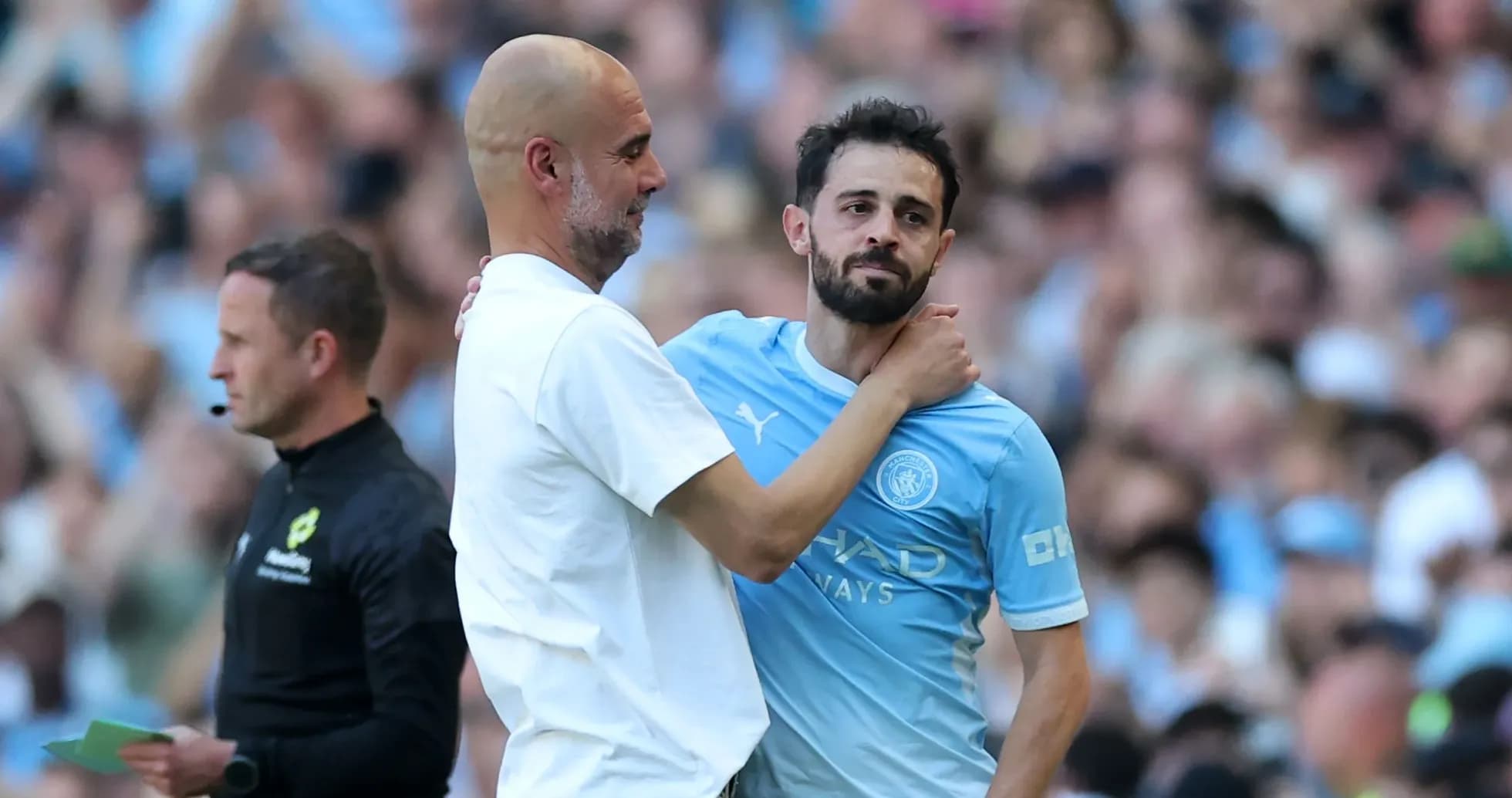
As Bernardo Silva and John Stones were withdrawn in the second half against Aston Villa, play stopped for guards of honour. Not once, but twice. Both sets of players formed corridors of applause, saluting two pillars of the Guardiola era while the match still hung in the balance.
Rooney watched on and bristled.
"It's incredible," he told BBC Match of the Day. "I've seen a few things this season, and it just makes me sad that some of these things are happening in football. Bernardo Silva and John Stones have been incredible for Manchester City and they deserve it, but do it after the game. If I was in that Aston Villa team, I'd be fuming."
Silva departed just before the hour with the score level. The Etihad rose, the players lined up, and the emotion of the occasion briefly swallowed the contest. Around twenty minutes later, the scene played out again for Stones. Another guard, another ovation, another pause in the rhythm of a Premier League game that still carried weight at both ends of the pitch.
For some, it was a beautiful acknowledgement of service. For others, it cut across the very thing that makes elite competition what it is. Critics argued that such ceremonies, staged while Villa still had their league position and European implications in play, chipped away at the integrity of the fixture.
Alan Shearer, rarely shy in calling it as he sees it, sided firmly with Rooney.
"I was surprised that Villa agreed to doing it, particularly with so long left," the former Newcastle United striker said. "I mean, with half an hour, just over half an hour to go with one of the substitutions, so yeah, I'm in Wayne's camp. I'm not a great fan of that while the game is going on."
The context only sharpened the debate. This was not a testimonial. It was the closing chapter of Guardiola’s ten-year rule in Manchester, a period that delivered 20 major trophies and reshaped the standards of English football. The Etihad felt like a stadium caught between eras: part title parade, part farewell tour, part live contest.
On the pitch, Aston Villa ignored the sentiment and went to work.
Antoine Semenyo had given City the lead, a moment that seemed to fit the script of a party controlled by the hosts. But the temperature of the game dropped around those choreographed farewells. The atmosphere turned reflective, almost indulgent. Villa sensed the slackening and stepped into it.
Ollie Watkins, relentless and ruthless, struck twice to flip the result and puncture the mood. His brace delivered a 2-1 victory that silenced the celebrations and underlined just how dangerous it can be to drift from the competitive edge, even for a few minutes.
For Villa, this was not just a footnote to Guardiola’s goodbye. They arrived with their own stakes on the line. Already assured of a Champions League return through their Europa League triumph, they still had the league table to climb. The win nudged them into fourth, ahead of Liverpool, a shift that carried real weight for UEFA coefficient places and, indirectly, for Sporting CP, who were handed safe passage straight into the Champions League group stage.
City, by contrast, will remember the night less for the scoreline and more for the scenes at the final whistle. Guardiola, drained and emotional, admitted he was "so tired" and broke down in tears as he spoke about the bonds forged since 2016. The sight of his players, visibly moved by the departures of Silva and Stones, finally cracked his composure.
The evening became a portrait of a dynasty closing: a manager spent, a squad in tears, a fanbase torn between celebrating the past and worrying about what comes next.
Yet the central argument will not go away. How far can clubs go in honouring their icons while the clock is still running and points are still in play? Where is the line between tribute and theatre?
At the Etihad, amid the confetti and the tears, Aston Villa answered in the only language that really counts at this level: they kept playing.