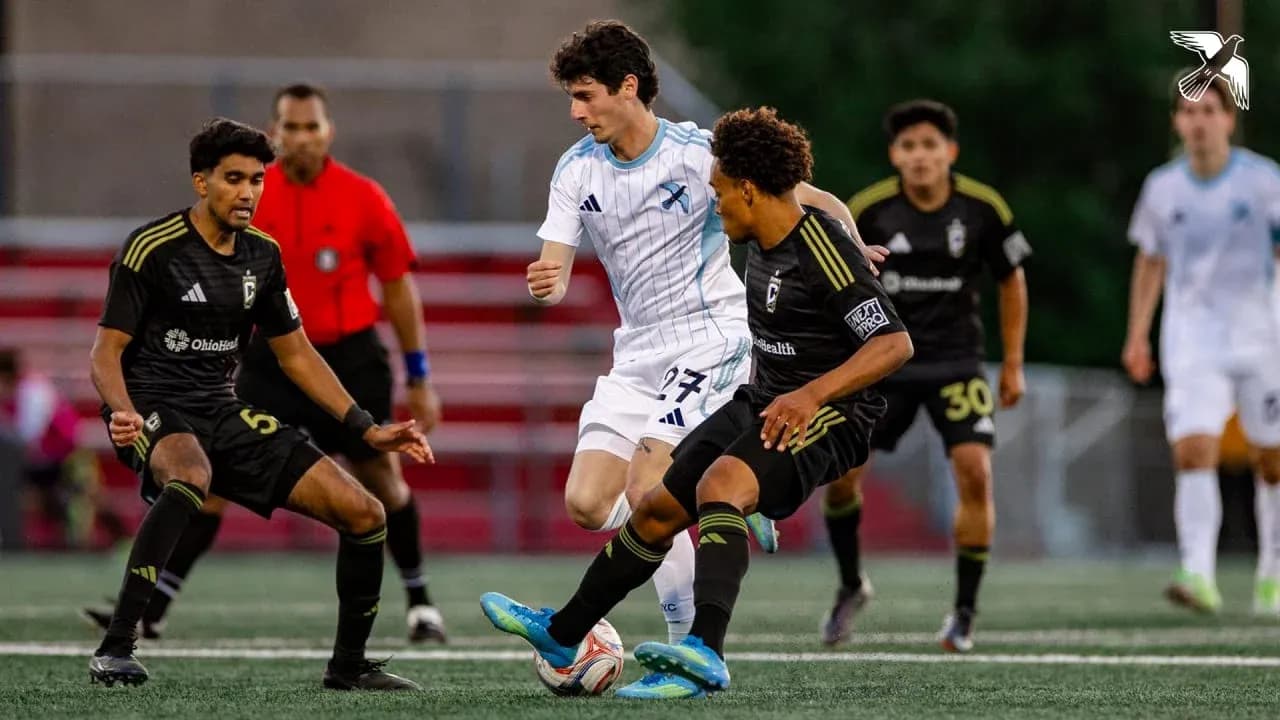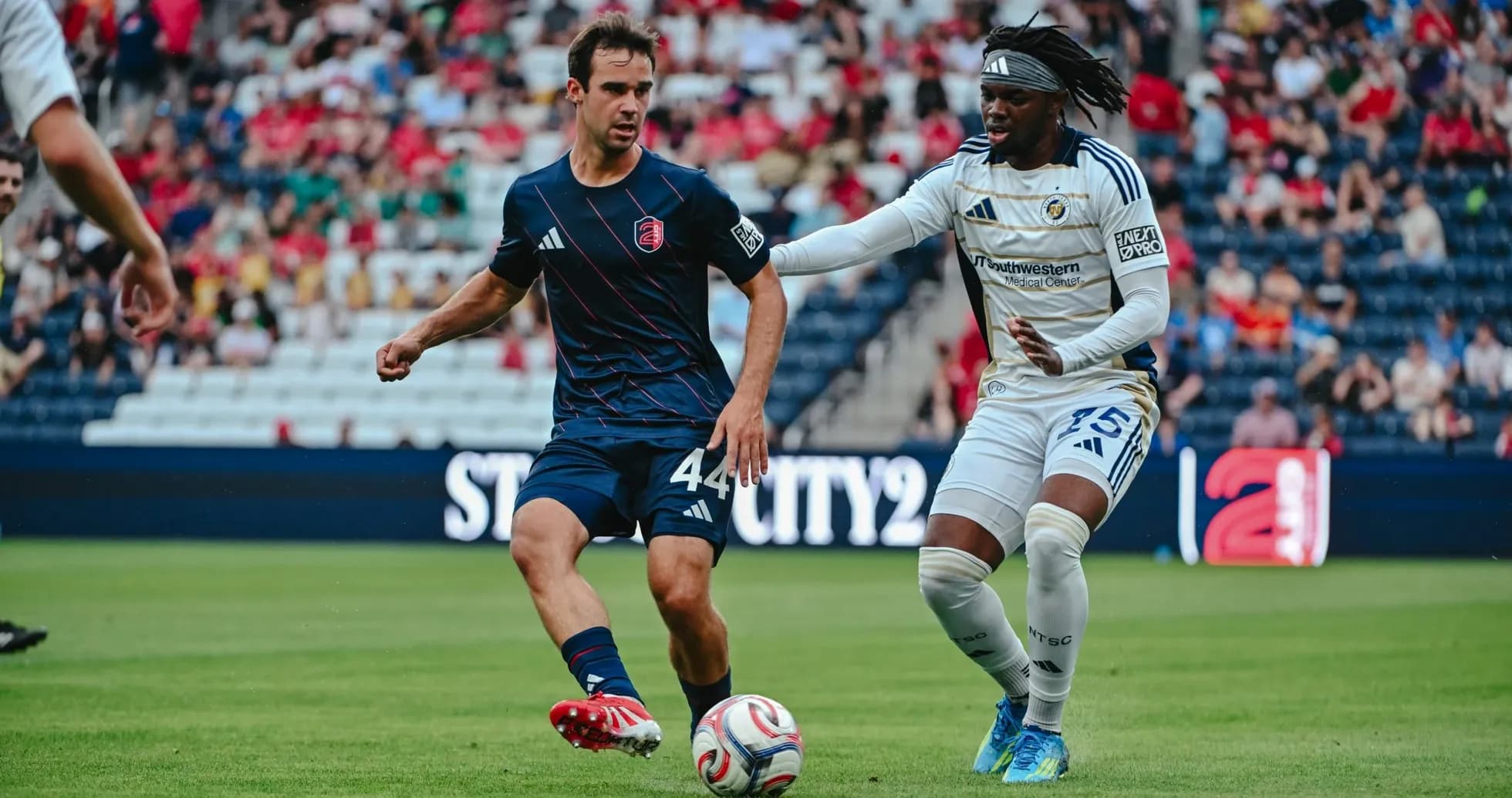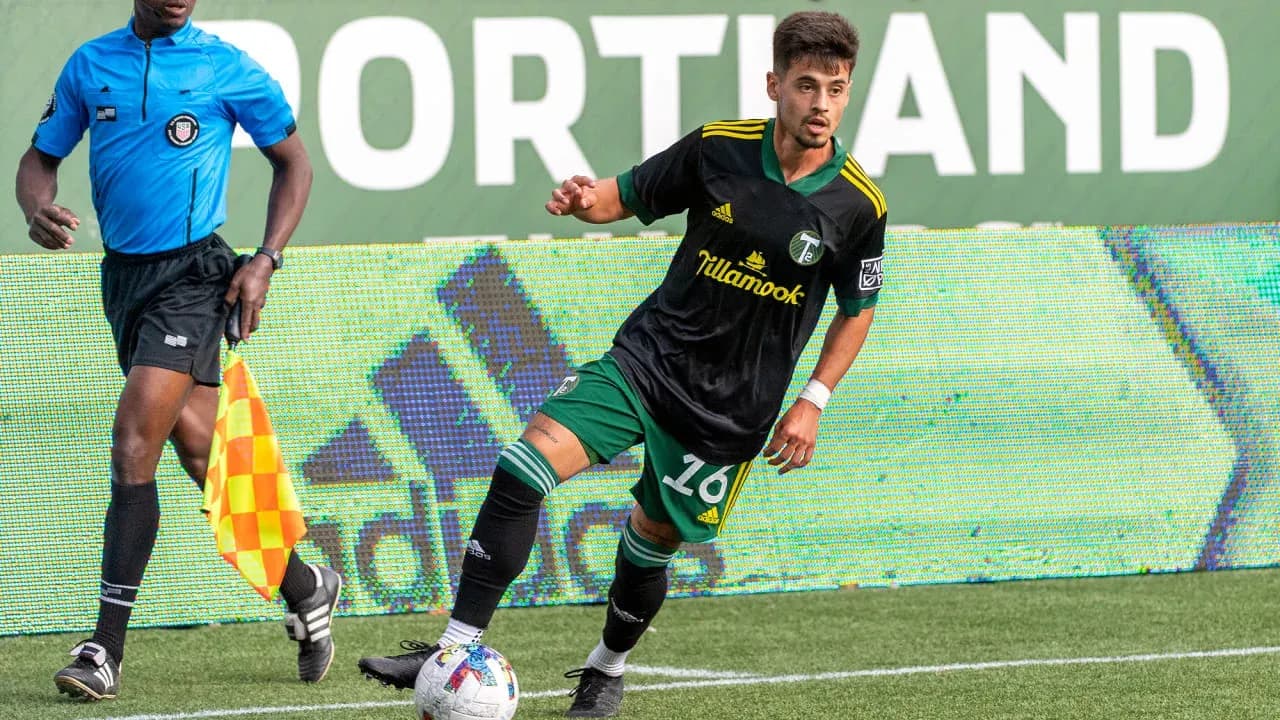
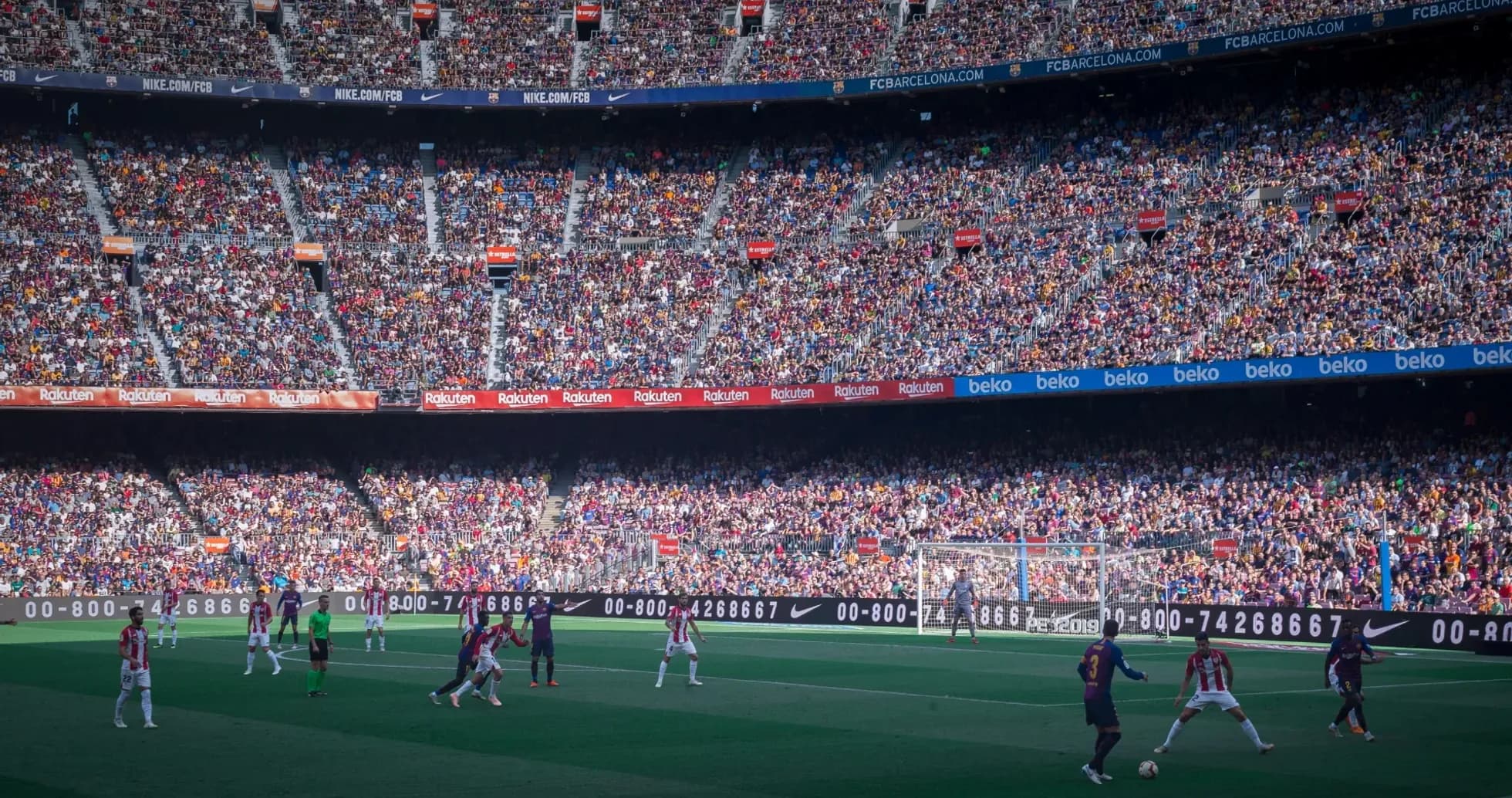
Toronto II Defeats Philadelphia Union II 2-1 in MLS Next Pro Clash
Under the late lights of York Lions Stadium, this MLS Next Pro meeting between Toronto II and Philadelphia Union II unfolded as a clash of two sides whose seasons have been defined by volatility as much as by promise. Following this result, Toronto II’s 2-1 home win not only nudged them further into the Eastern Conference play-off picture, it also reaffirmed their emerging identity: high-variance, front-foot, and increasingly ruthless in key moments. Philadelphia Union II, level on overall record but trailing in the table, left with nothing but more questions about game management and late-game resilience.
Toronto II came into the night with 12 matches behind them, sitting 7th in the Eastern Conference with 19 points and a goal difference of 2, built on 20 goals scored and 18 conceded overall. The pattern is clear: they do not do draws—6 wins, 6 losses—and their attacking output overall has been robust, with 21 goals in total this campaign at an average of 1.8 per match overall, 1.8 at home and 1.7 on their travels. Philadelphia Union II mirrored that knife-edge profile: 6 wins, 6 defeats, 18 points and a goal difference of 2 from 15 goals scored and 13 conceded overall, averaging 1.3 goals for and 1.2 against per match overall. This was always going to be a contest decided by the finer details of structure, timing, and temperament.
Tactical Line-ups
Gianni Cimini’s starting XI for Toronto II was youthful and mobile. Z. Nakhly fronted the side with attacking support from the likes of F. Bank and J. Nolan, while B. Boneau and M. Stojadinovic offered the connective tissue in midfield. At the back, R. Campbell-Dennis, R. Fisher, S. Kapor and M. Chisholm shielded goalkeeper A. Bossenberry. Without a listed formation, the shape had to be read from the profiles: a flexible back line with full-backs encouraged to step high, and a midfield that could tilt the game into the opposition half.
Ryan Richter’s Philadelphia Union II leaned into a similarly developmental core. P. Holbrook anchored the side, with O. Pratt, F. Sundstrom, R. Uzcategui and J. Griffin forming the defensive shell. The midfield and front line, featuring O. Benitez, M. De Paula, K. LeBlanc, M. Jakupovic, W. Ferreira and E. Davis III, suggested a team built to press in bursts and exploit transitions rather than to dominate the ball for long spells.
Key Tactical Insights
The key tactical voids were less about missing names—no official absences were listed—and more about structural fragilities that the season data had already exposed. Toronto II’s defensive minute distribution hinted at a side prone to turbulence after the interval: 26.32% of their goals conceded overall had come in the 46-60' window, with another 31.58% shipped between 76-90'. Philadelphia Union II, for their part, were most vulnerable late, with 33.33% of their overall goals conceded arriving in the final 15 minutes. Disciplinary trends underlined the volatility: Toronto II’s yellow cards spike in the 31-45' and 76-90' ranges (each 23.81%), while Union II scatter bookings more evenly but pick up red cards in the 31-45' and 61-75' windows. This was always likely to be a game that frayed around the edges as fatigue and pressure mounted.
Game Dynamics
The “Hunter vs Shield” duel played out in layered fashion. Toronto II, as a collective attacking unit, have been most dangerous from 61-75' and 76-90', with 26.32% of their goals in each of those ranges overall. That late-game surge ran directly into a Union II defence that concedes 33.33% of its goals between 76-90' overall. Even with the scoreboard reading 1-0 at half-time, the underlying script pointed towards Toronto II growing into the contest, while Philadelphia would need to survive the final quarter-hour with discipline and compactness. They did not.
On the other side, Philadelphia Union II’s own offensive pattern is front-loaded into the middle of each half: 25.00% of their goals overall between 16-30', another 25.00% between 31-45', and 25.00% from 61-75'. That profile matched uncomfortably well with Toronto II’s post-interval wobble, where 26.32% of their overall concessions fall in the 46-60' stretch and 21.05% between 61-75'. The 2-1 final scoreline, with Toronto II leading 1-0 at the break, suggests that while Union II did find a way through, they were unable to fully exploit that structural softness.
Midfield Battle
In the “Engine Room”, the battle between Toronto II’s connective midfielders—Boneau and Stojadinovic in particular—and Union II’s central core of Benitez, De Paula and LeBlanc shaped the flow. Toronto II’s season-long attacking profile, with 52.64% of their goals coming after 60', depends heavily on those midfielders sustaining pressure and recycling second balls. Union II’s own scoring bursts in the 16-45' band demanded that their creators receive early service between the lines; Toronto’s willingness to compress space in the middle third blunted that supply for long stretches.
Substitutions and Impact
Substitutions added another layer of tactical nuance. Cimini had a deep bench of energetic profiles—D. Dixon, D. Barrow, E. Khodri, K. Kerr, E. Omoregbe, S. Pinnock and D. Nue-Brito—capable of injecting pace and pressing intensity to protect or chase a result. Richter’s options were thinner but more targeted: C. Lorent, K. Moore, G. Sequera, N. Hasan and M. Berthe offered fresh legs, yet the broader structural issues in Union II’s late-game defending could not be patched by changes alone.
Statistical Prognosis
From a statistical prognosis perspective, this match broadly aligned with the season-long xG tendencies implied by both teams’ scoring and concession averages. Toronto II, averaging 1.8 goals for and 1.7 against per match overall, live on the edge of high-event football. Philadelphia Union II, at 1.3 for and 1.2 against overall, tend towards slightly tighter contests but share the same binary outcome pattern—no draws, only swings. A 2-1 scoreline sits neatly within that expected band: Toronto II’s attack doing just enough to outstrip a defence that concedes late, and Union II’s own offensive surges insufficient to overcome their fragility in the final phase.
Following this result, Toronto II’s seasonal narrative sharpens: a play-off contender whose ceiling is defined by their late-game attacking punch and whose floor is dictated by lapses around the hour mark. Philadelphia Union II, meanwhile, remain an enigma—capable of bursts of incisive attacking play, but repeatedly undone by the same recurring theme: when the match enters its decisive final act, their structure frays, their discipline wavers, and nights like this one in Toronto slip away.