
Switzerland vs Canada: Battle for Group B Supremacy
On paper, it’s a dead rubber. In reality, there’s a lot riding on Switzerland v Canada in Vancouver.
Both sides are already safely through to the last 32. Not even a 32-0 catastrophe could knock either of them out. But finishing top of Group B is a prize that matters – for pride, for the path ahead, and, in Canada’s case, for something even more tangible: staying home.
Win the group and you remain in Vancouver, with a last‑32 tie against one of the best third‑placed teams and the possibility of a last‑16 game in the same city. Slip to second and it’s bags packed for Los Angeles, and a likely meeting with South Korea, the current favourites to finish runners-up in Group A. One route offers continuity and comfort; the other, turbulence and risk.
Canada know the equation. Their superior goal difference means a draw will be enough to keep them in their own back yard. Switzerland, ranked 17th in the world to Canada’s 29th, will trust their tournament nous and deeper pedigree to drag them past a buoyant host nation that has just rewritten its own history.
Marsch’s moment and Canada’s new identity
Canada arrive riding the shockwaves of a 6-0 demolition of Qatar, their first ever win at a men’s World Cup and the biggest victory by any Concacaf nation at the tournament. It was also the joint-largest win by any World Cup host. Records fell like confetti in Vancouver.
The images that flew around the world focused on Jesse Marsch. The American coach’s hyperactive touchline shuffle after Jonathan David’s first goal, the three-finger, then six-finger salutes to the crowd once the rout was complete – instant meme material. Side-by-side clips of Marsch and Michael Jordan, both holding up six fingers, did the rounds within hours.
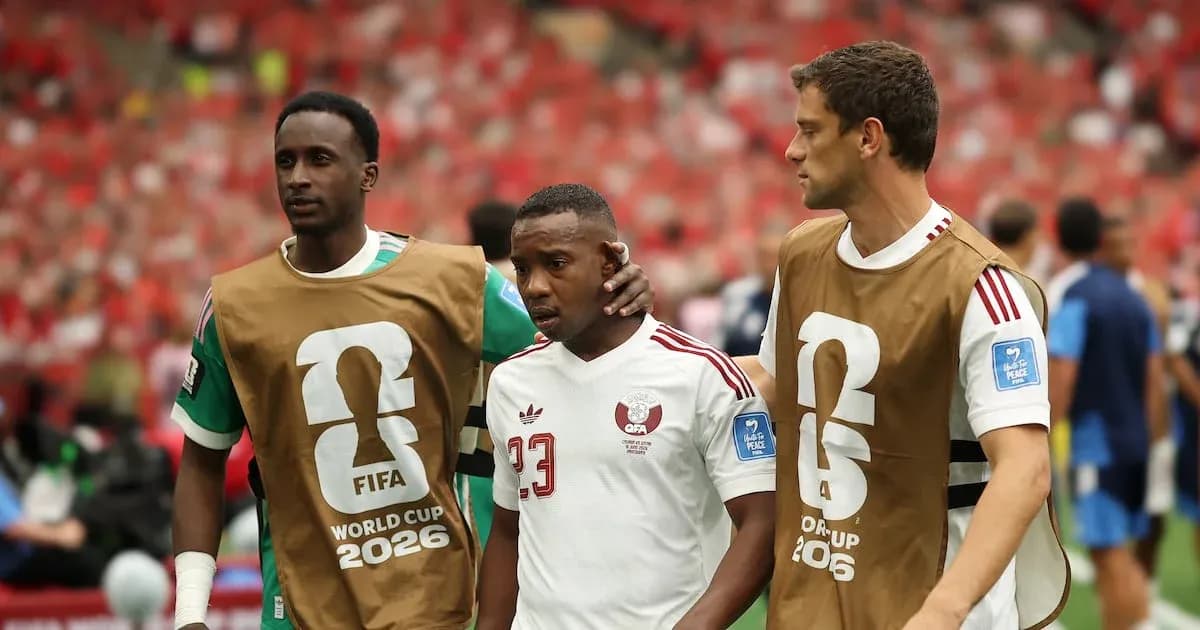
But Marsch framed it differently. For him, this was not just a viral clip but a foundational memory, the kind a football nation builds itself around, especially when it comes laced with pain. Ismaël Koné’s World Cup ended with a broken leg midway through that same afternoon, a horrifying injury that cut through the euphoria.
The result still stood as a marker. Six goals, a clean sheet, a stadium roaring in disbelief at what a “hockey country” had just produced. A statement that Canada have talent, mentality and edge, not just enthusiasm and a home crowd. The sense is clear: this team wants the world to remember that day for the football, not just the memes.
Alphonso Davies waits while Canada reshuffle
That backdrop makes today’s team sheet intriguing. Alphonso Davies, the country’s star attraction, stays on the bench. Marsch resists the temptation to lean on his headline act and instead tweaks his midfield.
Mathieu Choiniere and Nathan Saliba come in for Stephen Eustaquio and the stricken Koné, a double change in the centre of the pitch that shifts the balance of the side. Canada line up in a 4-4-2: Maxime Crepeau behind a back four of Alistair Johnston, James De Fougerolles, Derek Cornelius and Richie Laryea; Tajon Buchanan and Ali Ahmed on the flanks, with Choiniere and Saliba patrolling the middle; Cyle Larin and Jonathan David again paired up front.
The message is bold. No Davies from the start, but no retreat either. Canada will try to win this on their own terms, not simply hang on for the draw their goal difference affords them.
Switzerland rotate, but keep their cutting edge
Across the halfway line, Switzerland also arrive on a high. Their 4-1 win over Bosnia and Herzegovina only truly exploded into life in the final quarter, when Johan Manzambi and Ruben Vargas came off the bench and tore through a tiring defence.
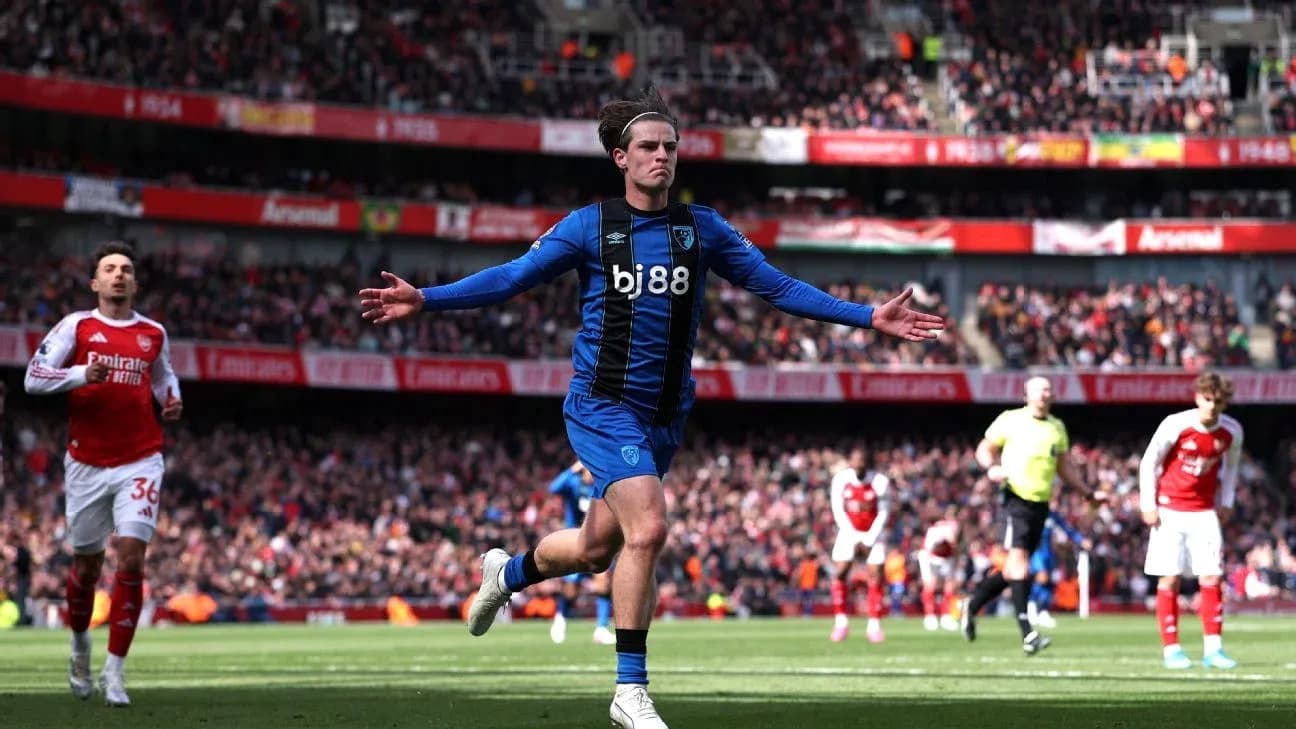
Manzambi, just 20, changed that game in a blur. Bosnia and Herzegovina had lost Muharemovic and suddenly there was space, which the young forward attacked with perfect timing. A well-taken volley for his first, then a second to crush any hope of a draw. It was the kind of cameo that can tilt a career, the kind that once turned Michael Owen into a global name after Saint-Étienne.
David Pleat, never one for lazy comparisons, picked Manzambi out as one of the young stars of this World Cup, praising his pace, power and control, honed at Servette and Freiburg and already worth 16 combined goals and assists this season. That kind of endorsement carries weight.
Tonight, Murat Yakin gives Manzambi a starting role, building on that explosive finish. Switzerland switch things up with four changes: Luca Jaquez, Djibril Sow, Manzambi and Vargas come in for Silvan Widmer, Michel Aebischer, Dan Ndoye and Fabian Rieder.
The likely shape is a 4-3-1-2: Gregor Kobel in goal; Jaquez, Nico Elvedi, Manuel Akanji and Ricardo Rodriguez in defence; Sow, Granit Xhaka and Remo Freuler as the midfield engine; Manzambi floating behind Vargas and Breel Embolo. It’s a side built to control the ball and then strike hard when the gaps appear.
England’s familiar fog and the wider World Cup mood
All this unfolds against a tournament mood that shifted sharply earlier in the day. England’s goalless draw with Ghana yanked the country back to a place it knows too well. After the dismantling of Croatia, Thomas Tuchel’s team had been cast as swaggering world champions in waiting. Ninety torpid minutes later, they looked like England again: stodgy, cautious, oddly comfortingly mediocre.
The English psyche, so often tethered to ritual – tea on the lawn, grumbling about the weather, prime ministers shuffling off stage – seemed to settle back into its familiar groove. A drab England performance in a World Cup group game? A nation’s hopes sagging? Order restored.
While England wrestle with their identity, Canada and Switzerland step into the late group-stage window with a very different problem: how to keep momentum alive when qualification is already assured.
Stakes without jeopardy
That’s where this so-called dead rubber finds its edge. There is no threat of elimination, but there is the threat of losing control of the narrative.
For Canada, top spot means more than a bracket advantage. It means another night under the same roof, another chance to turn Vancouver into a fortress and to deepen that sense of a defining home tournament. It means building on the 6-0, not letting it stand alone as a wild outlier.
For Switzerland, it’s about confirming status. A team ranked inside the world’s top 20, with Xhaka and Akanji at its core and a new wave led by Manzambi and Vargas, should expect to top a group like this. Fall short and questions follow.
Kick-off comes at 12pm local time, 3pm ET, 8pm BST. Two teams already through, one place at the top still free, and a World Cup host trying to decide what kind of story it wants this tournament to tell.
Do they stay home and keep writing it in Vancouver, or hand the pen to Los Angeles?