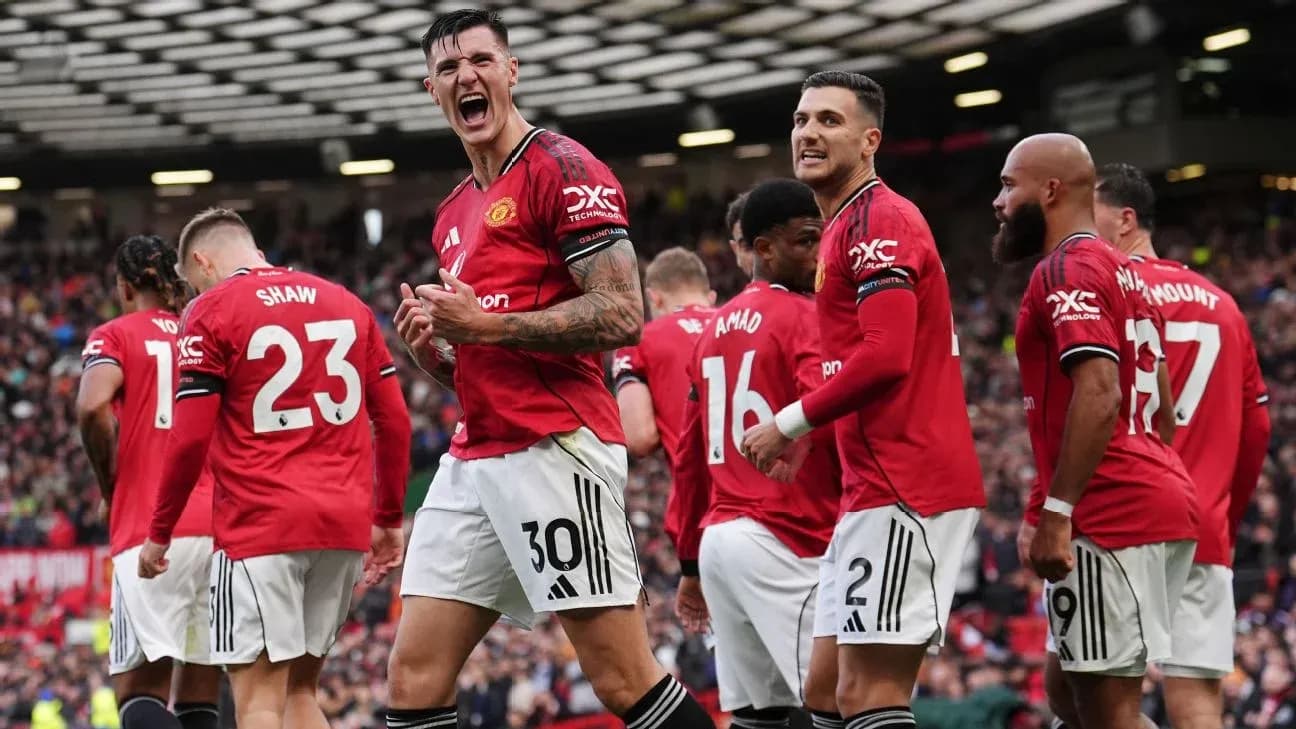
Sunderland vs Manchester United: Premier League Clash Preview
On 9 May 2026, the Stadium of Light stages a classic Premier League clash as mid‑table Sunderland host top‑four chasing Manchester United in Round 36 of the league season. With Sunderland sitting 12th on 47 points and United third on 64, the stakes are very different but equally clear: the hosts are closing in on a secure, respectable return to the elite, while the visitors are trying to lock in Champions League football.
Both sides arrive with contrasting trajectories. In the league, Sunderland’s recent form reads “DLLWW” – two wins in their last two to steady the ship after a wobble. Manchester United, by contrast, show “WWWLD”: four wins in their last five, only recently interrupted by a defeat and a draw. It sets up a meeting between a team punching above expectations and another trying to reassert its status among England’s elite.
Tactical landscape: Sunderland’s structure vs United’s firepower
Across all phases this season, Sunderland have been pragmatic and flexible. Their statistics show a clear preference for a 4‑2‑3‑1 (18 matches), with occasional switches to 4‑3‑3 and more defensive shapes like 5‑4‑1 and 4‑1‑4‑1. At home, they have been quietly efficient: 8 wins, 5 draws and only 4 defeats from 17 league matches, scoring 23 and conceding 19. An average of 1.4 goals for and 1.1 against at the Stadium of Light underlines a side that can edge tight contests rather than blow opponents away.
Sunderland’s season profile is that of a mid‑block side that relies on structure and collective effort. Ten clean sheets across all phases (six at home) and 12 matches where they have failed to score tell the same story: when they control the game’s tempo and keep it tight, they are hard to break down, but they can struggle to consistently create high‑quality chances. Their biggest home win, 3‑0, and heaviest home defeat, 0‑5, show how their margins can swing if the defensive organisation breaks.
One key tactical headache for Sunderland is the absence of D. Ballard through suspension (red card). As a central defender and organiser, his loss weakens the spine against one of the league’s most potent attacks. R. Mundle is also ruled out with a hamstring injury, removing an option in the attacking unit. Question marks hang over N. Angulo (muscle injury), S. Moore (wrist) and B. Traore (knee), which further complicates rotation and in‑game adjustments.
Manchester United arrive with a clear identity and a heavy offensive load. Across all phases they average 1.8 goals per game (63 scored in 35), with an impressive 2.0 per game at Old Trafford and a still strong 1.6 away (27 in 17). Their away record – 6 wins, 7 draws, 4 defeats – suggests they are not as dominant on the road, but they almost always carry a scoring threat, having failed to score away only once in the league.
Tactically, United have alternated between a 3‑4‑2‑1 (18 matches) and a 4‑2‑3‑1 (17 matches). The back‑three system allows them to push wing‑backs high and create overloads wide, while the double‑pivot shapes give them a more orthodox attacking structure. Either way, they rely heavily on a diverse set of scorers rather than a single talisman.
Benjamin Šeško leads the way with 11 league goals from 30 appearances, despite starting only 17 times. His 51 shots (34 on target) show a classic penalty‑box striker profile: high volume, high accuracy, and a constant presence in central areas. Interestingly, he has not scored from the penalty spot this season (0 scored, 0 missed), so his tally is built entirely from open play and set pieces.
Around him, United spread the goals and creativity. Bryan Mbeumo has 9 goals and 3 assists, underlining his dual role as scorer and creator. With 46 key passes and 54 shots (30 on target), he is a major threat cutting in from wide areas or operating between the lines. Matheus Cunha also has 9 goals and 2 assists, backed by 30 key passes and 88 dribble attempts (41 successful). His ability to carry the ball, draw fouls (51 won), and destabilise defensive blocks could be particularly problematic for a Sunderland back line missing Ballard.
In midfield, Casemiro remains pivotal. He has chipped in with 9 goals and 2 assists, but his real impact lies in his 1,547 passes (81% accuracy), 88 tackles, 27 blocks and 30 interceptions. In a game where Sunderland may try to congest central zones and play on transitions, his positioning and ball‑winning will be key to preventing counter‑attacks and sustaining United’s pressure.
United do have defensive concerns. They have conceded 48 goals in 35 matches (1.4 per game), including 26 in 17 away (1.5 per game). Only 6 clean sheets across all phases underline a vulnerability that a confident home side can exploit. The absence of M. de Ligt with a back injury weakens their ability to dominate aerially and organise the back line, particularly if Sunderland target set pieces and crosses. B. Šeško is listed as questionable with a leg injury, which is a major storyline: if he does not start or is limited, United will rely even more heavily on Mbeumo and Cunha to carry the scoring load.
Discipline could also shape the rhythm. Sunderland’s card distribution shows a tendency to collect yellows between minutes 46‑60 and 76‑90, suggesting fatigue or pressure phases. United, meanwhile, have seen red cards in the 46‑60 and 76‑90 windows, an indicator that their aggressive style can spill over, especially when chasing games. With Stuart Attwell appointed as referee, game management and emotional control will matter.
Head‑to‑head: history favours United
Looking at the last five competitive meetings in the Premier League, Manchester United have dominated:
- Manchester United 2‑0 Sunderland (October 2025, Old Trafford)
- Sunderland 0‑3 Manchester United (April 2017, Stadium of Light)
- Manchester United 3‑1 Sunderland (December 2016, Old Trafford)
- Sunderland 2‑1 Manchester United (February 2016, Stadium of Light)
- Manchester United 3‑0 Sunderland (September 2015, Old Trafford)
Across these five, United have 4 wins, Sunderland 1, and there have been 0 draws. United have scored 11 goals to Sunderland’s 3, and crucially have won both of their last visits to the Stadium of Light without conceding. Sunderland’s lone success, the 2‑1 win in February 2016, is a reminder that this ground can be awkward for big sides when the home crowd senses vulnerability.
Match dynamics: where it will be decided
Without Ballard, Sunderland may be forced into a more conservative defensive shape, possibly leaning on a back five (5‑4‑1) to close the central channels and protect the box. Their home goal average (1.4 for, 1.1 against) suggests they are comfortable in low‑to‑mid scoring games. They will likely target United’s defensive lapses, especially down the channels vacated by attacking wing‑backs in a 3‑4‑2‑1, and look to set pieces given United’s missing central defender.
United, for their part, will aim to impose their attacking rhythm early. With multiple nine‑goal contributors and an 11‑goal striker, they have the tools to stretch Sunderland horizontally and vertically. Casemiro’s ability to break lines with passes, combined with Mbeumo’s movement between full‑back and centre‑back, and Cunha’s dribbling, can drag a reshuffled Sunderland defence out of shape. If Šeško is fit enough to feature, his penalty‑box instincts will be central to United’s plan; if not, they may lean into a more fluid front line with Cunha as the nominal nine.
Both teams are flawless from the penalty spot this season at team level (4 of 4 scored each), so any spot‑kick could be decisive.
The verdict
On balance of data and context, Manchester United should be considered favourites. They have the superior league position, better recent form, and a clear attacking edge: 63 goals across all phases to Sunderland’s 37. The head‑to‑head record is firmly in their favour, and they have won the last two league visits to the Stadium of Light without conceding.
However, Sunderland’s strong home record and defensive resilience mean this is unlikely to be straightforward. If they can keep the game compact, limit transitions, and exploit United’s defensive looseness, particularly with de Ligt out, they are capable of taking something from the match.
Expect United to dominate territory and chances, with Sunderland relying on structure and set pieces. A narrow away win, with both teams having periods of control, looks the most logical outcome – but only if United’s attacking core stays fit and Sunderland cannot fully compensate for Ballard’s absence at the back.